Eremurus stenophyllus (Foxtail Lily): A Comprehensive Guide
Eremurus stenophyllus, commonly known as Foxtail Lily, is a stunning perennial plant renowned for its tall, majestic flower spikes that add a touch of elegance and grandeur to any garden landscape. Native to Central Asia, Eremurus stenophyllus is prized for its remarkable beauty and resilience. In this comprehensive guide, we will delve into the various aspects of cultivating and caring for Eremurus stenophyllus, covering its culture, uses, growing conditions, maintenance, and much more.
What is Eremurus stenophyllus (Foxtail Lily)?
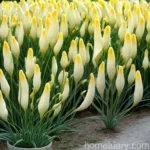
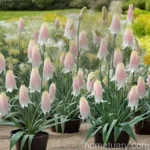
Eremurus stenophyllus belongs to the family Asphodelaceae and is a herbaceous perennial that produces magnificent, densely packed flower spikes in hues ranging from creamy whites to soft pinks. It thrives in full sun and well-drained soils, making it an ideal choice for gardens and landscapes where it can truly shine. The plant’s inflorescence resembles a fox’s tail, which inspired the common name “Foxtail Lily.”

Key Takeaways – Eremurus stenophyllus (Foxtail Lily)
Before delving deeper into the specifics of caring for Eremurus stenophyllus, let’s take a look at the key takeaways related to this stunning plant.
Culture
- Eremurus stenophyllus is a herbaceous perennial plant.
- It is native to Central Asia and is well-suited to regions with cold winters and hot, dry summers.
Uses
- Eremurus stenophyllus is commonly used in garden landscapes to add height and visual interest.
- The striking flower spikes make excellent cut flowers, adding an exotic touch to floral arrangements.
Water
- It requires well-drained soil and is moderately drought-tolerant once established.
- Adequate watering during the growing season is crucial for its healthy development and blooming.
Sunlight
- Full sun exposure is essential for optimal growth and flowering.
- It thrives in locations with at least 6-8 hours of direct sunlight per day.
Fertilizer
- A balanced, slow-release fertilizer can be applied in spring to support healthy growth and blooming.
Soil
- Well-drained, sandy or loamy soil with a slightly acidic to neutral pH is ideal for Eremurus stenophyllus.
Pruning
- Minimal pruning is required, primarily for the removal of spent flower spikes.
Propagation
- Propagation through division of mature clumps is the most common method.
- Seeds can also be sown, but they may take a few years to develop into blooming plants.
Container Popularity
- Eremurus stenophyllus can be grown in containers, provided they are large enough to accommodate the plant’s deep root system.
Common Diseases
- While generally disease-resistant, it may be susceptible to root rot in waterlogged soils.
Disease Diagnosis
- Yellowing or browning of the foliage and a general lack of vigor may indicate potential disease issues.
Common Pests
- Watch out for aphids and slugs, which may occasionally feed on the foliage and flowers.
Botanist’s Tips
- Plant Eremurus stenophyllus in groups or clusters for a more striking visual impact in the garden.
Fun Facts
- Eremurus stenophyllus is commonly referred to as the “Desert Candle” due to its origins in arid regions.
Links to External Resources
- Royal Horticultural Society – Eremurus cultivation guide
- Missouri Botanical Garden – Plant Finder: Eremurus stenophyllus
With these key takeaways in mind, let’s explore each aspect in detail to understand how to best care for and cultivate Eremurus stenophyllus.
Eremurus stenophyllus (Foxtail Lily) – In-Depth Guide
Eremurus stenophyllus Plant
Eremurus stenophyllus, also known as Foxtail Lily or Desert Candle, is a striking perennial plant known for its tall, majestic flower spikes and its ability to thrive in arid and semi-arid climates. Its native habitat spans from the steppes of Central Asia, including regions in Afghanistan, Iran, and Tajikistan.
Foxtail Lily Care
Caring for Eremurus stenophyllus primarily involves providing optimal growing conditions, including well-drained soil, adequate sunlight, and controlled watering. Additionally, understanding its specific cultural requirements and addressing potential issues related to pests and diseases are crucial for its successful cultivation.
Growing Eremurus stenophyllus
When it comes to growing Eremurus stenophyllus, several factors contribute to its successful development. The following are essential considerations for cultivating this remarkable plant:
Water
While Eremurus stenophyllus exhibits moderate drought tolerance once established, it is essential to ensure regular, consistent watering during its active growth phase. The plant benefits from moist soil during the growing season but should not be overwatered, especially during the dormant period.
- During the growing season, provide 1-1.5 inches of water per week, either through rainfall or supplemental watering.
- Allow the soil to dry slightly between watering sessions to prevent waterlogging, which can lead to root rot.
Sunlight
Full sun exposure is crucial for Eremurus stenophyllus to thrive and produce its characteristic tall flower spikes. When selecting a planting location, aim for a site that receives at least 6-8 hours of direct sunlight per day.
- In regions with extremely hot summers, some afternoon shade may be beneficial to protect the plant from excessive heat.
Fertilizer
A balanced, slow-release fertilizer applied in spring can provide the necessary nutrients for healthy growth and flowering. Opt for a fertilizer with equal NPK (nitrogen, phosphorus, and potassium) content, following the manufacturer’s recommended application rates.
- Avoid excessive nitrogen, as it may promote lush foliage at the expense of flower production.
Soil
Eremurus stenophyllus thrives in well-drained, sandy or loamy soil with a slightly acidic to neutral pH. Before planting, amend heavy or clay soils with organic matter to improve drainage and create a more suitable growing environment for the plant.
- It is crucial to avoid waterlogged or compacted soils, as they can lead to root issues and hinder the plant’s overall health.
Foxtail Lily Variety
Several cultivated varieties of Eremurus stenophyllus are available, offering a range of flower colors, sizes, and blooming times. Some popular varieties include:
- Eremurus stenophyllus ‘White Beauty’: Featuring creamy white flower spikes, this variety adds a touch of elegance to garden landscapes.
- Eremurus stenophyllus ‘Pink Parade’: Known for its soft pink flower spikes, this variety brings a delicate, romantic charm to the garden.
Eremurus stenophyllus Propagation
The propagation of Eremurus stenophyllus can be achieved through two primary methods: division and seed sowing. Each method has its own considerations and time requirements for successful propagation.
Division
- Division of mature clumps is the most common and reliable method of propagation for Eremurus stenophyllus.
- It is best carried out in early spring or early autumn when the plant is not actively growing, and the weather is relatively mild.
Seed Sowing
- While viable seeds can be collected from mature plants, they may take several years to develop into blooming specimens.
- Sow seeds in well-drained soil in a sunny location and provide consistent moisture until germination occurs.
How to Plant Foxtail Lily
When planting Eremurus stenophyllus, it is essential to follow specific guidelines to ensure its successful establishment and long-term health:
- Choose a planting site with full sun and well-drained soil, avoiding areas prone to waterlogging.
- Dig a hole twice the diameter of the plant’s root ball and amend the soil with organic matter to improve drainage.
- Place the plant in the hole at the same level it was growing in the nursery pot and backfill with amended soil.
- Water the plant thoroughly after planting to settle the soil and eliminate air pockets around the roots.
Eremurus stenophyllus Flowers
The striking flower spikes of Eremurus stenophyllus, resembling fox tails, are the highlight of this plant. The flowers typically emerge in late spring to early summer, depending on the climate and growing conditions, and create a stunning display that lasts for several weeks.
- The flower spikes can reach impressive heights, often exceeding 6 feet, making them a dramatic focal point in the garden landscape.
Foxtail Lily Gardening Tips
To ensure the successful cultivation of Eremurus stenophyllus and the best possible flowering display, consider the following gardening tips:
- Planting in well-drained soil is crucial to prevent root issues and support healthy growth.
- Provide light support to the tall flower spikes using stakes or other supportive structures to prevent bending or breakage.
- Remove spent flower spikes promptly to encourage the plant to channel its energy into new growth and potential secondary flushes of flowers.
Eremurus stenophyllus Characteristics
Eremurus stenophyllus possesses several key characteristics that make it a sought-after plant in the horticultural world. Some of its notable traits include:
- Tall, majestic flower spikes that create a stunning visual impact in the garden.
- Drought tolerance once established, making it suitable for arid and semi-arid climates.
- Minimal maintenance requirements once the plant is established in an optimal growing environment.
Foxtail Lily Species
The genus Eremurus includes several other species, each with its own unique traits and growing requirements. Some notable species closely related to Eremurus stenophyllus include:
- Eremurus robustus: Known for its robust flower spikes and striking presence in the garden landscape.
- Eremurus himalaicus: Native to the Himalayas, this species exhibits delicate, pastel-colored flower spikes.
Eremurus stenophyllus Planting Guide
When planting Eremurus stenophyllus, following a comprehensive planting guide can help ensure the best possible outcomes. Consider the following guidelines for successful planting:
Season: Spring or early autumn are the most suitable times for planting, avoiding the extremes of summer heat and winter cold.
Depth: Plant the crowns or rhizomes of Eremurus stenophyllus at a depth of around 6-8 inches, ensuring they are adequately covered with soil.
Spacing: Allow for ample spacing between plants, typically 24-36 inches, to accommodate their mature size and prevent overcrowding.
Mulching: Apply a layer of organic mulch around the plants to regulate soil temperature and moisture levels.
Watering: Provide consistent moisture after planting to support the establishment of the plants, gradually transitioning to the regular watering schedule as they develop.
Foxtail Lily Maintenance
While Eremurus stenophyllus is relatively low-maintenance, a few essential maintenance practices can help promote its overall health and flowering performance:
- Regularly monitor soil moisture and ensure that the plant receives adequate water during its active growth phase.
- Apply a balanced, slow-release fertilizer in spring to provide essential nutrients for healthy growth and flowering.
- Keep an eye out for potential issues related to pests and diseases, addressing them promptly to prevent escalation.
Eremurus stenophyllus in Gardens
In garden landscapes, Eremurus stenophyllus can serve as a stunning focal point, adding height, texture, and visual interest to borders, mixed perennial beds, and cottage gardens. Its unique form and striking flowers make it an excellent addition to various garden styles, from formal to naturalistic.
Foxtail Lily Landscaping
When incorporating Eremurus stenophyllus into landscaping designs, consider the following tips to maximize its impact:
- Plant it in the background or middle of a border to create a striking vertical element that complements lower-growing plants.
- Pair it with plants that bloom at different times to ensure continuous visual interest in the garden throughout the growing season.
Eremurus stenophyllus Growing Conditions
Understanding the specific growing conditions that Eremurus stenophyllus requires is crucial for its successful cultivation. Consider the following factors when creating an optimal environment for this remarkable plant:
- Well-drained soil is essential to prevent waterlogging and promote healthy root development.
- Full sun exposure is necessary for robust growth and prolific flowering.
Foxtail Lily Care Instructions
When it comes to caring for Eremurus stenophyllus, certain care instructions can help ensure its long-term health and flowering success. Consider the following tips for optimal care:
- Regularly monitor the plant’s moisture levels, providing adequate water during the growing season without overwatering.
- Apply a balanced, slow-release fertilizer in spring to support healthy growth and flowering.
Eremurus stenophyllus Bloom Time
The bloom time of Eremurus stenophyllus typically occurs in late spring to early summer, creating a captivating display of tall, colorful flower spikes that last for several weeks. The exact timing may vary based on climate and growing conditions.
Foxtail Lily Perennial
As a herbaceous perennial, Eremurus stenophyllus regrows from its roots each year, producing new foliage and flower spikes during the growing season. Its perennial nature makes it a long-term investment in garden landscapes, providing beauty and interest year after year.
Eremurus stenophyllus Cultivation
Cultivating Eremurus stenophyllus involves providing optimal growing conditions and addressing its specific cultural requirements. By ensuring that the plant receives suitable care and maintenance, it can thrive and produce its characteristic flower spikes reliably.
Foxtail Lily Medicinal Properties
While Eremurus stenophyllus is primarily grown for ornamental purposes, some species within the broader genus Eremurus have been used in traditional medicine in certain regions. However, it is essential to consult reliable sources and experts before considering any potential medicinal uses.
Eremurus stenophyllus Garden Design
When designing a garden with Eremurus stenophyllus, consider its unique aesthetic and cultural requirements to create an environment where it can truly shine. Incorporate the following design elements to enhance the plant’s presence in the garden:
- Complement its vertical growth habit with lower-growing plants to create varied layers and textures in the landscape.
- Use it as a focal point or anchor in a mixed border, drawing attention with its tall, impressive flower spikes.
Foxtail Lily Soil Requirements
Eremurus stenophyllus thrives in well-drained, sandy or loamy soil with a slightly acidic to neutral pH. Understanding the specific soil requirements of the plant is crucial for its successful establishment and long-term health.
Eremurus stenophyllus Pests and Diseases
While generally robust and resistant to most pests and diseases, Eremurus stenophyllus may still face certain issues that require attention. Understanding common pests and diseases associated with the plant can help address potential problems effectively.
Foxtail Lily Outdoor Planting
When planting Eremurus stenophyllus outdoors, consider the following factors to ensure successful establishment and optimal growth:
- Choose a planting location with full sun exposure and well-drained soil, avoiding areas prone to waterlogging.
- Provide adequate spacing between plants to accommodate their mature size and structure.
Eremurus stenophyllus Cut Flowers
The impressive flower spikes of Eremurus stenophyllus make excellent cut flowers, adding a touch of exotic elegance to floral arrangements and bouquets. When harvesting cut flowers from the plant, follow these guidelines for the best results:
- Cut the flower spikes early in the morning and place them immediately in a container of tepid water.
- Remove any foliage that will be submerged in water to prevent bacterial growth and ensure the longevity of the cut flowers.
Foxtail Lily Landscaping Ideas
Incorporating Eremurus stenophyllus into landscaping designs offers numerous creative possibilities to enhance the visual appeal of garden landscapes. Consider the following ideas for integrating this remarkable plant into various landscaping projects:
- Plant it alongside ornamental grasses and other perennials to create a dynamic, visually engaging border or island bed.
- Use it as a striking focal point in a xeriscape or contemporary landscape design, showcasing its unique form and flower spikes.
Eremurus stenophyllus Water Needs
While Eremurus stenophyllus exhibits moderate drought tolerance once established, it still requires regular, consistent watering during the growing season to support healthy growth and flowering. Understanding its specific water needs is crucial for providing the best care.
Foxtail Lily Container Gardening
Eremurus stenophyllus can be grown in containers, provided that the containers are sufficiently large to accommodate the plant’s deep root system. When growing this plant in containers, consider the following guidelines for optimal results:
- Select a large container with adequate drainage holes to prevent waterlogging and promote healthy root development.
- Use a well-draining potting mix and provide regular watering and fertilization for container-grown specimens.
Eremurus stenophyllus Hardiness
Eremurus stenophyllus is generally hardy in USDA Hardiness Zones 5-9, thriving in regions with cold winters and hot, dry summers. Its hardiness makes it suitable for a wide range of climates, provided that its specific cultural requirements are met.
Foxtail Lily Companion Plants
When selecting companion plants to grow alongside Eremurus stenophyllus, consider those that complement its tall, majestic flower spikes and thrive in similar growing conditions. Some suitable companion plants for Foxtail Lily include:
- Salvia nemorosa: This perennial salvia offers striking upright spikes of flowers in various colors, creating an eye-catching contrast.
- Achillea millefolium: Commonly known as yarrow, this perennial produces flat-topped flower clusters in an array of colors, adding a delicate, feathery texture to the garden.
Eremurus stenophyllus Sun Exposure
Full sun exposure is essential for Eremurus stenophyllus to thrive and produce its characteristic tall flower spikes. When selecting a planting location, prioritize sites that receive ample direct sunlight to ensure the plant’s optimal growth and flowering.
Foxtail Lily Unique Features
Eremurus stenophyllus possesses several unique features that contribute to its allure and desirability in garden landscapes. Its remarkable traits include:
- Dramatic, tall flower spikes that create a striking visual impact in the garden.
- Drought tolerance once established, making it suitable for arid and semi-arid climates.
Eremurus stenophyllus Pruning
Minimal pruning is required for Eremurus stenophyllus, primarily for the removal of spent flower spikes after blooming. Deadheading the plant promptly can help redirect its energy into new growth and potential secondary flushes of flowers.
Foxtail Lily Wildlife Attraction
While Eremurus stenophyllus is not a significant attractant