Erica carnea ‘December Red’ (Winter Heath): A Winter Gem
In the world of plants, there is a vast array of species that offer unique and valuable qualities. One such plant is Erica carnea ‘December Red’, also known as Winter Heath. This resilient and beautiful evergreen shrub provides a burst of color and life during the winter months, making it a prized addition to gardens and landscapes. In this article, we will delve into the fascinating world of Erica carnea ‘December Red’, exploring its characteristics, cultivation, uses, and much more.
What is Erica carnea ‘December Red’?
Plant Overview
Family: Ericaceae
Genus: Erica
Species: Carnea
Cultivar: ‘December Red’
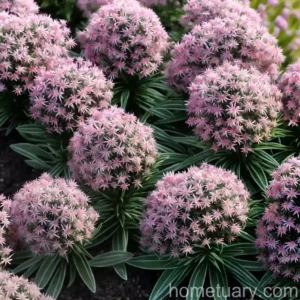
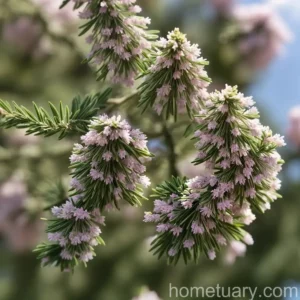
Erica carnea, commonly known as Winter Heath, is a low-growing evergreen shrub that hails from the Ericaceae family. It is native to the mountainous regions of central and southern Europe. The cultivar ‘December Red’ is particularly renowned for its striking winter blooms, which adorn the plant with vibrant red flowers, adding a splash of color to the cold and often dreary winter landscape.
Key Takeaways
Erica carnea ‘December Red’ (Winter Heath)
- Winter Heath Erica carnea ‘December Red’ Characteristics: Evergreen shrub, low-growing habit, red winter blooms
- Winter Flowering Plants for the Garden: Adds color and interest during the winter months
- Benefits of Planting Erica carnea ‘December Red’: Provides winter color, attracts pollinators, and adds landscape interest
- Hardy Plants for Winter Gardens: Thrives in cold climates, snow resistant
- Low Maintenance Winter Flowering Plants: Requires minimal care and attention
- Drought-Tolerant Winter Plants: Well-suited to arid conditions
- Cold-Tolerant Flowering Plants: Thrives in chilly temperatures, suitable for alpine gardens
- Shade-Tolerant Winter Flowers: Grows well in shaded areas
Plant Name: “Erica carnea ‘December Red’ (Winter Heath)”
Cultivation and Care
1. Culture
Hardiness Zone
Erica carnea ‘December Red’ is well-suited to cooler climates and is typically recommended for USDA Hardiness Zones 5-7. It thrives in regions with cold winters and moderate summer temperatures.
2. Uses
Garden and Landscape Applications
- Winter Interest: The vibrant red blooms of Erica carnea ‘December Red’ provide valuable color and interest to winter gardens and landscapes.
- Ground Cover: Its low-growing habit makes it suitable for ground cover, especially in areas where a splash of color is desired during the winter season.
3. Water
Watering Needs
During its establishment phase, Erica carnea ‘December Red’ benefits from regular watering to encourage healthy root development. Once established, it is relatively drought-tolerant and requires minimal supplemental watering, especially in regions with regular rainfall.
4. Sunlight
Light Requirements
Winter Heath Erica carnea ‘December Red’ thrives in a position that receives full sun to partial shade. In warmer climates, it may benefit from some protection from the intense midday sun.
5. Fertilizer
Nutrient Requirements
For optimal growth and blooming, Erica carnea ‘December Red’ can benefit from a balanced fertilizer application in early spring. A slow-release or organic fertilizer specifically formulated for acid-loving plants is ideal.
6. Soil
Soil Type
Erica carnea ‘December Red’ prefers well-draining, acidic soil. A mix rich in organic matter and suitable for acid-loving plants, such as rhododendrons and azaleas, provides an excellent growing medium for this winter gem.
7. Pruning
Maintenance
Minimal pruning is required for Erica carnea ‘December Red’. However, light trimming after flowering can help maintain its compact form and encourage a bushy habit.
Propagation
1. Seed Propagation
Erica carnea ‘December Red’ can be propagated from seed, though this method may take longer to produce mature plants.
2. Division
The plant can also be propagated through division, where established clumps are carefully separated to create new plants.
3. Cuttings
Softwood cuttings taken in spring can also be used to propagate Erica carnea ‘December Red’, providing a quicker method for obtaining new plants.
Container Popularity
Erica carnea ‘December Red’ is well-suited to container cultivation, making it a popular choice for winter interest on patios, balconies, and other outdoor spaces.
Common Diseases
While generally resilient, Erica carnea ‘December Red’ can be susceptible to certain diseases and issues that may affect its health and vigor. Common diseases include:
- Root Rot: This can occur in poorly drained soil or in containers with inadequate drainage.
- Powdery Mildew: Fungal disease that may affect the foliage, especially in humid conditions.
Disease Diagnosis
Regular inspection of the plant for any signs of discoloration, wilting, or abnormal growth can help in early disease diagnosis. Prompt action, such as improving drainage or applying appropriate fungicidal treatments, can help manage these issues.
Common Pests
Erica carnea ‘December Red’ may encounter pests such as:
- Aphids: These small insects can gather on the foliage and stems, sucking plant sap and potentially causing damage.
- Spider Mites: These tiny arachnids may create fine webbing and cause stippling on the leaves as they feed on plant juices.
Botanist’s Tips
- When planting Erica carnea ‘December Red’, ensure that the soil is well-draining and enriched with organic matter to provide the best growing conditions.
- Regularly monitor the plant for any signs of pests or diseases, and take appropriate measures if needed to maintain its health and vigor.
- In container cultivation, use pots with adequate drainage to prevent waterlogging, and consider using a specialized potting mix for acid-loving plants.
Fun Facts
- The species name “carnea” is derived from the Latin word for flesh, referencing the pink to red flowers seen in many Erica carnea cultivars, including ‘December Red’.
- Winter Heath Erica carnea ‘December Red’ is a valuable source of nectar for early-season pollinators, providing sustenance when few other flowering plants are available.
Links to External Resources
For additional information about Erica carnea ‘December Red’ and its cultivation, the following resources can be valuable:
- Royal Horticultural Society – Erica carnea
- University of Maryland Extension – Winter Heath
- Missouri Botanical Garden – Erica carnea
- American Rhododendron Society – Winter Heath and Spring Heath
In conclusion, Erica carnea ‘December Red’ (Winter Heath) stands out as a remarkable plant, contributing vibrant color and interest to winter landscapes. Its low-maintenance nature and adaptability to various growing conditions make it an excellent choice for gardeners looking to add winter appeal to their outdoor spaces. With the right care and attention, this winter gem can thrive and delight for years to come.
As a plant scientist, I hope this comprehensive guide provides valuable insights into the fascinating world of Erica carnea ‘December Red’ and inspires a deep appreciation for this beautiful and resilient plant. Whether adorning a garden bed or gracing a container, its winter blooms serve as a reminder of nature’s enduring beauty and the vitality that can be found even in the coldest of seasons.