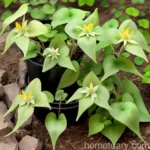
Epimedium ‘Domino’ (Barrenwort): A Delicate and Versatile Garden Gem
Introduction
Plants hold a unique allure with their myriad of colors, shapes, and scents. One such enchanting addition to gardens and landscapes is the Epimedium ‘Domino,’ commonly known as Barrenwort. With its delicate foliage, charming blooms, and versatility in different gardening settings, the Epimedium ‘Domino’ is a treasure trove for both novice and seasoned gardeners.
In this comprehensive guide, we will delve into the various aspects of caring for and harnessing the beauty of Epimedium ‘Domino’ in your garden. From its unique characteristics and growing requirements to its landscape uses and propagation techniques, we aim to provide valuable insights into this captivating plant.
What is Epimedium ‘Domino’ (Barrenwort)?
Plant Name: Epimedium ‘Domino’ (Barrenwort)
Botanical Name: Epimedium
Common Name: Barrenwort, Bishop’s Hat
Plant Type: Perennial
Family: Berberidaceae
Epimedium, a genus in the family Berberidaceae, consists of over 60 species of herbaceous flowering plants. The ‘Domino’ variety of Epimedium is particularly cherished for its ornamental foliage and dainty flowers. It is a low-growing, clump-forming perennial that adds a touch of elegance to shaded areas, making it a popular choice for woodland gardens, borders, and rock gardens.
Key Takeaways – Epimedium ‘Domino’ (Barrenwort)
Before we explore the intricacies of cultivating and nurturing Epimedium ‘Domino,’ let’s glean some key takeaways about this enchanting plant:
- Barrenwort Plant Characteristics
- Graceful, heart-shaped foliage
- Delicate, spurred flowers in varying colors
-
Low-growing and clump-forming habit
-
Growing Epimedium ‘Domino’
- Ideal for shaded or partially shaded areas
-
Thrives in woodland or rock gardens
-
Epimedium ‘Domino’ Propagation
- Can be propagated through division or seeds
-
Division is the most common propagation method
-
Best Soil for Epimedium ‘Domino’
- Well-draining, humus-rich soil
-
Slightly acidic to neutral pH
-
Epimedium ‘Domino’ Pruning Tips
-
Cut back old foliage in late winter or early spring
-
Epimedium ‘Domino’ Varieties
- Numerous cultivars with variations in foliage and flower colors
-
Each variety offers a unique charm to the garden
-
Epimedium ‘Domino’ Medicinal Uses
- Historically used in traditional medicine
-
Contains compounds with potential health benefits
-
Barrenwort Plant for Shady Gardens
- Well-suited for adding interest to shady or sheltered areas
-
Serves as an excellent ground cover in such environments
-
Low Maintenance Plants like Epimedium ‘Domino’
- Minimal care requirements make it a hassle-free addition to gardens
-
Drought tolerant once established
-
Epimedium ‘Domino’ Landscape Ideas
- Enhances the visual appeal of woodland landscapes
- Ideal for creating naturalistic and tranquil garden settings
These key takeaways provide a glimpse into the diverse aspects of Epimedium ‘Domino’ and set the stage for a deeper exploration of its cultivation and uses in various garden settings.
Culture
Cultivating and nurturing Epimedium ‘Domino’ requires a basic understanding of its cultural needs, including its preferred growing conditions, water and sunlight requirements, and optimal soil and fertilization practices.
Uses
Before diving into the specifics of the plant’s cultural requirements, it’s essential to appreciate the multifaceted uses of Epimedium ‘Domino’ in garden and landscape settings. This not only provides insight into its versatility but also aids in envisioning its potential impact in different design contexts.
- Woodland Gardens: The delicate beauty of Epimedium ‘Domino’ makes it a perfect fit for woodland or shade gardens. It thrives under the filtered light and dappled shade of trees, adding a pop of color and elegance to these otherwise understated settings.
- Rock Gardens: Due to its low-growing habit and ability to flourish in well-drained soil, Epimedium ‘Domino’ is well-suited for rock gardens. It can cascade gracefully over rocks and boulders, creating a natural and picturesque display.
- Borders and Edging: The neat and compact growth habit of Epimedium ‘Domino’ makes it an excellent choice for border plantings and edging along pathways or garden beds. Its graceful foliage and charming blooms can frame garden spaces with finesse.
- Ground Cover: Its spreading habit and dense foliage make Epimedium ‘Domino’ an attractive option for ground cover in shady or partially shaded areas. It creates a lush carpet of greenery and adds visual interest to such spaces.
- Container Gardening: For those with limited garden space, Epimedium ‘Domino’ can thrive in containers, providing an opportunity to enjoy its beauty on patios, balconies, or small urban gardens.
Understanding these varied uses of Epimedium ‘Domino’ sets the stage for optimizing its presence in a garden or landscape, allowing for creative and functional integration.
Water
Water is a fundamental requirement for the health and vitality of Epimedium ‘Domino.’ Understanding its water needs and implementing an appropriate watering regimen is essential for supporting its growth and blooming potential.
- Water Requirements: Epimedium ‘Domino’ prefers consistently moist soil, especially during its active growing season. Adequate moisture is crucial for nurturing its delicate foliage and promoting a robust root system. However, it is essential to avoid waterlogged conditions, as this can lead to root rot and other issues.
- Watering Schedule: During periods of low rainfall or dry spells, regular watering is necessary to maintain soil moisture. Pay close attention to the soil moisture levels, particularly in warmer climates, and adjust the frequency of watering as needed.
- Mulching: Applying a layer of organic mulch around the base of Epimedium ‘Domino’ can help conserve soil moisture and regulate the temperature of the root zone. This is especially beneficial during hot summer months and in regions with fluctuating weather patterns.
By conscientiously addressing the water needs of Epimedium ‘Domino,’ gardeners can provide an optimal growing environment that fosters its health and longevity.
Sunlight
As a shade-loving plant, Epimedium ‘Domino’ has specific requirements when it comes to sunlight exposure. Understanding its preferences for light conditions is crucial for creating a conducive environment for its development.
- Ideal Light Conditions: Epimedium ‘Domino’ thrives in partial to full shade, making it an excellent choice for shaded gardens and areas with filtered light. The dappled shade provided by trees or larger shrubs offers an ideal setting for this plant, protecting it from the harsh intensity of direct sunlight.
- Avoiding Direct Sun: Prolonged exposure to direct sunlight can cause leaf scorch and detract from the overall health and vigor of Epimedium ‘Domino.’ Therefore, it is essential to ensure that it is shielded from the sun’s intense rays, especially during the peak hours of the day.
- Adapting to Shaded Conditions: The adaptability of Epimedium ‘Domino’ to shaded environments makes it a valuable addition to gardens that struggle with low light levels. Its ability to thrive in such conditions opens up opportunities for beautifying shady areas that are often overlooked in garden design.
By recognizing the significance of shade and its impact on the growth and well-being of Epimedium ‘Domino,’ gardeners can strategically position and integrate this plant into shaded landscapes with confidence.
Fertilizer
Fertilization plays a crucial role in fortifying the growth and blooming potential of Epimedium ‘Domino.’ Understanding the appropriate fertilizer application and nutrient requirements can significantly impact the plant’s overall health and ornamental value.
- Fertilizer Type: A balanced, slow-release fertilizer with a formulation such as 10-10-10 or 14-14-14 provides the necessary nutrients for Epimedium ‘Domino.’ These formulations ensure a steady supply of essential elements and support the plant’s long-term vigor.
- Timing of Application: Applying fertilizer in early spring, just as the new growth emerges, is an ideal time to provide the necessary nutrients for the upcoming growing season. A supplemental application in midsummer can further bolster the plant’s vitality.
- Avoiding Over-Fertilization: While the application of fertilizer is beneficial, it is crucial to avoid excessive or frequent fertilization, as this can lead to an imbalance of nutrients and potential issues such as salt buildup in the soil.
By adopting a mindful approach to fertilization and providing the necessary nutrients in a balanced manner, gardeners can promote the strength and resilience of Epimedium ‘Domino,’ ensuring its continuous beauty and charm in the garden.
Soil
The selection of suitable soil and an understanding of the plant’s soil preferences are pivotal in cultivating thriving and resilient specimens of Epimedium ‘Domino.’ A well-suited soil environment forms the foundation for the plant’s establishment and prolonged well-being.
- Soil Type: Epimedium ‘Domino’ thrives in well-draining, humus-rich soil that retains moisture without becoming waterlogged. It performs best in soils with a loamy texture, allowing for proper aeration and moisture retention.
- Soil pH: Slightly acidic to neutral pH levels ranging from 6.0 to 7.0 are optimal for Epimedium ‘Domino.’ A soil pH within this range promotes nutrient availability and fosters a conducive environment for the plant’s development.
- Amending Soil: Incorporating organic matter, such as compost or well-rotted manure, into the soil during planting can improve its structure and fertility. This enriches the soil with essential nutrients and enhances its moisture-retention capabilities.
By tailoring the soil composition to meet the specific needs of Epimedium ‘Domino,’ gardeners can lay a solid groundwork for its growth and ensure an environment that supports its vitality and longevity.
Pruning
Pruning is an essential aspect of Epimedium ‘Domino’ care, contributing to the plant’s health, aesthetics, and blooming performance. Implementing appropriate pruning practices at the right time is crucial for maintaining the plant’s vigor and enhancing its ornamental value.
- Timing: The ideal time for pruning Epimedium ‘Domino’ is in late winter or early spring, just before the new growth begins to emerge. This allows for the removal of old foliage, making way for the fresh new growth and preventing the accumulation of debris around the plants.
- Cutting Back Old Foliage: Trim back the previous year’s foliage to ground level, carefully removing any dead or damaged leaves. This rejuvenates the plant and helps maintain a tidy and attractive appearance.
- Pruning Tool Maintenance: Ensure that pruning tools, such as shears or pruners, are clean and sharp to facilitate precise cuts and minimize the risk of damage to the plant.
By approaching pruning with care and attention to timing, gardeners can instill renewed vitality into Epimedium ‘Domino,’ setting the stage for a vibrant and flourishing display in the upcoming growing season.
Propagation
The propagation of Epimedium ‘Domino’ allows for the expansion of its presence in the garden and provides an avenue for sharing its beauty with fellow gardening enthusiasts. Familiarizing oneself with the various propagation methods empowers gardeners to multiply this enchanting plant and harness its ornamental allure to its fullest potential.
Division
Propagation Method: Division is the most common and effective means of propagating Epimedium ‘Domino.’ This method involves separating and replanting established clumps of the plant, allowing for the creation of new, independent specimens.
Ideal Time for Division: The best time to divide Epimedium ‘Domino’ is in early spring, just as the new growth emerges. This timing aligns with the plant’s natural growth cycle and encourages successful establishment of the divided segments.
Division Process:
- Preparing the Plant: Before dividing the plant, ensure that the soil around the base of the plant is adequately moist. This makes it easier to separate the clumps without causing unnecessary stress to the roots.
- Separation: Carefully dig up the clump of Epimedium ‘Domino,’ taking care to preserve the root system. Use a sharp, clean tool to divide the clump into smaller sections, ensuring that each segment has sufficient roots and foliage.
- Replanting: Plant the divided segments in prepared soil, ensuring that the planting depth and spacing are appropriate for their size. Water the newly planted divisions thoroughly to aid in their establishment.
Seed Propagation
Propagating from Seed: While less commonly practiced, propagating Epimedium ‘Domino’ from seeds is a viable option for those interested in exploring this method. The process of seed propagation offers a deeper understanding of the plant’s life cycle and development.
Sowing Seeds:
- Harvesting Seeds: Collect mature seeds from the plant when they are ripe, typically after the blooming period. Ensure that the seeds are fully developed and have turned brown.
- Seed Stratification: Many species of Epimedium require a period of cold stratification to break seed dormancy. This involves subjecting the seeds to a period of cold temperatures, mimicking their natural environmental conditions.
- Sowing Seeds: Sow the stratified seeds in a well-prepared seed-starting mix, ensuring that they are evenly spaced and lightly covered with the growing medium. Maintain consistent moisture during the germination period.
By mastering the art of propagation through division and seeds, gardeners can expand the presence of Epimedium ‘Domino’ in their gardens and share its beauty with others, fostering a legacy of natural elegance and charm.
Container Popularity
The adaptability and elegant charm of Epimedium ‘Domino’ make it a popular choice for container gardening, offering an opportunity to enjoy its beauty in diverse settings and spatial constraints. This versatility lends itself well to container culture, presenting unique advantages and creative possibilities for horticultural enthusiasts.
Benefits of Container Gardening with Epimedium ‘Domino’:
- Space Utilization: Containers enable gardeners to incorporate Epimedium ‘Domino’ into various garden settings, including patios, balconies, and urban spaces where traditional garden beds may be limited or unavailable.
- Portability: The mobility of containers allows for easy repositioning of Epimedium ‘Domino,’ facilitating changes in garden design and providing the flexibility to adapt to seasonal requirements.
- Soil Control: Container culture offers control over soil composition and moisture, allowing for the tailoring of the growing environment to meet the specific needs of Epimedium ‘Domino’ and optimize its growth.
- Aesthetic Impact: Strategically positioned containers with Epimedium ‘Domino’ can introduce a touch of elegance and natural beauty to outdoor living spaces, enhancing visual appeal and fostering a connection with nature.
The integration of Epimedium ‘Domino’ into container gardens accentuates its versatility and provides an avenue for appreciating its delicate foliage and blooms in a myriad of garden settings.
Common Diseases
Despite its resilient nature, Epimedium ‘Domino’ is susceptible to certain diseases and issues that can affect its health and ornamental value. Recognizing these common diseases and adopting preventive measures is crucial for safeguarding the plant and maintaining its vitality.
Disease Diagnosis
Identification of Common Diseases:
- Powdery Mildew: A fungal disease that manifests as a powdery, white coating on the foliage of Epimedium ‘Domino.’ It typically occurs in humid or poorly ventilated conditions and can weaken the plant if left unchecked.
- Leaf Spot: Characterized by the presence of dark or discolored spots on the leaves of Epimedium ‘Domino,’ leaf spot diseases can impact the plant’s aesthetics and overall vigor.
- Root Rot: Excessive moisture or poorly drained soil can lead to root rot in Epimedium ‘Domino,’ causing the roots to decay and negatively impacting the plant’s health.
Preventive Measures:
- Good Air Circulation: Promoting adequate air circulation around the plants reduces the likelihood of fungal diseases, such as powdery mildew.
- Avoid Overhead Watering: Minimizing water splashing on the foliage can help prevent the onset of leaf spot diseases. Utilize drip irrigation or targeted watering at the base of the plant to deliver moisture without wetting the leaves.
- Well-Draining Soil: Ensuring that the soil is well-draining and does not become waterlogged can mitigate the risk of root rot and related issues.
By remaining vigilant and implementing proactive measures to prevent common diseases, gardeners can maintain the robust health and visual allure of Epimedium ‘Domino’ in their garden settings.
Common Pests
While generally resistant to pest infestations, Epimedium ‘Domino’ may encounter certain pests that can impact its growth and ornamental appeal. Identifying these common pests and employing appropriate pest control measures is essential for protecting the plant from potential damage.
Pest Identification:
- Aphids: These small, sap-sucking insects can cluster on the tender shoots and undersides of the leaves, causing distortion and yellowing of the foliage.
- Slugs and Snails: These voracious feeders can inflict damage to the leaves of Epimedium ‘Domino,’ particularly in damp or shaded areas where they thrive.
- Spider Mites: Infestations of spider mites may result in stippling or discoloration of the foliage, indicating their presence and potential threat to the plant.
Pest Control Measures:
- Biological Controls: Implementing natural predators, such as ladybugs or lacewings, can help mitigate aphid populations and provide an eco-friendly approach to pest management.
- Physical Barriers: Placing barriers, such as copper tape or diatomaceous earth, around the base of the plant can deter slugs and snails, reducing their access to Epimedium ‘Domino.’
- Hosing and Pruning: Regularly hosing down the foliage to dislodge spider mites and promptly removing infested plant material can help control their population.
By actively monitoring for potential pests and instituting measures to address infestations, gardeners can safeguard the health and aesthetic appeal of Epimedium ‘Domino,’ ensuring its flourishing presence in the garden.
Botanist’s Tips
To enhance the understanding and appreciation of Epimedium ‘Domino,’ it is valuable to glean insights and recommendations from botanists and horticultural experts. Their tips can offer nuanced perspectives and practical guidance for optimizing the cultivation and utilization of this enchanting plant.
Botanist’s Insights:
- Embracing Diversity: Explore the diverse range of Epimedium ‘Domino’ varieties and cultivars, each offering distinct foliage and flower colors. Embrace this diversity to create captivating displays and enrich garden compositions.
- Naturalistic Pairings: Integrate Epimedium ‘Domino’ with companion plants that complement its attributes, such as ferns, hostas, and heucheras. This naturalistic approach creates harmonious and visually engaging garden vignettes.
- Seasonal Interest: Capitalize on the seasonal interest of Epimedium ‘Domino