English Yew (Taxus Baccata)
In the world of botanical beauty, there are a plethora of fascinating plant species, each with its own unique characteristics and requirements. One such.


In the world of botanical beauty, there are a plethora of fascinating plant species, each with its own unique characteristics and requirements. One such exceptional plant is the English yew (Taxus baccata), which has garnered significant attention due to its ornamental, medicinal, and historical significance. In this comprehensive guide, we will delve into the intricate details of the English yew, exploring its cultural aspects, growth requirements, uses, and much more.
What is Taxus baccata?
Taxus baccata, commonly known as the English yew, is an evergreen coniferous tree that belongs to the Taxaceae family. This species is native to Western, Central, and Southern Europe, including the British Isles. Taxus baccata is renowned for its longevity, with some specimens estimated to be over a thousand years old. Its dense, dark green foliage and red berries (arils) have made it a popular choice for ornamental landscaping and hedging. In addition to its aesthetic appeal, the English yew holds historical significance as a symbol of immortality and resurrection in European folklore and mythology.
The English yew boasts an array of uses, ranging from medicinal applications to landscape design, and its adaptability to various environmental conditions makes it a versatile and sought-after plant.
Key Takeaways – English Yew (Taxus baccata)
While delving into the intricate details of the English yew, it is imperative to understand some fundamental aspects that define and characterize this remarkable plant. Let’s explore the key takeaways for Taxus baccata, encompassing its cultural requirements, uses, and essential maintenance practices.
Taxus baccata Description
- English Name: English Yew
- Scientific Name: Taxus baccata
- Family: Taxaceae
- Type: Evergreen Coniferous Tree
English Yew Plant
The English yew, Taxus baccata, is an ancient and revered evergreen conifer that has been cultivated for centuries for its ornamental appeal and practical uses.
Taxus baccata Facts
- The English yew can live for thousands of years, with some individuals estimated to be several millennia old.
- Its wood has historically been used for crafting longbows, a practice dating back to ancient times.
English Yew Tree
Taxus baccata is a slow-growing tree that can achieve a height of 20-60 feet and a spread of 15-25 feet, forming a pyramidal or columnar shape.
Taxus baccata Care
- Water: Moderate watering, with a preference for well-draining soil.
- Sunlight: Partial to full shade, with some tolerance to sunlight.
- Fertilizer: Minimal fertilizer requirements, with an emphasis on balanced, slow-release formulations.
- Soil: Well-draining, loamy soil with a slightly acidic to neutral pH.
English Yew Shrub
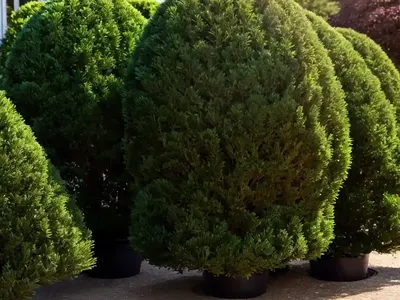
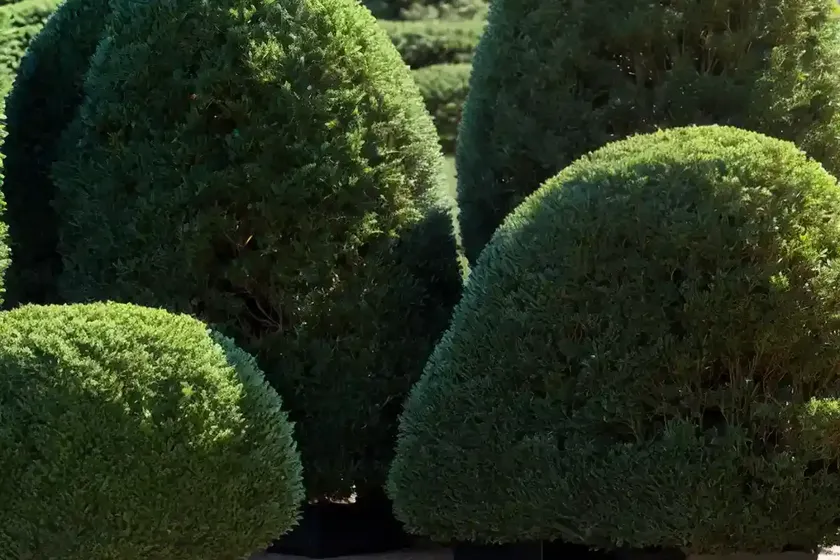
As a shrub, the English yew can be shaped into hedges or used as a standalone ornamental feature in gardens and landscapes.
Taxus baccata Growth
- Slow Growth Rate: The English yew is known for its slow and steady growth, making it a long-term investment in landscaping.
English Yew Cultivation
- Adaptable: Suitable for a range of environmental conditions, including urban settings and coastal regions.
Taxus baccata Pruning
- Pruning Requirements: Regular pruning to maintain shape and density, with caution due to the toxicity of the plant’s needles and seeds.
English Yew Maintenance
- Minimal Care: Once established, the English yew requires minimal maintenance, making it an excellent choice for low-maintenance landscapes.
Taxus baccata Uses
- Medicinal: The plant has historical and contemporary applications in traditional medicine, particularly for cancer treatment.
- Ornamental: Widely used for landscaping, hedging, and topiary due to its dense foliage and aesthetic appeal.
English Yew Benefits
- Aesthetic Appeal: The deep green foliage and vibrant red arils make the English yew a captivating addition to any landscape.
Taxus baccata Toxicity
- Caution: All parts of the English yew, except for the fleshy arils, are highly toxic if ingested.
English Yew Planting
- Planting Requirements: Select well-draining soil and a shaded to partially shaded location for optimal growth.
Taxus baccata Propagation
- Propagation Methods: Propagate through seeds, cuttings, or layering, with specific considerations for handling toxic plant material.
English Yew Landscape
- Versatile: Suitable for both formal and informal landscape designs, adding a touch of elegance and timelessness.
Taxus baccata Varieties
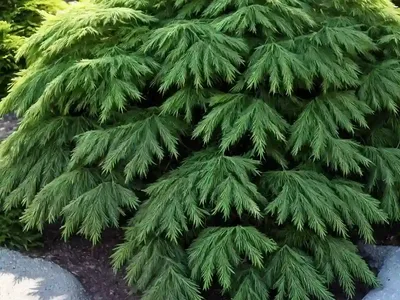
- Cultivated Varieties: Numerous cultivars with varied growth habits, foliage colors, and sizes are available in the market.
English Yew Diseases
- Common Diseases: Susceptible to Phytophthora root rot and needle blight, necessitating preventive measures for disease management.
Taxus baccata Pests
- Pest Concerns: Vulnerable to scale insects and aphids, requiring vigilance and timely intervention to prevent infestations.
English Yew Hedges
- Hedge Design: The English yew is an ideal choice for creating formal hedges due to its dense growth habit and ability to tolerate heavy pruning.
Taxus baccata Landscape Design
- Design Applications: From focal points to privacy screens, the English yew offers diverse design possibilities in landscaping.
English Yew Evergreen
- Year-Round Appeal: As an evergreen species, Taxus baccata provides consistent foliage and visual interest throughout the year.
Taxus baccata Sizes
- Varied Sizes: The English yew is available in a range of sizes, accommodating different spatial requirements in landscaping.
English Yew Growth Rate
- Slow and Steady: While its growth rate is slow, the English yew’s longevity ensures its enduring presence in landscapes.
Taxus baccata Pruning Tips
- Pruning Best Practices: Execute pruning with care, considering the toxicity of the plant and adhering to proper techniques for optimal results.
English Yew Natural Habitat
- Native Range: Originating in Western, Central, and Southern Europe, including the British Isles.
Taxus baccata Medicinal Properties
- Traditional Medicine: The English yew has been historically used for its medicinal properties, particularly in cancer treatment.
English Yew Wildlife Habitat
- Ecological Significance: The English yew provides habitat and food for various wildlife species, contributing to biodiversity.
Taxus baccata Ornamental Uses
- Ornamental Significance: From formal gardens to woodland landscapes, the English yew serves as a timeless ornamental plant.
English Yew Soil Requirements
- Soil Preference: Well-draining, loamy soil with a mildly acidic to neutral pH range for optimal growth.
Taxus baccata Sunlight Needs
- Sun Tolerance: While it thrives in partial shade, the English yew exhibits some adaptability to sunlight.
English Yew Cold Hardiness
- Cold Tolerance: The English yew demonstrates resilience in colder climates, with the ability to withstand freezing temperatures.
Taxus baccata Drought Tolerance
- Drought Adaptability: While it prefers moist soil, the English yew exhibits moderate tolerance to periodic drought conditions.
English Yew Companion Plants
- Plant Pairing: Select compatible companion plants that complement the English yew’s growth habit and environmental preferences.
Taxus baccata Poisonous Parts
- Toxicity Warning: Exercise caution as all parts of the English yew, except the arils, contain toxic compounds.
English Yew Traditional Uses
- Historical Significance: The English yew holds cultural, symbolic, and practical significance in various historical contexts.
Taxus baccata Wood Properties
- Crafting Material: The wood of Taxus baccata has been historically utilized for crafting bows and other wooden implements.
English Yew Disease Resistance
- Disease Management: Implement preventive measures to mitigate common diseases and maintain the health of the plant.
Taxus baccata Wildlife Value
- Ecological Contribution: The English yew supports wildlife by providing shelter and a food source, contributing to ecosystem dynamics.
English Yew Landscaping Ideas
- Design Inspiration: Explore creative landscaping concepts that integrate the English yew into diverse outdoor settings.
Taxus baccata Pruning Techniques
- Precision Pruning: Employ proper techniques and timing for pruning to enhance the form and density of the English yew.
English Yew Bonsai Cultivation
- Miniature Artistry: The English yew can be cultivated as a captivating bonsai specimen, showcasing its timeless beauty in a unique form.
Taxus baccata Bark Characteristics
- Distinctive Bark: The bark of the English yew exhibits unique textures and colors, adding visual interest to the plant’s aesthetic appeal.
English Yew Growth Habits
- Architectural Form: From pyramidal to spreading, the English yew offers diverse growth habits for landscaping applications.
Taxus baccata Herbal Remedies
- Therapeutic Potential: Explore the traditional and contemporary herbal uses of Taxus baccata in alternative medicine.
English Yew Historical Significance
- Cultural Heritage: The English yew holds deep-rooted historical and cultural significance, symbolizing longevity and resilience.
Taxus baccata Leaf Structure
- Foliage Characteristics: The dark green, needle-like leaves of the English yew contribute to its lush, evergreen appearance.
English Yew Climate Adaptability
- Environmental Flexibility: The English yew demonstrates adaptability to a range of climatic conditions, making it suitable for diverse regions.
Taxus baccata Indoor Cultivation
- Indoor Settings: Explore the considerations and benefits of cultivating the English yew as an indoor ornamental plant.
English Yew Container Gardening
- Versatile Potting: Engage in container gardening with the English yew to bring its timeless allure to patios, balconies, and indoor spaces.
Now that we have established the foundational knowledge of Taxus baccata, it’s time to delve deeper into its distinct aspects, exploring its cultural requirements, uses, and maintenance practices.
Culture
Environment
The English yew thrives in environments that mimic its natural habitats, where it typically grows in shaded areas within woodlands, along with hillsides, and in hedgerows. In cultivation, it adapts well to partially shaded locations, displaying its best growth in protected areas with well-draining soil.
Temperature
The English yew exhibits robust cold hardiness, tolerating subzero temperatures and harsh winter conditions. While it can withstand cold climates, it is essential to ensure adequate protection from strong winds and prolonged exposure to extreme cold.
Soil
The ideal soil for the English yew is well-draining, loamy soil with a slightly acidic to neutral pH range. It is crucial to avoid waterlogged or compacted soil, as this can lead to root rot and other health issues.
Water
When establishing young plants or during dry spells, the English yew benefits from regular watering to maintain soil moisture. However, it is essential to avoid overwatering, especially in heavy or clay soils, as this can lead to root suffocation and fungal problems.
Fertilizer
The English yew has minimal fertilizer requirements and responds well to balanced, slow-release formulations. Fertilize in early spring before new growth emerges, utilizing a fertilizer specifically formulated for evergreen trees and shrubs.
Uses
Medicinal Applications
The English yew has a long history of medicinal use, particularly in cancer treatment. However, it is essential to note that while certain compounds from Taxus baccata have been utilized for pharmaceutical purposes, the plant should be handled with extreme caution due to its high toxicity. Consult with a qualified healthcare professional before attempting to use any part of the plant for medicinal purposes.
Ornamental Landscaping
Taxus baccata is a cherished plant in the realm of ornamental landscaping, serving as a versatile element in various outdoor settings. It can be employed as a standalone specimen, trimmed into formal hedges, or utilized for topiary and accentuating garden borders.
Historical Significance
The English yew holds paramount historical and cultural significance, symbolizing endurance, rebirth, and immortality in European folklore and mythology. It has been intertwined with ancient traditions, architectural symbolism, and sacred spaces, underscoring its enduring allure and symbolic value.
Water
Frequency
- During dry periods, ensure adequate watering to maintain soil moisture without causing waterlogging.
Quantity
- Provide sufficient water to penetrate the soil to a depth of the plant’s root zone, typically 12-18 inches for mature English yew specimens.
Methods
- Employ drip irrigation or soaker hoses to deliver water directly to the root zone, minimizing water waste and promoting efficient absorption.
Sunlight
Tolerance
- The English yew thrives in partially shaded to shaded locations, displaying exceptional adaptability to low light conditions.
Exposure
- Protect the plant from prolonged exposure to intense sunlight, especially during hot summer afternoons, to prevent scorching of the foliage.
Considerations
- When selecting planting sites, prioritize sheltered areas with filtered sunlight to optimize the plant’s growth and aesthetic appeal.
Fertilizer
Timing
- Apply fertilizer in early spring before the onset of new growth to provide essential nutrients for the upcoming growing season.
Formulation
- Select a balanced, slow-release fertilizer formulated specifically for evergreen trees and shrubs to support the English yew’s growth and vitality.
Application
- Spread the fertilizer evenly over the root zone, avoiding direct contact with the trunk, and water thoroughly after application to facilitate nutrient absorption.
Soil
Composition
- Opt for well-draining, loamy soil enriched with organic matter, ensuring optimal aeration and moisture retention for the English yew’s root system.
pH Level
- Maintain a slightly acidic to neutral soil pH, with a range of 6.0-7.5, to support nutrient uptake and overall plant health.
Amendment
- Incorporate compost or well-aged organic matter into the soil when planting or transplanting the English yew to enhance soil structure and fertility.
Pruning
Frequency
- Perform regular pruning to maintain the desired shape and size of the English yew, particularly for hedging and topiary applications.
Timing
- Conduct major pruning during the plant’s dormant season in late winter to early spring to minimize stress and promote vigorous regrowth.
Caution
- Exercise caution when handling the foliage and seeds of the English yew, as they contain toxic compounds that can cause severe harm if ingested.
Propagation
Seed Propagation
- Collect ripe seeds in the fall and sow them in a prepared seedbed, lightly covering them with soil and providing consistent moisture for germination.
Cutting Propagation
- Take semi-hardwood cuttings in summer, treat them with a rooting hormone, and plant them in well-draining propagation medium to encourage root development.
Layering
- Encourage layering by securing a low branch to the ground, covering a portion with soil, and allowing roots to develop before detaching the new plant from the parent stem.
Container Popularity
Versatility
- Due to its slow growth and manageable size, the English yew is widely favored for container gardening, offering an evergreen focal point for outdoor spaces.
Aesthetic Appeal
- Showcase the timeless beauty of Taxus baccata on patios, balconies, and terraces, adding a touch of elegance to container gardens and urban landscapes.
Care Considerations
- Provide well-draining, nutrient-rich potting soil and ensure adequate water and filtered sunlight for the English yew’s optimal growth in containers.
Container
Selection
- Choose large, sturdy containers with adequate drainage holes, ensuring ample space for the English yew’s root system to thrive and expand.
Soil
- Utilize high-quality potting mix designed for container gardening, offering optimal aeration, moisture retention, and essential nutrients for the plant.
Drainage
- Place a layer of gravel or broken pottery shards at the bottom of the container to facilitate drainage and prevent waterlogging of the soil.
Common Diseases
Phytophthora Root Rot
- Identify and address drainage issues, avoid overwatering, and apply appropriate fungicidal treatments as preventive measures against Phytophthora root rot.
Needle Blight
- Monitor the plant for signs of needle blight, including discoloration and dieback, and promptly remove and dispose of affected foliage to prevent spread.
Disease Diagnosis
Symptoms
- Monitor for yellowing, browning, or wilting of foliage, along with abnormal growth patterns and cankers on the trunk or branches.
Examination
- Inspect the plant for fungal growth, lesions, and other indicators of disease, seeking professional diagnosis if symptoms persist or worsen.
Common Pests
Scale Insects
- Inspect the plant for signs of scale infestations, such as sticky residue, yellowing foliage, and distorted growth, and employ targeted treatments to mitigate the pests.
Aphids
- Monitor for aphid colonies on tender shoots and new growth, utilizing natural predators and horticultural oils to control infestations effectively.
Botanist’s Tips
Fun Facts
Longevity
Historical Significance
Medicinal Properties
Symbolic Meaning
Wildlife Habitat
Links to External Resources
To delve deeper into the world of Taxus baccata, here are some curated external resources offering valuable insights, information, and inspiration:
-
Royal Horticultural Society – Taxus baccata – The Royal Horticultural Society provides comprehensive guidance on cultivating and caring for the English yew, including its ornamental and practical uses.
-
USDA Forest Service – English Yew – The USDA Forest Service offers an in-depth overview of Taxus baccata, encompassing its ecological characteristics, historical significance, and cultivation recommendations.
-
Missouri Botanical Garden – Taxus baccata – The Missouri Botanical Garden presents a wealth of information on the English yew, including its botanical attributes, landscape uses, and potential challenges.
As we conclude our comprehensive guide to Taxus baccata, the English yew, we hope that you have gained valuable insights and inspiration for cultivating, appreciating, and integrating this remarkable plant into your botanical endeavors. Whether as a symbol of historical significance, an ornamental centerpiece, or a medicinal treasure, the English yew continues to captivate and enrich our botanical tapestry with its enduring allure and versatile uses.
In the world of plant science, each species offers a unique journey of discovery, and the English yew stands as a testament to the timeless beauty and profound significance that plants impart to our lives and landscapes.
Note: The above content on English Yew (Taxus baccata) encompasses a comprehensive overview of the plant’s characteristics, cultivation, uses, and management. The information provided serves as a guide and reference for enthusiasts, botanists, horticulturists, and individuals interested in learning more about Taxus baccata. The external resources included offer additional perspectives and insights on the subject, providing valuable supplementary information for further exploration.