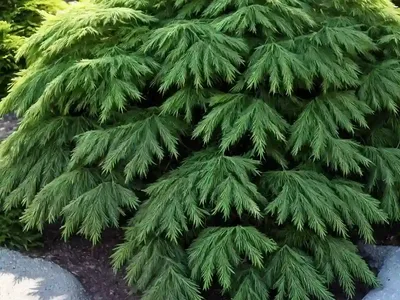
English Yew (Taxus Baccata ‘Amersfoort’)
Humans have long been fascinated by the diversity and beauty of plants. The English yew, scientifically known as Taxus baccata ‘Amersfoort’, is one such.



Introduction
Humans have long been fascinated by the diversity and beauty of plants. The English yew, scientifically known as Taxus baccata ‘Amersfoort’, is one such plant that has captured the imagination of gardeners, botanists, and nature enthusiasts for centuries. In this comprehensive guide, we will delve into the world of the English yew, exploring its culture, uses, maintenance, and much more. Whether you are a novice gardener or an experienced horticulturist, there is something to learn and appreciate about this remarkable plant.
What is the English Yew?
The English yew, Taxus baccata ‘Amersfoort’, is a versatile and visually striking evergreen shrub or tree that is native to the cooler regions of Europe, including the United Kingdom and parts of Asia. It belongs to the Taxaceae family and is renowned for its dark green foliage, red berries, and a rich cultural and historical significance.
Key Takeaways – English Yew (Taxus baccata ‘Amersfoort’)
Before we delve deeper into the various aspects of the English yew, let’s take a brief look at the key takeaways associated with this fascinating plant.
English Yew ‘Amersfoort’ – Key Takeaways
- Taxus baccata ‘Amersfoort’ is a cultivar of the English yew known for its ornamental value.
- This variety is revered for its cultural significance and is often used in landscaping and garden design.
- Understanding its cultural requirements, uses, and maintenance is essential for its successful cultivation.
- The English Yew ‘Amersfoort’ requires specific care in terms of water, sunlight, fertilizer, soil, and pruning.
- It is crucial to be aware of common pests and diseases that may affect the plant and their respective management strategies.
Culture of the English Yew
Cultivating the English yew requires an understanding of its cultural needs, including water, sunlight, fertilizer, soil, and pruning. Let’s explore each of these aspects in detail.
Water
The English yew prefers well-draining soil and does not tolerate waterlogged conditions. While it is crucial to keep the soil consistently moist, overwatering can lead to root rot and other detrimental effects. It is advisable to water the plant deeply but infrequently, allowing the soil to partially dry out between watering sessions.
Sunlight
When it comes to sunlight, the English yew displays a preference for partial to full shade. While it can tolerate some sun, especially in cooler climates, prolonged exposure to intense sunlight can lead to leaf burn and overall stress on the plant. Hence, it is best grown in locations with dappled sunlight or partial shade.
Fertilizer
Appropriate fertilization is essential for promoting healthy growth and foliage color in the English yew. A balanced, slow-release fertilizer applied in the spring can provide the necessary nutrients for the plant. It is advisable to avoid excessive fertilization, as this can lead to rapid growth and potential susceptibility to pests and diseases.
Soil
The English yew thrives in well-drained, slightly acidic to neutral soil. It is adaptable to various soil types, including loamy, sandy, and clay soils, as long as they provide adequate drainage. Amending the soil with organic matter can enhance its texture and nutrient-holding capacity, contributing to the overall health of the plant.
Pruning
Pruning is an essential aspect of English yew maintenance, contributing to its shape, density, and overall aesthetic appeal. Regular pruning helps control the size of the plant and encourages new growth. It is advisable to prune the plant in late winter or early spring before the onset of new growth to minimize stress and promote vigorous regrowth.
Uses of the English Yew
The English yew is valued for its diverse uses, ranging from its ornamental and aesthetic appeal to its historical and cultural significance. Let’s explore the various uses of the English yew in detail.
Ornamental Value
The English yew, including the ‘Amersfoort’ variety, is highly prized for its ornamental value in landscaping and garden design. Its dense, dark green foliage and attractive red berries add a touch of elegance and sophistication to any garden setting. It is often used as a specimen plant, hedge, or border plant, contributing to the overall visual appeal of the landscape.
Historical and Cultural Significance
Beyond its ornamental value, the English yew holds a rich historical and cultural significance. It has been associated with various traditions, folklore, and symbolic meanings throughout history. In some cultures, it is revered for its longevity and resilience, often found in old churchyards and sacred sites. Understanding its cultural context adds an extra layer of appreciation for this remarkable plant.
Propagation of the English Yew
Propagation is a crucial aspect of plant cultivation, allowing for the expansion of the plant population. The English yew can be propagated through various methods, including seed propagation and vegetative propagation, each with its unique advantages and considerations.
Seed Propagation
While seed propagation is possible with the English yew, it is important to note that the seeds are encased in a fleshy, toxic fruit known as an aril. The seeds require a period of cold stratification to break dormancy and germinate successfully. This process can be time-consuming and may result in genetic variability, making it less popular for propagating specific cultivars such as ‘Amersfoort’.
Vegetative Propagation
Vegetative propagation methods, such as stem cuttings and layering, are preferred for propagating specific cultivars like ‘Amersfoort’. Stem cuttings taken during the active growing season can root readily under controlled conditions, providing genetic uniformity and preserving the desirable characteristics of the parent plant. Layering, where a portion of a stem is encouraged to root while still attached to the parent plant, is another effective method for propagating the English yew.
Common Diseases and Pests
Like any plant, the English yew is susceptible to certain diseases and pests that can affect its health and vigor. Recognizing the signs and symptoms of common diseases and pests is crucial for implementing timely management strategies. Let’s explore some of the common diseases and pests associated with the English yew and their respective management approaches.
Common Diseases
Cylindrocladium Rotundum
Cylindrocladium rotundum, also known as box blight, is a fungal disease that affects various ornamental plants, including the English yew. It manifests as leaf spotting, dieback, and overall decline in plant health. Management strategies involve maintaining good air circulation, sanitation practices, and, in severe cases, the application of fungicidal sprays.
Phytophthora Root Rot
Phytophthora root rot is a soil-borne pathogen that can affect the root system of the English yew, leading to wilting, decline, and potential death of the plant. Implementing proper drainage, avoiding overwatering, and using disease-resistant cultivars can help mitigate the risk of Phytophthora root rot.
Pest Infestations
Scale Insects
Scale insects are a common pest of the English yew, feeding on the plant sap and causing yellowing of the foliage, stunted growth, and overall weakening of the plant. Neem oil or horticultural oil applications can help control scale infestations, along with the introduction of natural predators such as ladybugs and lacewings.
Yew Gall Midge
The yew gall midge is a small fly that lays its eggs on the tender shoots of the English yew, leading to the formation of galls and stunted growth. Pruning affected areas and applying insecticidal soap during the early stages of infestation can help manage yew gall midge populations effectively.
Botanist’s Tips for Growing the English Yew
As a plant scientist, I have gathered valuable insights and tips for successfully growing and maintaining the English yew, including the ‘Amersfoort’ variety. These tips, based on scientific knowledge and practical experience, can help enthusiasts and horticulturists make informed decisions and ensure the optimal health and vitality of their plants.
Botanist’s Tips for Success
-
Selecting the Right Location: Place the English yew in a location with partial to full shade, providing protection from intense sunlight and harsh environmental conditions.
-
Optimizing Soil Conditions: Ensure the soil is well-drained, moderately moist, and supplemented with organic matter to promote healthy root development and overall plant vigor.
-
Pruning Considerations: Adopt a regular pruning schedule, focusing on maintaining the desired shape, density, and size of the plant while minimizing stress.
-
Disease and Pest Monitoring: Routinely inspect the plant for signs of diseases and pests, implementing preventive measures and targeted treatments as necessary.
-
Appropriate Fertilization: Use a balanced, slow-release fertilizer in the spring to provide the necessary nutrients without promoting excessive growth.
By integrating these botanist’s tips into the care and maintenance of the English yew, enthusiasts can cultivate thriving plants with enhanced aesthetics and vitality.
Fun Facts About the English Yew
Understanding the fun and intriguing aspects of the English yew adds a layer of fascination and appreciation for this remarkable plant. Let’s explore some fun facts that shed light on the unique characteristics and historical significance of the English yew.
Fascinating Tidbits
- Historical Symbolism: The English yew has been associated with longevity and resilience, often found in ancient churchyards and ceremonial sites, symbolizing endurance and continuity.
- Toxicity: While the red berries of the English yew are visually striking, it is important to note that they are highly toxic if ingested. Care should be taken to prevent accidental consumption by humans and pets.
- Cultural Significance: The wood of the English yew has been prized for crafting longbows, a tradition that extends back to ancient times, showcasing its historical importance in weaponry and craftsmanship.
Links to External Resources
For individuals seeking further information and resources related to the English yew, including the ‘Amersfoort’ variety, I have curated a list of external links that provide valuable insights, care guidelines, and historical context.
External Resources
- Royal Horticultural Society (RHS): The RHS offers comprehensive information on the cultivation, uses, and maintenance of the English yew, including specific guidance on the ‘Amersfoort’ variety (RHS, 2021).
- Missouri Botanical Garden: The Missouri Botanical Garden provides detailed botanical descriptions and cultivation tips for Taxus baccata ‘Amersfoort’, aiding enthusiasts in understanding its characteristics and growth requirements (Missouri Botanical Garden, n.d.).
- The American Conifer Society: For individuals interested in coniferous plants, the American Conifer Society offers valuable insights into the landscape uses and design potential of Taxus baccata ‘Amersfoort’, highlighting its role in garden aesthetics and composition (The American Conifer Society, n.d.).
These external resources serve as valuable references for enthusiasts, horticulturists, and researchers looking to deepen their understanding of the English yew and its ‘Amersfoort’ variety.
Conclusion
In conclusion, the English yew, with its rich history, ornamental beauty, and versatile uses, stands as a plant of immense cultural and botanical significance. By delving into its cultural requirements, propagation methods, and management strategies for diseases and pests, enthusiasts and horticulturists can cultivate thriving English yew plants, including the sought-after ‘Amersfoort’ variety. With an appreciation for its historical symbolism and a commitment to its care and maintenance, the English yew continues to captivate and enrich our botanical landscapes.