Lavandula Angustifolia ‘Thumbelina Leigh’ (Lavender)
Lavandula angustifolia ‘Thumbelina Leigh’ is one of the most sought-after varieties of lavender due to its compact growth habit, aromatic flowers, and.
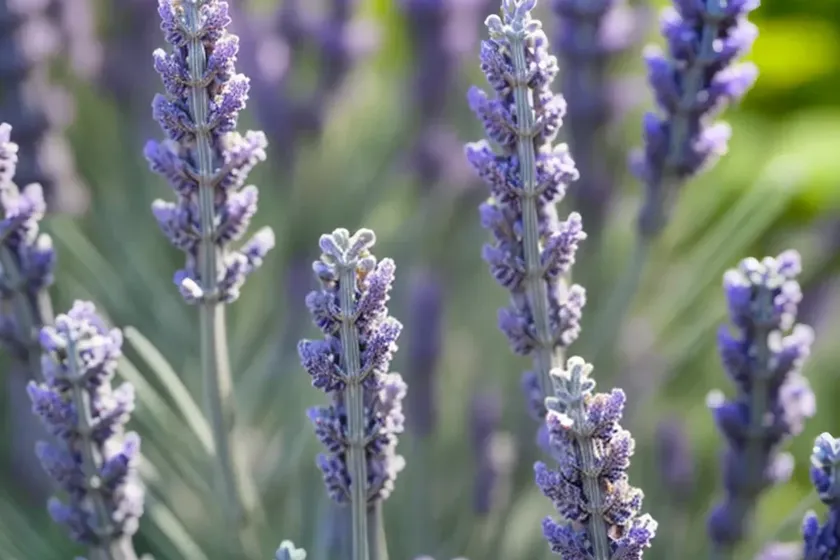
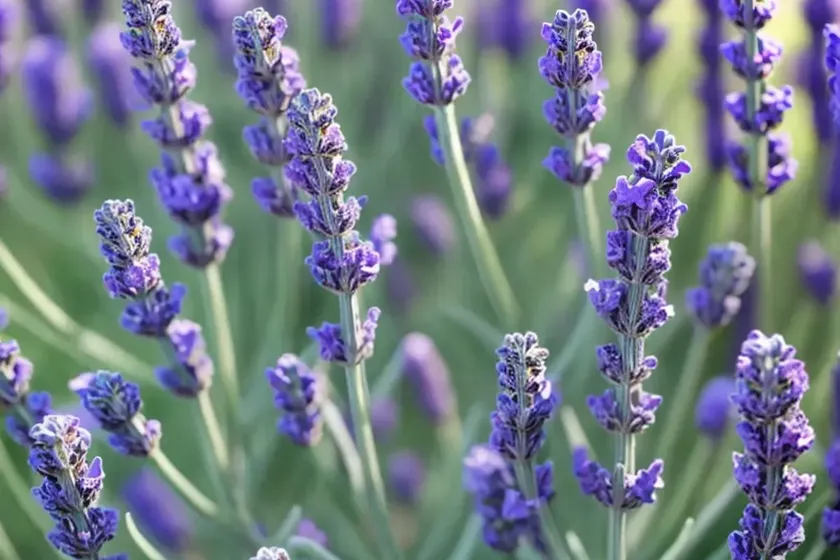
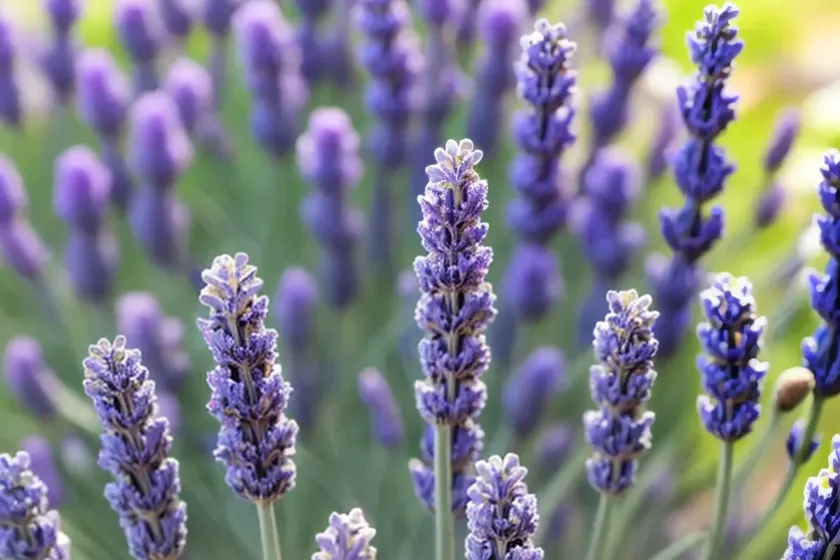
Lavandula angustifolia ‘Thumbelina Leigh’ is one of the most sought-after varieties of lavender due to its compact growth habit, aromatic flowers, and versatility as a garden plant. In this comprehensive guide, we will delve into the intricate details of this cultivar, exploring its characteristics, cultivation requirements, uses, and much more.
What is Lavandula angustifolia ‘Thumbelina Leigh’?
Lavandula angustifolia, commonly known as English lavender or true lavender, is a perennial herb that belongs to the Lamiaceae family. ‘Thumbelina Leigh’ is a specific cultivar of Lavandula angustifolia, treasured for its diminutive size and bountiful blooms.
This variety is characterized by its compact growth, reaching a mature height of around 10 to 12 inches and spreading up to 12 to 18 inches. The foliage is notably aromatic, emitting the classic lavender fragrance that is beloved by gardeners and enthusiasts alike.
Lavandula angustifolia ‘Thumbelina Leigh’ is renowned for its profusion of dainty, violet-blue flowers that adorn the plant during the summer months. These charming blooms not only add visual appeal to the garden but also attract pollinators, making it a valuable addition to any pollinator-friendly landscape.
This captivating cultivar is a versatile plant that can be utilized in various garden settings, from traditional herb gardens to ornamental borders and container displays. Its adaptability and ornamental value have solidified its status as a favorite among lavender enthusiasts and horticulturists.
Key Takeaways – Lavandula angustifolia ‘Thumbelina Leigh’ (Lavender)
Before we delve into the specifics of cultivating and caring for Lavandula angustifolia ‘Thumbelina Leigh,’ let’s outline the key takeaways of this remarkable lavender variety.
- Compact growth habit, reaching a mature height of 10 to 12 inches.
- Spread of approximately 12 to 18 inches.
- Dainty, violet-blue flowers that bloom profusely during the summer.
- Aromatic foliage with the classic lavender fragrance.
- Versatile and suitable for various garden settings, including containers, borders, and herb gardens.
- Attracts pollinators, making it a valuable addition to pollinator-friendly landscapes.
Now that we have established an overview of this captivating lavender variety, let’s delve into the specifics of its cultivation, care requirements, uses, and more.
Culture
Cultivating Lavandula angustifolia ‘Thumbelina Leigh’ requires a fundamental understanding of its cultural requirements, including aspects such as watering, sunlight exposure, soil composition, and fertilization. By adhering to these cultural guidelines, you can ensure the healthy growth and prolific blooming of this delightful lavender variety.
Uses
Lavandula angustifolia ‘Thumbelina Leigh’ is renowned for its multifaceted uses, ranging from ornamental and aromatic to culinary and medicinal. Understanding the diverse applications of this cultivar allows you to leverage its potential in various contexts, from enhancing the visual appeal of your garden to harnessing its aromatic and therapeutic properties.
Water
Watering is a critical aspect of Lavandula angustifolia ‘Thumbelina Leigh’ care, especially during the establishment phase and the active growing season. However, excessive moisture and waterlogged conditions can be detrimental to the plant’s health. Striking a balance in watering frequency and maintaining well-draining soil is essential for the optimal growth and vitality of this lavender variety.
Sunlight
As a sun-loving plant, Lavandula angustifolia ‘Thumbelina Leigh’ thrives in full sunlight. Providing adequate sunlight exposure is crucial for stimulating flowering and enhancing the fragrance of the foliage. Understanding the sunlight requirements of this cultivar enables you to create an environment conducive to its flourishing growth and abundant blooms.
Fertilizer
Fertilization plays a pivotal role in nourishing Lavandula angustifolia ‘Thumbelina Leigh’ and promoting robust growth and prolific flowering. However, excessive fertilization can lead to adverse effects. By adhering to appropriate fertilization practices and understanding the nutritional needs of this lavender variety, you can optimize its performance and overall health.
Soil
The soil composition significantly impacts the growth and vigor of Lavandula angustifolia ‘Thumbelina Leigh.’ Well-draining, sandy or loamy soils that are slightly alkaline are ideal for this cultivar. Understanding the soil preferences and optimizing the growing medium accordingly is instrumental in creating a conducive environment for the successful cultivation of this lavender variety.
Pruning
Pruning is an essential practice for maintaining the compact and tidy appearance of Lavandula angustifolia ‘Thumbelina Leigh,’ as well as stimulating continuous blooming. By mastering the art of pruning and understanding the appropriate timing and techniques, you can ensure the aesthetic appeal and vitality of this lavender cultivar.
Propagation
Understanding the propagation techniques for Lavandula angustifolia ‘Thumbelina Leigh’ empowers you to multiply and propagate this captivating lavender variety, either for personal enjoyment or commercial purposes. From sowing seeds to utilizing vegetative propagation methods, exploring the various propagation avenues allows you to expand your collection of these charming plants.
Container Popularity
Lavandula angustifolia ‘Thumbelina Leigh’ is a popular choice for container gardening, attributed to its compact size and ornamental value. Cultivating this lavender variety in containers offers versatility and flexibility in garden design, as well as the opportunity to enjoy its delightful blooms and fragrance in confined spaces.
Container Common Diseases
While Lavandula angustifolia ‘Thumbelina Leigh’ exhibits resilience to many common plant diseases, certain issues such as root rot and fungal infections can impact its health in container settings. Understanding the potential diseases and implementing preventive measures is crucial for maintaining the vitality of this lavender variety in container gardens.
Disease Diagnosis
Accurately diagnosing and addressing potential diseases and issues is integral to preserving the health and vigor of Lavandula angustifolia ‘Thumbelina Leigh.’ By familiarizing yourself with the symptoms of common diseases and understanding effective disease management strategies, you can safeguard this lavender variety from detrimental health complications.
Common Pests
While Lavandula angustifolia ‘Thumbelina Leigh’ is relatively resistant to pests, occasional encounters with aphids, spider mites, and other common garden pests may occur. Recognizing the signs of pest infestation and implementing appropriate pest control measures ensures the protection of this lavender cultivar from pest-related damages.
Botanist’s Tips
As a botanist, I have garnered invaluable insights and practical wisdom about cultivating and caring for Lavandula angustifolia ‘Thumbelina Leigh.’ Here are some expert tips and recommendations to help you nurture this captivating lavender variety with confidence and success.
-
Optimal Planting Time: Plant Lavandula angustifolia ‘Thumbelina Leigh’ in the spring after the last frost date in your region, allowing it to establish and flourish during the active growing season.
-
Well-Draining Soil: Ensure that the soil is well-draining to prevent waterlogging, as excessive moisture can compromise the health of ‘Thumbelina Leigh’ lavender.
-
Mulching Benefits: Apply a layer of organic mulch around the base of the plant to conserve soil moisture, regulate temperature, and suppress weed growth.
-
Sunlight Maximization: Position ‘Thumbelina Leigh’ lavender in a location that receives full sunlight for optimal flowering and fragrance development.
-
Strategic Pruning: Engage in regular pruning to maintain the compact shape of the plant and encourage continuous blooming throughout the growing season.
-
Watering Moderation: Avoid overwatering, especially in container-grown specimens, as Lavandula angustifolia ‘Thumbelina Leigh’ thrives in slightly drier conditions.
Fun Facts
Uncovering intriguing and stimulating facts about Lavandula angustifolia ‘Thumbelina Leigh’ enhances your appreciation for this captivating lavender variety. Here are some delightful and noteworthy fun facts that add a touch of fascination to your lavender journey.
-
Aromatic Potpourri: The fragrant flowers and foliage of ‘Thumbelina Leigh’ lavender are often utilized in potpourri blends, emanating a delightful lavender fragrance.
-
Culinary Enrichment: The flowers of Lavandula angustifolia ‘Thumbelina Leigh’ are prized for their culinary applications, infusing dishes and desserts with a subtle lavender essence.
-
Therapeutic Infusions: Lavender tea brewed from the flowers of ‘Thumbelina Leigh’ lavender offers soothing and calming properties, ideal for promoting relaxation and wellness.
-
Aromatic Revelations: Distilling the flowers of Lavandula angustifolia ‘Thumbelina Leigh’ yields a high-quality lavender essential oil, valued for its aromatherapy and wellness benefits.
Links to External Resources
To enrich your understanding and exploration of Lavandula angustifolia ‘Thumbelina Leigh,’ I have curated a selection of reputable and informative external resources that offer valuable insights, practical guidance, and captivating perspectives on this esteemed lavender variety.
- Royal Horticultural Society – Lavandula angustifolia ‘Thumbelina Leigh’
- The Spruce – Growing and Caring for Lavender Plants
- University of Nebraska-Lincoln – Lavender Production, Products, Markets, and Entertainment Farming
- American Society for the Prevention of Cruelty to Animals – Lavender Poisoning in Dogs
- University of Florida IFAS Extension – Botany of Lavenders
In conclusion, Lavandula angustifolia ‘Thumbelina Leigh’ stands as an enchanting and versatile lavender cultivar, revered for its compact stature, aromatic allure, and multifaceted uses. By immersing yourself in the nuances of its cultivation, care, and diverse applications, you can cultivate a profound appreciation for this captivating lavender variety and embark on a fulfilling journey of lavender horticulture.
From understanding its cultural requirements and propagation techniques to embracing its ornamental, aromatic, and culinary uses, Lavandula angustifolia ‘Thumbelina Leigh’ invites you into a realm of beauty, fragrance, and botanical fascination. As you embark on your lavender journey, may the charm and allure of ‘Thumbelina Leigh’ lavender infuse your garden and your life with an abundance of captivating moments and aromatic delights.


