Youpon Holly (Ilex Vomitoria)
Plants are an integral part of our environment, providing aesthetic appeal, ecological benefits, and practical uses. Among the diverse array of plant.
Introduction
Plants are an integral part of our environment, providing aesthetic appeal, ecological benefits, and practical uses. Among the diverse array of plant species, the Youpon Holly, scientifically known as Ilex Vomitoria, stands out for its remarkable characteristics and versatile applications. In this comprehensive guide, we will delve into the various aspects of the Youpon Holly, exploring its cultural requirements, uses, care tips, and ecological significance. Whether you are a gardening enthusiast, a landscaping professional, or a nature lover, this article aims to equip you with a deeper understanding of this resilient evergreen plant.
What is Youpon Holly (Ilex Vomitoria)?
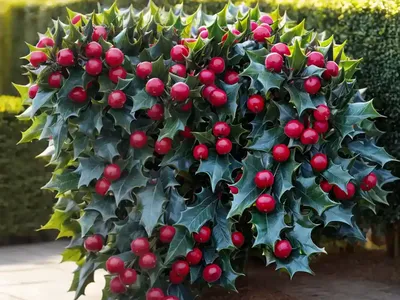
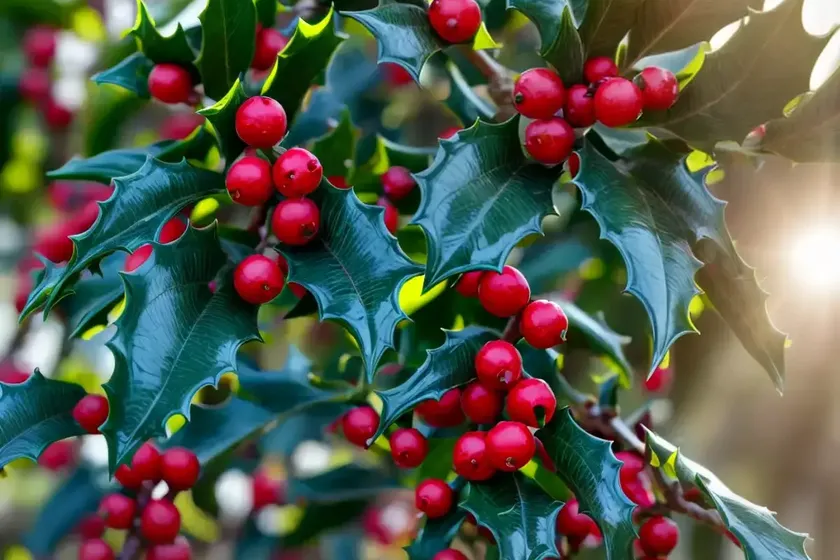
The Youpon Holly, also referred to as Ilex Vomitoria, is a species of holly native to the southeastern United States. It is a member of the Aquifoliaceae family, which includes numerous holly species known for their glossy, evergreen foliage and decorative berries. The Youpon Holly is characterized by its small, leathery leaves and vibrant red berries, making it a popular choice for ornamental landscaping and ecological restoration projects.
Key Takeaways – Youpon Holly (Ilex Vomitoria)
Before we delve deeper into the specific aspects of the Youpon Holly, let’s highlight some key takeaways that will be covered in this guide:
- Youpon Holly (Ilex Vomitoria):
- Overview of the plant species and its botanical characteristics
- Culture:
- Examination of the cultural requirements of Youpon Holly, including water, sunlight, and soil preferences
- Uses:
- Exploration of the practical and ecological applications of Youpon Holly
- Water:
- Guidelines for watering Youpon Holly and addressing its water requirements
- Sunlight:
- Understanding the sunlight preferences and needs of Youpon Holly
- Fertilizer:
- Recommendations for fertilizing Youpon Holly for optimal growth and health
- Soil:
- Insights into the ideal soil conditions for cultivating Youpon Holly
- Pruning:
- Techniques for pruning Youpon Holly to maintain its shape and promote robust growth
- Propagation:
- Methods for propagating Youpon Holly to expand its presence in gardens and landscapes
- Container Popularity:
- Discussion on the suitability of Youpon Holly for container gardening
- Common Diseases:
- Identification and management strategies for common diseases that affect Youpon Holly
- Common Pests:
- Recognition of prevalent pests that may target Youpon Holly and measures for pest control
- Botanist’s Tips:
- Expert recommendations and insights for cultivating and caring for Youpon Holly
- Fun Facts:
- Fascinating and lesser-known facts about Youpon Holly that enrich our appreciation for this plant
- Links to External Resources:
- Additional references and resources for further exploration of Youpon Holly and related topics
With these key takeaways in mind, let’s embark on a detailed exploration of the Youpon Holly, gaining valuable insights into its characteristics, care requirements, and diverse uses.
What is Youpon Holly (Ilex Vomitoria)?
Botanical Characteristics
Youpon Holly, scientifically known as Ilex Vomitoria, is a versatile evergreen plant that exhibits several distinctive botanical features. Understanding these characteristics is essential for appreciating its ecological role and cultivation requirements.
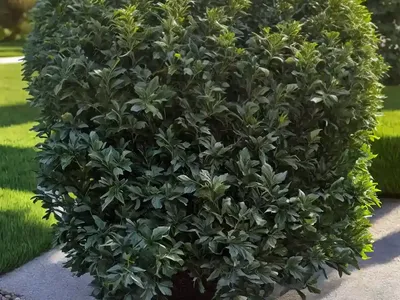
- Growth Habit: Youpon Holly typically assumes a multi-branched, compact growth habit, forming dense thickets or shrubby stands. In its natural habitat, it can grow as a small tree or large shrub, reaching a height of 15 to 25 feet.
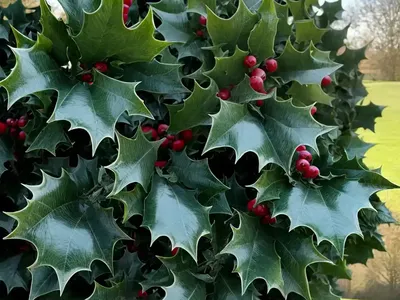
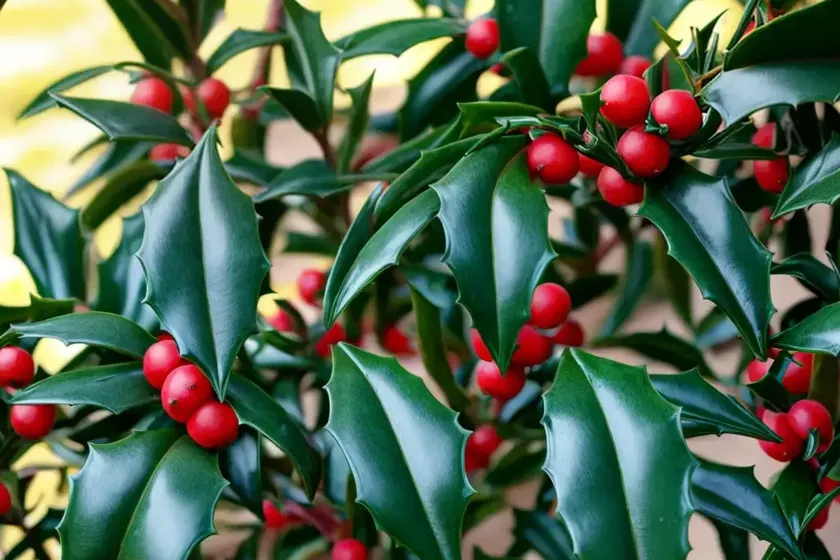
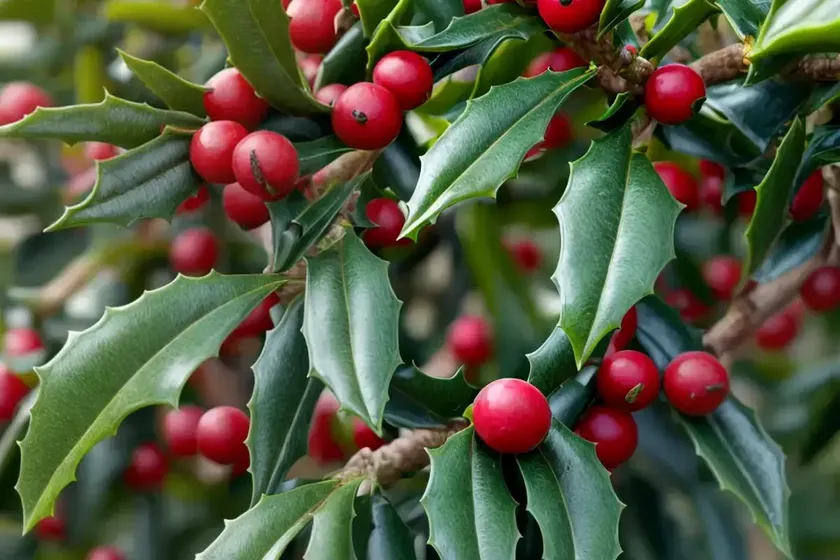
- Foliage: The glossy, leathery leaves of Youpon Holly are dark green and possess serrated edges, lending a visually appealing texture to the plant. The evergreen nature of its foliage ensures year-round aesthetic appeal.
- Flowers: The plant produces inconspicuous, small white flowers, which bloom in spring and add a delicate charm to the landscape. While individually subtle, the collective effect of the blossoms contributes to the overall attractiveness of the plant.
- Berries: One of the most striking features of Youpon Holly is its bright red berries, which adorn the plant during the fall and winter seasons. These berries are an essential food source for various wildlife species, enhancing the ecological value of the plant.
- Toxicity: It is important to note that while the bright red berries of Youpon Holly serve as a valuable wildlife food source, they are toxic to humans when ingested. The berries contain compounds such as theobromine and caffeine, making them inedible and potentially harmful.
Ecological Significance
Beyond its ornamental value, Youpon Holly plays a significant ecological role within its native habitat and in cultivated landscapes. Understanding the ecological benefits of this plant underscores its importance in promoting biodiversity and supporting wildlife populations.
- Wildlife Habitat: Youpon Holly serves as a vital food source for numerous bird species, including robins, thrashers, and mockingbirds, which feed on the berries. This relationship between the plant and wildlife contributes to the overall biodiversity of the ecosystem.
- Drought Tolerance: One of the notable ecological traits of Youpon Holly is its remarkable drought tolerance. This feature makes it well-suited for arid and semi-arid environments, where it can thrive with minimal water resources.
- Coastal Adaptability: The plant exhibits adaptability to coastal environments, where it can withstand salt spray and sandy soils. This resilience makes it a valuable component of coastal landscaping and restoration projects.
- Natural Pest Control: Youpon Holly possesses certain natural compounds and physical attributes that make it less susceptible to pest infestations, contributing to its capacity to support a balanced, pest-resistant ecosystem.
Given its diverse botanical characteristics and ecological significance, Youpon Holly emerges as a plant of immense horticultural and ecological value. The following sections will delve into specific aspects of its cultivation, care, and applications, providing actionable insights for enthusiasts and professionals alike.
Cultivation and Care of Youpon Holly
Water
Proper watering is essential for establishing and maintaining healthy Youpon Holly plants. Understanding the water requirements and best practices for watering this species is key to promoting vigorous growth and overall vitality.
Watering Guidelines
- Established Plants: Once established, Youpon Holly exhibits good drought tolerance and can thrive with minimal supplemental watering. However, during prolonged dry spells, particularly in the absence of natural rainfall, it is advisable to provide adequate irrigation to support the plant’s health.
- Young Plants: Newly planted Youpon Holly specimens require more frequent watering to facilitate root establishment. Regular monitoring of soil moisture and consistent watering during the initial growth phase are crucial for ensuring successful establishment.
- Soil Moisture: While Youpon Holly can tolerate brief periods of dry soil, it is important to maintain consistent soil moisture, particularly during the growing season. However, avoid overwatering, as excessive moisture can lead to root rot and other detrimental conditions.
Sunlight
As an evergreen plant, Youpon Holly relies on adequate sunlight to support photosynthesis and overall growth. Understanding its sunlight preferences and requirements is essential for selecting suitable planting locations and ensuring optimal performance.
Sunlight Preferences
- Full Sun: Youpon Holly thrives in full sun exposure, defined as at least six hours of direct sunlight per day. When planted in locations with ample sunlight, the plant develops sturdy, compact growth and robust foliage.
- Partial Shade: While Youpon Holly prefers full sun, it can tolerate partial shade, particularly in regions with intense afternoon sunlight or during periods of extreme heat. In partial shade, the plant may exhibit slightly less dense growth but generally maintains its vigor and ornamental appeal.
Fertilizer
Fertilization plays a crucial role in enhancing the growth and vitality of Youpon Holly, providing essential nutrients that support foliage development and berry production. Understanding the appropriate fertilizer application and timing is essential for promoting optimal plant health.
Fertilization Guidelines
- Nutrient Requirements: Youpon Holly benefits from a balanced, slow-release fertilizer that provides essential nutrients such as nitrogen, phosphorus, and potassium. Select a fertilizer formulation specifically designed for broadleaf evergreen plants to ensure appropriate nutrient availability.
- Application Timing: Apply fertilizer in early spring, just before new growth emerges, to support robust foliage development. Avoid late-season fertilization, as this can stimulate late growth that may be susceptible to winter damage in colder climates.
- Dosage and Frequency: Follow the manufacturer’s recommendations for the appropriate fertilizer dosage based on the size and age of the Youpon Holly plants. A single annual application is generally sufficient for established plants, while newly planted specimens may benefit from an initial dose during the first growing season.
Soil
The soil composition and structure significantly influence the growth and health of Youpon Holly. Understanding the soil preferences and requirements of this plant is crucial for selecting suitable planting sites and optimizing growing conditions.
Soil Preferences
- Well-Drained Soil: Youpon Holly thrives in well-drained soil that prevents waterlogging and promotes healthy root development. Avoid planting in areas prone to standing water, as excessive soil moisture can lead to root rot and other moisture-related issues.
- Acidic Soil: The plant exhibits a preference for acidic soil with a pH range of 5.0 to 6.5. Conduct a soil test to assess the pH of the planting site, and amend the soil as needed to achieve the optimal acidity level for Youpon Holly.
Pruning
Pruning is an essential aspect of Youpon Holly care, enabling gardeners and landscapers to maintain the plant’s shape, remove damaged or overgrown branches, and promote healthy, vigorous growth. Understanding the best practices for pruning Youpon Holly is crucial for ensuring a well-maintained and attractive appearance.
Pruning Techniques
- Timing: The optimal time for pruning Youpon Holly is in late winter or early spring, before the onset of new growth. This timing allows the plant to recover from pruning and subsequently produce new growth during the active growing season.
- Thinning: Thin out crowded or crossing branches to improve air circulation and light penetration within the plant’s canopy. This helps to mitigate disease risk and promotes uniform growth throughout the plant.
- Shaping: Use pruning shears to shape Youpon Holly according to the desired form and size. Whether maintaining a compact shrub form or training the plant as a small tree, periodic shaping helps to achieve the desired aesthetic and functional outcome.
Propagation
Expanding the presence of Youpon Holly in gardens and landscapes often involves propagation, enabling the creation of new plants from established specimens. Understanding the propagation methods and best practices is essential for successful reproduction of this species.
Propagation Methods
- Seeds: Youpon Holly can be propagated from seeds, collected from mature berries and sown in well-draining seed-starting mix. The seeds typically require a period of cold stratification before germination, simulating natural conditions that break seed dormancy.
- Softwood Cuttings: Softwood cuttings, taken in late spring or early summer, can be used to propagate Youpon Holly. Select young, healthy shoots for the cuttings, and treat them with a rooting hormone to encourage successful root development.
- Division: For established multi-stemmed specimens, division can be employed to create new plants. Carefully remove a portion of the root mass, ensuring that each division has sufficient roots and foliage to support its growth.
Container Popularity
The adaptability of Youpon Holly to container gardening makes it a popular choice for ornamental displays, patios, and urban landscapes. Understanding its suitability for container cultivation and the associated care requirements is essential for successful container gardening with this species.
Container Cultivation Tips
- Container Selection: Choose a large, sturdy container with sufficient drainage holes to provide adequate aeration and prevent waterlogging. Select a high-quality potting mix designed for container plants, incorporating components such as peat moss, perlite, and compost for optimal growth.
- Watering: Container-grown Youpon Holly may require more frequent watering than plants in the ground, particularly during hot, dry weather. Monitor soil moisture regularly and adjust the watering frequency based on environmental conditions and the plant’s specific needs.
- Fertilization: Apply a balanced, slow-release fertilizer to container-grown Youpon Holly in spring, following the dosage recommendations based on the size of the container and the plant’s nutrient requirements.
Youpon Holly: A Plant of Many Uses
The practical and ecological applications of Youpon Holly extend beyond its ornamental appeal, encompassing diverse uses that enrich landscapes and support wildlife. Understanding these multifaceted uses sheds light on the plant’s value and versatility.
Landscaping
- Ornamental Value: Youpon Holly is prized for its ornamental value, serving as a versatile landscaping element that adds year-round greenery, texture, and seasonal interest to gardens and outdoor spaces.
- Hedging and Screening: Its dense, compact growth habit makes Youpon Holly well-suited for creating hedges and privacy screens. When planted in a row, it forms a dense, evergreen barrier that provides visual delineation and seclusion.
- Wildlife Habitat Enhancement: By providing food and shelter for birds and other wildlife, Youpon Holly contributes to the enhancement of ecological diversity in residential and natural landscapes.
Practical Uses
- Medicinal Properties: Traditional medicinal uses of Youpon Holly include the preparation of herbal tea from the plant’s leaves, which was historically used by Native American tribes for its stimulating and medicinal properties.
- Historical Significance: Youpon Holly holds cultural and historical significance, particularly among Native American communities, where it was used in ceremonial and medicinal contexts.
The Youpon Holly’s multi-faceted uses underscore its value as a plant with practical, aesthetic, and ecological significance. Its adaptability to diverse environmental conditions and cultivation scenarios further enhances its appeal for a wide range of gardening and landscaping applications.
Common Diseases and Pest Management
Disease Diagnosis
While Youpon Holly is generally resilient, it can be susceptible to certain diseases that affect its foliage, stems, and overall health. Recognizing and addressing common diseases is crucial for maintaining the plant’s vigor and ornamental appeal.
Common Diseases
- Leaf Spot: Various fungal pathogens can cause leaf spot on Youpon Holly, resulting in the development of discolored, spotted foliage. Improve air circulation and avoid overhead irrigation to mitigate the risk of leaf spot diseases.
- Powdery Mildew: Powdery mildew, characterized by a white, powdery fungal growth on the leaves, can affect Youpon Holly, particularly in conditions with high humidity and poor air circulation. Selectively prune affected foliage and ensure adequate sunlight to reduce the risk of powdery mildew.
- Root Rot: Overly wet or poorly drained soil can lead to root rot in Youpon Holly, causing symptoms such as wilting, yellowing foliage, and overall decline. Improve soil drainage and avoid overwatering to prevent root rot.
Pest Control
Despite its resilience, Youpon Holly may face challenges from various pests that target its foliage, berries, or stems. Proactive pest monitoring and targeted control measures are essential for safeguarding the plant from damaging infestations.
Common Pests
- Scale Insects: Scale insects may infest Youpon Holly, appearing as small, immobile pests on the undersides of leaves or along the stems. Use horticultural oils or insecticidal soaps to target scale infestations, and prune heavily infested branches as needed.
- Spider Mites: These tiny arachnids can cause stippling and webbing on Youpon Holly leaves, particularly during hot, dry conditions. Regularly rinse the foliage with water to reduce mite populations, and apply miticides if necessary to manage infestations effectively.
- Euonymus Scale: This specific species of scale insects can target Youpon Holly, leading to leaf discoloration and overall decline. Implement cultural practices to enhance the plant’s vigor and consider targeted insecticide applications for effective euonymus scale control.
Effective pest monitoring and prompt intervention are essential for maintaining the health and aesthetic appeal of Youpon Holly, safeguarding it from potential pest-related damage.
Botanist’s Tips for Youpon Holly Care
Expert Recommendations
To further enrich our understanding of Youpon Holly care and cultivation, let’s explore some expert tips and recommendations from botanists and horticulture professionals.
Best Practices
- Prudent Watering: Maintain a balance between sufficient soil moisture and appropriate drainage, ensuring that Youpon Holly receives consistent but not excessive watering.
- Pruning Technique: Employ selective, minimal pruning to maintain the plant’s natural form and minimize the risk of excessive growth stimulation or vulnerability to diseases.
- Eco-Friendly Pest Control: Prioritize natural, organic pest control methods to minimize the impact on beneficial insects and preserve ecological balance within the garden ecosystem.
By integrating these expert insights into your Youpon Holly care regimen, you can optimize the plant’s health and ornamental value while promoting sustainable gardening practices.
Fun Facts About Youpon Holly
Exploring the lesser-known and intriguing aspects of Youpon Holly adds a layer of fascination to our understanding of this remarkable plant. Let’s uncover some fun facts that showcase the unique characteristics and historical significance of this species.
Historical Role
- Native American Uses: Youpon Holly has a rich historical tradition among Native American tribes, who utilized its leaves to prepare a stimulating and medicinal beverage known as “black drink.” This ceremonial drink held ritual significance and was consumed during communal gatherings and important ceremonies.
Ecological Significance
- Wildlife Attraction: Youpon Holly’s bright red berries serve as a crucial food source for various bird species, contributing to the ecological functionality of the plant as a wildlife attractor.
- Drought Tolerance: Its exceptional drought tolerance and adaptability to arid environments underscore its resilience and capacity to thrive in diverse ecological settings.
By delving into these fascinating facts, we gain a deeper appreciation for the historical, ecological, and cultural value of Youpon Holly, reinforcing its standing as a truly remarkable plant species.
Links to External Resources
For further exploration of Youpon Holly and related topics, consider the following external resources:
- Yaupon Holly and Other Native Plants for the Southeast
- Ilex vomitoria – North Carolina Extension Gardener Plant Toolbox
- Yaupon Holly – The Morton Arboretum
These resources offer valuable insights and in-depth information about Youpon Holly, horticultural practices, and native plant conservation, enriching your understanding of this fascinating plant species.
Conclusion
The Youpon Holly (Ilex Vomitoria) stands as a resilient, versatile, and ecologically significant evergreen plant that holds immense value for horticulture, landscaping, and ecological restoration. By delving into its botanical characteristics, cultivation requirements, uses, and ecological role, we have gained a comprehensive understanding of this remarkable species. Whether enhancing ornamental landscapes, supporting wildlife populations, or preserving cultural traditions, Youpon Holly emerges as a plant of remarkable adaptability, practical utility, and aesthetic appeal.
In embracing the diverse facets of Youpon Holly, we not only