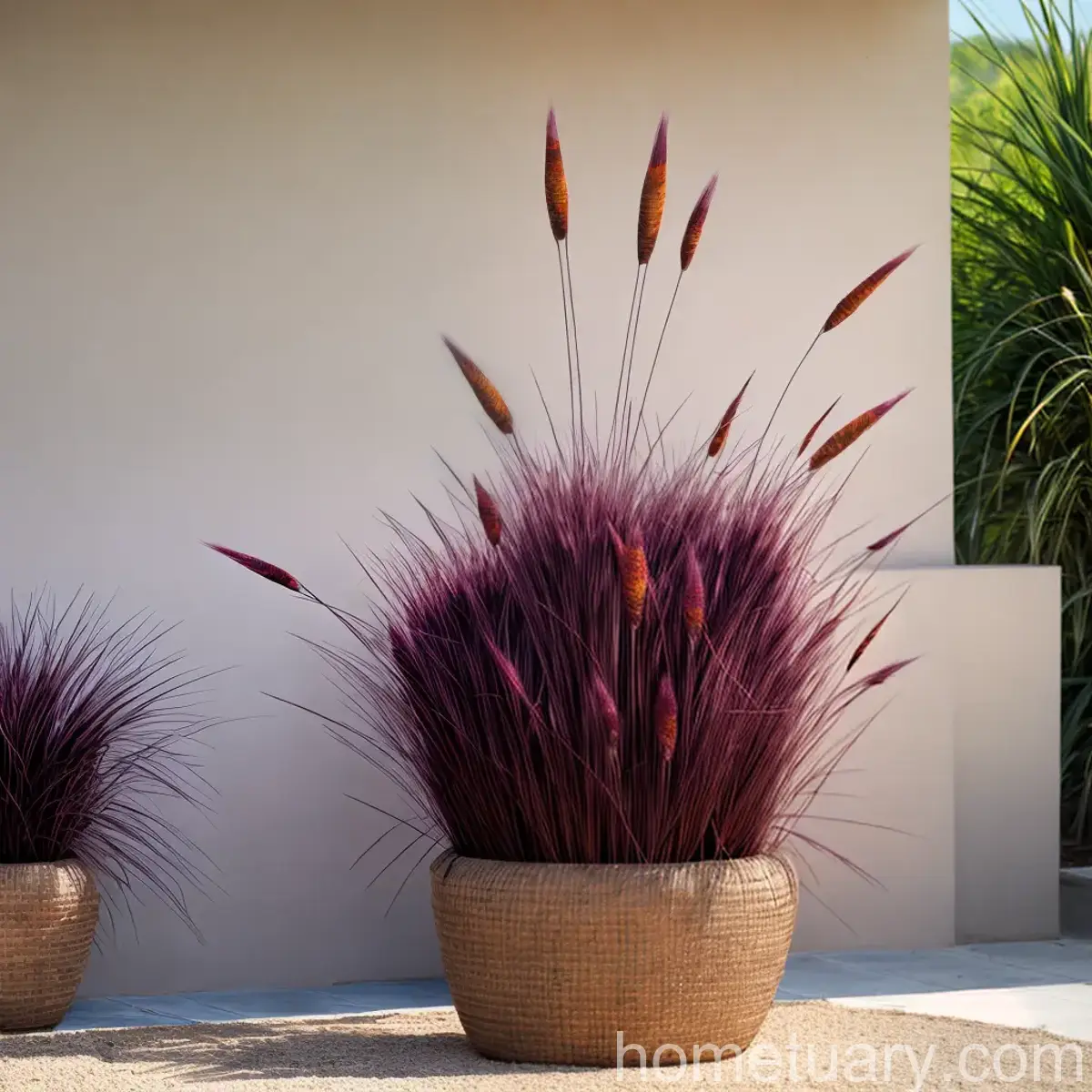
Understanding “Elephant Grass” (Pennisetum purpureum)
Plants play a vital role in the ecosystem, providing us with food, oxygen, shelter, and myriad other essentials. One such fascinating plant is “elephant grass” (Pennisetum purpureum). In this article, we will delve into what makes elephant grass unique, its growth conditions, uses, maintenance, and much more.
What is Elephant Grass (Pennisetum purpureum)?
Pennisetum purpureum, commonly known as elephant grass, is a perennial grass species native to Africa. It belongs to the family Poaceae and is known for its rapid growth and towering stature.
Key Takeaways – Elephant Grass (Pennisetum purpureum)
Culture
- Origin: Native to Africa
- Characteristics: Tall, perennial grass species
- Cultivation: Grows in a variety of climates
Uses
- Agriculture: Used for animal feed and erosion control
- Biofuel: Potential source for bioenergy production
- Landscaping: Popular choice for sustainable landscaping
Growth Conditions
- Water: Tolerant to drought conditions
- Sunlight: Thrives in full sunlight
- Soil: Adaptable to various soil types
- Climate: Grows in diverse climatic conditions
Maintenance
- Pruning: Benefits from regular pruning
- Propagation: Can be propagated from seeds or division
Common Diseases
- Fungal Diseases: Susceptible to diseases like leaf spot and rust
- Management: Proper care and maintenance can prevent most diseases
Common Pests
- Insects: Prone to attacks by pests like aphids and caterpillars
- Prevention: Regular monitoring and suitable pest management practices
Fun Facts
- Fast Growth: Known for its rapid growth rate
- Environmental Benefits: Plays a role in soil conservation and carbon sequestration
Now, let’s explore these aspects in greater detail.
Elephant Grass Growth Conditions
Water
Elephant grass is known for its tolerance to drought conditions, making it an ideal choice for areas with irregular rainfall patterns. However, it still requires adequate water for optimal growth, especially during its initial establishment phase. Once established, it can withstand periods of low water availability, making it a resilient choice for various landscapes and agricultural regions.
Sunlight
Being a tropical grass species, elephant grass thrives in full sunlight. It requires a minimum of 6-8 hours of direct sunlight daily to support its robust growth. Therefore, when selecting a location for planting, ensure that it receives ample sunlight throughout the day.
Soil
Pennisetum purpureum is adaptable to a wide range of soil types, including sandy, loamy, and clay soils. However, it thrives in well-draining soils with adequate fertility. Regular soil testing and appropriate fertilization can help maintain the soil’s nutrient balance, supporting healthy growth.
Climate
Elephant grass exhibits versatility when it comes to climatic conditions. It can thrive in both tropical and subtropical climates, with an ability to withstand moderate frosts.
Pennisetum purpureum Characteristics
Pennisetum purpureum displays several noteworthy characteristics that make it a valuable plant species in various settings:
- Height: It is known for its towering height, often reaching 10-12 feet under optimal conditions.
- Growth Rate: The grass has a rapid growth rate, making it an efficient option for quick land cover or biomass production.
- Leaf Structure: The narrow leaves and dense foliage contribute to its visual appeal and environmental benefits.
- Root System: Its extensive root system aids in soil erosion control, making it suitable for slopes and embankments.
Benefits of Elephant Grass for Landscaping
Erosion Control
One of the primary benefits of elephant grass in landscaping is its effectiveness in controlling soil erosion. Its robust root system helps bind the soil together, preventing erosion that can result from water runoff and wind. This makes it an excellent choice for stabilizing embankments, riverbanks, and other areas prone to erosion.
Wildlife Habitats
The dense foliage of elephant grass provides a habitat for various wildlife, including small mammals and birds. This contributes to biodiversity and ecological balance, making it a valuable addition to natural and landscaped areas.
Companion Planting
In the realm of sustainable landscaping, elephant grass can be used as a companion plant to support the growth of other species. Its tall and dense structure can provide shade and wind protection to neighboring plants, promoting a healthy and diverse plant community.
Green Roof Systems
In urban landscapes, elephant grass can be incorporated into green roof systems to improve the environmental performance of buildings. Its ability to thrive in limited soil depth and provide natural insulation makes it a suitable choice for green roofs, contributing to energy efficiency and environmental sustainability.
How to Grow Pennisetum purpureum
Fertilizer
While elephant grass can adapt to various soil conditions, providing adequate nutrients can significantly enhance its growth and overall health. A balanced fertilizer with nitrogen, phosphorus, and potassium can support vigorous growth and contribute to its lush appearance. Regular soil testing can help determine the specific fertilizer requirements for the chosen planting location.
Pruning
Pruning elephant grass can help maintain its aesthetic appeal and promote healthy regrowth. As the grass matures, removing older or damaged foliage can prevent overcrowding and encourage new shoots to emerge. Additionally, pruning can help shape the grass and control its height, making it suitable for different landscaping and agricultural applications.
Propagation
Pennisetum purpureum can be propagated from seeds or through division. When propagating from seeds, it’s essential to ensure proper seed quality and favorable environmental conditions for germination. Division involves separating the existing plant into smaller sections and replanting them, typically during the spring season when the grass is actively growing.
Elephant Grass Uses in Agriculture
Animal Feed
One of the primary agricultural uses of elephant grass is as a feed source for livestock. Its high biomass production, nutrient content, and palatability make it a popular choice for grazing animals such as cattle and goats. Its rapid regrowth after grazing further enhances its value as a reliable forage resource.
Soil Improvement
In addition to its role in animal nutrition, elephant grass contributes to soil improvement in agricultural settings. Its extensive root system enhances soil structure, increases organic matter content, and aids in moisture retention. As a result, it can contribute to sustainable farming practices and improve the overall health of the agricultural land.
Sustainable Livestock Grazing
Integrating elephant grass into pasture systems can support sustainable livestock grazing. By providing a consistent and nutritious forage source, it helps maintain livestock health and supports efficient grazing practices. Its versatility in different climates and soil types further enhances its suitability for diverse agricultural landscapes.
Biomass Production
The high biomass yield of elephant grass makes it a valuable resource for biomass production. It can be utilized for energy generation, biofuel production, and other sustainable agricultural applications. Its rapid growth and adaptability make it a promising option for addressing energy needs while minimizing environmental impact.
Elephant Grass as a Biofuel Source
Sustainable Bioenergy
The potential of elephant grass as a biofuel source has garnered significant attention in the context of sustainable energy production. Its high biomass yield and favorable energy content make it a promising feedstock for bioenergy generation. Through processes such as biomass conversion and biofuel production, it can contribute to reducing reliance on non-renewable energy sources and mitigating environmental impact.
Carbon Sequestration
In addition to its role in bioenergy production, elephant grass plays a part in carbon sequestration. Its rapid growth and efficient carbon uptake contribute to mitigating greenhouse gas emissions and offsetting carbon footprint. As a renewable energy feedstock, it aligns with efforts to promote low-carbon energy solutions and address climate change challenges.
Mulch and Composting
The biomass generated from elephant grass can be utilized for mulch and composting, supporting sustainable soil management practices. Incorporating elephant grass biomass into mulch helps conserve soil moisture, suppress weed growth, and enhance soil fertility. Additionally, its decomposition contributes to organic matter accumulation and nutrient cycling in agricultural and horticultural systems.
Managing Pests and Diseases in Pennisetum purpureum
Disease Diagnosis
While elephant grass is known for its resilience, it can be susceptible to certain diseases, particularly fungal infections. Common diseases include leaf spot, rust, and smut, which can affect the overall health and appearance of the grass. Regular monitoring and prompt disease diagnosis are crucial for implementing effective management strategies.
Pest Control
Insect pests such as aphids, caterpillars, and grasshoppers can pose a threat to the vitality of elephant grass. Monitoring pest populations and implementing appropriate control measures, such as biological control agents or targeted insecticides, can help mitigate potential damage. Integrated pest management approaches can support the sustainability of elephant grass cultivation while minimizing environmental impact.
Elephant Grass Varieties and Cultivars
Cultivar Selection
Several cultivars of elephant grass are available, each with distinct characteristics suited for specific applications. When selecting a cultivar, factors such as growth habit, biomass yield, and adaptation to local climate and soil conditions should be considered. Popular cultivars include “King Grass” and “Merkeron.”
Landscaping Designs
The diverse cultivars of elephant grass offer opportunities for creative landscaping designs. Its varying heights, foliage coloration, and growth habits allow for a range of aesthetic and functional uses in landscape architecture. Whether for erosion control, wildlife habitat creation, or visual appeal, selecting the right cultivar can enhance the overall design and environmental impact.
Sustainable Paper Packaging
Certain cultivars of elephant grass possess qualities that make them suitable for sustainable paper packaging. The high cellulose content and fiber strength of the grass can be harnessed for producing eco-friendly paper and packaging materials. This aligns with the growing demand for sustainable alternatives to conventional packaging and supports a circular economy approach.
Pennisetum purpureum in Permaculture
Soil Improvement
In permaculture systems, elephant grass contributes to soil improvement through its root system and biomass production. By increasing soil organic matter, enhancing nutrient cycling, and promoting microbial activity, it supports the fundamental permaculture principle of building healthy, regenerative soils.
Phytoremediation
The potential of elephant grass for phytoremediation makes it a valuable component in permaculture designs. Its ability to uptake and sequester pollutants from the soil and water contributes to mitigating environmental contamination and promoting ecological restoration. Utilizing elephant grass in phytoremediation aligns with the holistic and regenerative practices of permaculture.
Agroforestry Systems
Integrating elephant grass into agroforestry systems enables the diversification of agricultural landscapes and the integration of multipurpose plant species. It can serve as a dynamic component of windbreaks, alley cropping systems, and silvopastoral arrangements, contributing to biodiversity, soil conservation, and sustainable land use practices.
Elephant Grass: A Versatile Plant
Indigenous Knowledge
In various cultures, elephant grass holds significance in traditional practices and indigenous knowledge systems. It has been utilized for crafts, construction, and cultural rituals, representing a deep connection between people and plants. Acknowledging and preserving the indigenous knowledge surrounding elephant grass contributes to cultural heritage conservation and supports traditional ecological wisdom.
Natural Dye Production
Certain varieties of elephant grass offer potential as a source of natural dyes. The pigments present in the foliage can be extracted and utilized for dyeing textiles and artisanal crafts. Embracing natural dye production from elephant grass aligns with sustainable and eco-conscious approaches to the textile industry and creative arts.
Botanical Gardens
The unique attributes and ecological significance of elephant grass make it a valuable inclusion in botanical gardens and arboreta. Its impressive stature, ecological functions, and cultural relevance contribute to educational and conservation efforts in botanical settings, enhancing public knowledge of diverse plant species and their ecological roles.
References
- Accessed from: https://www.plantsciences.ucdavis.edu/research/labs/monterey-bay-pi/bioenergy/biofuel-annual-grass
- Accessed from: https://www.researchgate.net/publication/41065283_Characterisation_of_biomass_energy_potentials_of_selected_agricultural_wastes_in_Nigeria
- Accessed from: https://www.frontiersin.org/articles/10.3389/fpls.2019.01364/full