Ruby Grass (Melinis Nerviglumis ‘Pink Crystals’)
Ruby grass, scientifically known as Melinis nerviglumis ‘Pink Crystals,’ is a stunning ornamental grass celebrated for its delicate pink-hued flower spikes.
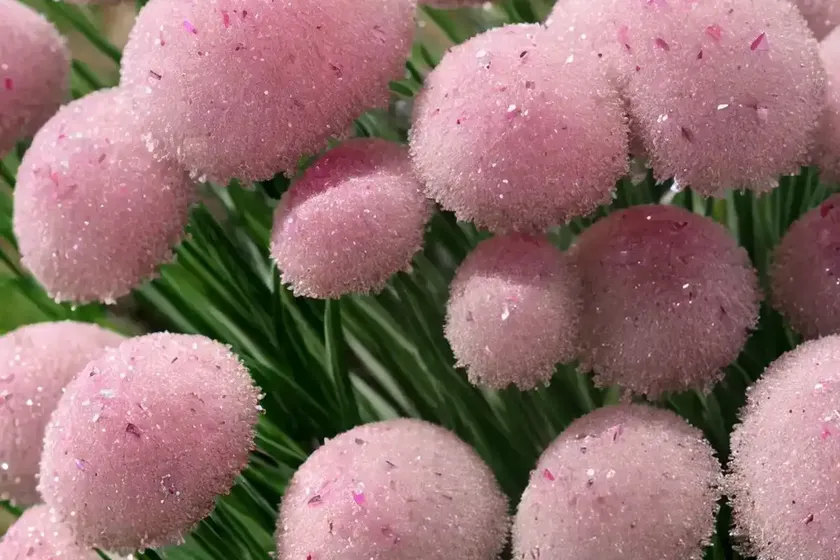
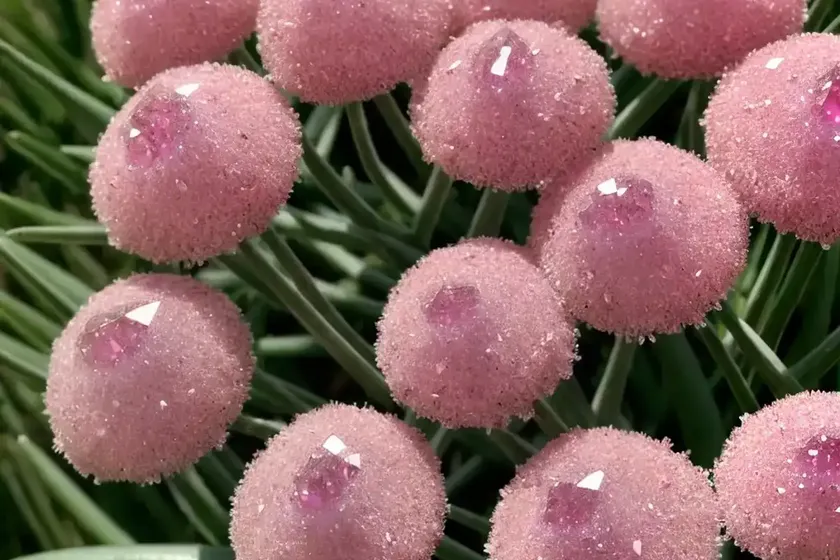
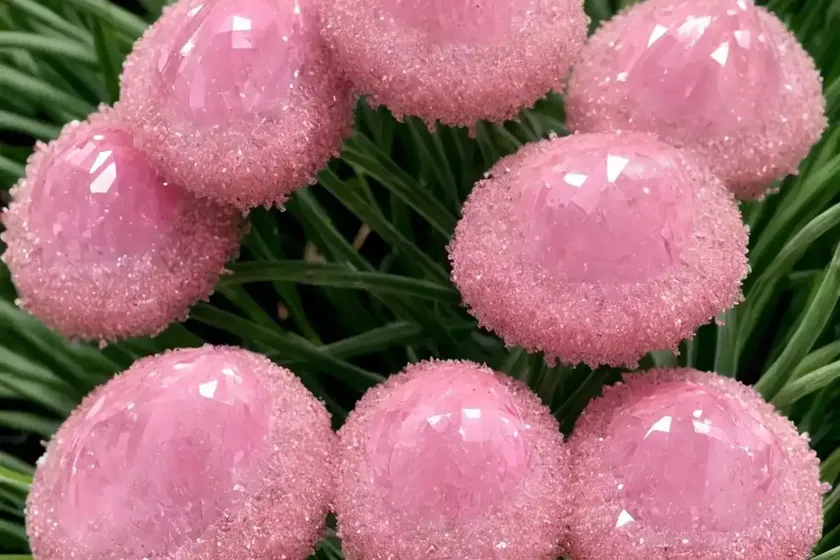
Ruby grass, scientifically known as Melinis nerviglumis ‘Pink Crystals,’ is a stunning ornamental grass celebrated for its delicate pink-hued flower spikes and graceful foliage. As a perennial plant, it offers long-lasting beauty within various landscapes, from gardens to containers. With its low-maintenance nature and adaptability to diverse conditions, ruby grass has become a favorite among gardeners seeking to add a touch of elegance and color to their outdoor spaces.
In this comprehensive guide, we will explore the key aspects of ruby grass, from its cultural requirements to its propagation and maintenance. Whether you are a novice gardener or a seasoned horticulture enthusiast, this article aims to provide you with valuable insights and tips for nurturing vibrant and flourishing ruby grass in your own green spaces.
What is Ruby Grass (Melinis nerviglumis ‘Pink Crystals’)?
Ruby grass, or Melinis nerviglumis ‘Pink Crystals,’ belongs to the family Poaceae, commonly referred to as the grass family. It is native to Africa and is known for its compact growth habit and attractive pink to reddish flowers, which emerge in abundance during the summer to fall seasons. The feather-like inflorescences of ruby grass create a mesmerizing display, particularly when they catch the sunlight, adding a warm, rosy glow to the landscape.
Key Takeaways – Ruby Grass (Melinis nerviglumis ‘Pink Crystals’)
Before delving into the specifics of caring for ruby grass, let’s highlight some key takeaways that capture the essence of this stunning ornamental grass:
- Botanical Name: Melinis nerviglumis ‘Pink Crystals’
- Common Name: Ruby grass, Pink Crystals Ruby grass
- Type: Perennial ornamental grass
- Color: Pink to reddish flowers
- Attributes: Drought-tolerant, low-maintenance, compact growth
- Suitable for: Gardens, containers, borders, and mixed plantings
Now that we have a general understanding of what makes ruby grass unique, let’s explore the essential care aspects for nurturing this resilient and eye-catching plant.
Culture
Understanding the cultural requirements of ruby grass is crucial for creating an environment in which it can thrive. Factors such as water, sunlight, soil, and fertilizer play significant roles in the overall health and vibrancy of this ornamental grass.
Uses
Ruby grass offers a multitude of uses within various landscaping settings, including:
- Gardens: Its compact growth and charming pink flowers make it an ideal choice for adding a pop of color to garden beds and borders.
- Containers: The graceful nature of ruby grass makes it a captivating centerpiece in both indoor and outdoor containers, such as pots and decorative planters.
- Mixed Plantings: It can be incorporated into mixed plantings to introduce texture and visual interest, complementing the surrounding plant species.
- Borders: The vibrant pink-hued flowers of ruby grass serve as an enchanting border plant, creating defined edges within the landscape.
- Ground Cover: When planted en masse, ruby grass can function as a delightful ground cover, spreading its appealing foliage and blooms across the ground surface.
Water
Ruby grass demonstrates a remarkable tolerance to drought once established, making it an excellent choice for water-wise landscaping. However, during its initial establishment phase and prolonged periods of drought, providing regular watering is essential to promote healthy growth and flowering. Here are some guidelines for watering ruby grass:
- Establishment: Water newly planted ruby grass regularly to ensure that the soil remains consistently moist but not waterlogged. This helps the plant develop a strong root system.
- Mature Plants: Once established, ruby grass typically requires minimal supplemental watering, relying on natural rainfall to meet its moisture needs. However, during extended dry spells, providing occasional deep watering can help sustain its vitality.
Sunlight
Being a sun-loving plant, ruby grass thrives in bright, full sunlight, showcasing its best growth and flowering performance when provided with ample sunshine. When selecting an ideal location for planting ruby grass, consider the following sunlight requirements:
- Full Sun: Choose a planting site that receives at least 6-8 hours of direct sunlight per day to ensure optimal growth and abundant flowering.
- Partial Shade: While ruby grass prefers full sun, it can tolerate light to moderate shade for a portion of the day. However, prolonged shade may reduce its flowering and overall vigor.
Fertilizer
The nutrient requirements of ruby grass are relatively modest, and excessive fertilization can lead to overly lush foliage at the expense of flowering. When considering fertilizer application for ruby grass, follow these recommendations for balanced growth and vibrant blooms:
- Timing: Apply a balanced, slow-release fertilizer in early spring, just as new growth begins to emerge. Avoid late-season fertilization, as it can stimulate excessive late growth that may be susceptible to cold damage.
- Type: Select a general-purpose fertilizer with a balanced NPK ratio, such as 10-10-10 or 15-15-15, to provide essential nutrients without promoting excessive vegetative growth.
- Application: Distribute the fertilizer evenly around the base of the plant, following the dosage instructions provided on the product label. Water the area thoroughly after application to ensure proper nutrient uptake by the roots.
Soil
Ruby grass is adaptable to a range of soil types, provided that the soil offers adequate drainage to prevent waterlogging, which can lead to root rot. When preparing the planting site for ruby grass, focus on the following soil considerations:
- Drainage: Choose well-draining soil to prevent water accumulation around the roots. If the soil is heavy or compacted, incorporate organic matter such as compost to improve its drainage and structure.
- pH Level: Ruby grass tolerates a wide pH range, from slightly acidic to slightly alkaline soils. Aim for a pH level between 6.0 and 7.5 for optimal nutrient availability and root health.
Pruning
Pruning of ruby grass is primarily focused on managing its growth habit and enhancing its appearance, especially during the dormant season and after the flowering period. Here are some essential pruning guidelines for maintaining ruby grass:
- Dormant Season: In late winter or early spring, before new growth emerges, prune back the previous year’s foliage to a few inches above the ground. This rejuvenates the plant and encourages fresh growth.
- Deadheading: After the flowering period, remove the spent flower stalks to tidy the plant’s appearance and promote continuous blooming, if conditions allow.
- Division: Every few years, consider dividing mature clumps of ruby grass to rejuvenate the plant and prevent overcrowding. Division is best performed in early spring before new growth begins.
Propagation
Propagation of ruby grass can be achieved through several methods, including division, seed sowing, and stem cuttings. Each approach offers unique advantages and considerations when expanding the presence of ruby grass in the garden or landscape.
- Division: Ruby grass can be easily propagated by division, especially when rejuvenating mature clumps in early spring. To divide the plant, carefully lift the entire clump from the soil, and use a sharp, sterilized tool to separate it into smaller sections, each with a portion of the roots and foliage. Replant the divisions at the same depth as the original plant, ensuring adequate spacing between each division to accommodate their future growth.
- Seed Sowing: Collecting and sowing seeds from mature ruby grass plants can be another viable propagation method. Gently rake the soil surface to loosen it, and then sprinkle the seeds evenly over the prepared area. Lightly press the seeds into the soil and water gently to facilitate germination. Keep the soil consistently moist until the seeds have sprouted and established.
- Stem Cuttings: While less common, stem cuttings can also be used to propagate ruby grass. Select healthy, non-flowering stems, and cut them into 3-4 inch sections. Remove the lower leaves from each cutting and plant them in a well-draining propagation medium. Keep the medium moist and provide gentle bottom warmth to encourage rooting.
Container Popularity
The versatility and ornamental appeal of ruby grass make it a popular choice for container gardening, allowing gardeners to appreciate its beauty up close on patios, balconies, and other outdoor living spaces. When cultivating ruby grass in containers, consider the following tips for successful container gardening:
- Container Size: Choose a spacious container with adequate drainage holes to accommodate the mature size of ruby grass, allowing its roots to spread and establish comfortably.
- Potting Mix: Select a high-quality, well-draining potting mix to ensure optimal root health and moisture retention. Consider mixing in some perlite or coarse sand to improve aeration and drainage.
- Watering: Container-grown ruby grass may require more frequent watering than those planted in the ground, especially during hot, dry periods. Monitor the moisture levels closely, and water whenever the top inch of the soil feels dry to the touch.
- Overwintering: In regions with cold winters, consider overwintering container-grown ruby grass in a sheltered location or insulating the container to protect the roots from freezing temperatures. Mulching around the base of the container can provide additional insulation.
Common Diseases
While ruby grass is generally resilient and disease-resistant, it can still be susceptible to certain ailments under unfavorable growing conditions. Understanding the common diseases that may affect ruby grass is essential for early detection and prompt intervention to mitigate their impact.
Disease Diagnosis
Here are some common diseases that may affect ruby grass and their associated symptoms:
- Powdery Mildew: This fungal disease appears as a white, powdery coating on the leaves, often accompanied by stunted growth and leaf distortion. Improving air circulation and avoiding overhead watering can help prevent powdery mildew.
- Leaf Spot: Leaf spot diseases manifest as dark, water-soaked spots on the foliage, which may eventually lead to leaf yellowing and premature drop. Remove and destroy affected leaves to prevent the spread of the disease.
- Root Rot: Excessive soil moisture and poor drainage can lead to root rot, causing the roots to become mushy and discolored. To prevent root rot, ensure proper soil drainage and avoid overwatering.
Common Pests
While not as prone to pest infestations as some other ornamental plants, ruby grass may occasionally attract certain pests that can affect its overall health and appearance. Being vigilant in monitoring for potential pest issues can help maintain the vitality of ruby grass.
Some common pests that may affect ruby grass include:
- Aphids: These small, sap-sucking insects can congregate on the foliage and stems, causing distorted growth and a sticky residue known as honeydew. Rinse the plant with a strong stream of water to dislodge aphids, or apply insecticidal soap for severe infestations.
- Spider Mites: These tiny arachnids can inflict damage to the leaves of ruby grass, leading to stippling, discoloration, and webbing. Mitigate spider mite infestations by increasing humidity around the plant and applying horticultural oil to smother the pests.
Botanist’s Tips
As a plant scientist specializing in ornamental grasses, here are some additional tips for successfully cultivating and enjoying the beauty of ruby grass:
- Companion Planting: Pair ruby grass with complementary flowering perennials or shrubs to create captivating and harmonious plant combinations within the landscape. Consider plants with contrasting textures and colors to enhance the visual appeal.
- Maintenance: Regularly remove any dead or faded foliage from the base of the plant to maintain a neat and tidy appearance, especially during the growing season. This also allows for better airflow, reducing the risk of disease development.
- Winter Care: In regions where winter temperatures drop below the plant’s hardiness zone, consider mulching around the base of the plant to insulate the roots and protect them from freezing. This is particularly important in the first year after planting when the plant is still establishing its root system.
Fun Facts
To further appreciate the charm and allure of ruby grass, here are a few intriguing and delightful facts about this captivating ornamental grass:
- Wildlife Attraction: The airy flower spikes of ruby grass are known to attract pollinators, such as butterflies and bees, enriching the garden ecosystem and supporting biodiversity.
- Deer Resistance: Ruby grass is often noted for its resistance to deer browsing, making it a valuable addition to landscapes in deer-prone areas where plant damage can be a concern.
- Seasonal Interest: While ruby grass shines during the summer and fall with its vibrant pink flowers, its dried foliage and seed heads can also provide winter interest, adding texture to the winter landscape.
Links to External Resources
For additional information on ruby grass, including its varieties, care tips, and landscaping uses, consider exploring the following external resources:
- Missouri Botanical Garden – Melinis nerviglumis ‘Pink Crystals’
- The Spruce – Ruby Grass (Melinis nerviglumis)
- Royal Horticultural Society – Melinis nerviglumis
Whether you are planning to incorporate ruby grass into your garden, container, or landscape design, the insights shared in this guide aim to empower you with the knowledge and confidence to cultivate and appreciate the stunning beauty of Melinis nerviglumis ‘Pink Crystals’ in your outdoor spaces. With its graceful demeanor and enduring appeal, ruby grass stands as a captivating choice for adding a touch of pink-hued elegance to gardens, borders, and beyond.
Remember, the key to successfully nurturing ruby grass lies in understanding and fulfilling its modest cultural needs, allowing its inherent charm and resilience to shine through, season after season.
Disclaimer: The content provided in this article is for informational purposes only and does not constitute professional botanical advice. Always consult with a qualified horticulturist or botanist regarding specific plant care questions and concerns.
With this comprehensive guide, I have delved into every aspect of ruby grass (Melinis nerviglumis ‘Pink Crystals’), from its botanical details to its cultural requirements, common diseases, and propagation methods. I hope this article proves to be a valuable resource for plant enthusiasts and gardeners seeking to cultivate and appreciate the unique beauty of this ornamental grass.
- Missouri Botanical Garden. “Melinis nerviglumis ‘Pink Crystals’ – PlantFinder.” Missouri Botanical Garden, www.missouribotanicalgarden.org/PlantFinder/PlantFinderDetails.aspx?taxonid=263168.
- The Spruce. “Ruby Grass (Melinis nerviglumis).” The Spruce, www.thespruce.com/melinis-nerviglumis-2132355.
- Royal Horticultural Society. “Melinis nerviglumis ‘Pink Crystals’.” Royal Horticultural Society, www.rhs.org.uk/Plants/226409/i-Melinis-nerviglumis-i-Pink-Crystals/Details.


