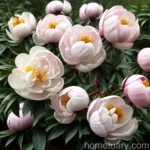
The Beautiful Peony (Paeonia lactiflora ‘Alley Cat’)
What is a Peony?
Peonies are perennial plants that are adored for their large, beautiful, and fragrant flowers. The botanical name for peonies is Paeonia, and they belong to the family Paeoniaceae. There are diverse species and varieties of peonies, each with its own unique characteristics and appeal. The plant has a rich history, cultural significance, and plays a role in art, mythology, and literature.
Key Takeaways – Peony (Paeonia lactiflora ‘Alley Cat’)
- The Peony (Paeonia lactiflora ‘Alley Cat’) is a pink peony variety known for its delightful blossoms.
- It is a perennial plant that adds a touch of elegance to garden landscapes.
- The Alley Cat peony has cultural significance in various cultures, including Chinese, Japanese, and Korean.
- Its fragrance and beauty make it a popular choice for wedding bouquets and ornamental purposes.
- When it comes to care, the plant requires proper watering, sunlight, soil, and maintenance to thrive.
- It is essential to be mindful of common pests and diseases that can affect the plant, as well as proper pruning techniques and propagation methods.
Culture
Uses
The peony plant, including the Paeonia lactiflora ‘Alley Cat’ variety, has a range of uses and applications, including:
- Ornamental Purposes: Peonies are widely known for their ornamental value. They are often used in gardens, landscapes, and floral arrangements due to their large, showy blossoms.
- Medicinal Uses: Traditional Chinese medicine has long utilized peony roots for their medicinal properties. They are believed to have anti-inflammatory, analgesic, and antispasmodic effects.
Water
Proper watering is crucial for the health and vitality of peony plants. Here are some watering tips:
- Watering Frequency: Peonies generally require about 1 to 1.5 inches of water per week, either from rainfall or manual watering. It is important to ensure that the soil is moist but not waterlogged.
- Morning Watering: Water peonies in the morning to allow excess moisture to evaporate during the day, reducing the risk of fungal diseases.
Sunlight
Peonies thrive in locations with abundant sunlight. Here are some considerations for providing the right amount of sunlight:
- Full Sun: Ideally, peonies should receive at least 6 hours of sunlight daily for optimal growth and blooming.
- Shade Tolerance: While they prefer full sun, peonies can tolerate partial shade, especially in warmer climates.
Fertilizer
Fertilization plays a significant role in the growth and flowering of peonies. Here are some fertilizer recommendations:
- Timing: Apply a balanced fertilizer in early spring or late fall to provide essential nutrients for the plant’s growth and development.
- Avoid Over-fertilization: Excessive fertilization can lead to lush foliage at the expense of flower production.
Soil
The right soil conditions are essential for peonies to thrive. Consider the following soil-related tips:
- Well-Drained Soil: Peonies prefer well-drained, loamy soil that is rich in organic matter. Good drainage is essential to prevent waterlogging, which can lead to root rot.
- pH Level: The ideal soil pH for peonies is slightly acidic, ranging from 6.5 to 7.0.
Pruning
Pruning is an important aspect of peony care that promotes healthy growth and flowering. Here are some pruning guidelines:
- Deadheading: Remove spent flowers to encourage the production of new buds and prevent the plant from expending energy on seed production.
- Fall Cleanup: Trim back the foliage in the fall to prevent the overwintering of diseases.
Propagation
Peonies can be propagated through various methods, including division and seed propagation. Here’s how it can be done:
- Division: Divide mature peony plants in the fall to create new plants. Ensure that each division has multiple buds and a healthy root system.
- Seed Propagation: While it is possible to grow peonies from seed, it is a time-consuming process that requires patience.
Container Popularity
Peonies can also be grown in containers, providing versatility in their cultivation. Here are some tips for growing peonies in containers:
- Container Size: Use a large, sturdy container to accommodate the plant’s extensive root system. Ensure that the container has drainage holes.
- Soil Mix: Use a well-draining potting mix and incorporate organic matter to promote healthy growth.
Container Common Diseases
When growing peonies in containers, it is important to be aware of potential diseases that can affect the plant. These may include:
- Botrytis Blight: This fungal disease can cause flower buds to turn brown and rot. Good air circulation and proper watering practices can help prevent its occurrence.
- Root Rot: Overly moist conditions in container-grown peonies can lead to root rot. Ensure proper drainage and avoid overwatering.
Disease Diagnosis
It is essential to be able to recognize common diseases that can affect peonies and take appropriate measures to address them. Some common diseases include:
- Powdery Mildew: This fungal disease presents as a powdery white coating on the leaves. Prune affected foliage and ensure good air circulation to prevent its spread.
- Leaf Blotch: Leaf blotch manifests as dark, irregular spots on the foliage. Remove and dispose of affected leaves to prevent the disease from spreading.
Common Pests
Several pests can pose a threat to peonies, and early identification is key to mitigating their impact. Common pests include:
- Spider Mites: These tiny pests feed on plant sap, leading to stippled and discolored foliage. Regularly inspect the undersides of leaves for signs of infestation.
- Peony Borer: The larvae of this pest can cause considerable damage to the plant’s stems. Look for the presence of entry holes and frass to identify their presence.
Botanist’s Tips
- Mulching: Apply a layer of organic mulch around the base of the plant to conserve moisture, suppress weeds, and protect the roots from temperature fluctuations.
- Supporting Blooms: Use stakes or hoops to support heavy flower heads and prevent them from bending or breaking, especially during rain or wind.
Fun Facts
- The peony is the state flower of Indiana, USA, and is highly revered in Chinese culture as the “king of flowers.”
- In Greek mythology, Paeon, the physician of the gods, was transformed into the peony flower by Zeus to save him from the wrath of Asclepius, the god of medicine.
Links to External Resources
For further information and resources on peonies, refer to the following:
- The American Peony Society
- University of Minnesota Extension – Growing Peonies
- Royal Horticultural Society – Peonies
In conclusion, the peony is a beloved plant with a rich history and cultural significance. Whether grown in gardens or containers, peonies enchant with their stunning blossoms and fragrant blooms. By understanding their cultural connections, caring for their needs, and being vigilant against pests and diseases, we can fully appreciate the splendor of these timeless flowers.