Elephant Bush (Portulacaria Afra)
Plants play a crucial role in our lives. They not only add beauty to our surroundings but also contribute to our overall well-being through various direct.
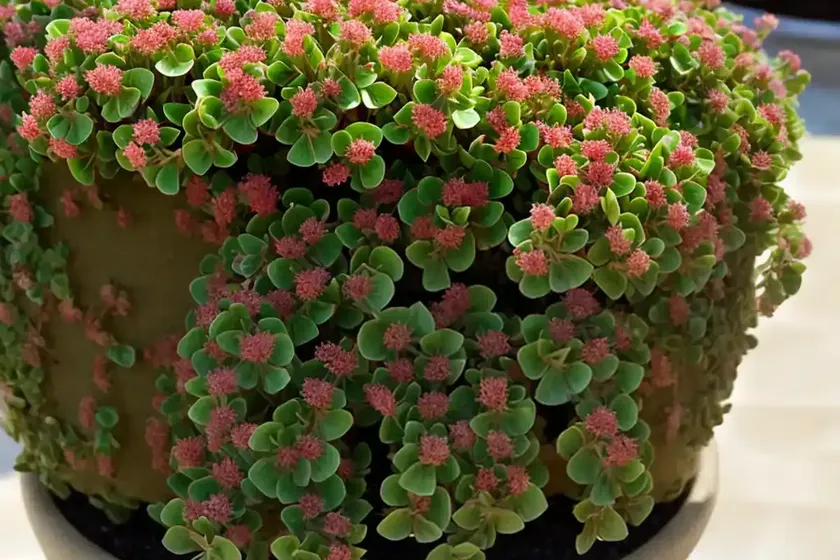
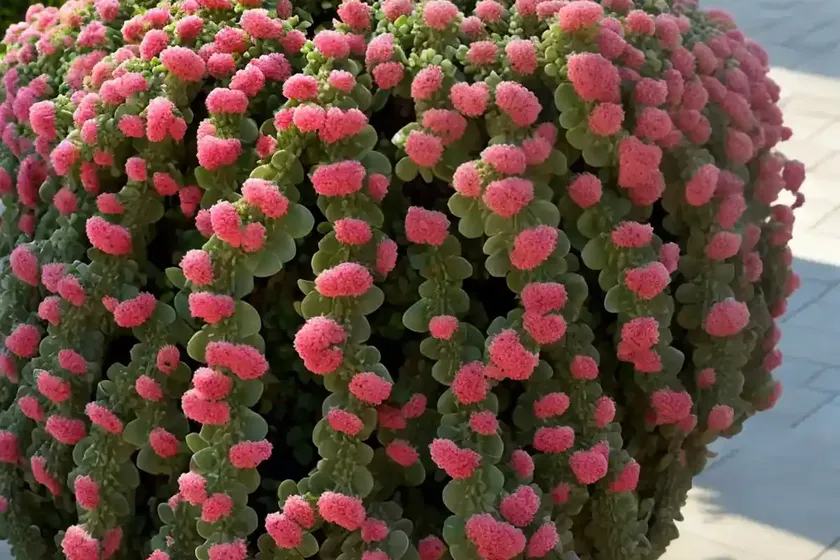
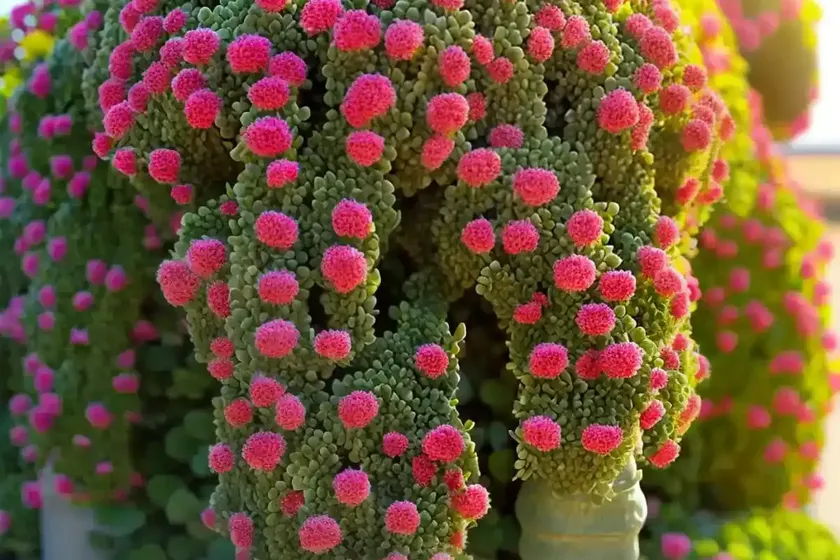
Plants play a crucial role in our lives. They not only add beauty to our surroundings but also contribute to our overall well-being through various direct and indirect ways. One such plant that holds significant value in both the botanical and horticultural worlds is the Elephant Bush, scientifically known as Portulacaria afra.
In this extensive guide, we will explore all there is to know about Elephant Bush, its care, uses, and the multitude of benefits it offers. This comprehensive resource will be invaluable to both beginners and experienced gardeners, providing insights into the optimal conditions for the healthy growth of the Elephant Bush.
What is the Elephant Bush (Portulacaria afra)?
The Elephant Bush, or Portulacaria afra, is a member of the Portulacaceae family and is native to South Africa. This versatile plant showcases small, round, and succulent-like leaves and can reach up to heights of 15 feet when grown in ideal conditions. Its thick, reddish-brown stems and branches hold water, allowing the plant to withstand periods of drought, making it an excellent companion in xeriscape and low-water gardening.
Often mistaken for the Jade Plant (Crassula ovata) due to their similar appearances, the Elephant Bush features slightly different growth habits and environmental requirements. It is important to understand these differences to ensure the best care for this unique and beneficial plant.
Key Takeaways – Elephant Bush (Portulacaria afra)
Before delving further into the specifics of Elephant Bush care, let’s highlight the key points covered in this comprehensive guide:
- Elephant Bush benefits
- Portulacaria afra care guide
- Elephant Bush plant care tips
- How to grow Elephant Bush
- Portulacaria afra for beginners
- Elephant Bush propagation methods
- Best soil for Elephant Bush
- Elephant Bush sunlight requirements
- Watering needs of Portulacaria afra
- Elephant Bush pruning techniques
- Common problems with Elephant Bush
- Elephant Bush pest control tips
- Portulacaria afra varieties
- Elephant Bush indoor gardening
- Elephant Bush outdoor gardening
- Portulacaria afra as a houseplant
- Elephant Bush repotting guide
- Elephant Bush as a low-maintenance plant
- Elephant Bush for Xeriscaping
- Elephant Bush and Feng Shui
- Uses of Elephant Bush in landscaping
- Elephant Bush and air purification
- Portulacaria afra growth habits
- Elephant Bush for small spaces
- Elephant Bush and its medicinal properties
- Elephant Bush and its edible uses
- Elephant Bush and wildlife habitat
- Elephant Bush for sustainable gardening
- Elephant Bush and its role in reducing carbon footprint
- Eco-friendly gardening with Elephant Bush
- Elephant Bush and container gardening
- Elephant Bush and drought-tolerant gardening
- Elephant Bush and its resistance to pests
- Elephant Bush as a natural insect repellent
- Elephant Bush and its impact on soil health
- Elephant Bush and its seasonal growth patterns
- Elephant Bush for stress relief
- Elephant Bush in traditional medicine
- Elephant Bush and its impact on mental health
- Elephant Bush and biodiversity conservation
- Elephant Bush and its use in herbal remedies
- Elephant Bush and its role in saving water
- Elephant Bush as a flowering plant
- Elephant Bush and its role in erosion control
- Elephant Bush and companion planting
- Elephant Bush and its use in culinary arts
- Elephant Bush and its role in climate change mitigation
- Elephant Bush in permaculture practices
- Elephant Bush and sustainable agriculture
- Elephant Bush and its role in promoting biodiversity
Let’s explore each of these aspects in detail to gain a comprehensive understanding of the Elephant Bush and its wide array of applications.
Culture
The Elephant Bush’s culture encompasses its historical, symbolic, and traditional significance. Understanding its cultural importance allows one to appreciate its presence beyond its visual and functional aspects.
Historical Significance
Portulacaria afra has deep roots in South African culture, where it has been used for centuries for various purposes, including traditional medicine, food, and even as a protective charm believed to bring good luck. The plant’s ability to adapt to arid conditions made it a valuable resource for indigenous communities, serving as a supplementary food source during times of scarcity.
Symbolic Significance
The Elephant Bush is revered for its ability to endure harsh conditions and flourish in seemingly inhospitable environments. This resilience has led the plant to symbolize strength, perseverance, and the ability to thrive against all odds. It has been embraced in various cultures and traditions as a symbol of tenacity and resilience.
Traditional Uses
In traditional medicine, the Elephant Bush has been utilized for its purported medicinal properties. It is believed to possess anti-inflammatory, antimicrobial, and antioxidant properties, and has been utilized to treat various ailments in traditional healing practices. The leaves of the Elephant Bush are also consumed as a vegetable in certain regions, showcasing its versatility as a food source.
Understanding the cultural significance and traditional uses of the Elephant Bush provides a deeper insight into its value and importance beyond its ornamental appeal.
Uses
The Elephant Bush has a wide range of practical applications, making it a versatile and valuable plant with multiple uses. From its role in nutrition and medicine to its impact on the environment, the Elephant Bush offers an array of benefits.
Nutritional Uses
In certain regions, the young and tender leaves of the Elephant Bush are consumed as a vegetable, either raw or cooked. They are rich in essential nutrients and are considered a valuable addition to the local diet. The plant’s ability to thrive in arid conditions makes it a reliable source of nutrition in areas where water resources are limited.
Medicinal Uses
In traditional medicine, the Elephant Bush is believed to offer a myriad of health benefits. It is used to alleviate symptoms of various ailments, including digestive issues, skin conditions, and respiratory disorders. The plant’s leaves and stems are often processed to extract beneficial compounds that are utilized in traditional healing practices.
Environmental Uses
The Elephant Bush plays a crucial role in the environment by contributing to biodiversity conservation and soil health. Its ability to thrive in arid conditions makes it an ideal choice for xeriscaping, aiding in water conservation and sustainable gardening practices. Additionally, its presence supports local wildlife, providing a habitat for various species.
Understanding the diverse uses of the Elephant Bush highlights its significance in different aspects of human life, from nutrition and health to environmental sustainability.
Care
The successful cultivation of the Elephant Bush relies on providing optimal care that aligns with its specific needs. From water and sunlight requirements to soil and pruning techniques, understanding the plant’s care requirements is essential for promoting its health and vitality.
Water
The Elephant Bush is well-adapted to arid environments and therefore requires minimal water compared to many other plant species. Overwatering can lead to root rot and other complications, making it crucial to follow a careful watering regimen. The plant thrives in well-draining soil and should be allowed to dry out between waterings, particularly during the winter months when its growth slows down.
Watering Needs of Portulacaria afra
| Growth Stage | Watering Frequency |
|---|---|
| Spring/Summer | 1-2 times per week |
| Fall/Winter | Every 2-3 weeks |
Understanding the plant’s seasonal water needs is critical to prevent water-related issues and promote healthy growth.
Sunlight
The Elephant Bush thrives in bright, indirect sunlight, making it suitable for indoor and outdoor environments. When grown indoors, it should be placed near a south-facing window to receive optimal light exposure. Outdoors, it can tolerate direct sunlight but may benefit from some protection during the intense afternoon sun, particularly in hotter regions.
Elephant Bush Sunlight Requirements
| Light Exposure | Preferred Conditions |
|---|---|
| Indoor | Bright, indirect sunlight |
| Outdoor | Partial shade in hot climates |
Understanding the plant’s sunlight requirements is essential for providing the ideal growing conditions and promoting healthy foliage development.
Soil
The Elephant Bush requires well-draining soil to prevent waterlogging and root rot. A succulent or cactus mix is suitable for optimal growth, providing the necessary aeration and drainage for the plant’s roots. When growing the Elephant Bush in a container, adding perlite or coarse sand to the soil mix can further enhance its drainage capacity.
Best Soil for Elephant Bush
| Soil Type | Characteristics |
|---|---|
| Succulent/Cactus Mix | Well-draining, nutrient-rich mix for arid environment |
Providing the right soil type is essential for ensuring the Elephant Bush’s roots remain healthy and free from excessive moisture.
Fertilizer
The Elephant Bush benefits from a balanced, all-purpose fertilizer applied during the active growing season. A diluted, balanced fertilizer can be applied monthly during the spring and summer to support healthy growth. However, it is essential to avoid over-fertilizing, as this can lead to salt buildup and damage the plant’s roots.
Pruning
Pruning the Elephant Bush can help control its size and shape, encourage branching, and remove any dead or damaged foliage. When pruning, it is important to use clean, sharp tools to prevent any unnecessary damage to the plant. Additionally, any pruning cuts should be made just above a leaf node to encourage new growth.
Elephant Bush Pruning Techniques
| Pruning Objective | Pruning Technique |
|---|---|
| Size and Shape Control | Selective trimming of branches and stems |
| Removing Dead Foliage | Prune just above the leaf node to encourage growth |
Understanding the right pruning techniques is essential for maintaining the Elephant Bush’s health and appearance.
Propagation
The Elephant Bush can be propagated through stem cuttings, allowing gardeners to create new plants from established ones. By following the correct propagation methods, individuals can expand their Elephant Bush collection or share the plant’s beauty and benefits with others.
Elephant Bush Propagation Methods
- Choose a healthy stem tip with several sets of leaves.
- Allow the cutting to air dry for a day to form a callus.
- Plant the cutting in a well-draining potting mix, ensuring its nodes are below the soil surface.
- Provide light moisture and gradually increase watering as roots develop.
Understanding the propagation process allows individuals to expand their Elephant Bush collection and share the plant’s beauty with others.
Container
The Elephant Bush can thrive in containers, making it a versatile choice for indoor and outdoor gardening. When grown in containers, it is important to select a pot with adequate drainage holes to prevent waterlogging. Additionally, choosing a well-draining potting mix is essential for container-grown Elephant Bushes.
Elephant Bush in Containers
| Container Type | Considerations |
|---|---|
| Pot | Ensure drainage holes and well-draining mix |
Understanding the best practices for growing the Elephant Bush in containers is essential for providing an optimal growing environment.
Popularity
The Elephant Bush has gained popularity not only for its ornamental appeal but also for its resilience and adaptability. Its ease of care and numerous cultural and environmental benefits have contributed to its increasing popularity among gardeners, plant enthusiasts, and sustainable living advocates.
Common Diseases
Although the Elephant Bush is relatively resilient, it can be affected by certain diseases and issues that can impact its health and appearance. Being aware of these common diseases and knowing how to diagnose and address them is essential for maintaining the plant’s vigor.
Disease Diagnosis
Root Rot
Symptoms:
– Wilting foliage
– Yellowing or blackening of lower leaves
– Soft, mushy stems near the soil line
Cause:
Overwatering and poorly draining soil lead to root rot, compromising the plant’s root system.
Powdery Mildew
Symptoms:
– White, powdery spots on the foliage
– Distorted or stunted growth
– Yellowing and drooping leaves
Cause:
Humid and poorly ventilated conditions promote the growth of powdery mildew on the plant’s foliage.
Understanding the symptoms and causes of common diseases enables individuals to promptly address issues and prevent further complications.
Common Pests
The Elephant Bush can also fall victim to a few common pests that can affect its growth and vitality. Recognizing these pests and implementing effective pest control measures is crucial for preserving the plant’s health.
Elephant Bush Pest Control Tips
Mealybugs
Identification:
– White, cottony masses on the undersides of leaves and stems
– Stunted growth and yellowing foliage
Control Measures:
– Remove mealybugs by dabbing with a cotton swab dipped in rubbing alcohol
– Apply neem oil or insecticidal soap to control infestations
Spider Mites
Identification:
– Fine webbing on the foliage
– Speckled appearance on the leaves
– Yellowing and wilting foliage
Control Measures:
– Rinse the foliage with water to remove spider mites
– Apply neem oil to deter and control infestations
Understanding the identification and control measures for common pests allows individuals to address infestations and protect the Elephant Bush from potential damage.
Botanist’s Tips
To further enhance the care and cultivation of the Elephant Bush, consider the following botanist’s tips to promote its overall health and well-being:
- Air Circulation: Ensure adequate air circulation around the plant to prevent the development of fungal issues such as powdery mildew.
- Avoid Overwatering: Stick to a consistent watering schedule and allow the soil to dry out between waterings to prevent root rot.
- Provide Balanced Light: Offer the Elephant Bush a balanced light exposure, avoiding intense, direct sunlight for prolonged periods.
- Monitor for Pests: Regularly inspect the plant for signs of pest infestations and promptly address any issues to prevent widespread damage.
Incorporating these botanist’s tips into the care routine of the Elephant Bush can significantly contribute to its overall health and vitality.
Fun Facts
- The Elephant Bush is famously known for its resilience and drought tolerance, making it a popular choice for xeriscaping and low-water gardening.
- In its natural habitat, the Elephant Bush often serves as a food source for elephants, which contributed to the plant’s common name.
- The Elephant Bush is believed to have air-purifying properties, making it a beneficial addition to indoor environments.
Links to External Resources
- Portulacaria afra: A South African native – PlantZAfrica.com
- Succulent Propagation Guide – University of Florida IFAS Extension
- Understanding Plant Diseases – University of California Agriculture and Natural Resources
- Pest Management in Home Gardens – University of Minnesota Extension
The provided external resources offer further insights into the care, propagation, disease and pest management aspects of the Elephant Bush, providing a well-rounded foundation for successful cultivation.
In conclusion, the Elephant Bush (Portulacaria afra) embodies resilience, versatility, and a wealth of benefits, making it a highly valued addition to any garden or indoor space. By understanding its care requirements, uses, and cultural significance, individuals can fully appreciate and harness the potential of this remarkable plant. Whether used for its ornamental charm, environmental contributions, or practical applications, the Elephant Bush continues to captivate and enrich the lives of those who cultivate and admire it.