Zantedeschia ‘Mozart’ (Calla Lily)
From its graceful, trumpet-shaped flowers to its striking foliage, the Zantedeschia ‘Mozart’, commonly known as Calla Lily, is a perennial favorite in.
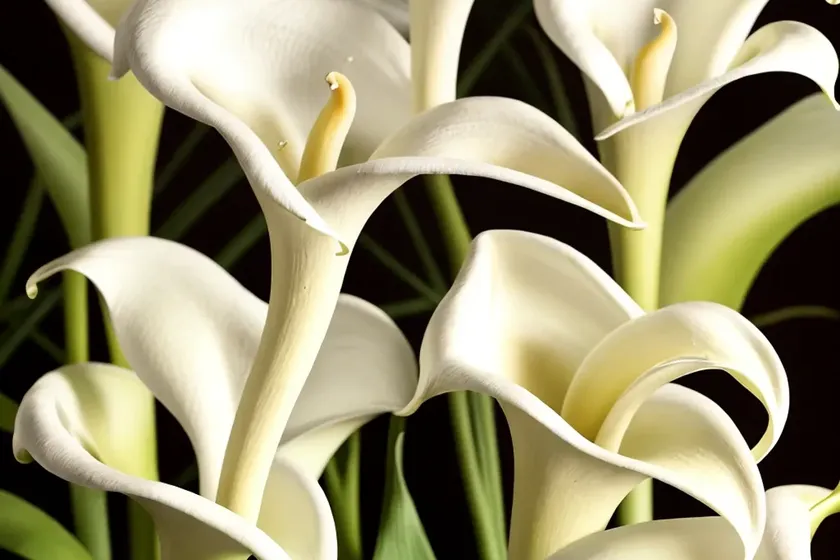
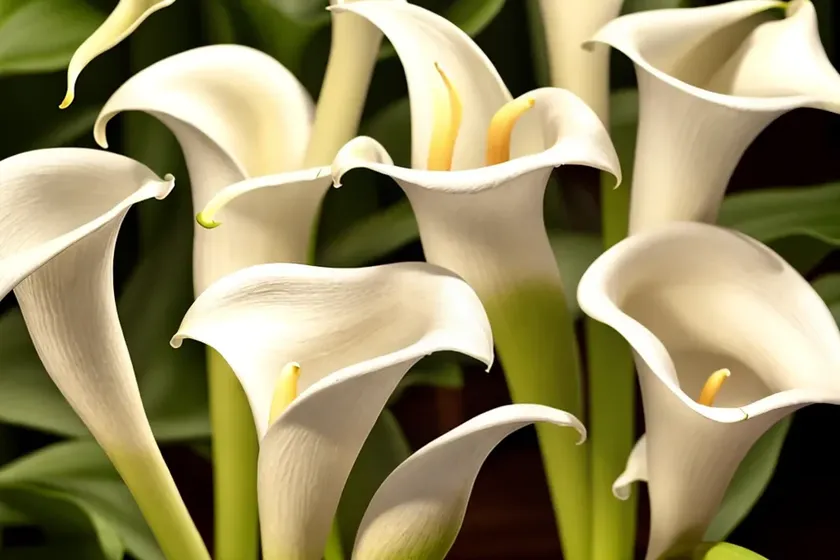
From its graceful, trumpet-shaped flowers to its striking foliage, the Zantedeschia ‘Mozart’, commonly known as Calla Lily, is a perennial favorite in gardens and floral arrangements. In this comprehensive guide, we will delve into the fascinating world of Zantedeschia ‘Mozart’, exploring its care, uses, propagation, and much more. Whether you are a seasoned gardener or just starting to explore the realm of ornamental plants, this article will equip you with valuable insights and practical tips for cultivating and enjoying the beauty of Calla Lilies in your own landscape.
Key Takeaways – Zantedeschia ‘Mozart’ (Calla Lily)
- Plant Name: Zantedeschia ‘Mozart’ (Calla Lily)
- Varieties: Various cultivars of Zantedeschia ‘Mozart’ are available, each offering distinctive flower colors and sizes.
- Water Requirements: Calla Lilies thrive in moist, well-drained soil and require regular watering, especially during the growing season.
- Sunlight Needs: These plants prefer partial shade to full sun, making them adaptable to a wide range of light conditions.
- Soil Preferences: Rich, organically fertile soil with good drainage is ideal for cultivating Zantedeschia ‘Mozart’.
- Fertilizer Tips: Applying a balanced, water-soluble fertilizer during the growing season can support healthy growth and prolific flowering.
- Propagation: Calla Lilies can be propagated by division of rhizomes or through seed propagation, offering opportunities for expanding your plant collection.
- Container Gardening: Zantedeschia ‘Mozart’ is well-suited for container gardening, allowing it to be showcased on patios, decks, and balconies.
- Common Diseases: While generally resilient, Calla Lilies may be susceptible to fungal diseases such as leaf spot and root rot in poorly drained soil.
- Common Pests: Aphids, spider mites, and snails are among the potential pests that can affect Calla Lilies, requiring suitable management measures.
- Maintenance Tips: Regular deadheading of spent flowers and proper winter care contribute to the overall health and longevity of Calla Lilies.
Culture
Overview
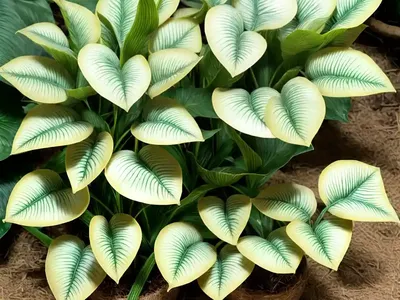
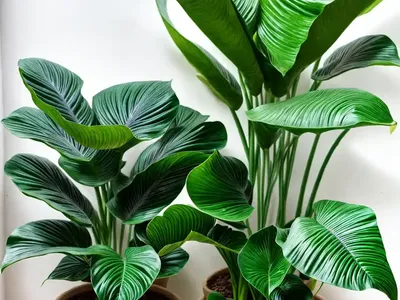
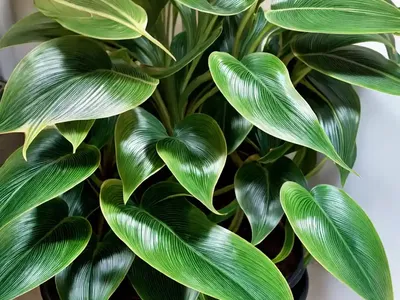
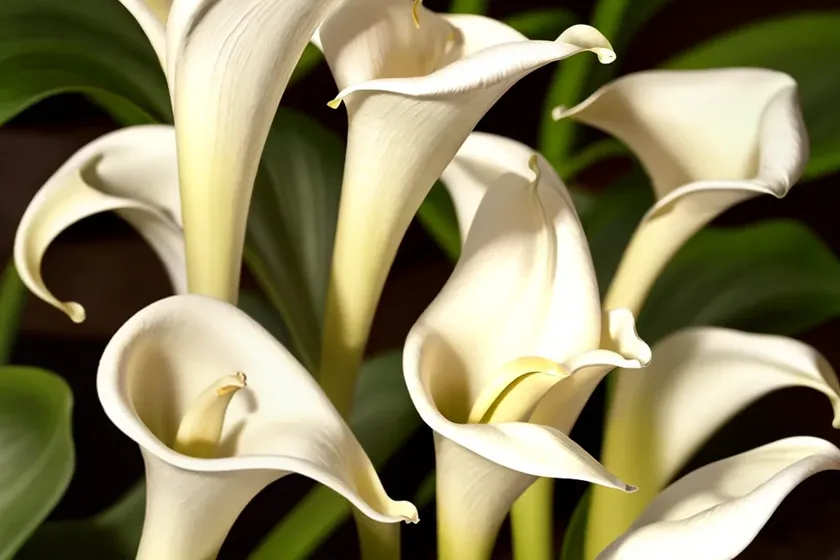
Zantedeschia ‘Mozart’, a member of the Araceae family, is known for its elegant, trumpet-shaped flowers and arrowhead-shaped leaves. Originating from Southern Africa, these perennial plants have captivated gardeners and floral enthusiasts worldwide with their enchanting beauty and versatile uses. The ‘Mozart’ cultivar, in particular, stands out for its distinctive cream-colored flowers adorned with rich, burgundy speckles, creating a visually stunning display that effortlessly elevates any garden or floral arrangement.
Uses
The allure of Zantedeschia ‘Mozart’ extends beyond its ornamental value, as it is also prized for its versatility in various gardening and decorative applications. From adorning garden beds and borders to adding elegance to cut flower arrangements, Calla Lilies offer a multitude of uses that cater to both outdoor and indoor settings. Additionally, their graceful appearance and long vase life make them a beloved choice for bridal bouquets, centerpieces, and other floral designs, further enhancing their appeal in the realm of floristry.
Water
Water Requirements
Maintaining adequate soil moisture is crucial for the vitality and flowering performance of Zantedeschia ‘Mozart’. During the active growing season, which typically spans from spring to early autumn, it is essential to ensure that the soil remains consistently moist, without becoming waterlogged. However, caution should be exercised to prevent over-watering, which can lead to root rot and other moisture-related issues. As a general guideline, aim to water the plants thoroughly when the top inch of soil becomes dry, adjusting the frequency based on environmental conditions and the plant’s specific needs.
Sunlight
Sunlight Needs
Zantedeschia ‘Mozart’ exhibits a preference for partial shade to full sun, making it adaptable to a wide range of light conditions. When cultivating these plants, it is advisable to provide them with bright, indirect light, particularly in regions characterized by intense midday sun. In areas with milder climates, partial shade can be beneficial, offering protection from excessive heat and promoting lush foliage and abundant flowering. Understanding the sunlight needs of Calla Lilies provides the foundation for creating favorable growing environments that support their overall health and vigor.
Fertilizer
Fertilizer Tips
Applying a balanced, water-soluble fertilizer formulated for flowering plants can enhance the growth and blooming capacity of Zantedeschia ‘Mozart’. During the active growing season, which corresponds to the spring and summer months, regular fertilization every four to six weeks can supply the necessary nutrients for robust foliage and prolific flowering. It is essential to follow the manufacturer’s recommendations regarding application rates and dilution ratios to avoid over-fertilization, which can have adverse effects on the plants. Additionally, ceasing fertilization in the fall and winter allows the plants to undergo a period of dormancy, preparing them for the upcoming growing season.
Soil
Soil Preferences
Providing Zantedeschia ‘Mozart’ with nutrient-rich, well-draining soil sets the stage for thriving growth and resilient performance. A blend of high-quality potting mix or garden soil, enriched with organic matter such as compost or well-rotted manure, creates an optimal growing medium for these plants. The incorporation of perlite or coarse sand can further improve soil drainage, preventing waterlogged conditions that can compromise the health of the plants. By understanding and meeting the soil preferences of Calla Lilies, gardeners can establish an environment conducive to vigorous growth and abundant flowering.
Pruning
Pruning Techniques
Pruning plays a pivotal role in maintaining the health and aesthetic appeal of Zantedeschia ‘Mozart’. Regular removal of spent flowers, also known as deadheading, prevents the formation of seed heads and encourages the plants to channel their energy into producing new blooms. When performing deadheading, it is essential to trim the flower stalk at its base, ensuring the removal of the entire spent inflorescence. Additionally, the elimination of yellowed or damaged foliage promotes a tidy appearance and reduces the risk of disease development, contributing to the overall vigor of the plants.
Propagation
Propagation Methods
Calla Lilies can be propagated through various methods, offering opportunities for expanding their presence in the garden or acquiring new plants for different settings. Division of Rhizomes: One of the primary propagation techniques for Zantedeschia ‘Mozart’ involves dividing the rhizomes, which are underground stems that produce roots and shoots. This method is typically carried out during the dormant season, with the rhizomes carefully separated and replanted in suitable growing locations.
Seed Propagation: Another approach to propagating Zantedeschia ‘Mozart’ is through seed sowing, which allows for the cultivation of new plants with potentially unique characteristics. In this method, the seeds are sown in a well-prepared seed-starting mix and maintained under controlled conditions to facilitate germination. Regardless of the propagation method employed, attention to detail and adherence to best practices can lead to successful outcomes and the expansion of the Zantedeschia ‘Mozart’ population.
Container
Container Gardening
The adaptability of Zantedeschia ‘Mozart’ makes it well-suited for container gardening, opening up opportunities to showcase these captivating plants in various outdoor and indoor settings. When selecting containers for Calla Lilies, opt for spacious pots with adequate drainage holes to prevent waterlogging. This allows excess moisture to escape, safeguarding the plants against root rot and other moisture-related issues. Additionally, choosing a high-quality potting mix designed for container plants provides the essential nutrients and optimal soil texture to support the growth and development of Calla Lilies. Container gardening offers the flexibility to feature Zantedeschia ‘Mozart’ on patios, balconies, and other confined spaces, enriching the visual appeal of these areas with the plants’ striking flowers and foliage.
Popularity
Zantedeschia ‘Mozart’ has secured a prominent place in the realm of ornamental plants, captivating enthusiasts with its distinctive beauty and versatile uses. Its popularity can be attributed to several factors, including its stunning floral displays, adaptability to various growing conditions, and elegance in various landscaping and decorative applications. With the availability of different cultivars showcasing an array of captivating flower colors and patterns, Zantedeschia ‘Mozart’ continues to captivate the hearts of gardeners, florists, and nature enthusiasts, solidifying its status as a beloved and sought-after plant species.
Common Diseases
Disease Diagnosis
As resilient as Zantedeschia ‘Mozart’ may be, it is not immune to certain diseases, with fungal infections posing potential threats to their health and vitality. One of the common diseases affecting Calla Lilies is Leaf Spot, characterized by the appearance of dark, water-soaked spots on the foliage, often surrounded by yellow halos. Additionally, Root Rot can occur in poorly drained soil, leading to the decay of the plant’s root system and subsequent wilting and decline. Recognizing the symptoms and promptly addressing potential diseases is vital for mitigating their impact and safeguarding the well-being of Zantedeschia ‘Mozart’.
Common Pests
Pest Management
While generally resilient, Zantedeschia ‘Mozart’ may encounter pests such as Aphids, Spider Mites, and Snails, which can affect the plants’ health and aesthetic appeal. Monitoring for the presence of pests and promptly implementing suitable management strategies is crucial for preventing population outbreaks and minimizing potential damage. Introducing natural predators, such as beneficial insects, can contribute to the control of pest populations without relying on chemical interventions, fostering a balanced ecosystem within the garden. By staying vigilant and proactive, gardeners can effectively manage pests and protect the vitality of Zantedeschia ‘Mozart’.
Botanist’s Tips
Recommendations for Success
Based on the unique characteristics and growth requirements of Zantedeschia ‘Mozart’, several key tips can enhance the success and satisfaction of cultivating these mesmerizing plants. Regular Watering: Maintain consistent soil moisture, ensuring that the plants receive adequate hydration without succumbing to over-watering. Partial Shade: Provide bright, indirect light or partial shade to protect the plants from harsh midday sun and promote lush, healthy growth. Fertilization: Apply a balanced, water-soluble fertilizer during the growing season to supply essential nutrients for robust flowering and foliage development. Pest Management: Stay vigilant for pests and promptly address any infestations to prevent damage and promote the well-being of Zantedeschia ‘Mozart’. By integrating these recommendations into the cultivation practices, gardeners can foster the optimal conditions for the plants to flourish and grace the landscape with their captivating presence.
Fun Facts
Intriguing Tidbits About Zantedeschia ‘Mozart’
- The ‘Mozart’ cultivar of Zantedeschia exudes a timeless elegance with its cream-colored flowers adorned with striking burgundy speckles, captivating the admiration of onlookers.
- Zantedeschia ‘Mozart’ possesses distinctive arrowhead-shaped leaves that complement its enchanting flowers, contributing to its overall allure.
- Despite its delicate appearance, the Zantedeschia ‘Mozart’ is a hardy perennial, capable of withstanding diverse environmental conditions and rewarding gardeners with abundant blooms.
Links to External Resources
- Calla Lily ‘Mozart’ – Tips for Growing and Caring for Zantedeschia ‘Mozart’
- Zantedeschia ‘Mozart’ – Planting Guide and Maintenance Tips
- Calla Lily ‘Mozart’ Varieties and Landscape Ideas
- Zantedeschia ‘Mozart’ – Container Gardening and Indoor Growing
- Calla Lily ‘Mozart’ Flowers – Care and Arrangement Tips
- Zantedeschia ‘Mozart’ – Pests and Diseases Management
In conclusion, Zantedeschia ‘Mozart’, also known as Calla Lily, encompasses a captivating blend of beauty, resilience, and versatility, making it a prized addition to gardens, floral displays, and decorative arrangements. By understanding and implementing the insights shared in this guide, enthusiasts can unlock the full potential of Zantedeschia ‘Mozart’, creating enchanting landscapes enriched by the elegance and allure of these remarkable plants. As you embark on your journey of cultivating and appreciating Zantedeschia ‘Mozart’, may the grace and splendor of these captivating plants inspire and delight you at every step.
Tags: Calla Lily ‘Mozart’, Zantedeschia ‘Mozart’ care, Growing Calla Lily ‘Mozart’, Zantedeschia ‘Mozart’ varieties, Calla Lily ‘Mozart’ flowers, Zantedeschia ‘Mozart’ bulbs, Calla Lily ‘Mozart’ planting guide, Zantedeschia ‘Mozart’ maintenance tips, Calla Lily ‘Mozart’ propagation, Zantedeschia ‘Mozart’ blooming season, Calla Lily ‘Mozart’ garden design, Zantedeschia ‘Mozart’ landscape ideas, Calla Lily ‘Mozart’ container gardening, Zantedeschia ‘Mozart’ indoor growing, Calla Lily ‘Mozart’ as cut flowers, Zantedeschia ‘Mozart’ companion plants, Calla Lily ‘Mozart’ pests and diseases, Zantedeschia ‘Mozart’ water requirements, Calla Lily ‘Mozart’ sunlight needs, Zantedeschia ‘Mozart’ soil preferences, Calla Lily ‘Mozart’ fertilizer tips, Zantedeschia ‘Mozart’ pruning techniques, Calla Lily ‘Mozart’ winter care, Zantedeschia ‘Mozart’ heat tolerance, Calla Lily ‘Mozart’ cold hardiness, Zantedeschia ‘Mozart’ planting depth, Calla Lily ‘Mozart’ growing from seed, Zantedeschia ‘Mozart’ potting mix, Calla Lily ‘Mozart’ soil drainage, Zantedeschia ‘Mozart’ flower arrangements, Calla Lily ‘Mozart’ focal point in garden, Zantedeschia ‘Mozart’ unique characteristics, Calla Lily ‘Mozart’ disease resistance, Zantedeschia ‘Mozart’ moisture requirements, Calla Lily ‘Mozart’ leaf colors, Zantedeschia ‘Mozart’ natural habitat, Calla Lily ‘Mozart’ wildlife attraction, Zantedeschia ‘Mozart’ ceremonial uses, Calla Lily ‘Mozart’ symbolic meanings, Zantedeschia ‘Mozart’ ethnobotanical significance, Calla Lily ‘Mozart’ medicinal properties, Zantedeschia ‘Mozart’ toxic effects, Calla Lily ‘Mozart’ folklore, Zantedeschia ‘Mozart’ cultural significance, Calla Lily ‘Mozart’ historical background, Zantedeschia ‘Mozart’ garden maintenance, Calla Lily ‘Mozart’ landscape focal point, Zantedeschia ‘Mozart’ native habitat, Calla Lily ‘Mozart’ hybrid origin, Zantedeschia ‘Mozart’ flower symbolism