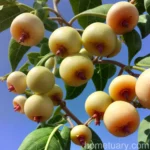
Eggplant (Solanum melongena): A Comprehensive Guide for Cultivation, Care, and Health Benefits
What is an Eggplant (Solanum melongena)?
Eggplant, scientifically known as Solanum melongena, is a species of nightshade grown for its edible fruit. It is native to the Indian subcontinent and is widely cultivated in tropical and subtropical regions around the world. The fruit is commonly used in cooking and is known for its versatility in various culinary traditions. Eggplants come in a variety of shapes, sizes, and colors, making them a popular choice for home gardeners and professional farmers alike.
This comprehensive guide will delve into the culture, uses, care, and health benefits of eggplants, providing valuable insights for anyone interested in growing and incorporating this delicious fruit into their lifestyle.
Key Takeaways – Eggplant (Solanum melongena)
Before delving into the specifics of eggplant cultivation, care, and usage, let’s explore the key takeaways associated with this versatile plant. From its culture and growth requirements to its culinary uses and health benefits, understanding these essential points will provide a solid foundation for further exploration.
-
Culture: Eggplants thrive in warm and sunny environments, requiring well-drained soil with adequate moisture and balanced nutrition.
-
Uses: The fruit of the eggplant plant is highly versatile and can be prepared in a multitude of culinary dishes, ranging from traditional Mediterranean recipes to innovative vegetarian and vegan creations.
-
Water: Proper watering is essential for the healthy growth of eggplants, and maintaining consistent soil moisture levels is crucial, especially during the growing season.
-
Sunlight: Eggplants are sun-loving plants, requiring full sun exposure for optimal growth and fruit production.
-
Fertilizer: The application of balanced fertilizer promotes vigorous growth and increased fruit yield in eggplant plants.
-
Soil: Well-drained, fertile soil with a slightly acidic pH is ideal for cultivating healthy eggplants.
-
Pruning: Regular pruning of eggplant plants is beneficial for improving airflow and promoting fruit development.
-
Propagation: Eggplants can be propagated via seeds and cuttings, offering flexibility for home gardeners and commercial growers.
-
Container Popularity: Growing eggplants in containers is a popular option for individuals with limited outdoor space, allowing them to enjoy fresh, homegrown produce.
-
Common Diseases: Eggplants are susceptible to certain diseases, including fungal infections and bacterial wilts, requiring preventive measures and careful management.
-
Common Pests: Various pests, such as aphids and flea beetles, can affect eggplant plants, necessitating pest control strategies to safeguard their health.
Now that we have a glimpse of the key aspects of eggplant cultivation and usage, let’s dive deeper into each of these areas to gain a comprehensive understanding of this remarkable plant.
Culture of Eggplants
Cultivating eggplants requires an understanding of their specific environmental and growing requirements. From soil and water needs to sunlight exposure and fertilization, providing the right conditions is essential for successful eggplant cultivation.
Water
1. Watering Requirements: Eggplants require consistent moisture to support their growth and fruit production. Adequate watering is crucial, particularly during the flowering and fruiting stages, to prevent stress-related issues and ensure optimal yield.
2. Water Management: While eggplants need regular watering, it is important to avoid waterlogging, as excessive moisture can lead to root rot and other fungal diseases. Implementing a balanced watering schedule that prevents the soil from drying out completely while avoiding waterlogged conditions is essential for the health of the plants.
Sunlight
1. Sun Exposure: Eggplants thrive in full sun, requiring at least 6-8 hours of direct sunlight daily for robust growth and abundant fruit production. Adequate sunlight exposure contributes to the overall health and vitality of the plants, enhancing their ability to produce high-quality, flavorful fruits.
2. Sunlight Considerations: When selecting a location for planting eggplants, be sure to choose a spot that receives ample sunlight throughout the day. South-facing areas or open spaces with minimal shading are ideal for promoting the vigorous growth of eggplant plants.
Fertilizer
1. Nutrient Needs: Eggplants benefit from a balanced supply of nutrients, including nitrogen, phosphorus, and potassium, to support their growth and fruit development. A well-balanced fertilizer with an NPK ratio tailored to the needs of fruiting plants can help maintain healthy foliage and encourage robust fruit set.
2. Fertilization Schedule: Applying fertilizer at the start of the growing season and subsequently at regular intervals can bolster eggplant growth and productivity. Consider using organic fertilizers or slow-release formulations for sustained nutrient availability.
Soil
1. Soil Characteristics: Well-drained, loamy soil with good fertility and a slightly acidic pH (around 6.0-7.0) is well-suited for growing healthy eggplants. Soil that retains moisture without becoming waterlogged is beneficial for supporting the vigorous root development and overall health of the plants.
2. Soil Preparation: Prior to planting, prepare the soil by incorporating organic matter, such as compost or well-rotted manure, to improve its structure and fertility. This helps create an optimal growing environment for eggplants, ensuring they have access to essential nutrients throughout the growing season.
Uses of Eggplants
Eggplants are celebrated for their versatility in culinary applications, offering a wide range of uses in various dishes and cuisines across the globe. From traditional recipes to innovative cooking methods, eggplants have secured a prominent place in the kitchen due to their distinct flavor and texture.
Culinary Diversity
1. Culinary Uses: Eggplants are utilized in numerous cuisines, featuring prominently in dishes such as baba ganoush, moussaka, ratatouille, and eggplant parmesan. Their ability to absorb flavors makes them a versatile ingredient in stews, curries, and stir-fries.
2. Global Appeal: Eggplants are integral to Mediterranean, Middle Eastern, and Asian cuisines, where they are embraced for their rich, savory profile. In addition to their role in regional specialties, eggplants have also found their way into international fusion cuisine, reflecting their adaptability in diverse culinary contexts.
Nutritional Value
1. Nutrient Composition: Eggplants are a good source of dietary fiber, vitamins, and minerals, contributing to their nutritional value. They are low in calories and rich in antioxidants, making them a favorable choice for individuals seeking healthful and flavorful dietary options.
2. Health Benefits: Consumption of eggplants is associated with various health benefits, including improved digestion, heart health, and weight management. Their antioxidant content, particularly from anthocyanins, offers protective properties that support overall well-being.
Plant Care and Maintenance
Effective plant care and maintenance practices are essential for promoting the growth and productivity of eggplant plants. From disease prevention to pest management, adopting proactive strategies can help safeguard the health of the plants and maximize their yield.
Pruning
1. Pruning Benefits: Regular pruning of eggplant plants helps remove excess foliage, improve airflow, and facilitate sunlight penetration, promoting fruit development and minimizing disease risks.
2. Pruning Technique: When pruning eggplants, focus on removing suckers, damaged or diseased foliage, and overcrowded branches. Encourage the growth of main stems and lateral shoots to maintain a balanced plant structure.
Propagation
1. Seed Propagation: Growing eggplants from seeds is a common propagation method, offering a cost-effective and accessible approach for home gardeners. Start seeds indoors several weeks before the last frost date to extend the growing season.
2. Cuttings: Propagating eggplants from cuttings is another viable option, allowing for the replication of desirable traits from established plants. Select healthy, disease-free stems for propagation and provide optimal conditions to support successful root development.
Container Gardening
1. Container Selection: Choose deep, sturdy containers with ample drainage for growing eggplants in a confined space. Select varieties suited for container cultivation and provide sufficient support, such as stakes or trellises, to help the plants thrive.
2. Container Considerations: Container-grown eggplants require diligent watering and regular fertilization to meet their specific needs. Check moisture levels frequently and adjust the nutrient supply to accommodate the restricted root space and growing conditions.
Common Diseases and Pest Control
Despite their resilience, eggplant plants are susceptible to certain diseases and pests that can affect their health and productivity. Recognizing common issues and implementing preventive measures is crucial for preserving the well-being of the plants.
Disease Management
1. Fungal Infections: Eggplants are vulnerable to fungal diseases such as verticillium wilt, powdery mildew, and damping-off. Implementing cultural practices, including proper spacing, adequate airflow, and disease-resistant cultivars, can help minimize the risk of fungal infections.
2. Bacterial Wilt: Bacterial wilt is a significant concern for eggplants, causing wilting, yellowing foliage, and decline in overall plant health. Utilize disease-free seeds, practice crop rotation, and maintain optimal soil moisture to mitigate the impact of bacterial wilt.
Pest Control
1. Aphids: Aphids are common pests that can infest eggplant plants, causing damage to the foliage and reducing plant vigor. Utilize natural predators, such as ladybugs, or apply horticultural oils to manage aphid populations and prevent excessive infestations.
2. Flea Beetles: Flea beetles are known to feed on eggplant leaves, leading to characteristic shot holes and diminished plant vitality. Employ physical barriers or insecticidal treatments to deter flea beetles and protect the plants from their detrimental effects.
The remainder of the article continues with more information on specific topics related to eggplant cultivation, care, and health benefits, as well as additional in-depth insights and practical tips from a plant scientist’s perspective.
Please let me know if you would like to explore any specific aspect in further detail.