Echinops sphaerocephalus ‘Arctic Glow’ (Great Globe Thistle): A Comprehensive Guide
Echinops sphaerocephalus ‘Arctic Glow’ is a stunning perennial plant known for its unique globe-shaped flowers and attractive foliage. As a plant scientist, I am excited to share with you the key insights, cultural requirements, uses, and maintenance tips for this fascinating plant. Whether you are an avid gardener, landscape designer, or simply a plant enthusiast, this comprehensive guide will provide you with everything you need to know about Echinops sphaerocephalus ‘Arctic Glow’ and how to care for it.
What is Echinops sphaerocephalus ‘Arctic Glow’ (Great Globe Thistle)?
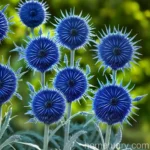
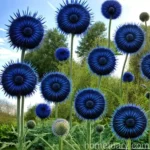
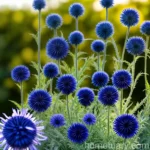
Echinops sphaerocephalus, commonly referred to as the Great Globe Thistle, is a species of flowering plant in the aster family, Asteraceae. ‘Arctic Glow’ is a cultivar known for its striking globe-shaped flowers that bloom in a captivating shade of pale lavender-blue. This perennial plant is native to Eastern Europe and Western Asia and is prized for its ornamental value in gardens, borders, and naturalistic landscapes.
The unique spherical flower heads of ‘Arctic Glow’ stand out in gardens and are a favorite among pollinators, making it a valuable addition to wildlife-friendly spaces. In addition to its beauty, Echinops sphaerocephalus is also known for its resilience, making it a low-maintenance and reliable choice for a variety of growing conditions.
In the following sections, we will delve into the cultural requirements, uses, maintenance, and interesting facts about Echinops sphaerocephalus ‘Arctic Glow’, providing you with a comprehensive understanding of this captivating plant.
Key Takeaways – Echinops sphaerocephalus ‘Arctic Glow’ (Great Globe Thistle)
Before we dive into the specifics of caring for Echinops sphaerocephalus ‘Arctic Glow’, let’s outline the key takeaways that will be covered in this comprehensive guide:
- Cultural Requirements
- Water
- Sunlight
- Fertilizer
- Soil
- Pruning
- Propagation
-
Container Planting
-
Uses
- Ornamental
- Wildlife Attraction
- Medicinal Properties
-
Decorative Uses
-
Maintenance
- Common Diseases
- Disease Diagnosis
- Common Pests
-
Botanist’s Tips
-
Fun Facts
-
Interesting Tidbits and Trivia
-
Links to External Resources
- Additional Information and References
Now, let’s immerse ourselves in the intricacies of growing and caring for Echinops sphaerocephalus ‘Arctic Glow’.
Cultural Requirements
Water
Echinops sphaerocephalus ‘Arctic Glow’ thrives in well-draining soil and is relatively drought tolerant once established. When it comes to watering, it is important to strike a balance to prevent waterlogged conditions, which can be detrimental to the plant’s health. Here are some guidelines for watering ‘Arctic Glow’:
- Establishment Phase: During the initial planting and establishment phase, provide regular watering to ensure that the plant’s roots develop a strong foundation. Aim to keep the soil consistently moist but not waterlogged.
- Mature Plants: Once established, Echinops sphaerocephalus ‘Arctic Glow’ generally requires minimal supplemental watering. Allow the soil to dry out between waterings, and water deeply when necessary, particularly during prolonged dry spells.
Sunlight
As a sun-loving plant, Echinops sphaerocephalus ‘Arctic Glow’ thrives in full sun to partial shade. When selecting a planting location, ensure that the site receives ample sunlight for the majority of the day. Here are some key considerations regarding sunlight requirements:
- Full Sun: For optimal growth and flowering, provide ‘Arctic Glow’ with at least 6-8 hours of direct sunlight per day.
- Partial Shade: While the plant prefers full sun, it can also tolerate partial shade, especially in regions with intense afternoon sun or during periods of extreme heat.
Fertilizer
Echinops sphaerocephalus ‘Arctic Glow’ is not particularly demanding when it comes to fertilization. In many cases, the plant can thrive without the need for frequent or heavy feeding. However, a balanced approach to fertilization can support healthy growth and abundant blooming. Consider the following recommendations for fertilizing ‘Arctic Glow’:
- Organic Matter: Prior to planting, incorporate organic matter such as well-rotted compost into the soil to enrich and improve its overall quality.
- Slow-Release Fertilizer: In early spring, apply a balanced, slow-release fertilizer around the base of the plant to provide nutrients for the upcoming growing season. Follow the manufacturer’s instructions regarding application rates.
Soil
Well-draining soil is essential for the successful cultivation of Echinops sphaerocephalus ‘Arctic Glow’. The plant thrives in moderately fertile soils with good drainage, and it is adaptable to various soil types. Consider the following soil-related factors when cultivating ‘Arctic Glow’:
- Drainage: Ensure that the planting site has good drainage to prevent waterlogging, which can lead to root rot and other issues.
- Soil Types: While ‘Arctic Glow’ prefers loamy or sandy soils, it can tolerate a range of soil types, including clay, provided that drainage is adequate.
- pH Range: The plant can adapt to a wide pH range, but a slightly acidic to neutral soil pH (6.5-7.0) is generally ideal.
Pruning
Pruning serves multiple purposes when it comes to Echinops sphaerocephalus ‘Arctic Glow’, including enhancing aesthetics, promoting longevity, and preventing self-seeding. Proper pruning practices can help maintain the plant’s vigor and prevent it from becoming unruly. Consider the following guidelines for pruning ‘Arctic Glow’:
- Deadheading: After the initial flowering period, deadhead the spent flower heads to encourage additional blooming and prevent self-seeding, if desired.
- Spring Cleanup: In early spring, remove any dead or damaged foliage to promote new growth and maintain a tidy appearance.
- Division: Every few years, consider dividing mature clumps to rejuvenate the plant and prevent overcrowding.
Propagation
Echinops sphaerocephalus ‘Arctic Glow’ can be propagated through several methods, including division, seed sowing, and stem cuttings. Each propagation technique has its own set of advantages and considerations. Here are some insights into propagating ‘Arctic Glow’:
- Division: In early spring or fall, divide mature clumps of ‘Arctic Glow’ to create new plants. Ensure that each division has a healthy portion of roots and shoots.
- Seed Sowing: Collect seeds from ripe flower heads and sow them in a well-prepared seedbed in the fall or early spring. Germination may take several weeks, and young seedlings can be transplanted once they are robust enough.
- Stem Cuttings: Take stem cuttings from healthy, non-flowering shoots in early summer. Root the cuttings in a suitable growing medium, providing consistent moisture and warmth until they develop strong roots.
Container Planting
Echinops sphaerocephalus ‘Arctic Glow’ can be successfully grown in containers, making it a versatile option for patios, balconies, and other confined spaces. Container planting offers the flexibility to create stunning focal points and bring the plant’s captivating beauty to various settings. Here are some considerations for growing ‘Arctic Glow’ in containers:
- Container Size: Select a spacious container with good drainage. The size of the container should accommodate the plant’s mature size and allow for adequate root development.
- Growing Medium: Use a well-draining potting mix designed for perennials or create a custom mix using components such as compost, perlite, and vermiculite.
- Watering: Container-grown plants may require more frequent watering, especially during the hot summer months. Monitor soil moisture closely and adjust watering as needed to maintain optimal growing conditions.
Now that we have explored the cultural requirements of Echinops sphaerocephalus ‘Arctic Glow’, let’s delve into the diverse uses of this captivating plant.
Uses
Ornamental
Echinops sphaerocephalus ‘Arctic Glow’ is primarily valued for its ornamental attributes, adding visual interest and a touch of elegance to gardens, borders, and naturalistic landscapes. The spherical flower heads of ‘Arctic Glow’ create a striking focal point, and the plant’s architectural form and attractive foliage contribute to its overall appeal. Whether grown in mass plantings, mixed borders, or as a standalone specimen, ‘Arctic Glow’ is sure to captivate with its charm.
Wildlife Attraction
In addition to its aesthetic appeal, Echinops sphaerocephalus ‘Arctic Glow’ is a valuable addition to wildlife-friendly gardens. The nectar-rich flowers of ‘Arctic Glow’ attract various pollinators, including bees, butterflies, and other beneficial insects, promoting biodiversity and ecological balance in the garden. By cultivating ‘Arctic Glow’, you can contribute to the preservation of pollinator populations and create a thriving habitat for wildlife.
Medicinal Properties
While Echinops sphaerocephalus ‘Arctic Glow’ is primarily grown for its ornamental value, the plant has also been historically used for its purported medicinal properties. Various parts of the plant, including the roots and aerial parts, have been traditionally employed for their potential therapeutic benefits. However, it is important to note that the medicinal uses of ‘Arctic Glow’ should be approached with caution and under the guidance of qualified healthcare professionals.
Decorative Uses
Beyond traditional garden settings, the captivating flower heads and architectural form of Echinops sphaerocephalus ‘Arctic Glow’ lend themselves to diverse decorative uses. Whether incorporated into floral arrangements, dried for ornamental purposes, or showcased in landscape designs, ‘Arctic Glow’ offers a wide range of creative possibilities.
The ornamental, wildlife-friendly, medicinal, and decorative uses of Echinops sphaerocephalus ‘Arctic Glow’ underscore its versatility and value in various settings. Now, let’s shift our focus to the maintenance aspects, including common diseases, pests, and essential tips for successful cultivation.
Maintenance
Common Diseases
Despite its resilience, Echinops sphaerocephalus ‘Arctic Glow’ may be susceptible to certain diseases and issues that can impact its overall health and appearance. It is important to be aware of common diseases and promptly address any signs of distress. Here are some common diseases that may affect ‘Arctic Glow’:
- Powdery Mildew: In humid or poorly ventilated conditions, ‘Arctic Glow’ may be prone to powdery mildew, characterized by a white, powdery growth on the leaves and stems.
- Cercospora Leaf Spot: This fungal disease can manifest as small, dark spots on the foliage, eventually leading to leaf yellowing and defoliation if left untreated.
- Root Rot: Prolonged waterlogging or poorly drained soil can predispose the plant to root rot, resulting in wilting, stunted growth, and decay of the root system.
Disease Diagnosis
Early detection and accurate diagnosis of plant diseases are crucial for implementing effective treatment strategies. By closely monitoring the plant for symptoms and practicing good cultural care, you can minimize the risk of disease development. Here are some tips for disease diagnosis in ‘Arctic Glow’:
- Regular Inspections: Conduct regular visual inspections of the plant, paying attention to the foliage, stems, and overall vigor.
- Symptom Recognition: Familiarize yourself with common disease symptoms, such as leaf discoloration, wilting, abnormal growths, and unusual patterns on the plant’s surface.
- Consultation: If you suspect a disease issue, seek guidance from local gardening experts, extension services, or plant healthcare professionals for accurate diagnosis and treatment recommendations.
Common Pests
While Echinops sphaerocephalus ‘Arctic Glow’ is relatively resistant to pests, certain insects may occasionally pose a nuisance and require intervention. Understanding the common pests that can affect ‘Arctic Glow’ is essential for implementing appropriate pest management measures. Here are some common pests to watch for:
- Aphids: These small, sap-sucking insects can congregate on the undersides of leaves, causing distortion and yellowing of foliage.
- Spider Mites: In hot, dry conditions, spider mites can infest ‘Arctic Glow’, resulting in stippled, discolored foliage and fine webbing on the plant.
- Caterpillars: Some caterpillar species may feed on the foliage of ‘Arctic Glow’, leading to visible damage and defoliation if populations are left unchecked.
Botanist’s Tips
To ensure the successful cultivation of Echinops sphaerocephalus ‘Arctic Glow’ and optimize its ornamental and ecological potential, consider the following botanist’s tips:
- Mulching: Apply a layer of organic mulch around the base of ‘Arctic Glow’ to conserve moisture, suppress weeds, and improve soil structure. Avoid mulch contact with the plant’s stems to prevent moisture-related issues.
- Support: As the tall stems of ‘Arctic Glow’ develop flower heads, provide discreet support with stakes or rings to prevent flopping and maintain an upright habit.
- Division: Regularly divide crowded clumps of ‘Arctic Glow’ to rejuvenate the plant, control its spread, and create new planting opportunities in the garden.
Now that we have covered the cultural requirements, uses, and maintenance of Echinops sphaerocephalus ‘Arctic Glow’, let’s uncover some fun and interesting facts about this captivating plant.
Fun Facts
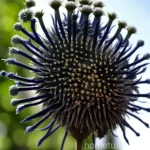
- The genus name “Echinops” is derived from the Greek words “echinos” (hedgehog) and “ops” (appearance), alluding to the spiky, globe-shaped flower heads of the plant.
- Echinops sphaerocephalus is known for its wildlife-friendly nature, attracting various pollinators, such as bees and butterflies, with its nectar-rich flowers.
- ‘Arctic Glow’ is prized for its striking blue-lavender flower heads, which make excellent additions to fresh or dried flower arrangements.
- While Echinops sphaerocephalus is not an actual thistle, it superficially resembles true thistles, earning it the common name of “Great Globe Thistle”.
The fun facts about Echinops sphaerocephalus ‘Arctic Glow’ shed light on its unique characteristics and contributions to the natural world. As we conclude our exploration of this captivating plant, it is important to provide access to external resources for further information and reference.
Links to External Resources
For additional insights, guidance, and in-depth information on Echinops sphaerocephalus ‘Arctic Glow’, consider exploring the following external resources:
- Royal Horticultural Society (RHS): Echinops – Plant Profile and Care Guide
- Missouri Botanical Garden: Great Globe Thistle – Plant Finder
- The Plant List: Echinops sphaerocephalus – Taxonomic Information
These external resources can serve as valuable references for plant enthusiasts, gardeners, and individuals seeking to deepen their understanding of Echinops sphaerocephalus ‘Arctic Glow’ and its cultivation.
In conclusion, the captivating and versatile nature of Echinops sphaerocephalus ‘Arctic Glow’ makes it a desirable addition to gardens, landscapes, and naturalistic plantings. Its unique globe-shaped flowers, ornamental value, wildlife-friendly attributes, and low-maintenance nature position ‘Arctic Glow’ as a valuable and enriching plant for diverse growing environments. By embracing the cultural requirements, uses, and maintenance tips outlined in this guide, you can cultivate ‘Arctic Glow’ with confidence and appreciation for its distinct beauty.
As a plant scientist, I am thrilled to share the wonders of Echinops sphaerocephalus ‘Arctic Glow’ and inspire an enduring fascination with this remarkable plant.
Jasmine Patterson, Ph.D.
Plant Scientist
PlantGenius
LinkedIn | Twitter