Echinops bannaticus ‘Blue Glow’ (Globe Thistle): A Comprehensive Guide
What is plant : Echinops bannaticus ‘Blue Glow’ (Globe Thistle)?
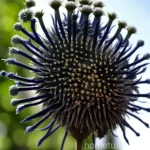
Echinops bannaticus ‘Blue Glow’, commonly known as Globe Thistle, is a striking perennial plant that belongs to the Asteraceae family. It is native to southeastern Europe and is prized for its stunning, globe-shaped, metallic blue flowers. This plant is beloved by gardeners for its attractive appearance and low maintenance requirements. The robust nature of Echinops bannaticus ‘Blue Glow’ makes it an excellent choice for various garden settings, including borders, pollinator gardens, and mixed plantings.
Key Takeaways – Echinops bannaticus ‘Blue Glow’ (Globe Thistle)
Before delving deeper into the specifics of Echinops bannaticus ‘Blue Glow’, let’s take a quick look at the key takeaways:
- Plant Name: Echinops bannaticus ‘Blue Glow’ (Globe Thistle)
- Family: Asteraceae
- Common Name: Globe Thistle
- Native Habitat: Southeastern Europe
- Distinctive Feature: Globe-shaped, metallic blue flowers
- Uses: Ornamental, pollinator-friendly, low maintenance garden plant
Now, let’s explore the various facets of this captivating plant, including its culture, uses, care requirements, and more.
Culture of Echinops bannaticus ‘Blue Glow’ (Globe Thistle)
Understanding the cultural requirements of Echinops bannaticus ‘Blue Glow’ is crucial for ensuring its successful growth and development in a garden or landscape setting.
Water
Echinops bannaticus ‘Blue Glow’ prefers well-draining soil and has moderate water needs. When establishing this plant, it is essential to provide regular watering to support the development of a healthy root system. Once established, Globe Thistle exhibits good drought tolerance and can thrive in relatively dry conditions.
Sunlight
This plant thrives in full sun and benefits from at least six to eight hours of direct sunlight daily. Adequate sun exposure is essential for promoting robust growth and vibrant flower production in Echinops bannaticus ‘Blue Glow’.
Soil
Well-draining, loamy soils are ideal for Echinops bannaticus ‘Blue Glow’. It is important to avoid waterlogged or compacted soils, as they can lead to root rot and other problems. Amending the soil with organic matter can help improve its structure and fertility, creating a more favorable growing environment for Globe Thistle.
Fertilizer
Globe Thistle generally does not have high fertilizer requirements. However, a balanced, slow-release fertilizer applied in spring can provide the plant with essential nutrients for the growing season. It is important to follow the recommended dosage and application guidelines to prevent over-fertilization, which can be detrimental to the plant.
Pruning
Pruning is an essential aspect of Globe Thistle maintenance, helping to promote tidier growth and encouraging prolific flowering. In early spring, it is beneficial to remove any dead or damaged foliage from the previous season. Additionally, spent flower heads can be deadheaded to prolong the blooming period and enhance the plant’s overall aesthetics.
Propagation
Echinops bannaticus ‘Blue Glow’ can be propagated through division or seed sowing. Division is typically carried out in early spring or late autumn, where the plant’s clumps can be carefully separated and replanted. When propagating from seeds, it is important to provide a warm, well-lit environment for germination to occur successfully.
Container Popularity
Globe Thistle is well-suited for container cultivation, adding color and texture to patio areas, balconies, and other outdoor spaces. When grown in containers, it is crucial to ensure adequate drainage and provide the plant with the necessary sunlight and water requirements.
Common Diseases
While Echinops bannaticus ‘Blue Glow’ is relatively resistant to many diseases, it can be susceptible to issues such as powdery mildew and leaf spot in conditions of high humidity or poor air circulation. Implementing proper cultural practices, such as maintaining good airflow around the plant and avoiding overhead irrigation, can help mitigate disease pressure.
Disease Diagnosis
The diagnosis of diseases in Globe Thistle typically involves a thorough visual inspection of the plant, focusing on the presence of unusual spots, discoloration, or fungal growth on the foliage. Additionally, monitoring environmental conditions, such as humidity levels and watering practices, can provide valuable insights into potential disease development.
Common Pests
Globe Thistle is relatively resistant to pest infestations. However, occasional issues with aphids or spider mites may arise, especially during periods of high stress or when grown in suboptimal conditions. Regular monitoring and the use of natural predators or insecticidal soaps can help manage pest populations effectively.
Botanist’s Tips
- Pollinator Attraction: Echinops bannaticus ‘Blue Glow’ is a valuable addition to pollinator gardens, attracting bees, butterflies, and other beneficial insects with its nectar-rich flowers.
- Companion Planting: Pair Globe Thistle with complementary plants, such as ornamental grasses, salvias, and sedums, to create visually appealing and ecologically beneficial garden compositions.
- Seasonal Interest: The distinctive, steel-blue flowers of Globe Thistle provide captivating visual interest in the garden and can be incorporated into cut flower arrangements for indoor enjoyment.
Fun Facts
- The genus name “Echinops” is derived from the Greek words “echinos,” meaning “hedgehog,” and “ops,” meaning “resembling,” referring to the spiky appearance of the plant’s flower heads.
- Echinops bannaticus ‘Blue Glow’ is known for its ability to thrive in challenging, dry environments, making it a resilient choice for xeriscapes and water-wise landscapes.
Links to External Resources
For further information on Echinops bannaticus ‘Blue Glow’ and related topics, the following external resources are highly valuable:
- Royal Horticultural Society – Echinops bannaticus ‘Blue Glow’ Profile
- Missouri Botanical Garden – Globe Thistle Plant Care
- North Carolina State University Extension – Globe Thistle in Pollinator Gardens
In this extensive guide, we’ve explored the captivating qualities of Echinops bannaticus ‘Blue Glow’ (Globe Thistle) and delved into its cultural requirements, uses, and maintenance considerations. Whether you’re a seasoned gardener or a newcomer to the world of ornamental plants, Globe Thistle offers an array of benefits and opportunities for creative expression in garden design. With its striking blue flowers, pollinator-friendly nature, and low maintenance demands, Echinops bannaticus ‘Blue Glow’ stands as a versatile and appealing choice for diverse garden settings.