Dryopteris Ludoviciana (Southern Wood Fern)
Dryopteris ludoviciana, commonly known as Southern Wood Fern, is a stunning perennial fern species that belongs to the Dryopteridaceae family. Native to.
Introduction
Dryopteris ludoviciana, commonly known as Southern Wood Fern, is a stunning perennial fern species that belongs to the Dryopteridaceae family. Native to North America, these ferns are known for their lush, deep green fronds and are a popular choice for garden enthusiasts due to their low maintenance and adaptability to various growing conditions. In this comprehensive care guide, we will delve into the various aspects of nurturing Dryopteris ludoviciana, including its cultural requirements, uses, propagation, common diseases, and much more. Whether you are an experienced gardener or a beginner looking to add a touch of natural elegance to your surroundings, this guide aims to equip you with all the necessary knowledge for the successful cultivation of Southern Wood Fern.
What is Dryopteris ludoviciana?
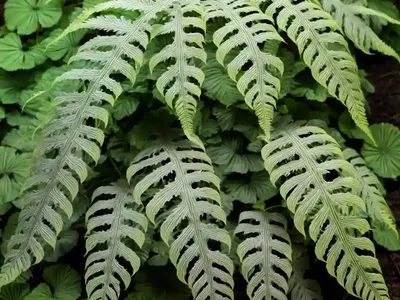
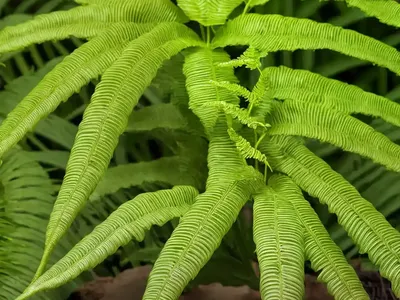
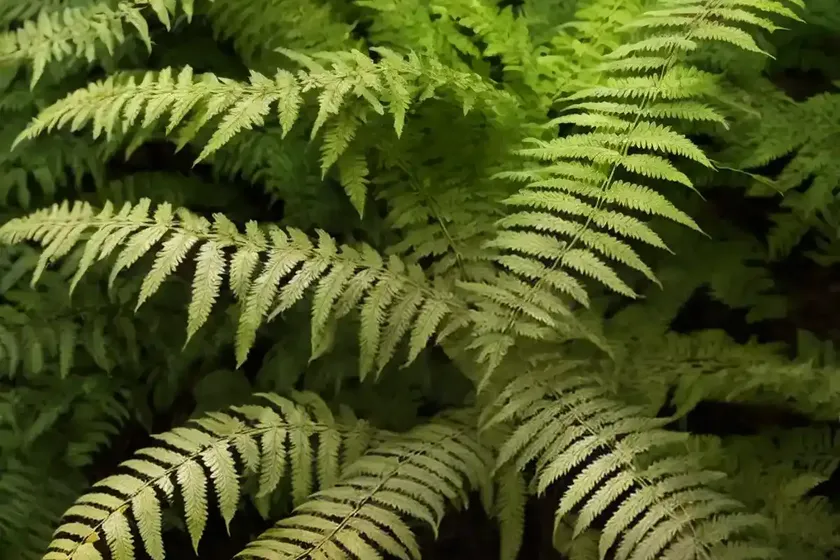
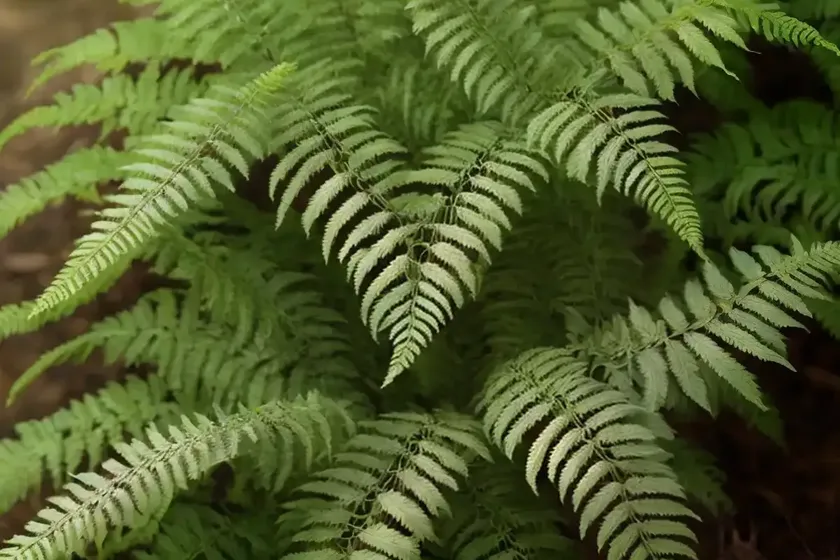
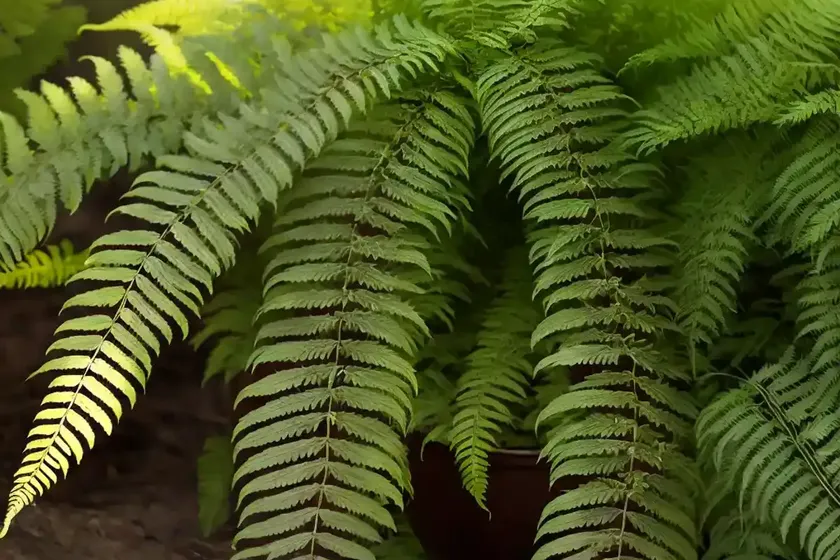
Dryopteris ludoviciana, also known as Southern Wood Fern, is a species of fern that is native to the southeastern United States. These perennial ferns are characterized by their elegant, leathery fronds that can grow up to 3 feet in length, creating a graceful and lush appearance. The fronds of Dryopteris ludoviciana are bipinnate, with deeply toothed pinnae that add to their ornamental value. This fern species thrives in shaded woodland areas, making it a perfect choice for gardens or landscapes with partial to full shade.
Key Takeaways – Dryopteris ludoviciana (Southern Wood Fern)
Culture
- Southern Wood Fern is well-suited for shaded woodland gardens, rock gardens, rain gardens, and vertical gardens.
- It can be grown as groundcover and is an excellent choice for underplanting in mixed plantings.
- Dryopteris ludoviciana adds a touch of natural elegance to shady landscapes and can serve as an accent plant or border plant.
Uses
- The lush, deep green fronds of Dryopteris ludoviciana make it an aesthetically pleasing choice for landscaping, both in natural and urban settings.
- Due to its air-purifying properties, Southern Wood Fern can contribute to healthier indoor environments when used as a houseplant.
Water
- Adequate moisture is essential for the healthy growth of Dryopteris ludoviciana. It prefers consistently moist soil and is suitable for planting in wetland areas.
Sunlight
- Southern Wood Fern thrives in partial to full shade and is well-adapted to shaded environments such as woodland gardens.
Fertilizer
- Regular fertilization during the growing season can promote the vigor and lushness of Dryopteris ludoviciana. Opt for a balanced, slow-release fertilizer.
Soil
- Well-draining, rich, and slightly acidic soil is ideal for cultivating Southern Wood Fern. Organic matter can be incorporated into the soil to enhance its quality.
Pruning
- While Southern Wood Fern does not require extensive pruning, removing damaged or discolored fronds can enhance its appearance.
Propagation
- Dryopteris ludoviciana can be propagated through spores or by division during the early spring or fall.
Container Popularity
- Southern Wood Fern is a popular choice for container gardening, adding a touch of greenery to shaded outdoor spaces and indoor environments.
Common Diseases
- Keeping an eye out for common fern diseases such as leaf spot and rust is essential to maintain the health and vitality of Dryopteris ludoviciana.
Disease Diagnosis
- Regular inspection of the fronds for discoloration, spotting, or unusual patterns can aid in the early diagnosis of potential diseases.
Common Pests
- Southern Wood Fern is relatively resistant to pests, but occasional infestations by slugs or snails may occur, particularly in moist environments.
Botanist’s Tips
- Ensure consistent moisture levels for optimal growth and vitality of Dryopteris ludoviciana, especially during the warmer months.
- Incorporating a layer of organic mulch around the base of the plant can help retain soil moisture and regulate temperature.
Fun Facts
- Dryopteris ludoviciana is a sought-after choice for adding a touch of natural beauty to shady landscapes and gardens.
- The lush fronds of Southern Wood Fern can create a captivating contrast when planted alongside other shade-loving plants.
Southern Wood Fern (Dryopteris ludoviciana) Care Guide
Plant Name: Dryopteris ludoviciana (Southern Wood Fern)
When it comes to the successful cultivation of Dryopteris ludoviciana, understanding its specific requirements and characteristics is crucial. Let’s delve into the essential aspects of caring for Southern Wood Fern, from its preferred growing conditions to its propagation and potential uses.
Soil Requirements
Southern Wood Fern thrives in well-draining, organically rich soil with slightly acidic pH levels. A mixture of peat moss, compost, and loamy soil can provide the ideal growing medium for Dryopteris ludoviciana. The addition of organic matter aids in retaining moisture while promoting the development of a healthy root system.
Light Preferences
Being well-adapted to shaded environments, Dryopteris ludoviciana thrives in partial to full shade. When grown in optimal light conditions, the fronds of Southern Wood Fern exhibit their characteristic deep green color and lush texture. Woodland gardens, shaded landscapes, and areas with dappled sunlight are ideal for the successful cultivation of this fern species.
Water Needs
Adequate moisture is essential for the healthy growth of Dryopteris ludoviciana. Regular watering, particularly during dry spells, helps maintain the soil moisture levels necessary for the vigor and vitality of Southern Wood Fern. This fern is well-suited for planting in wetland areas or near water features, where it can benefit from consistently moist soil conditions.
Fertilization
Applying a balanced, slow-release fertilizer during the growing season can promote the lushness and overall vigor of Dryopteris ludoviciana. Opt for a fertilizer with a balanced NPK ratio to provide the necessary nutrients for healthy frond development. Avoid over-fertilization, as excessive nutrients can potentially harm the fern and disrupt its natural growth patterns.
Pruning
While Southern Wood Fern does not require extensive pruning, periodic maintenance can help enhance its appearance and remove any damaged or discolored fronds. Trimming away dead or unhealthy fronds can contribute to the overall aesthetic appeal of Dryopteris ludoviciana, allowing new growth to flourish.
Propagation
Dryopteris ludoviciana can be propagated through spores or by division, with the latter being a more common method for home gardeners. The division of clumps can take place in early spring or fall, allowing for the establishment of new plants with distinct root systems. By propagating Southern Wood Fern, gardeners can expand their fern collection and introduce this elegant species to different areas of the garden.
Container Gardening
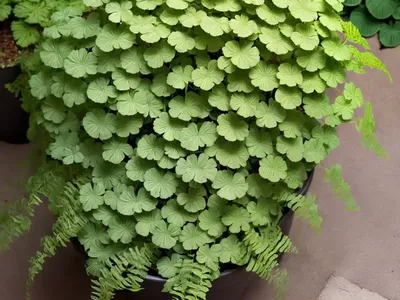
Southern Wood Fern is a popular choice for container gardening due to its adaptability to shaded environments and its low maintenance requirements. When selecting a container for Dryopteris ludoviciana, opt for a spacious, well-draining pot that allows for adequate root growth. Whether used in outdoor settings or as an indoor houseplant, Southern Wood Fern adds a touch of natural elegance to any space.
Common Diseases and Pest Control
Disease Prevention
Maintaining proper air circulation and watering practices can contribute to the prevention of common fern diseases such as leaf spot and rust. Additionally, avoiding overhead watering and promptly removing any diseased fronds can assist in the prevention of potential fungal infections.
Disease Resistance
Southern Wood Fern exhibits a degree of resistance to common fern diseases, particularly when grown in favorable conditions with adequate moisture and soil quality. By providing optimal growing conditions, gardeners can promote the natural resilience of Dryopteris ludoviciana and minimize the risk of disease outbreaks.
Pest Control
While Southern Wood Fern is relatively resistant to pest infestations, occasional encounters with slugs or snails may occur, particularly in moist, shaded environments. Handpicking these pests or implementing natural pest control measures can help mitigate potential damage to the fronds of Dryopteris ludoviciana. Additionally, creating barriers or using organic repellents can deter pests from feeding on the lush foliage of Southern Wood Fern.
How to Care for Dryopteris ludoviciana
Outdoor Growth
When cultivating Dryopteris ludoviciana in outdoor settings, it is essential to provide the appropriate growing conditions that mimic its natural habitat. Select shaded areas in the garden, preferably with well-draining, fertile soil, and incorporate organic matter to enhance soil quality. Regular watering and fertilization during the growing season can promote the healthy development of this elegant fern species.
Indoor Cultivation
As a houseplant, Southern Wood Fern adds a touch of natural beauty to indoor environments, especially those with limited access to natural light. When cultivating Dryopteris ludoviciana indoors, ensure that it receives indirect sunlight or artificial light sources, as prolonged exposure to direct sunlight can potentially damage the fronds. Adequate watering, humidity, and occasional fertilization are key elements of successful indoor cultivation.
Southern Wood Fern Varieties and Features
Growth Rate
Dryopteris ludoviciana exhibits a moderate growth rate, gradually forming dense clumps of lush, deep green fronds in suitable growing conditions. With proper care and maintenance, Southern Wood Fern can establish a captivating presence in shaded landscapes, adding a touch of natural elegance to woodland gardens and other outdoor settings.
Leaf Morphology
The bipinnate fronds of Dryopteris ludoviciana feature deeply toothed pinnae, enhancing the ornamental appeal of this perennial fern species. The distinctive leaf morphology of Southern Wood Fern adds to its visual allure, making it a sought-after choice for those looking to introduce a touch of vibrant greenery to shaded landscapes.
Foliage Color
The fronds of Southern Wood Fern boast a rich, deep green coloration, providing a captivating contrast in shaded environments. Whether planted alongside other shade-loving species or used as a standalone accent plant, the lush foliage of Dryopteris ludoviciana adds a vibrant touch to its surroundings, contributing to the overall aesthetic appeal of the garden or landscape.
Southern Wood Fern in Landscaping and Gardens
Shade Gardens
Dryopteris ludoviciana is a perfect fit for shade gardens, where its adaptability to shaded environments and low maintenance requirements make it a valuable addition. When creating a shade garden, consider incorporating Southern Wood Fern to introduce lush, vibrant foliage that thrives in partial to full shade, enhancing the natural beauty of the landscape.
Woodland Gardens
The elegant presence of Southern Wood Fern makes it an ideal choice for woodland gardens, shaded meadows, and areas with dappled sunlight. The lush fronds of Dryopteris ludoviciana can blend seamlessly into woodland settings, adding a touch of greenery to these natural environments and complementing the surrounding flora.
Rock Gardens
In rock gardens or areas with rocky, well-draining soil, Southern Wood Fern can contribute to the visual appeal with its graceful fronds and adaptability to partial shade. Consider planting Dryopteris ludoviciana amidst rocks and boulders, creating a captivating contrast between the lush foliage and the rugged terrain characteristic of rock garden landscapes.
Rain Gardens
With its preference for consistently moist soil, Dryopteris ludoviciana can thrive in rain gardens and areas with periodic water accumulation. The resilience of Southern Wood Fern to varying moisture levels makes it a suitable choice for rain gardens, where it can contribute to the overall biodiversity and aesthetic charm of these natural habitats.
Vertical Gardens
Southern Wood Fern can be incorporated into vertical garden designs, adding a touch of natural elegance to vertical green spaces. By planting Dryopteris ludoviciana in vertical gardens or living walls, gardeners can introduce lush, vibrant foliage that ascends gracefully, contributing to the vertical greening of outdoor spaces and urban environments.
Companion Plants
When selecting companion plants for Dryopteris ludoviciana, consider shade-loving species that can thrive in similar growing conditions. Hostas, astilbes, and fern allies such as Athyrium filix-femina are excellent choices to complement the elegant presence of Southern Wood Fern and create harmonious plantings in shaded landscapes.
Natural Habitat
In its native distribution across the southeastern United States, Southern Wood Fern can be found in woodland areas, shaded slopes, and along stream banks. By understanding the natural habitat of Dryopteris ludoviciana, gardeners can create suitable growing conditions that mirror its indigenous environment, promoting the health and vitality of this graceful fern species.
Cultural Significance and Wildlife Attraction
Aesthetics
The aesthetic appeal of Dryopteris ludoviciana makes it a valuable addition to gardens, landscapes, and natural settings. Whether used as a standalone specimen or as part of mixed plantings, the lush fronds of Southern Wood Fern contribute to the overall aesthetics, adding vibrancy and natural allure to the surrounding environment.
Wildlife Attraction
The dense, lush foliage of Southern Wood Fern provides shelter and foraging opportunities for various wildlife species, including small mammals, insects, and birds. By creating a hospitable environment for wildlife, gardeners can contribute to the ecological value of their landscape while enjoying the captivating presence of Dryopteris ludoviciana.
Southern Wood Fern for Shady Landscapes
For Shade Gardens
When designing a shade garden, incorporating Dryopteris ludoviciana can introduce a touch of vibrant greenery to shaded environments, enhancing the visual appeal and natural beauty of the landscape. The adaptability of Southern Wood Fern to partial to full shade makes it an invaluable addition to shade gardens, contributing to the overall lushness and biodiversity of these serene settings.
As Groundcover
In shaded areas where a low-maintenance ground cover is desired, Southern Wood Fern offers an excellent solution. The spreading habit and lush growth of Dryopteris ludoviciana can create a dense carpet of foliage, effectively covering the ground and adding a touch of natural elegance to the surroundings.
In Woodland Gardens
The graceful presence of Southern Wood Fern makes it an ideal choice for woodland gardens and shaded landscapes. When utilized in woodland settings, Dryopteris ludoviciana can blend harmoniously with other shade-loving plants, contributing to the overall diversity and visual charm of the garden while thriving in its preferred shaded environment.
Drought Tolerance
While Southern Wood Fern prefers moist soil and shaded environments, it exhibits a degree of drought tolerance once established. Optimal watering practices and soil moisture management are essential during dry spells to support the resilience and vitality of Dryopteris ludoviciana in the landscape.
Southern Wood Fern – Additional Features
Winter Care
In preparation for the winter season, it is essential to ensure that Dryopteris ludoviciana is adequately mulched to protect the root system and maintain soil moisture levels. Providing a layer of organic mulch around the base of the plant can help insulate the roots and shield them from potential cold damage.
Growth Habit
The clumping growth habit of Southern Wood Fern makes it a suitable choice for creating focal points in shady landscapes and gardens. The gradual expansion of lush fronds adds to the visual appeal of Dryopteris ludoviciana, allowing it to establish a captivating presence in its preferred growing conditions.
Edging Suggestions
When used as an edging plant in shaded landscapes, Southern Wood Fern can create a defined border that adds a touch of natural elegance to garden beds, pathways, and other landscaping features. The lush, gracefully arching fronds of Dryopteris ludoviciana contribute to soft, natural edging that complements the overall design of the landscape.
Erosion Control
Due to its spreading growth habit and adaptability to shaded environments, Dryopteris ludoviciana can serve as an effective erosion control solution in areas with soil instability. The dense, fibrous root system of Southern Wood Fern helps stabilize the soil, preventing erosion and contributing to the conservation of the landscape.
Underplanting Ideas
When underplanting trees or larger shrubs in shaded landscapes, consider incorporating Southern Wood Fern to introduce a layer of lush foliage that complements the vertical elements of the garden. The graceful fronds of Dryopteris ludoviciana can enhance the understory, adding depth and texture to the overall planting design.
Dryopteris ludoviciana in Herbal Medicine
Uses in Herbal Medicine
Southern Wood Fern possesses certain medicinal properties that have been recognized in traditional herbal medicine. The rootstock of Dryopteris ludoviciana has been used to create herbal preparations with potential therapeutic benefits, although it is essential to seek guidance from qualified herbal practitioners for its safe and appropriate usage.
External Resources
To further enhance your knowledge and understanding of Southern Wood Fern and its cultivation, uses, and potential applications, explore the following external resources:
– The American Fern Society
– Royal Horticultural Society – Ferns
– University of Florida IFAS Extension – Ferns in the Garden
By delving into the wealth of information available in these resources, you can gain valuable insights into the world of ferns and deepen your understanding of Dryopteris ludoviciana in particular.
In conclusion, Southern Wood Fern (Dryopteris ludoviciana) stands as an elegant and resilient fern species that offers a multitude of possibilities for enhancing gardens, landscapes, and natural environments with its lush foliage and adaptability to shaded conditions. By understanding and applying the principles outlined in this comprehensive care guide, you can foster the healthy growth and vitality of Dryopteris ludoviciana while exploring its potential uses and applications in diverse settings. From shaded gardens to indoor spaces, Southern Wood Fern serves as a timeless symbol of natural beauty and grace, adding a touch of vibrancy to our surroundings and enriching our connection with the botanical world.