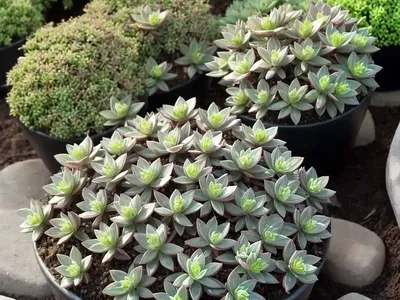
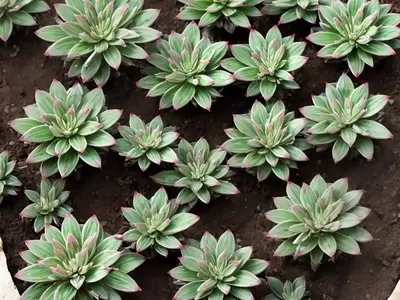
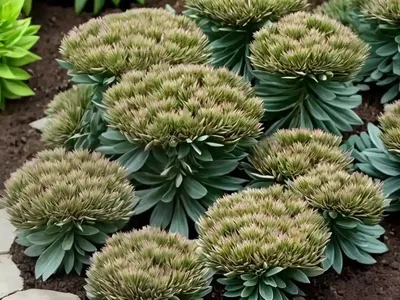
Echeveria Derenbergii)
Echeveria derenbergii, also known as the painted lady or Echeveria harmsii, is a stunning succulent plant that belongs to the Crassulaceae family. Native.
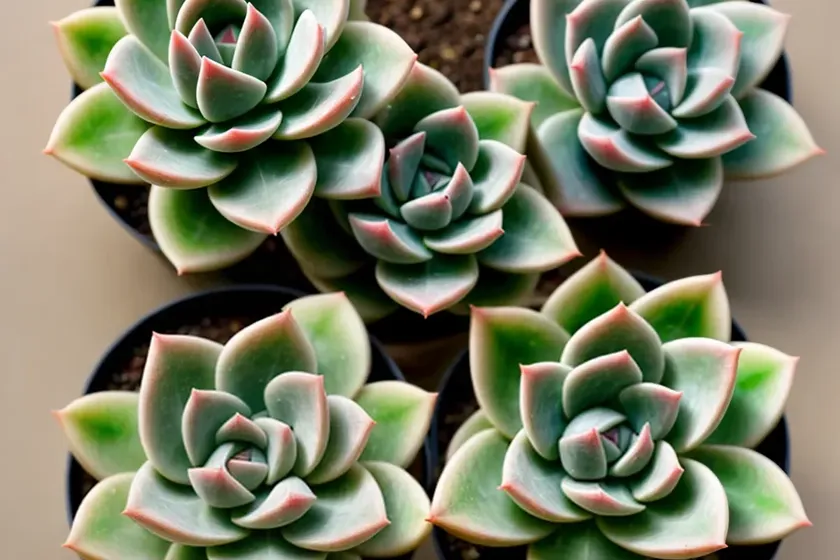
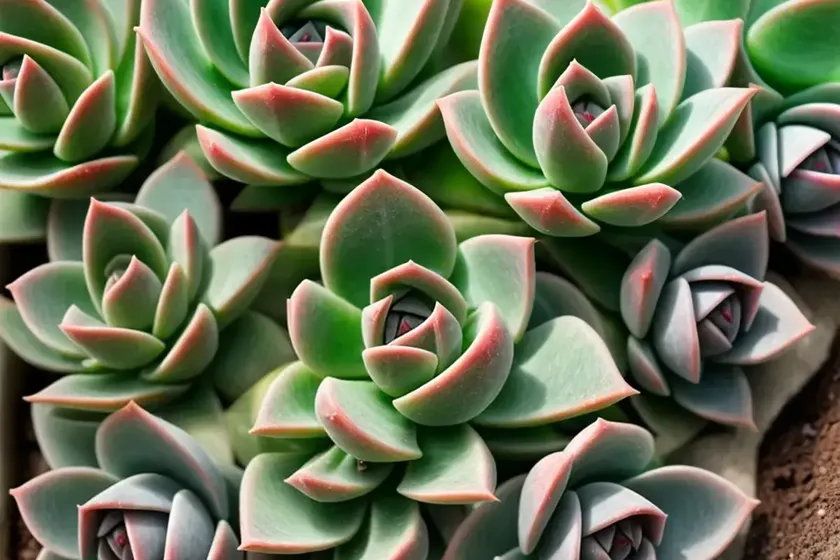
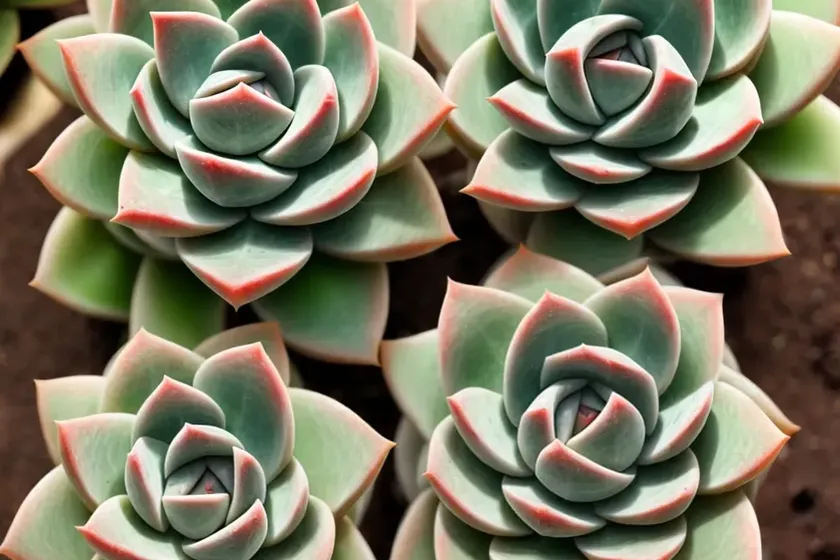
Echeveria derenbergii, also known as the painted lady or Echeveria harmsii, is a stunning succulent plant that belongs to the Crassulaceae family. Native to Mexico, it is a popular choice among succulent enthusiasts and gardeners due to its compact, rosette-forming growth habit and attractive foliage. In this comprehensive guide, we will delve into all aspects of caring for Echeveria derenbergii, including its cultural requirements, propagation, maintenance, common pests and diseases, and much more. Whether you are a seasoned succulent collector or a beginner looking to add Echeveria derenbergii to your plant collection, this guide has all the information you need to ensure the health and vitality of your succulent.
Plant Name: Echeveria derenbergii
Echeveria derenbergii is a stunning succulent plant known for its compact rosettes, powdery blue-grey leaves, and striking coral-colored flowers. This Mexican native is a hardy, drought-tolerant plant that is also deer-resistant, making it an excellent choice for gardens or containers in a variety of climates.
Key Takeaways – Echeveria derenbergii
Before we delve into the specifics of caring for Echeveria derenbergii, let’s take a look at some key takeaways about this beautiful succulent:
- Common Name: Painted Lady, Echeveria Harmsii
- Family: Crassulaceae
- Origin: Mexico
- Type: Succulent
- Watering: Moderate
- Sunlight: Full to partial sun
- Soil: Well-draining, sandy soil
- Height: Up to 6 inches (15 cm) tall
- Spread: Up to 12 inches (30 cm) wide
- Flowering: Coral-pink flowers in spring
- USDA Hardiness Zones: 9-11
Now, let’s dive deeper into the specifics of caring for Echeveria derenbergii.
Culture
Uses
Echeveria derenbergii is a versatile plant with a range of uses, including:
- Garden beds: It can be planted in rock gardens, succulent gardens, or as edging plants.
- Containers: Well-suited for containers and can be grown indoors or outdoors.
- Landscaping: Adds texture and color to xeriscapes and drought-tolerant landscapes.
- Decorative displays: Ideal for succulent arrangements and terrariums.
The versatility of Echeveria derenbergii makes it a popular choice for various gardening and design purposes.
Water
Echeveria derenbergii, like most succulents, is adapted to survive in arid conditions and prefers infrequent watering. Overwatering can lead to root rot and other issues, so it is essential to practice moderation when watering this plant.
– Watering Frequency: Water your Echeveria derenbergii when the top inch of the soil is dry. Typically, this will translate to about once every 10-14 days, but always check the soil moisture before watering.
– Watering Method: Water the soil directly, taking care to avoid getting water on the leaves, as moisture on the leaves can lead to rot and fungal diseases.
– Seasonal Variations: In the spring and summer growing season, you may need to water more frequently, while in the fall and winter, you can reduce watering to mimic the plant’s natural dormancy period.
Sunlight
Echeveria derenbergii thrives in bright, direct sunlight and requires ample light to grow and maintain its compact shape and vibrant coloration. Here are essential sunlight requirements for Echeveria derenbergii:
– Sun Exposure: Position your Echeveria derenbergii in a location that receives at least 6-8 hours of direct sunlight each day. South-facing or west-facing windows are ideal for indoor plants, while outdoor plants should be placed in full sun.
– Sunlight Protection: While Echeveria derenbergii loves sunlight, it can experience sunburn if suddenly exposed to intense sunlight. Therefore, if moving a potted plant outdoors after indoor cultivation, gradually introduce it to direct sunlight over a few days to prevent sunburn.
Fertilizer
Proper fertilization is essential for the health and vigor of Echeveria derenbergii. However, it is crucial to use a balanced fertilizer and apply it sparingly to prevent damage to the plant’s sensitive roots. Here are some guidelines for fertilizing Echeveria derenbergii:
– Fertilizer Type: Use a balanced, water-soluble fertilizer with an N-P-K ratio of 20-20-20 or 10-10-10.
– Frequency: Fertilize your Echeveria derenbergii once a month during the growing season (spring and summer). Avoid fertilizing during the fall and winter when the plant is largely dormant.
– Dilution and Application: Dilute the fertilizer to half or quarter strength and apply it to the soil, taking care to avoid getting fertilizer on the leaves.
Soil
A well-draining soil mixture is crucial for the health and longevity of Echeveria derenbergii. This succulent prefers sandy, well-aerated soil that allows excess water to drain quickly, preventing root rot and other moisture-related issues. Here are some soil recommendations for Echeveria derenbergii:
– Soil Mix: Use a commercial cactus or succulent mix, or create your own by combining potting soil with perlite or coarse sand.
– Drainage: Ensure that the pot or planting site has drainage holes to prevent water from pooling around the roots.
– pH Level: The ideal soil pH for Echeveria derenbergii is slightly acidic to neutral (pH 6.0-7.0).
Pruning
Echeveria derenbergii generally requires minimal pruning or maintenance, as it naturally forms a compact rosette shape. However, there are a few instances where pruning may be necessary:
– Dead Leaves: Remove any dead or decaying leaves from the base of the plant to prevent the spread of disease and maintain a tidy appearance.
– Leggy Growth: If your Echeveria derenbergii becomes leggy (elongated stems with sparse leaves), you can prune it back to encourage new, compact growth. Use clean, sharp shears to make clean cuts without causing damage to the remaining plant.
– Flower Stalks: After the flowering period, you can trim the spent flower stalks to tidy up the plant’s appearance. This can also redirect the plant’s energy back into new growth rather than seed production.
Propagation
Echeveria derenbergii can be propagated from leaves or offsets and is relatively straightforward to propagate compared to some other succulent species. Here are the primary methods of propagation for Echeveria derenbergii:
– Leaf Cuttings: Gently twist off a healthy leaf from the mother plant and allow it to callus for a few days. Then, place the leaf on well-draining soil and mist it occasionally until new plantlets (rosettes) form at the base of the leaf. Once the new rosettes have sufficient roots, they can be transplanted into their own pots.
– Offsets: Echeveria derenbergii produces offsets, also known as “pups,” around the base of the mother plant. These offsets can be carefully removed and potted individually once they have developed some roots.
Container Popularity
Echeveria derenbergii is a popular choice for container gardening due to its compact size, striking appearance, and low maintenance requirements. Whether grown indoors or outdoors, this succulent thrives in containers and is often a centerpiece in succulent arrangements and container gardens.
Common Diseases
While Echeveria derenbergii is relatively resistant to diseases, it can develop issues under certain conditions. Some common diseases and their symptoms include:
Disease Diagnosis
- Fungal Diseases: Overwatering or high humidity can lead to fungal diseases such as powdery mildew, root rot, or leaf spot. Symptoms include white powdery growth on the leaves, yellowing or browning of the lower leaves, and soft, mushy stems or roots.
- Bacterial Diseases: Bacterial infections can cause black, mushy spots on the leaves or stems, accompanied by a foul odor.
- Viral Diseases: Viral infections are typically characterized by mottled or distorted leaf patterns and stunted growth.
Disease Prevention
Preventative measures can help reduce the risk of diseases in Echeveria derenbergii:
– Well-Draining Soil: Plant your succulent in well-draining soil to prevent waterlogged conditions that can promote fungal and bacterial growth.
– Moderate Watering: Avoid overwatering, as excessive moisture can create an environment conducive to fungal and bacterial diseases.
– Proper Air Circulation: Ensure good air circulation around your plants, whether indoors or outdoors, to reduce humidity and minimize the risk of fungal diseases.
Common Pests
Though Echeveria derenbergii is resistant to many pests, it can occasionally fall victim to common succulent pests. Some pests to be aware of include:
- Mealybugs: These small, white, cottony insects may appear at the leaf axils or other hidden areas of the plant. They can cause damage by feeding on the plant sap and secreting honeydew, leading to sooty mold growth.
- Aphids: Aphids are small, soft-bodied insects that may be green, black, brown, yellow, or pink. They usually cluster on new growth and can cause leaf distortion and yellowing by sapping the plant’s nutrients.
- Spider Mites: These tiny pests can cause stippling and webbing on the leaves, leading to reduced plant vigor and, in severe cases, leaf drop.
Pest Control
To control pests on Echeveria derenbergii:
– Manual Removal: Remove pests by hand or with a cotton swab dipped in alcohol.
– Neem Oil: Apply neem oil as a natural insecticide and repellent to deter and suppress pest populations.
– Horticultural Oil: Use horticultural oil to suffocate soft-bodied pests such as aphids and spider mites.
Botanist’s Tips
Here are some additional tips to help you successfully grow and care for Echeveria derenbergii:
– Temperature: Echeveria derenbergii thrives in warm temperatures and is sensitive to frost. Protect it from temperatures below 50°F (10°C) and provide ample warmth during the growing season.
– Pot Selection: When planting Echeveria derenbergii in containers, choose pots with drainage holes to prevent waterlogging and use a well-draining soil mix to promote healthy root growth.
– Humidity Tolerance: While Echeveria derenbergii prefers low humidity, it can tolerate moderate humidity levels if provided with proper air circulation and soil conditions.
– Companion Plants: When planning a succulent garden, consider pairing Echeveria derenbergii with other drought-tolerant succulents such as Sedum, Sempervivum, or Crassula for a visually appealing and low-maintenance display.
Fun Facts
As we wrap up our guide to Echeveria derenbergii care, here are some fun and interesting facts about this charming succulent:
– Echeveria derenbergii is named after Atanasio Echeverría, a botanical illustrator known for his contributions to the study of Mexican flora.
– In its native habitat, Echeveria derenbergii can often be found growing on rocky slopes and cliffs, showcasing its adaptability to harsh growing conditions.
– The vibrant coral-pink flowers of Echeveria derenbergii attract pollinators such as bees and butterflies, adding beauty and wildlife appeal to the garden.
Links to External Resources
For further information and resources on Echeveria derenbergii care, propagation, and cultivation, consider exploring the following links:
– The Succulent Eclectic – Echeveria Care Guide
– Mountain Crest Gardens – Echeveria derenbergii Growing Tips
– Gardeners Path – Echeveria derenbergii: How to Grow and Care for Painted Lady
– World of Succulents – Echeveria derenbergii