Echeveria ‘Perle Von Nurnberg’)
Echeveria ‘Perle von Nurnberg’ is a stunning succulent plant that has gained immense popularity among plant enthusiasts. Its unique characteristics.
Echeveria ‘Perle von Nurnberg’ is a stunning succulent plant that has gained immense popularity among plant enthusiasts. Its unique characteristics, beautiful appearance, and low-maintenance nature make it a sought-after addition to indoor and outdoor gardens. In this comprehensive guide, we will delve into the various aspects of caring for and cultivating Echeveria ‘Perle von Nurnberg’, including its culture, uses, water and sunlight requirements, soil preferences, propagation methods, common diseases and pests, and much more. Whether you’re a seasoned plant enthusiast or a beginner looking to expand your green thumb, this guide will equip you with all the knowledge you need to nurture and enjoy the beauty of Echeveria ‘Perle von Nurnberg’ to its fullest.
What is Echeveria ‘Perle von Nurnberg’?
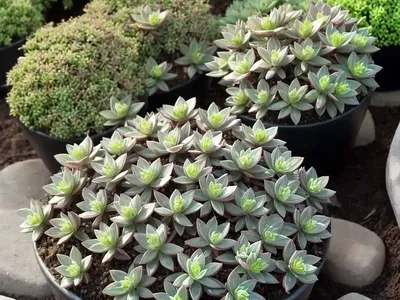
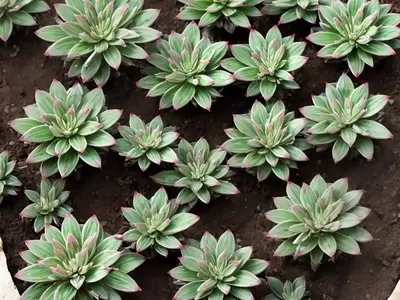
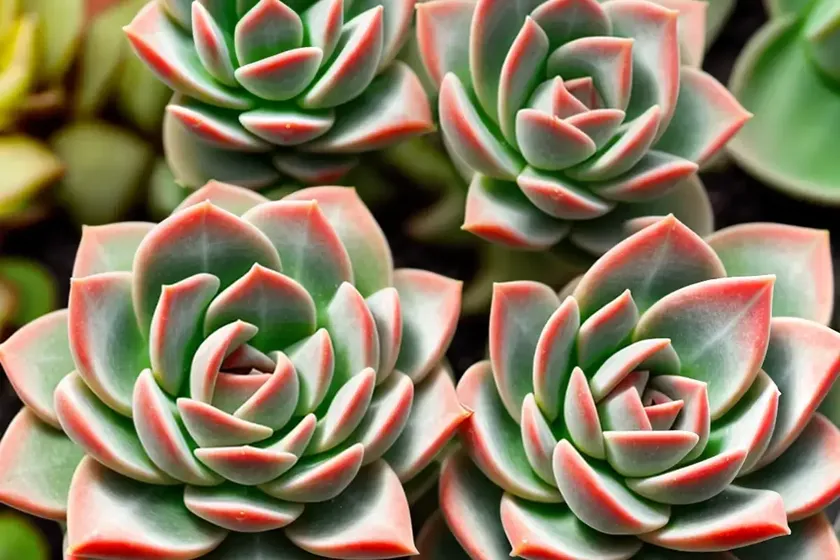
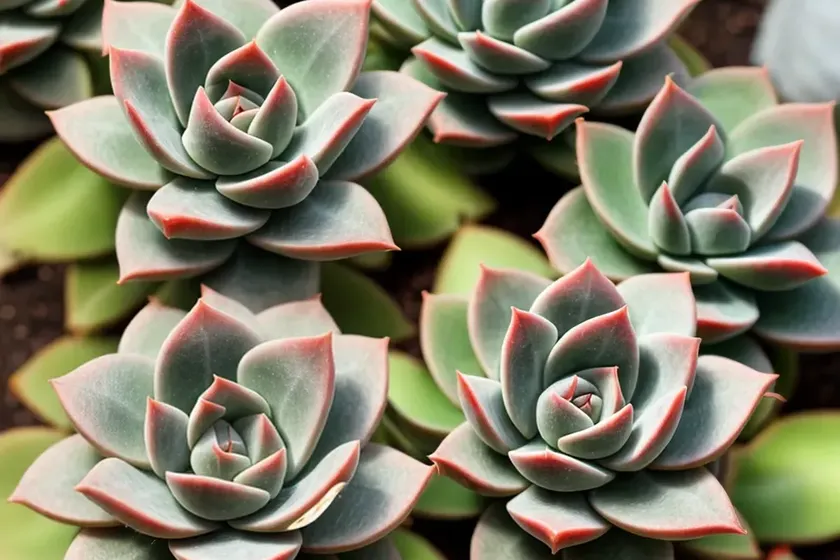
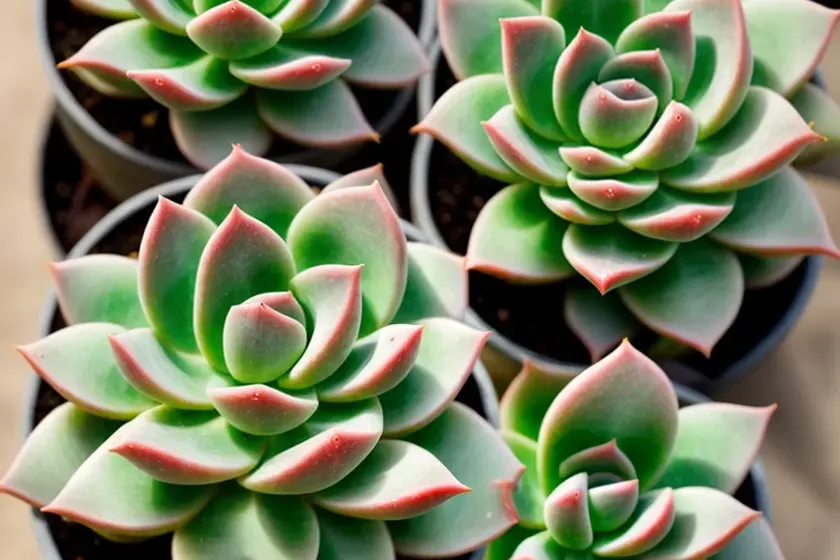
Echeveria ‘Perle von Nurnberg’ is a remarkable succulent hybrid known for its rosettes of striking, pastel-colored leaves. Belonging to the Crassulaceae family, which includes a vast array of succulent plants, Echeveria ‘Perle von Nurnberg’ is a cross between Echeveria gibbiflora and Echeveria potosina. It is characterized by its powdery, lavender-pink leaves with delicate hints of silver and often adorned with a glowing peachy edge. This aesthetic appeal, coupled with its relatively compact size, makes Echeveria ‘Perle von Nurnberg’ a popular choice for both indoor and outdoor plant displays, as well as container gardening.
Key Takeaways – Echeveria ‘Perle von Nurnberg’
Before we delve into the details of caring for Echeveria ‘Perle von Nurnberg’, here are some key takeaways:
– Echeveria ‘Perle von Nurnberg’ is a stunning succulent hybrid known for its lavender-pink leaves with hints of silver and peachy edges.
– It is a low-maintenance plant that thrives in well-draining soil and ample sunlight.
– ‘Perle von Nurnberg’ can be propagated easily from offsets or leaf cuttings, making it an excellent choice for beginners.
– It is essential to provide proper water and sunlight to prevent common issues such as rot and etiolation.
Now let’s explore the various aspects of caring for Echeveria ‘Perle von Nurnberg’ in detail.
Culture
Understanding the cultural requirements of Echeveria ‘Perle von Nurnberg’ is crucial for ensuring its optimal growth and vibrant appearance. Here are the key cultural considerations for this striking succulent:
Uses
Echeveria ‘Perle von Nurnberg’ is a versatile plant that can be used in various gardening and landscaping settings. Its uses include:
– Adding visual interest to succulent and cactus gardens
– Enhancing rock gardens and desert-themed landscapes
– Creating stunning container arrangements, especially in combination with other succulents and drought-tolerant plants
– Serving as a low-maintenance indoor plant or as part of a succulent terrarium or display
Water
Proper watering is essential for the health and longevity of Echeveria ‘Perle von Nurnberg’. As a succulent, it is adapted to thrive in arid conditions and has specific water needs:
– Watering Frequency: Allow the soil to dry out almost completely between waterings. Water deeply, ensuring that excess water can drain out of the pot or planting area. In general, a thorough watering once every 10-14 days is suitable, adjusting based on environmental conditions and the plant’s specific needs.
– Avoid Overwatering: Overwatering can lead to root rot and other moisture-related issues. It is crucial to strike a balance and not let the plant sit in waterlogged soil for extended periods.
– Winter Dormancy: Reduce watering during the winter months when Echeveria ‘Perle von Nurnberg’ is in a dormancy period. In cold climates, it is essential to protect the plant from frost and ensure that watering is minimal during this time.
Sunlight
Sunlight plays a pivotal role in the growth, coloration, and overall well-being of Echeveria ‘Perle von Nurnberg’. Here are the sunlight preferences for this succulent:
– Full Sun: Echeveria ‘Perle von Nurnberg’ thrives in bright, direct sunlight. When grown outdoors, it appreciates being exposed to full sun for at least 6-8 hours per day.
– Indoor Lighting: If cultivated indoors, ensure that the plant receives ample natural light. Place it near a south or west-facing window that receives plenty of sunlight throughout the day. Consider using grow lights if natural light is limited.
Fertilizer
While Echeveria ‘Perle von Nurnberg’ is relatively low-maintenance when it comes to fertilization, providing some nutrients can support its growth and vibrancy:
– Fertilizing Frequency: Feed your Echeveria ‘Perle von Nurnberg’ sparingly during the growing season, typically from spring to early fall. A balanced, water-soluble fertilizer diluted to half or quarter strength can be applied once a month.
– Avoid Overfertilization: Too much fertilizer can cause salt buildup in the soil and lead to potential issues. Always err on the side of caution and provide minimal amounts of fertilizer to prevent overfeeding.
Soil
The right soil composition is crucial for the success of Echeveria ‘Perle von Nurnberg’ and other succulents. Here are the soil preferences for this plant:
– Well-Draining Mix: Echeveria ‘Perle von Nurnberg’ thrives in a well-draining succulent or cactus mix. This type of soil ensures that excess water can flow through and prevents waterlogging, which is detrimental to succulents.
– Soil Amendment: Consider adding perlite, coarse sand, or pumice to improve drainage and aeration in the soil mix. These amendments help create an optimal growing environment for the plant’s roots.
Pruning
Echeveria ‘Perle von Nurnberg’ typically does not require extensive pruning. However, occasional maintenance can help keep the plant in top condition:
– Remove Dead Leaves: Periodically remove any dead or dried-out leaves from the base of the plant. This practice not only enhances the plant’s appearance but also prevents potential disease issues.
– Succulent Propagation: Pruning can also be part of the propagation process, as healthy leaves or offsets can be carefully removed and propagated to grow new plants.
Propagation
Propagating Echeveria ‘Perle von Nurnberg’ can be a rewarding and straightforward process. The plant can be propagated from offsets or leaf cuttings, offering opportunities to expand your collection or share the beauty of this succulent with others:
– Offsets: Echeveria ‘Perle von Nurnberg’ produces offsets, also known as “pups,” around the base of the mother plant. These offsets can be carefully removed and replanted to establish new plants.
– Leaf Cuttings: Healthy leaves from the plant can be gently removed and placed on well-draining soil to root and develop into new plants. Proper care and attention to moisture levels are essential during the rooting process.
Container Popularity
Echeveria ‘Perle von Nurnberg’ is exceptionally popular for container gardening due to its size, visual appeal, and low-maintenance nature. The plant’s compact growth habit and stunning foliage make it an ideal choice for various container arrangements, including:
– Succulent Bowls: Create eye-catching succulent bowls or arrangements featuring Echeveria ‘Perle von Nurnberg’ as the focal point, complemented by other succulents and decorative elements.
– Patio Pots: Enhance outdoor spaces with potted displays that showcase the beauty of ‘Perle von Nurnberg’ alongside other drought-tolerant plants and succulents.
– Indoor Displays: Elevate indoor decor with well-designed succulent containers, terrariums, or vertical gardens that incorporate the charm of Echeveria ‘Perle von Nurnberg’.
Common Diseases
Despite being generally resistant to pests and diseases, Echeveria ‘Perle von Nurnberg’ can encounter specific issues under unfavorable conditions. Understanding these common diseases and their prevention is crucial for maintaining the plant’s health and vigor.
Disease Diagnosis
Some of the common diseases that may affect Echeveria ‘Perle von Nurnberg’ include:
– Root Rot: Often caused by overwatering or poorly draining soil, root rot can lead to wilting, yellowing of leaves, and eventual decay of the plant’s roots.
– Powdery Mildew: A fungal disease that manifests as white, powdery patches on the leaves, powdery mildew can weaken the plant and affect its overall appearance.
– Bacterial Soft Rot: This condition can cause mushy, discolored areas on the plant, signaling the presence of bacterial infection. It is essential to address this issue promptly to prevent further spread.
Disease Prevention
Preventing diseases in Echeveria ‘Perle von Nurnberg’ involves providing optimal growing conditions and practicing good cultural care:
– Proper Watering: Avoid overwatering and ensure that the soil is well-draining to prevent the onset of root rot and related issues.
– Adequate Air Circulation: Ensure that the plant receives ample air circulation, especially in humid environments, to reduce the risk of fungal diseases such as powdery mildew.
– Sanitary Practices: Promptly remove any damaged or decaying plant material to prevent the spread of infections. Disinfecting tools and containers used for the plant can also reduce disease transmission.
Common Pests
Echeveria ‘Perle von Nurnberg’ is relatively resilient to pests, but vigilance is essential to prevent infestations that can compromise the plant’s well-being.
Botanist’s Tips
As a plant scientist, here are some tips for successfully cultivating and caring for Echeveria ‘Perle von Nurnberg’:
– Proper Drainage: Ensure that the plant is placed in a well-draining soil mix and in a container with drainage holes to prevent waterlogged conditions.
– Monitor Sunlight: Regularly assess the plant’s exposure to sunlight and ensure that it receives sufficient light without being subjected to intense, scorching conditions.
– Gentle Handling: When propagating Echeveria ‘Perle von Nurnberg’ through leaf cuttings or offsets, handle the plant with care to avoid damaging the delicate leaves and stems.
Fun Facts
- The rosettes of Echeveria ‘Perle von Nurnberg’ can develop striking colors, intensifying with exposure to bright sunlight and in response to seasonal changes.
- The plant’s name, “Perle von Nurnberg,” translates to “Pearl of Nuremberg,” referencing the city of Nuremberg in Germany and the captivating beauty of the succulent’s leaves.
- Echeveria ‘Perle von Nurnberg’ is often featured in succulent arrangement competitions and horticultural shows due to its aesthetic appeal and adaptable nature.
Links to External Resources
For further exploration of Echeveria ‘Perle von Nurnberg’ care, propagation, and cultivation, consider the following resources:
– The Succulent Source – A reputable source for purchasing Echeveria ‘Perle von Nurnberg’ and other succulent varieties, along with care tips and resources.
– Succulent City – An online platform offering comprehensive guides, articles, and community forums on succulent care and cultivation, including specific information on ‘Perle von Nurnberg’.
– Gardening Know How – An extensive gardening resource featuring articles, expert advice, and tips on growing a wide range of plants, including succulents such as Echeveria ‘Perle von Nurnberg’.
Echeveria ‘Perle von Nurnberg’ stands out as a captivating and adaptable succulent with a unique blend of colors and a charming growth habit. By understanding and applying the insights and recommendations provided in this comprehensive guide, you can cultivate and enjoy the beauty of ‘Perle von Nurnberg’ to its fullest potential. Whether you’re looking to enhance your indoor space with a stunning succulent display or create captivating outdoor arrangements, this remarkable plant is sure to delight with its distinct charm and resilience. With proper care, attention to its cultural requirements, and a touch of creativity, Echeveria ‘Perle von Nurnberg’ can thrive and become a centerpiece in your plant collection or garden landscape.
Remember to adapt the care and cultivation practices based on your specific environmental conditions and the individual needs of your Echeveria ‘Perle von Nurnberg’, allowing you to foster a healthy and vibrant plant that brings enduring joy and visual allure to your surroundings.
This comprehensive guide covers various aspects of caring for Echeveria ‘Perle von Nurnberg’, encompassing its cultural requirements, propagation methods, common diseases and pests, and more. The guide is crafted to provide plant enthusiasts and succulent aficionados with deep insights into nurturing and enjoying the captivating beauty of this remarkable succulent hybrid.