The Beautiful and Versatile Dahlia ‘Mrs Eileen’
Introduction
Dahlias are undoubtedly among the most captivating and versatile flowers when it comes to gardening and floral arrangements. The immense variety in their colors, shapes, and sizes contributes to their popularity among both amateur and seasoned gardeners. One particularly stunning cultivar is the Dahlia ‘Mrs Eileen’, known for its vibrant hues and distinctive flower shape. In this comprehensive guide, we will delve into the world of these beautiful flowers, exploring their cultural significance, growing requirements, potential uses, and much more.
What is the Dahlia ‘Mrs Eileen’?
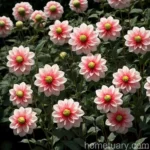
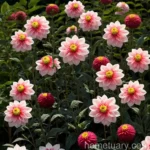
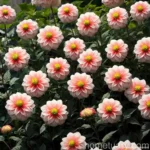
The Dahlia ‘Mrs Eileen’ is a type of decorative dahlia. Decorative dahlias are known for their fully double blooms, symmetrically arranged in a uniform, ball-like form. This particular cultivar features striking sunset shades, ranging from vibrant oranges to golden yellows and hints of pink. The robust and long-lasting flowers of the Dahlia ‘Mrs Eileen’ make it a popular choice for flower arrangements, borders, and container gardens.
Key Takeaways
Before we delve into the specifics of cultivating and caring for the Dahlia ‘Mrs Eileen’, let’s outline the key takeaways about this stunning flower:
-
Dahlia Flower: The Dahlia ‘Mrs Eileen’ is a member of the Dahlia genus, known for its vibrant and striking flowers.
-
Cultural Uses: This cultivar is used in a variety of cultural contexts, including floral arrangements, decorative gardening, and landscaping.
-
Water: Regular watering is essential to keep the Dahlia ‘Mrs Eileen’ healthy and thriving.
-
Sunlight: Adequate sunlight is necessary to ensure robust growth and abundant flowering.
-
Fertilizer: Providing the right nutrients through fertilization is crucial for the overall health of the plant and the quality of its blooms.
-
Soil: Well-draining soil with rich organic matter is ideal for cultivating the Dahlia ‘Mrs Eileen’.
-
Pruning: Proper pruning techniques help maintain the plant’s shape and encourage prolific blooming.
-
Propagation: This cultivar can be propagated through various methods, such as division, cuttings, and seed propagation.
-
Container Popularity: The Dahlia ‘Mrs Eileen’ is well-suited for container gardening, adding a vibrant touch to patios, balconies, and gardens with limited space.
-
Common Diseases: Despite their hardiness, dahlias are susceptible to certain diseases, and proactive measures are necessary to prevent and address these issues.
-
Common Pests: Regular monitoring is vital to identify and control common pests that can affect the plant’s health and flowering.
-
Botanist’s Tips: Professional insights can help optimize the care and cultivation of the Dahlia ‘Mrs Eileen’.
-
Fun Facts: Exploring interesting and lesser-known facts about these flowers adds an extra layer of appreciation for gardeners and enthusiasts.
Now, let’s explore each of these aspects in detail to gain a comprehensive understanding of how to grow, care for, and enjoy the vibrant beauty of Dahlia ‘Mrs Eileen’.
Culture
Uses
The Dahlia ‘Mrs Eileen’ is prized for its versatile uses in various settings, thanks to its vibrant blooms and striking color combinations. Some popular cultural uses of this cultivar include:
-
Floral Arrangements: The robust blooms of the Dahlia ‘Mrs Eileen’ make it a coveted choice for creating stunning floral arrangements, from casual bouquets to elaborate centerpieces and event decorations.
-
Decorative Gardening: Whether as a focal point in the garden or as part of a mixed planting scheme, the Dahlia ‘Mrs Eileen’ brings a burst of color and visual interest to any landscape.
-
Landscaping: Professional landscapers often incorporate dahlias, including the ‘Mrs Eileen’ variety, to enhance the aesthetic appeal of public and private outdoor spaces.
-
Cut Flowers: The long vase life and vibrant colors of the flowers make them a popular choice for cut flower production, supplying florists and flower markets with premium blooms.
Water
Adequate water is essential for the overall health and vitality of the Dahlia ‘Mrs Eileen’. Consistent moisture levels in the soil contribute to vibrant blooms and robust growth. Here are some water-related considerations for growing these beautiful flowers:
-
Regular Irrigation: During the active growing season, ensuring a consistent water supply is crucial. Dahlia plants, including the ‘Mrs Eileen’ cultivar, benefit from regular irrigation, particularly during dry spells.
-
Avoid Waterlogging: While dahlias appreciate moisture, they are vulnerable to waterlogged conditions. It is important to maintain well-draining soil to prevent waterlogging, which can lead to root rot and other health issues.
-
Mulching: Applying a layer of mulch around the base of the plants helps to conserve soil moisture and reduce the frequency of watering. Organic mulches also contribute to soil health as they decompose.
Sunlight
Like many flowering plants, dahlias, including the ‘Mrs Eileen’ variety, require adequate sunlight to thrive and produce an abundance of vibrant blooms. Here are some essential pointers when it comes to sunlight requirements for dahlias:
-
Full Sun: Dahlias thrive in full sunlight, typically defined as at least 6-8 hours of direct sunlight per day. When provided with ample sunshine, they exhibit strong, healthy growth and abundant flowering.
-
Partial Shade: While dahlias prefer full sun, they can tolerate partial shade, especially in regions with intense afternoon sunlight or during exceptionally hot periods. However, prolonged shade can lead to decreased flowering and leggy growth.
-
Sun Orientation: Plant dahlias where they can receive the strongest sunlight, typically facing towards the south in the Northern Hemisphere and towards the north in the Southern Hemisphere. This ensures optimal exposure to sunlight throughout the day.
-
Protection from Harsh Sun: In areas with scorching summers, providing some protection from the intense midday sun can prevent stress and sunburn on the foliage and flowers.
Fertilizer
Proper nutrition is crucial for robust growth and abundant flowering in the Dahlia ‘Mrs Eileen’. Fertilization practices play a key role in supporting the plant’s nutritional needs. Here’s what you need to know about fertilizing these beautiful flowers:
-
Balanced Fertilizer: Using a balanced fertilizer, with an equal N-P-K ratio, is recommended to provide a steady supply of essential nutrients. This helps promote healthy foliage, sturdy stems, and prolific flowering.
-
Slow-Release Fertilizer: Consider incorporating slow-release fertilizers into the soil at planting time to provide a gradual and consistent nutrient supply throughout the growing season.
-
Fertilization Schedule: It’s beneficial to follow a fertilization schedule, typically applying fertilizer every 4-6 weeks during the growing season. Adjust the frequency based on the specific fertilizer used and the plant’s response.
-
Organic Amendments: Organic amendments, such as compost and well-rotted manure, can be added to the planting bed to enrich the soil and provide a natural source of nutrients.
-
Avoid Excessive Nitrogen: While dahlias benefit from nitrogen for foliage growth, excessive nitrogen can result in lush foliage at the expense of flowers. A balanced approach to fertilization is key to achieving a healthy balance.
-
Supplemental Micronutrients: In some cases, providing supplemental micronutrients, such as iron and magnesium, can address specific deficiencies and enhance overall plant health.
Soil
The growing medium for the Dahlia ‘Mrs Eileen’ plays a critical role in supporting its growth, flowering, and overall vigor. Here are some essential considerations when it comes to soil requirements for these vibrant flowers:
-
Well-Draining Soil: Dahlias thrive in well-draining soil that allows excess moisture to escape, preventing waterlogging and root rot. Amending heavy or compacted soils with organic matter, such as compost, can improve drainage.
-
Rich Organic Matter: Incorporating organic matter, such as compost or well-rotted manure, into the soil enhances its fertility, structure, and moisture-holding capacity. This provides an optimal environment for strong root development and nutrient uptake.
-
Soil pH: Dahlia plants prefer slightly acidic to neutral soil, with a pH range of 6.5 to 7.0 being ideal. Conducting a soil test can help assess and adjust the pH as needed to create a favorable growing environment.
-
Soil Warmth: Planting dahlias in soil that has warmed up adequately in the spring promotes faster root growth and establishment. Cold, waterlogged soil can hinder early growth and lead to problems such as rotting tubers.
-
Soil Aeration: Aerated soil with a loose structure encourages healthy root development and facilitates the penetration of water, nutrients, and oxygen to the root zone.
-
Container Growing: When growing the Dahlia ‘Mrs Eileen’ in containers, choose a high-quality, well-draining potting mix that provides adequate aeration and drainage. Regular monitoring of moisture levels is essential for container-grown plants.
Pruning
Proper pruning is essential to maintain the shape, health, and flowering potential of the Dahlia ‘Mrs Eileen’. By removing spent blooms and shaping the plant, gardeners can encourage robust growth and continuous flowering. Here’s a closer look at the key aspects of pruning these beautiful flowers:
-
Deadheading: Regular deadheading, which involves removing spent flowers, helps prolong the blooming period and encourages the development of new buds. Use clean, sharp pruners to snip off faded blooms near the base of the stem.
-
Disbudding: For exhibition or cut flower production, disbudding may be employed to direct the plant’s energy into creating larger, show-quality blooms. This involves removing side buds to promote the development of a single, robust central flower.
-
Pruning for Form: Removing weak or overcrowded stems, as well as any damaged or diseased foliage, helps maintain an open and airy growth habit. This improves air circulation and reduces the risk of disease development.
-
Stem Pruning: Depending on the desired plant form, stem pruning may be performed to encourage branching and the development of multiple flower stems from a single tuber. This approach can result in a more floriferous display.
-
Winter Pruning: After the first frost or once the foliage has turned yellow and withered, the plants can be cut back to ground level. Remove any remaining foliage to prevent the buildup of disease inoculum over the winter.
Propagation
Expanding your collection of Dahlia ‘Mrs Eileen’ or sharing this stunning cultivar with fellow gardeners can be achieved through various propagation methods. Whether it’s through division, cuttings, or seed propagation, there are several avenues to propagate these captivating flowers:
-
Division: The division of dahlia tubers is a common method of propagation. During the dormant season or in early spring before new growth emerges, carefully divide the tubers, ensuring that each division has at least one viable eye or bud.
-
Cuttings: Taking stem cuttings from actively growing dahlias can yield new plants. Select healthy, non-flowering shoots, and root them in a well-draining medium under controlled conditions to encourage the development of roots.
-
Seed Propagation: While not commonly employed due to the variability of seed-grown dahlia plants, seed propagation can be an option for introducing new cultivars. Collecting and sowing mature dahlia seeds can lead to the production of unique seedlings.
-
Tissue Culture: For large-scale propagation and the creation of disease-free stock, tissue culture methods can be utilized. This advanced technique involves the regeneration of plants from small amounts of plant tissue under sterile laboratory conditions.
By employing these propagation methods, gardeners and plant enthusiasts can expand their collection of Dahlia ‘Mrs Eileen’ and propagate this captivating cultivar for future enjoyment and conservation.
Container Popularity
The Dahlia ‘Mrs Eileen’ is well-suited for container gardening, allowing enthusiasts with limited outdoor space to enjoy its vibrant blooms and lush foliage. Cultivating these stunning flowers in containers presents several advantages and considerations:
-
Container Selection: Choose pots or containers that provide adequate space for the growth of dahlia tubers and accommodate their root system. Select containers with drainage holes to prevent waterlogging.
-
Potting Mix: A high-quality potting mix with excellent drainage properties is essential for container-grown dahlias. Consider adding perlite or coarse sand to improve aeration and prevent soil compaction.
-
Watering: Container-grown plants may require more frequent watering compared to those in the ground, as the soil in pots tends to dry out faster. Monitor soil moisture levels regularly and adjust the watering frequency as needed.
-
Sunlight Requirements: Position the containers in a location that receives ample sunlight, ensuring that the plants receive the required light for robust growth and abundant flowering.
-
Overwintering: In regions with cold winters, container-grown dahlias need to be protected from freezing temperatures. Consider overwintering the tubers indoors or in a well-insulated area to ensure their survival for the following growing season.
By adopting proper container gardening practices, enthusiasts can showcase the Dahlia ‘Mrs Eileen’ on patios, balconies, and other confined spaces, adding a touch of vibrancy to their outdoor living areas.
Common Diseases
Dahlias, including the ‘Mrs Eileen’ cultivar, are generally hardy plants, but they are susceptible to certain diseases that can impact their health and vigor. Here are some common diseases that may affect dahlia plants and measures to prevent and manage them:
Disease Diagnosis
-
Powdery Mildew: A common fungal disease in dahlia plants, powdery mildew appears as a white, powdery coating on the foliage. It thrives in humid conditions and can weaken the plants over time.
-
Botrytis Blight: This fungal disease causes gray mold to develop on the foliage, stems, and flowers, particularly in cool, wet conditions. It can lead to rotting of the affected plant parts.
-
Leaf Spot: Several types of fungal and bacterial pathogens can cause leaf spot diseases, resulting in dark or discolored spots on the leaves. Leaf spot diseases can defoliate the plant and weaken its overall vigor.
-
Stem Rot: Excessive soil moisture and poor drainage can contribute to the development of stem rot, where the base of the stems becomes mushy and discolored. This can lead to plant wilting and collapse.
-
Viral Diseases: Viral diseases, such as mosaic viruses, can cause mottling, yellowing, or distortion of the foliage. These diseases are often spread by insect vectors and can lead to reduced plant vigor.
Disease Management
-
Cultural Practices: Implementing good cultural practices, such as proper spacing, adequate air circulation, and balanced watering, can help prevent the onset and spread of disease.
-
Resistant Varieties: Consider selecting dahlia varieties, including the ‘Mrs Eileen’ cultivar, that demonstrate resistance to specific diseases prevalent in your region. Resistant varieties can offer added protection against certain pathogens.
-
Fungicidal Treatments: When necessary, applying fungicidal treatments according to label instructions can help manage fungal diseases. Selecting the appropriate fungicide and following recommended application rates are crucial for effective control.
-
Sanitation: Regularly removing and disposing of any diseased plant material, including fallen leaves and flowers, helps prevent the buildup and spread of pathogens within the garden.
-
Early Detection: Monitoring plants for signs of disease and addressing any issues promptly can limit the impact of diseases and prevent them from spreading to other plants.
Common Pests
Dahlia ‘Mrs Eileen’ is susceptible to certain pests that can affect its growth and flowering potential. Vigilance and proactive pest management are essential for maintaining the health and vitality of these captivating flowers. Here are some of the common pests that may target dahlia plants:
-
Aphids: These tiny, soft-bodied insects feed on plant sap, causing distorted growth, yellowing of foliage, and the development of sticky honeydew. Aphid infestations can weaken the plants and serve as vectors for viral diseases.
-
Spider Mites: Spider mites are tiny arachnids that suck plant juices, leading to stippled, discolored foliage. Under hot and dry conditions, these pests can multiply rapidly and cause significant damage.
-
Slugs and Snails: These voracious herbivores feed on the tender foliage and flowers, leaving behind characteristic feeding damage and slimy trails. They are particularly active in damp, cool conditions.
-
Caterpillars: Various caterpillar species may feed on dahlia foliage and flowers, causing visible chewing damage and holes in the leaves. The presence of caterpillars can impact the aesthetic appeal of the plants.
-
Thrips: Thrips are tiny, slender insects that rasp and suck plant tissues, leading to distorted growth, silvery streaks, and browning of flower petals. They can be challenging to control due to their small size and rapid reproductive rate.
Pest Management
-
Cultural Controls: Practicing good garden hygiene, eliminating hiding places for pests, and promoting natural predator populations can help manage pest populations. Additionally, choosing pest-resistant plant varieties can contribute to pest management.
-
Physical Barriers: Installing physical barriers, such as copper tape or diatomaceous earth, can deter slugs and snails from reaching the dahlia plants, reducing feeding damage.
-
Biological Controls: Introducing or conserving natural predators, such as ladybugs, lacewings, and predatory mites, can help keep pest populations in check without the use of chemical interventions.
-
Insecticidal Treatments: When pest populations reach damaging levels, targeted insecticidal treatments can be employed. Consider using insecticidal soaps, horticultural oils, or selective insecticides to manage pest infestations while minimizing impact on beneficial organisms.
-
Trap Crops: Planting trap crops, such as marigolds or nasturtiums, can attract pests away from the dahlia plants, reducing the impact of pest feeding and providing an alternative food source.
By integrating these pest management strategies, gardeners can safeguard their Dahlia ‘Mrs Eileen’ and maintain its health and beauty throughout the growing season.
Botanist’s Tips
For those looking to optimize the care and cultivation of the Dahlia ‘Mrs Eileen’, seeking professional insights and expert advice can unlock a wealth of knowledge and practical tips. Here are some valuable botanist’s tips for cultivating and enjoying these captivating flowers:
-
Soil Preparation: Before planting, enrich the soil with well-rotted organic matter to improve fertility and structure. Well-draining soil with high organic content provides an ideal foundation for dahlia growth.
-
Staking Support: Tall or large-flowered dahlia varieties, such as the ‘Mrs Eileen’ cultivar, benefit from staking to provide support and prevent stem breakage. Install stakes or supports at planting time to avoid damaging the roots later.
-
Mulching Benefits: Applying a layer of organic mulch, such as straw or wood chips, around the base of the plants helps conserve soil moisture, suppress weeds, and regulate soil temperature.
-
Regular Feeding: Providing a balanced and timely supply of nutrients—whether through organic amendments, slow-release fertilizers, or soluble fertilizers—supports vigorous growth and abundant flowering.
-
Integrated Pest Management: Employ a holistic approach to pest management, combining cultural, physical, biological, and chemical control methods to minimize pest damage and preserve beneficial organisms.
-
Watering Practices: Sufficient and consistent soil moisture is essential for dahlia plants. Adjust the frequency