Echeveria ‘Lola’ Succulent Care Guide
Keep Echeveria ‘Lola’ compact and colourful: sun exposure, soak-and-dry watering, cactus mix, leaf and offset propagation, mealybugs.
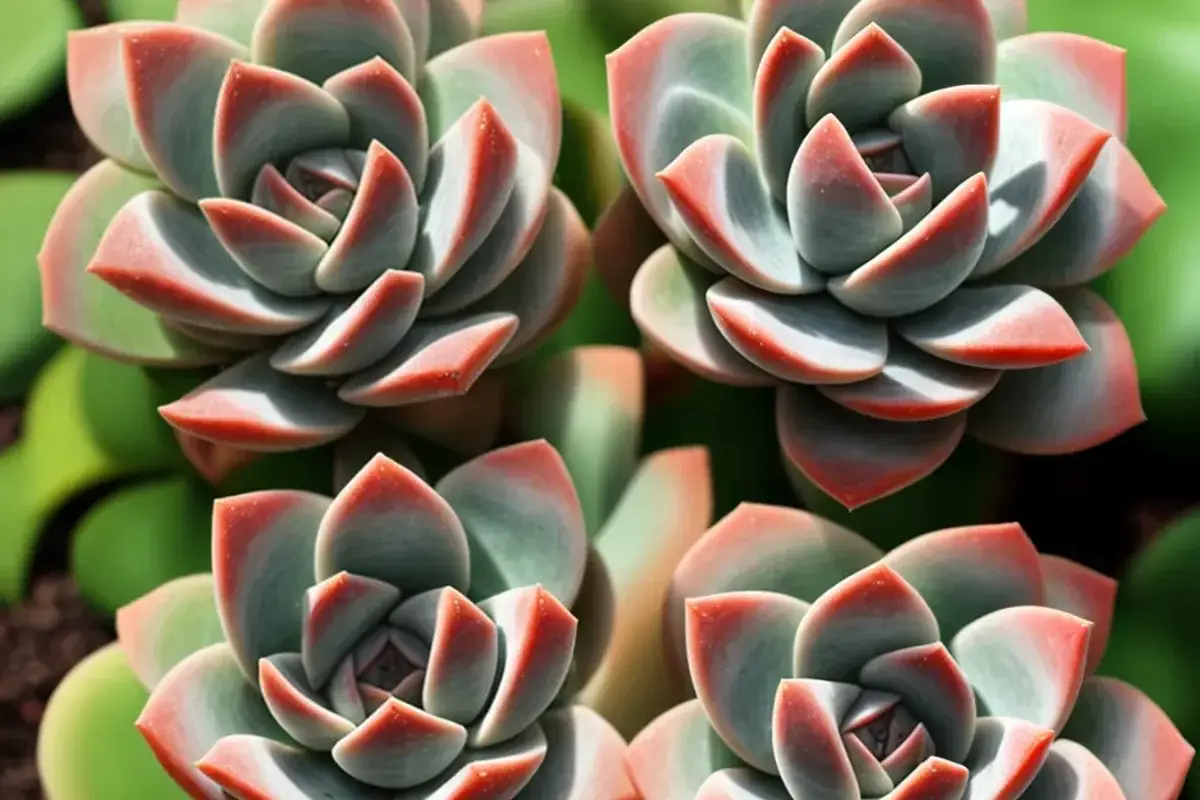
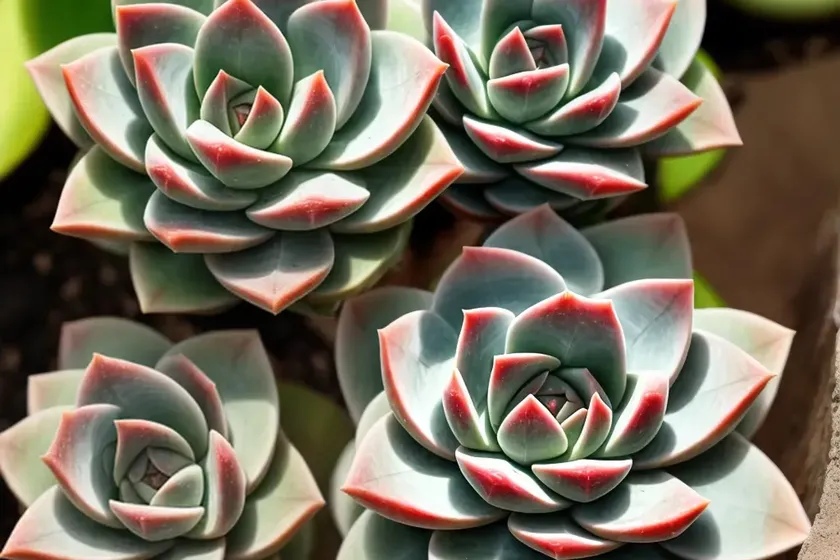
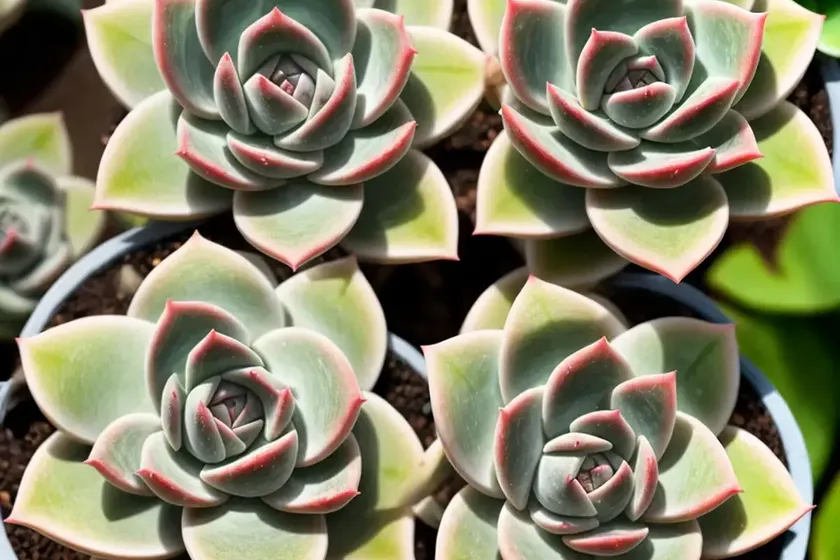
Echeveria Lola, or Echeveria ‘lola’, is a stunning succulent plant known for its rosette of fleshy, colorful leaves. This beautiful plant has gained popularity among succulent enthusiasts and gardeners due to its easy care requirements and captivating appearance. In this comprehensive guide, we will explore every aspect of Echeveria Lola, from its cultural requirements to propagation methods, common diseases, and fun facts.
What is Echeveria Lola (Echeveria ‘lola’)?
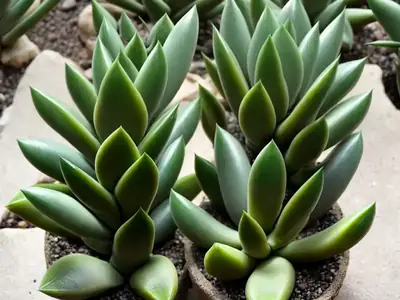
Echeveria Lola is a hybrid succulent plant that belongs to the Crassulaceae family. It is a cross between Echeveria derenbergii and Echeveria lilacina. The plant is named for its mesmerizing coloration and compact, rosette growth habit. With its thick, pastel-colored leaves and delicate texture, Echeveria Lola adds an exquisite touch to succulent gardens, rock gardens, and container plantings.
Key Takeaways – Echeveria Lola (Echeveria ‘lola’)
Before delving into the specifics of caring for Echeveria Lola, let’s highlight the key takeaways about this exceptional succulent:
- Echeveria Lola is a hybrid succulent plant known for its striking rosette of colorful, fleshy leaves.
- This succulent is prized for its ease of care and resilience, making it an ideal choice for both novice and experienced gardeners.
- Echeveria Lola thrives in well-draining soil, ample sunlight, and minimal water, reflecting its adaptation to arid environments.
- The plant’s compact size and attractive appearance make it a popular choice for container gardening, succulent arrangements, and xeriscaping.
- Echeveria Lola may be susceptible to certain diseases and pests, requiring careful attention to its environmental conditions and overall health.
Now, let’s explore the specific cultural requirements, uses, and care techniques for Echeveria Lola.
Culture
Understanding the cultural preferences of Echeveria Lola is essential for cultivating and maintaining healthy plants. Here, we will delve into the plant’s needs regarding water, sunlight, fertilizer, soil, and pruning.
Uses
Echeveria Lola’s versatility makes it suitable for various uses in both indoor and outdoor settings:
- Indoor Use: This succulent is an excellent choice for indoor plantings, as it thrives in bright, indirect sunlight. It can be showcased in windowsills, terrariums, or as part of a succulent arrangement.
- Outdoor Use: In outdoor landscapes, Echeveria Lola is ideal for rock gardens, xeriscapes, and container plantings. It adds visual interest to any garden with its stunning, compact growth habit.
Water
Proper watering is crucial for the health and vitality of Echeveria Lola. As a succulent, it is adapted to store water in its fleshy leaves and can withstand periods of drought. Over-watering can lead to root rot and other issues, so it’s important to follow a watering schedule that suits the plant’s needs:
- Watering Frequency: Echeveria Lola should be watered thoroughly but infrequently. The soil should be allowed to dry out completely between waterings to prevent waterlogged conditions.
- Seasonal Adjustments: In the growing season (spring and summer), the plant may require more frequent watering, while in the dormant season (fall and winter), watering should be reduced to prevent excessive moisture.
Sunlight
Echeveria Lola thrives in bright, direct sunlight and warm conditions. Adequate sunlight is essential for vibrant leaf coloration and compact growth:
- Sun Exposure: Place Echeveria Lola in a location where it can receive at least 6 hours of direct sunlight per day. South or west-facing windows are ideal for indoor plants.
- Outdoor Cultivation: When grown outdoors, ensure that Echeveria Lola is provided with ample sunlight and protection from excess rainfall to prevent water accumulation in the soil.
Fertilizer
While Echeveria Lola is relatively low-maintenance, occasional fertilization can promote healthy growth and vibrant foliage:
- Fertilizer Type: Use a balanced, water-soluble fertilizer formulated for succulents and cacti. Dilute the fertilizer to half-strength to avoid over-fertilizing the plant.
- Fertilizing Schedule: Apply the fertilizer during the plant’s active growing season, typically from spring to early fall. Reduce or cease fertilization during the dormant period in winter.
Soil
Echeveria Lola’s preference for well-draining soil is crucial for preventing root rot and other moisture-related issues. A suitable succulent mix or well-draining potting medium is essential for the plant’s health:
- Soil Mix: Use a commercial succulent and cactus mix or create a blend using equal parts of potting soil, coarse sand, and perlite to ensure optimal drainage.
- Container Drainage: Ensure that the planting containers have drainage holes to allow excess water to escape, preventing waterlogged conditions.
Pruning
Echeveria Lola generally requires minimal pruning, primarily for maintenance and occasional removal of dead or damaged leaves:
- Leaf Pruning: Trim any yellowing or damaged leaves close to the base using clean, sharp scissors or pruning shears to maintain the plant’s appearance and overall health.
- Flower Stalk Removal: After the flowering period, remove the spent flower stalks to redirect the plant’s energy back into leaf growth and development.
Propagation
The ability to propagate Echeveria Lola through various methods allows gardeners to expand their succulent collection and share the plant’s beauty with others. Let’s explore the propagation techniques suited for Echeveria Lola.
Leaf Propagation
Leaf propagation is a popular method for propagating Echeveria Lola and other Echeveria varieties:
- Leaf Selection: Choose a healthy, mature leaf from the mother plant, ensuring that it is free from damage and disease.
- Leaf Preparation: Allow the leaf cutting to callus over for a few days to prevent rot. This can be achieved by placing the cut end in a dry, shaded area.
- Planting: Once callused, place the leaf cutting on top of well-draining, moist soil, allowing the callused end to make contact with the soil surface.
- Root Development: Over time, the leaf cutting will develop roots and establish a new rosette, eventually leading to the formation of a new plant.
Offset Propagation
Echeveria Lola produces offsets, also known as “chicks,” around its base, providing an additional propagation opportunity:
- Separation: Once the offsets have grown to a reasonable size and have developed their own root system, carefully separate them from the mother plant using a clean, sharp knife or scissors.
- Callusing: Allow the separated offsets to callus over for a few days to promote root development and reduce the risk of rot.
- Planting: Plant the offsets in a well-draining succulent mix, ensuring that the roots are nestled into the soil and the plant is stable.
Funnel Arrangement
Species of Echeveria are recognized for the way their leaves are set in stool formation. A compact funnel with leaves that rise in a rosette-like fashion is formed. This offers a chance to produce rosettes at the base of the stem right neighbouring the main funnel of the plant. In this method, you can set up and grow new plants from these rosettes.
Container Popularity
Echeveria Lola’s compact size and stunning appearance make it a favorite choice for container gardening and succulent arrangements. Its popularity in containers is attributed to several key factors:
- Aesthetic Appeal: Echeveria Lola’s vibrant, colorful leaves and rosette growth habit make it a visually striking addition to any container or planter.
- Space Efficiency: The plant’s compact size makes it suitable for small to medium-sized containers, allowing for creative arrangements and combinations with other succulents and plants.
- Indoor Versatility: Echeveria Lola’s adaptability to indoor conditions, including bright, indirect sunlight and average room temperatures, makes it a popular choice for indoor container gardening.
Common Diseases
Despite being resilient, Echeveria Lola may be susceptible to certain diseases and issues, particularly when its cultural requirements are not met. Understanding common diseases and their diagnosis is crucial for maintaining the plant’s health.
Disease Diagnosis
Some of the common diseases and issues that may affect Echeveria Lola include:
- Root Rot: Caused by over-watering or poorly draining soil, leading to a decline in the plant’s overall health and eventual death if left untreated.
- Powdery Mildew: A fungal infection characterized by white, powdery patches on the leaves, typically caused by high humidity and poor air circulation.
- Pest Infestation: Pests such as aphids, mealybugs, and spider mites may attack Echeveria Lola, leading to leaf damage and decline in plant vigor.
Disease Prevention
Preventative measures can help protect Echeveria Lola from common diseases and issues:
- Cultural Care: Ensure that the plant’s cultural requirements, including proper watering, sunlight exposure, and well-draining soil, are met to minimize the risk of diseases related to moisture and environmental stress.
- Air Circulation: Promote good air circulation around the plant, particularly in indoor settings, to reduce the risk of fungal infections and pest infestations.
Common Pests
Echeveria Lola’s succulent nature and appealing foliage can attract certain pests that may compromise its health and appearance. Understanding common pests and their control methods is essential for preserving the plant’s vitality.
Pest Control
Addressing pest infestations promptly is crucial for preventing significant damage to Echeveria Lola:
- Natural Remedies: In mild infestations, consider using natural remedies such as neem oil or insecticidal soap to control pests while minimizing harm to the plant.
- Mechanical Removal: For larger pests or visible infestations, gently remove the pests by hand or using a soft brush to avoid damaging the delicate foliage of Echeveria Lola.
Botanist’s Tips
As a plant scientist with expertise in succulents and Echeveria species, here are some invaluable tips for caring and optimizing the growth of Echeveria Lola:
- Careful Watering: Prioritize proper watering practices to prevent waterlogged soil, which can lead to root rot and other moisture-related issues.
- Ample Sunlight: Provide Echeveria Lola with ample sunlight, as this is essential for vibrant leaf coloration and compact growth. Indoors, place the plant near south or west-facing windows to ensure adequate light exposure.
- Well-Draining Soil: Use a well-draining succulent mix or create a custom blend to ensure that the plant’s roots remain healthy and free from excessive moisture.
- Monitor for Pests and Diseases: Regularly inspect the plant for pest infestations and signs of disease. Early detection and intervention can prevent significant damage to the plant.
Fun Facts
Echeveria Lola’s unique characteristics and growth habits make it an intriguing succulent to admire and cultivate. Here are some fun facts about Echeveria Lola:
- Echeveria Lola is named for its mesmerizing pastel coloration and compact rosette growth habit, making it resemble a floral jewel.
- The plant’s succulent leaves have a waxy texture and are capable of storing water, allowing it to thrive in arid and semi-arid environments with minimal moisture.
- Echeveria Lola is a prolific offset producer, allowing gardeners to multiply their plant collection through propagation methods such as leaf cuttings and offsets.
Now that we have explored the cultural preferences, uses, propagation methods, common diseases, and fun facts about Echeveria Lola, it’s time to delve into the botanist-recommended external resources and links for further information and guidance on caring for this captivating succulent.
Links to External Resources
For in-depth information and expert guidance on Echeveria Lola and succulent care, consider exploring the following external resources:
- Succulent Plant Care Guide – This comprehensive guide provides essential tips on caring for various succulent species, including Echeveria Lola, ideal for both beginners and experienced gardeners.
- The Echeveria Guide: How to Grow & Care for Echeveria – Explore detailed care instructions, propagation techniques, and tips for cultivating Echeveria plants, including Echeveria Lola, through this informative guide.
- Managing Pests in Gardens – Learn about effective pest management strategies and pest identification to protect your succulent plants from common infestations.
With the wealth of resources available, you can further enhance your understanding of Echeveria Lola care, propagation methods, and plant health maintenance.
In conclusion, with its mesmerizing appearance, low-maintenance requirements, and adaptability to various growing conditions, Echeveria Lola stands out as an exceptional addition to succulent gardens, container plantings, and indoor displays. By adhering to the recommended cultural guidelines, careful propagation techniques, and vigilant pest and disease management, you can nurture thriving Echeveria Lola plants that will captivate and enchant for years to come.