ZZ Plant (Zamioculcas zamiifolia) Care Guide
How to grow the ZZ plant: watering every 2–3 weeks, bright indirect light, free-draining soil, propagation from rhizomes and leaf cuttings, pests and fixes.
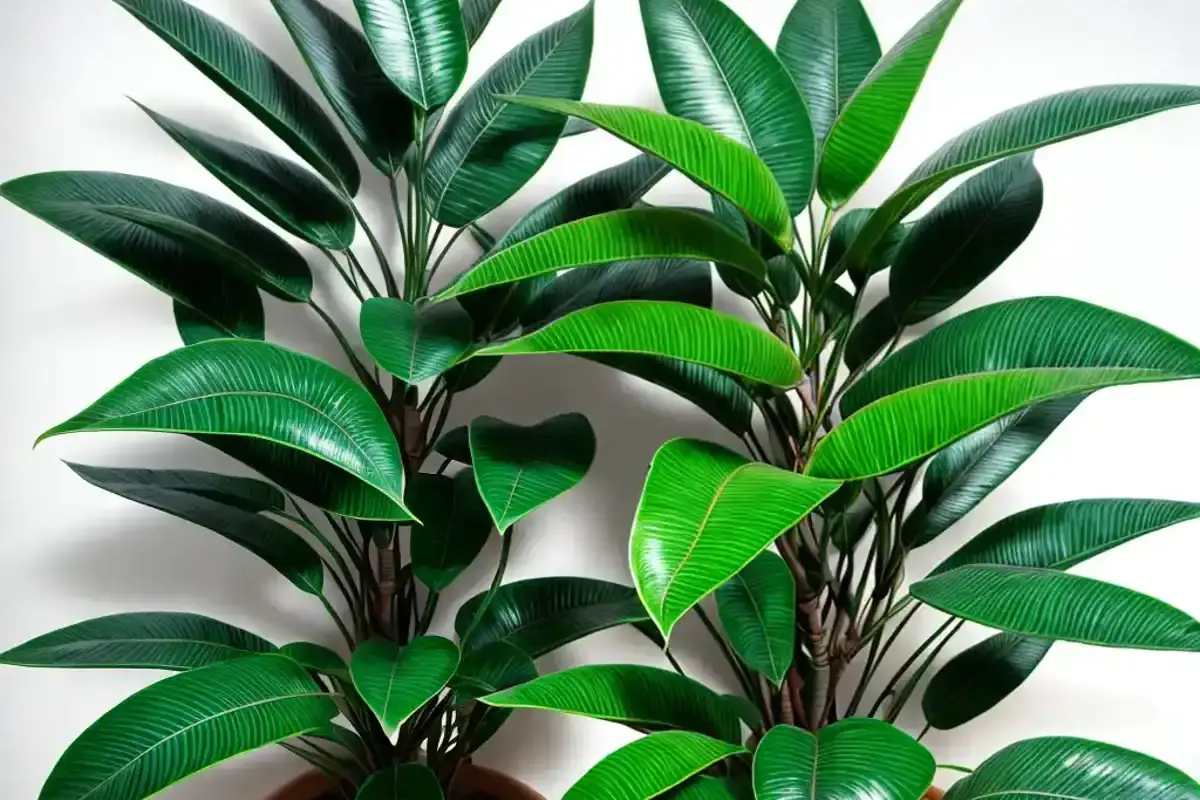
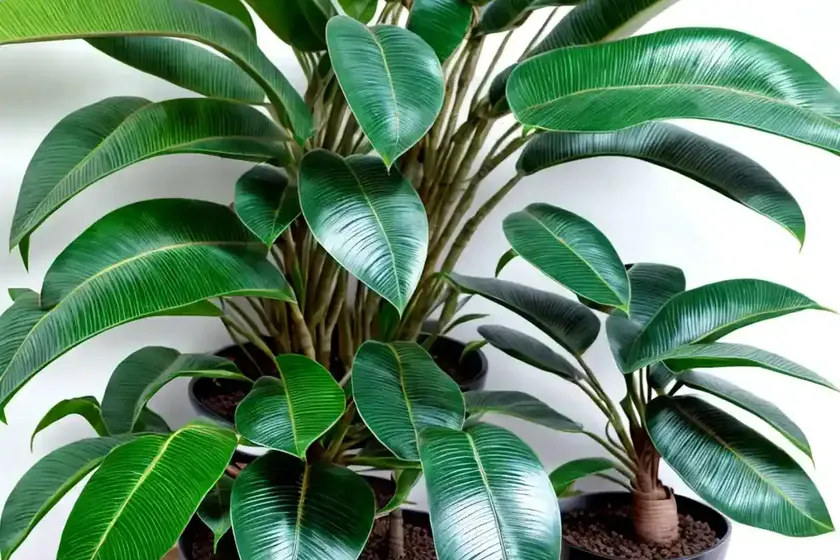
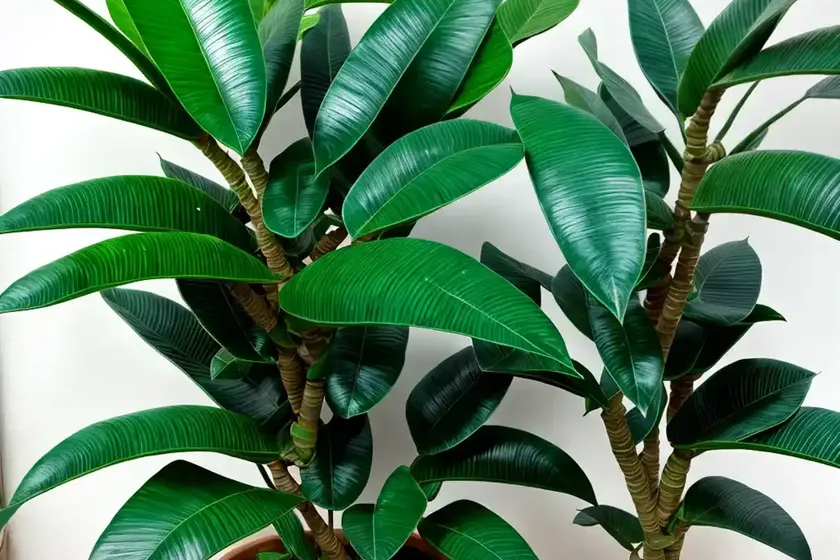
Plants have long been an essential part of indoor and outdoor spaces, adding beauty, tranquility, and a touch of nature to our lives. One such plant that has gained immense popularity for its resilience, beauty, and low-maintenance nature is the ZZ plant, scientifically known as Zamioculcas zamiifolia. This fascinating plant has captured the attention of plant enthusiasts, interior designers, and botanical researchers alike, making it a staple in households and offices around the globe.
In this comprehensive guide, we will delve into every aspect of ZZ plant care, covering its cultivation, uses, requirements, and unique characteristics. Whether you are a seasoned plant enthusiast or a novice looking to add greenery to your space, this guide will equip you with the knowledge and insights needed to care for and appreciate the splendid ZZ plant.
ZZ Plant (Zamioculcas zamiifolia)
The ZZ plant, known scientifically as Zamioculcas zamiifolia, is a striking tropical plant that has captivated plant enthusiasts with its unique foliage and minimal care requirements. Native to Eastern Africa, particularly Zanzibar, and coastal Kenya, the ZZ plant belongs to the Araceae family and is revered for its adaptability to various indoor environments, making it an ideal choice for both beginner and seasoned plant enthusiasts.
Key Takeaways
- Scientific Name: Zamioculcas zamiifolia
- Common Name: ZZ plant
- Family: Araceae
- Native Region: Eastern Africa
- Foliage: Glossy, dark green leaflets
- Low-Maintenance: Well-suited for novice plant enthusiasts
- Air-Purifying: Known for its air-purifying qualities
- Drought Tolerant: Capable of surviving extended periods without water
Culture
The cultural significance of plants, including the ZZ plant, extends beyond their biological attributes. Plants have been woven into the fabric of human societies through rituals, celebrations, and traditions, enriching our lives and connecting us to the natural world. Understanding the cultural context of plants enhances our appreciation for their beauty and significance, fostering a deeper bond with nature.
Uses
From a practical standpoint, plants such as the ZZ plant serve various uses, from enhancing interior décor to improving air quality. The versatility of the ZZ plant makes it a valuable addition to homes, offices, and public spaces. As we explore the care and cultivation of the ZZ plant, we will uncover the diverse roles it can play in different settings.
ZZ Plant Care
Caring for a ZZ plant involves understanding its specific requirements in terms of water, sunlight, fertilizer, soil, pruning, propagation, and container choices. By addressing each of these aspects comprehensively, plant enthusiasts can provide an optimal environment for ZZ plant growth and development.
Water
ZZ plants have evolved to thrive in arid conditions, making them remarkably resilient in the face of occasional neglect. When it comes to watering, it is crucial to strike a balance, as overwatering can lead to root rot while underwatering can cause the plant to wilt. Here are some key considerations for watering ZZ plants:
- Frequency: Water the ZZ plant when the top inch of the soil feels dry. Depending on the ambient humidity and temperature, this may translate to watering every 2-3 weeks.
- Watering Technique: Ensure that water does not accumulate at the base of the plant, as ZZ plants are susceptible to root rot. Moderation is key, and it is advisable to allow excess water to drain away.
- Soil Moisture: Check the soil moisture level before watering by inserting a finger into the soil. If it feels dry at a depth of 1-2 inches, the plant is ready for watering.
Sunlight
ZZ plants are renowned for their adaptability to low-light conditions, making them ideal for indoor settings with limited natural light. While ZZ plants can tolerate low light, they will thrive when provided with moderate, indirect sunlight. Here are some pointers for ZZ plant sunlight requirements:
- Light Intensity: ZZ plants prefer bright, indirect light, such as that found near a north-facing window or several feet away from a sunny window. Avoid placing ZZ plants in direct sunlight, as this can lead to leaf scorching.
- Light Duration: ZZ plants benefit from approximately 6-8 hours of indirect sunlight each day. While they can endure low light, providing moderate light enhances their growth potential.
Fertilizer
Proper fertilization is essential for maintaining the health and vitality of ZZ plants. By providing the necessary nutrients, plant enthusiasts can support robust growth and vibrant foliage. Here are some guidelines for fertilizing ZZ plants:
- Frequency: Fertilize ZZ plants every 2-3 months during the growing season, typically from spring to summer. Refrain from fertilizing during the winter months when the plant’s growth slows down.
- Fertilizer Type: Use a balanced, water-soluble fertilizer designed for indoor plants. Dilute the fertilizer to half or one-quarter strength to prevent over-fertilization, which can be detrimental to the plant.
- Application Method: Apply the diluted fertilizer to the soil during the watering process, ensuring that it is distributed evenly. Avoid direct contact between the fertilizer and the plant’s leaves, as this can cause damage.
Soil
The choice of soil greatly influences the health and growth of ZZ plants. As native to arid regions, ZZ plants thrive in well-draining, aerated soil that mimics their natural habitat. Here are some soil considerations for ZZ plant care:
- Soil Type: Select a well-draining potting mix, such as a blend of peat moss, perlite, and coarse sand. Avoid using heavy, water-retentive soils, as they can lead to waterlogged conditions that are detrimental to the plant’s roots.
- Aeration: Ensure that the soil provides adequate aeration to the roots, promoting healthy root development and preventing stagnation.
- Repotting: Repot ZZ plants every 2-3 years to refresh the soil and provide additional space for root growth. Choose a slightly larger pot with drainage holes to facilitate root aeration and drainage.
Pruning
Pruning plays a role in maintaining the appearance and health of ZZ plants. While ZZ plants are relatively low-maintenance, occasional pruning can help manage their growth and remove any damaged or discolored foliage. Here are some pruning considerations for ZZ plants:
- Dead Leaflets: Remove any dead or yellowing leaflets by gently pulling them from the base of the stem. Be mindful not to damage the healthy foliage during the pruning process.
- Shaping: ZZ plants have a naturally upright growth habit, but pruning can be used to shape the plant and encourage branching. Prune with clean, sharp scissors to ensure precision and minimize stress on the plant.
- Pest Control: Pruning can also help control any pest infestations by removing affected foliage and preventing the spread of pests to healthy areas.
Propagation
Propagating ZZ plants allows for the expansion of your plant collection and the sharing of these captivating plants with others. ZZ plants can be propagated through leaf cuttings, enabling enthusiasts to create new plants from the parent plant. Here are some propagation tips for ZZ plants:
- Leaf Cuttings: Select a healthy leaflet and trim it from the main stem using a clean, sharp blade. Allow the leaf cutting to air dry for a few hours to form a callus at the cut end.
- Pots and Soil: Plant the leaf cutting in a small pot filled with well-draining soil, such as a mix of perlite and peat moss. Water the cutting sparingly to avoid excessive moisture, which can impede rooting.
- Rooting Process: Place the potted leaf cutting in a warm, bright location with indirect sunlight. Over time, the cutting will develop roots and initiate new growth, signaling successful propagation.
Container
Choosing an appropriate container is essential for supporting the growth and development of ZZ plants. The container should provide ample space for root expansion while facilitating proper drainage and aeration. Here are some container considerations for ZZ plant care:
- Drainage Holes: Select pots with drainage holes to prevent water from accumulating at the base of the plant. Adequate drainage is vital for preventing waterlogged conditions that can harm the plant’s roots.
- Size: Choose a container that allows for future growth, providing ample room for the roots without excessive space. A slightly larger pot during repotting can support ongoing plant health.
- Material: Opt for containers made of breathable materials, such as terracotta or unglazed ceramic, which allow for air exchange and moisture regulation. These materials also help prevent soil compaction and water retention.
Popularity
The increasing popularity of ZZ plants in both domestic and commercial settings reflects the plant’s visual appeal, resilience, and air-purifying qualities. The ease of care and the striking appearance of its glossy foliage have earned the ZZ plant a prominent place in interior design and indoor gardening. Additionally, its ability to thrive in low-light conditions makes it well-suited for various indoor environments, contributing to its widespread popularity.
Common Diseases
While ZZ plants are known for their resilience, they can be susceptible to certain diseases when their care requirements are not met. Recognizing common diseases and addressing them promptly is crucial for maintaining the health of ZZ plants. Here are some common ZZ plant diseases and their diagnosis:
Disease Diagnosis
- Root Rot: Excessive moisture and waterlogged conditions can lead to root rot in ZZ plants. Symptoms include wilting, yellowing, and mushy, darkened roots. To diagnose root rot, gently remove the plant from its pot and examine the roots for signs of decay.
- Leaf Spotting: Fungal infections can cause dark spots or lesions on ZZ plant leaves. Proper air circulation and moderate watering can help prevent leaf spotting. If observed, affected leaves should be promptly removed to prevent the spread of the infection.
- Stem Rot: Stem rot can occur when the plant is exposed to excessively damp or humid conditions. The affected stems may become soft, discolored, and mushy. Diagnosing stem rot involves inspecting the stems for signs of decay and implementing measures to improve airflow around the plant.
Common Pests
ZZ plants are relatively resistant to pests, but occasional infestations may occur, particularly in suboptimal growing conditions. Understanding common pests and their management is essential for safeguarding the health of ZZ plants. Here are some common pests that may affect ZZ plants:
- Mealybugs: These small, white, cottony insects can infest the foliage and stems of ZZ plants, draining their sap and causing stunted growth. Mealybugs can be removed manually with a cotton swab dipped in rubbing alcohol or neem oil.
- Spider Mites: Spider mites are tiny arachnids that may produce fine webbing on the undersides of ZZ plant leaves. They can be managed through regular misting to maintain humidity and the use of insecticidal soaps to control infestations.
- Scale Insects: Scale insects appear as small, raised bumps on plant stems and leaves. They feed on the plant’s sap and can cause yellowing and wilting. Control scale infestations by gently scrubbing affected areas with a soft brush and applying horticultural oil to suffocate the insects.
Botanist’s Tips
As a seasoned botanist specializing in tropical plants, including the captivating ZZ plant, I have gathered valuable insights into the care and cultivation of these remarkable specimens. Here are some expert tips to enhance the health and vitality of ZZ plants:
- Consider the Microclimate: Observe the specific microclimate within your home or office, including temperature variations, humidity levels, and sunlight patterns. Adapting care practices to the microclimate can optimize ZZ plant growth.
- Monitor Root Health: While ZZ plants are lauded for their resilience, it is essential to monitor the roots for signs of stress or damage. Healthy roots are crucial for sustaining the overall vigor of the plant.
- Air Circulation: Provide adequate air circulation around ZZ plants to minimize the risk of fungal infections and maintain optimal growing conditions. A gentle fan or open windows can contribute to improved air movement.
- Observation and Patience: Cultivating ZZ plants entails a balance of observation and patience. Regularly observe the plant for changes in growth or appearance and be patient with its adaptability to new environments.
Fun Facts
Amidst the practical knowledge of caring for ZZ plants, it’s refreshing to explore some intriguing and delightful facts about these resilient tropical gems. Here are some fun facts about ZZ plants:
- Botanical Name: The scientific name Zamioculcas zamiifolia is derived from the resemblance of its leaflets to those of the Zamia genus, a group of cycads.
- Drought Adaptation: ZZ plants have adapted to survive prolonged periods of drought by storing water in their rhizomes, allowing them to withstand arid conditions.
- Global Appeal: The striking appearance and low-maintenance nature of ZZ plants have propelled their popularity worldwide, transcending cultural and geographical boundaries.
Links to External Resources
For further exploration of ZZ plant care, propagation techniques, and the diverse roles of ZZ plants in interior design and horticulture, consider the following external resources:
- American Society for the Prevention of Cruelty to Animals (ASPCA) – ZZ Plant Care
- The Royal Horticultural Society (RHS) – Zamioculcas zamiifolia
- University of Florida IFAS Extension – ZZ Plant Production Guide
- Missouri Botanical Garden – Zamioculcas zamiifolia
In conclusion, the ZZ plant, with its alluring foliage and adaptability, stands as a testament to the captivating diversity of the plant kingdom. As we continue to appreciate and cultivate ZZ plants, let us embrace the endless wonders of nature and the enriching presence of green companions in our lives.
Remember, the journey of plant care is as rewarding as the flourishing greenery it nurtures. Happy gardening!