Hindu Rope Plant (Hoya carnosa ‘Compacta’) Care Guide
How to grow Hoya carnosa ‘Compacta’: bright indirect light, drying out between waterings, airy potting mix, blooms and propagation.
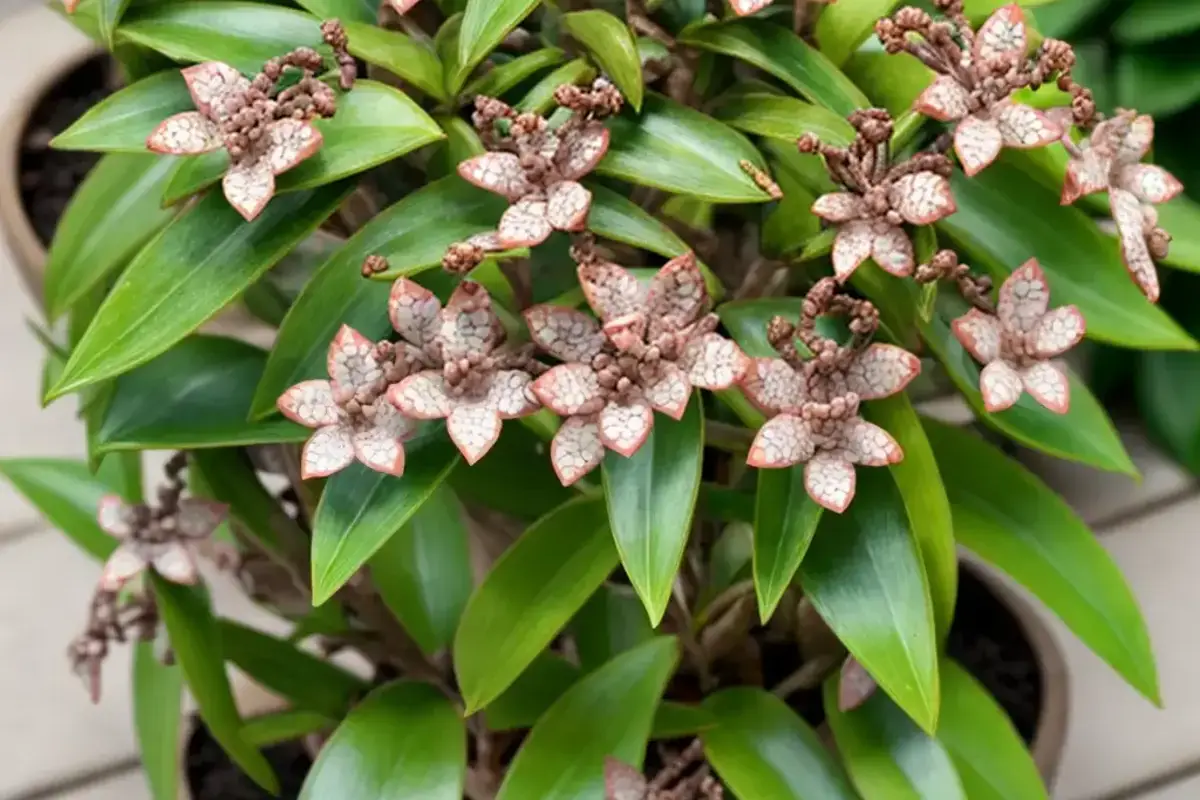
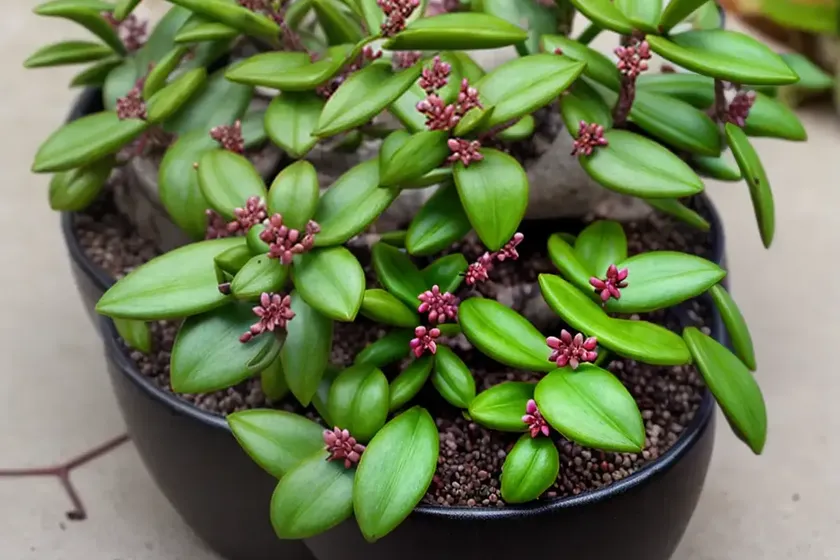
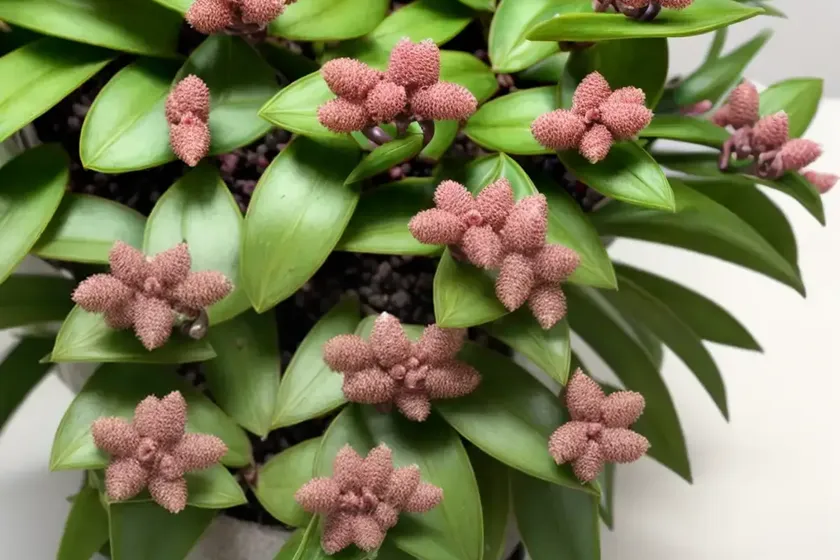
Hoya Carnosa ‘Compacta’, commonly known as the Hindu Rope Plant, is a charming and unique succulent that has gained popularity among plant enthusiasts for its attractive foliage and minimal maintenance requirements. In this comprehensive guide, we will delve into the fascinating world of Hoya Carnosa ‘Compacta’, exploring its origins, care requirements, propagation techniques, common issues, fun facts, and much more.
What is Hoya Carnosa ‘Compacta’ (Hindu Rope Plant)?
Hoya Carnosa ‘Compacta’, a cultivar of the Hoya Carnosa species, is a tropical succulent native to Eastern Asia, Australia, and the Pacific Islands. With its distinctive trailing and twisting vines, adorned with waxy, curled leaves, the Hindu Rope Plant has become a sought-after addition to both indoor and outdoor plant collections. The plant is often cultivated as a hanging or trailing specimen, making it a visually captivating addition to any space.
Key Takeaways – Hoya Carnosa ‘Compacta’ (Hindu Rope Plant)
Culture
- Origin: Native to Eastern Asia, Australia, and the Pacific Islands
- Family: Apocynaceae
- Growth Habit: Trailing, twisting vines with waxy, curled leaves
- Common Names: Hindu Rope Plant, Krinkle Kurl, Porcelain Flower
Uses
- Ornamental: Popular as an ornamental plant for decorating indoor and outdoor spaces.
Water
- Watering Frequency: Moderate, allowing the soil to dry slightly between waterings.
- Watering Technique: Water thoroughly and allow excess water to drain out from the bottom of the pot.
Sunlight
- Light Requirements: Thrives in bright, indirect light. Can tolerate some direct sunlight, especially in the morning or late afternoon.
Fertilizer
- Fertilization Schedule: Feed with a balanced, water-soluble fertilizer every 2-4 weeks during the growing season (spring and summer).
Soil
- Preferred Soil Type: Well-draining, porous potting mix with good aeration.
- Soil pH: Slightly acidic to neutral (pH 6.1-7.0).
Pruning
- Pruning Technique: Minimal pruning required. Trim leggy or unruly growth to maintain a compact and tidy appearance.
- Propagation: Easily propagated from stem cuttings.
Container
- Container Type: Hanging baskets with ample drainage holes or well-draining pots.
- Potting Medium: Well-draining potting mix to prevent waterlogging.
Popularity
- Popularity: Rising popularity in the field of indoor gardening and ornamental plant collections.
Common Diseases
- Issues: Susceptible to root rot if overwatered.
- Disease diagnosis: Yellowing, wilting, or mushy stems are signs of overwatering and potential root rot.
Common Pests
- Pests: Vulnerable to mealybugs, scale insects, and spider mites.
- Prevention: Regularly inspect the plant for signs of pests and treat infestations promptly.
Botanist’s Tips
- Tip 1: Maintain a consistent watering schedule to prevent overwatering.
- Tip 2: Provide occasional pruning to promote bushier growth and control the plant’s size.
- Tip 3: Keep an eye out for pests and address any infestations promptly to prevent damage to the plant.
Fun Facts
- The Hindu Rope Plant derives its name from the characteristic twisted and rope-like appearance of its vines.
Now that we have familiarized ourselves with the fundamental aspects of Hoya Carnosa ‘Compacta’, let’s explore each of these components in detail, ensuring you have all the necessary knowledge to cultivate and care for this stunning succulent with confidence.
Water Requirements
One of the critical aspects of successfully caring for the Hindu Rope Plant is understanding its water requirements. As with many succulents, overwatering poses a significant risk to the health of the plant, making it essential to establish an appropriate watering routine. Here are some essential considerations regarding the water needs of Hoya Carnosa ‘Compacta’:
Watering Frequency
- Frequency: Moderate, allowing the top inch of the soil to dry between waterings.
- Seasonal Variations: Adjust the watering frequency in response to seasonal changes and the plant’s growth patterns.
Watering Technique
- Method: Water the plant thoroughly, allowing the excess water to drain out from the bottom of the pot.
- Avoid Waterlogging: Ensure that the container has adequate drainage to prevent waterlogging and root rot.
Sunlight Requirements
Proper sunlight is crucial for the healthy growth and development of Hoya Carnosa ‘Compacta’. Understanding the plant’s light preferences allows you to create an optimal environment for its cultivation. Here are the key considerations for providing suitable sunlight conditions:
Light Preferences
- Ideal Location: Thrives in bright, indirect light.
- Direct Sun Exposure: Can tolerate some direct sunlight, especially in the morning or late afternoon.
- Protection from Harsh Sun: Protect from intense midday sun, particularly during the warmer months.
Fertilizer Application
Applying the appropriate fertilizer can enhance the growth and overall health of Hoya Carnosa ‘Compacta’, ensuring it receives essential nutrients for flourishing. Here’s what you need to know about fertilizing this stunning succulent:
Fertilization Schedule
- Timing: Feed with a balanced, water-soluble fertilizer every 2-4 weeks during the growing season (spring and summer).
- Avoid Overfeeding: Refrain from excessive fertilization, as it can lead to salt buildup and negatively impact the plant’s health.
- Winter Rest: Reduce or cease fertilization during the plant’s dormancy period in the winter months.
Soil Requirements
Selecting the right soil type and composition is pivotal in providing an optimal growing medium for Hoya Carnosa ‘Compacta’. The proper soil conditions ensure adequate drainage and aeration, contributing to the plant’s overall well-being. Here’s what you should consider in relation to soil requirements:
Preferred Soil Type
- Characteristics: Well-draining, porous potting mix with good aeration.
- Soil pH: Slightly acidic to neutral (pH 6.1-7.0).
- Aeration: Incorporate perlite or coarse sand to improve soil aeration and drainage.
Pruning Techniques
While Hoya Carnosa ‘Compacta’ generally requires minimal pruning, occasional maintenance is beneficial for promoting bushier growth and maintaining a tidy appearance. Understanding the appropriate pruning techniques allows you to effectively manage the plant’s growth. Here are the key aspects of pruning this captivating succulent:
Pruning Practices
- Leggy Growth: Trim leggy or unruly growth to encourage a more compact and bushy appearance.
- Propagation from Prunings: Utilize the stem cuttings from pruning for propagation, expanding your plant collection or gifting cuttings to fellow plant enthusiasts.
Propagation Methods
The ease of propagating Hoya Carnosa ‘Compacta’ adds to its appeal, enabling plant enthusiasts to expand their collection or share the joy of growing these unique succulents with others. Here are the essential aspects of propagating the Hindu Rope Plant:
Propagation from Stem Cuttings
- Selecting Healthy Cuttings: Choose healthy stem cuttings with at least two nodes.
- Rooting Medium: Plant the cuttings in a well-draining potting mix and provide sufficient humidity to encourage root development.
- Time to Rooting: Rooting typically occurs within a few weeks, with new growth emerging as a sign of successful propagation.
Container Selection
Selecting an appropriate container is essential for ensuring the well-being of Hoya Carnosa ‘Compacta’. The right container and potting medium contribute to adequate drainage and prevent waterlogging, promoting the plant’s overall health. Here are the key considerations for selecting a suitable container:
Container Type
- Preferred Option: Hanging baskets with ample drainage holes or well-draining pots.
- Drainage Holes: Ensure that the container has sufficient drainage to prevent water stagnation.
- Pot Size: Select a pot that accommodates the plant’s current size with some room for future growth.
Common Diseases and Pests
Understanding the potential diseases and pests that can affect Hoya Carnosa ‘Compacta’ allows you to take proactive measures to safeguard the plant’s health. Prompt identification and treatment of issues are essential for maintaining the plant’s vitality. Here’s what you need to know about addressing common diseases and pests:
Disease Diagnosis
- Signs of Overwatering: Yellowing, wilting, or mushy stems are indicators of overwatering and potential root rot.
- Prevention Measures: Maintain appropriate watering practices and ensure adequate soil drainage to prevent water-related issues.
Common Pests
- Mealybugs: Inspect the plant regularly for mealybug infestations, particularly in the leaf axils and along the stems.
- Scale Insects: Check for scale insects and address infestations promptly to prevent damage to the plant.
- Spider Mites: Watch for signs of spider mite activity, such as webbing and stippling on the leaves, and take necessary steps to mitigate their presence.
Botanist’s Tips for Success
Drawing from years of experience and expertise in cultivating and studying plants, botanists offer invaluable tips for successfully caring for Hoya Carnosa ‘Compacta’. Here are some expert tips to enhance your plant care practices:
Tip 1
Maintain a consistent watering schedule to prevent overwatering and promote healthy root development.
Tip 2
Provide occasional pruning to promote bushier growth and control the plant’s size, ensuring an attractive and well-maintained appearance.
Tip 3
Regularly inspect the plant for signs of pests, addressing any infestations promptly to prevent damage to the plant.
Fun Facts about Hoya Carnosa ‘Compacta’
Amidst the practical aspects of caring for Hoya Carnosa ‘Compacta’, it’s fascinating to explore some fun and intriguing facts about this captivating succulent. Here are some delightful insights into the Hindu Rope Plant:
- The common name “Hindu Rope Plant” is derived from the plant’s distinctive twisted and rope-like vines, adding to its allure and unique charm.
- Hoya Carnosa ‘Compacta’ is recognized for its air-purifying properties, contributing to enhanced air quality within indoor spaces where it is cultivated.
- The plant’s trailing and twisting vines make it a perfect candidate for hanging baskets, creating an elegant cascading display.
As we immerse ourselves in the enchanting world of Hoya Carnosa ‘Compacta’, it’s clear that this resilient and visually striking succulent offers a myriad of rewards to those who embrace its cultivation. From its intriguing foliage and low-maintenance requirements to its air-purifying attributes, the Hindu Rope Plant holds a special place in the realm of indoor gardening and ornamental plant collections.
Links to External Resources
To further enrich your knowledge and facilitate your journey in caring for Hoya Carnosa ‘Compacta’, here are some valuable external resources that offer additional insights, tips, and guidance:
- The Spruce – How to Grow and Care for Hindu Rope Plant (Hoya Carnosa Compacta)
- Gardening Know How – Hoya Hindu Rope Plant Care: Tips for Growing and Maintenance
- University of Florida – Hoya Carnosa Fact Sheet
These resources offer a wealth of information, including care tips, troubleshooting advice, and unique insights into the cultivation of Hoya Carnosa ‘Compacta’, empowering you to further enhance your proficiency in tending to this captivating succulent.
In conclusion, Hoya Carnosa ‘Compacta’ exudes a timeless appeal, blending beauty with resilience and low-maintenance care, making it a favored choice for both novice and experienced plant enthusiasts. By embracing the principles of proper watering, suitable light exposure, and diligent pest management, you can ensure the flourishing growth and enduring health of the Hindu Rope Plant within your living spaces, adding a touch of natural elegance to your surroundings.
By immersing ourselves in the enchanting world of the Hoya Carnosa ‘Compacta’, we have gained an in-depth understanding of its cultural requirements, propagation techniques, potential issues, and unique attributes. Through careful attention to these elements and the incorporation of expert tips and external resources, we can ensure the thriving growth and enduring beauty of this captivating succulent. Whether adorning a hanging basket or gracing a shelf, the Hindu Rope Plant shines as a resilient and visually captivating addition to any botanical collection.