Zebra Haworthia (Haworthia attenuata) Care Guide
A small, tough succulent for windowsills: light, watering, soil, containers, propagating offsets and avoiding root rot.
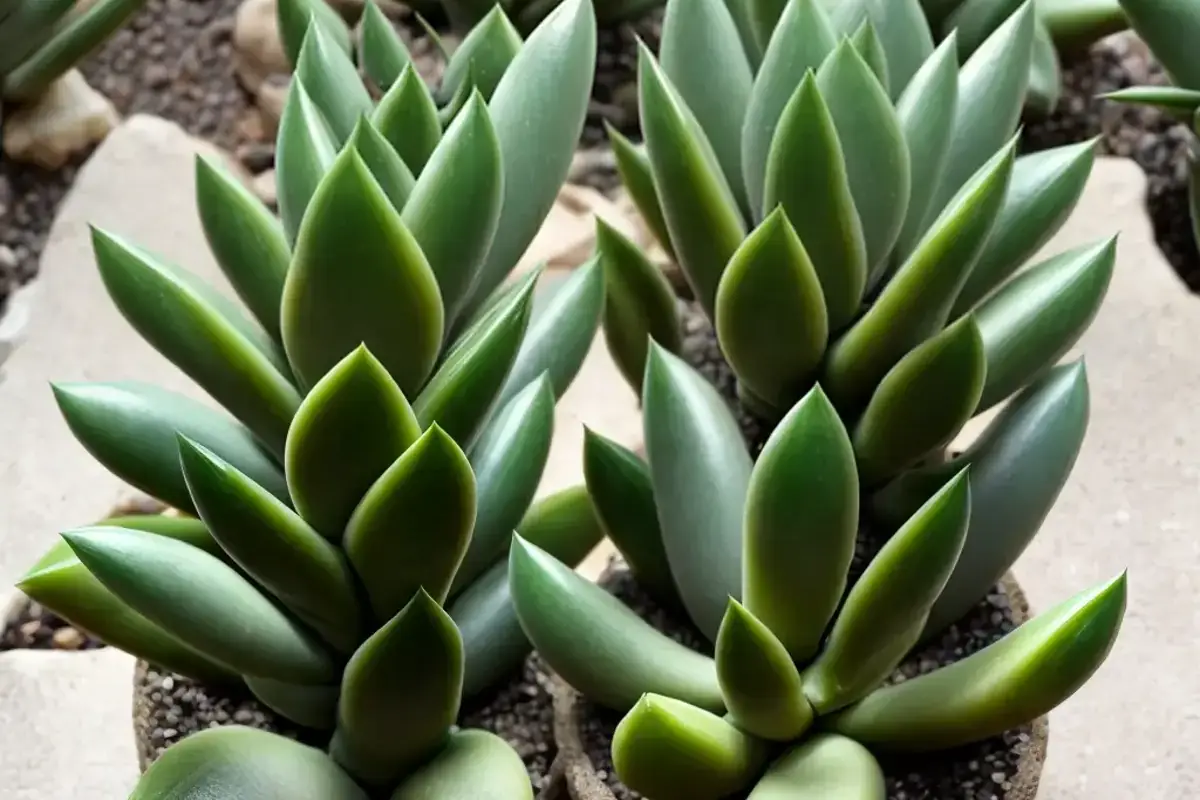
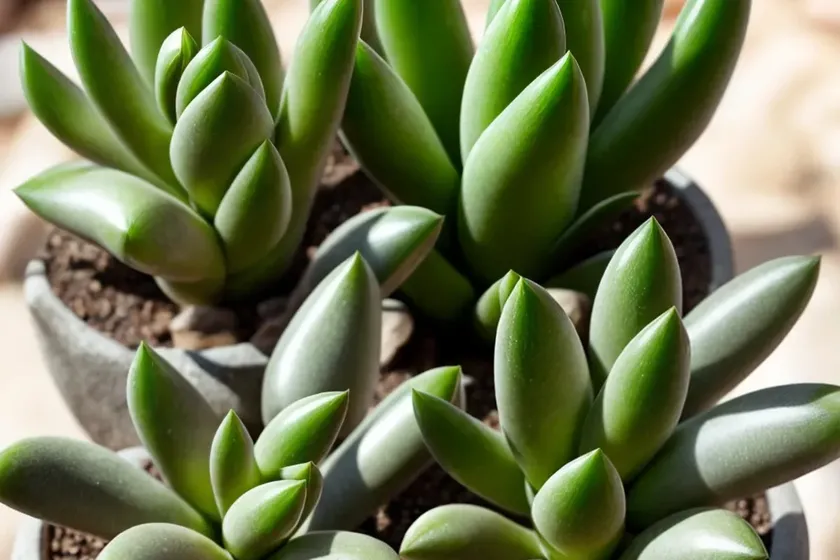
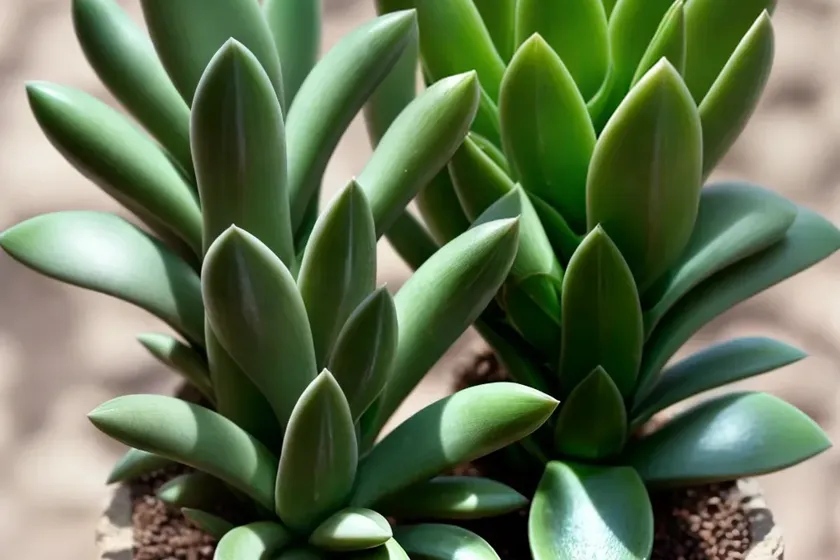
Haworthia attenuata, commonly known as zebra plant, zebra cactus, or pearl plant, is a beautiful and resilient succulent that is popular among plant enthusiasts. This species is a member of the Asphodelaceae family, native to the Eastern Cape Province in South Africa. Its unique appearance and low-maintenance nature make it a fantastic addition to any indoor or outdoor plant collection.
In this comprehensive care guide, we will delve into the various aspects of caring for Haworthia attenuata, including its culture, uses, water requirements, sunlight preferences, soil type, pruning, propagation, common diseases, pests, fun facts, and so much more. By the end of this guide, you will have a thorough understanding of how to ensure the optimal growth and well-being of this fascinating succulent.
What is Haworthia Attenuata (Haworthia Attenuata)?
Haworthia attenuata is an evergreen, perennial succulent known for its striking appearance and resilience. It features rosettes of thick, pointed, and variegated leaves that often display eye-catching zebra-like stripes, hence its common name “zebra plant.” The plant typically grows in clumps, with each rosette consisting of numerous fleshy leaves arranged in a spiral pattern.
Key Takeaways
Before delving into the specifics of Haworthia attenuata care, let’s summarize some key takeaways about this remarkable succulent.
- Scientific Name: Haworthia attenuata
- Common Names: Zebra plant, zebra cactus, pearl plant
- Family: Asphodelaceae
- Native Habitat: Eastern Cape Province, South Africa
- Characteristics: Thick, pointed, variegated leaves with zebra-like stripes
- Growth Habit: Evergreen, perennial succulent that forms clumps of rosettes
- Uses: Ornamental plant, indoor and outdoor decoration
- Resilience: Low-maintenance and drought-tolerant
- Popularity: Widely cultivated for its unique appearance and easy care requirements
Now, let’s explore the various aspects of caring for Haworthia attenuata in detail.
Culture of Haworthia Attenuata
The culture of Haworthia attenuata encompasses its uses, water requirements, sunlight preferences, soil type, pruning, propagation, and other essential factors that contribute to its overall well-being.
Uses
Haworthia attenuata is primarily cultivated for ornamental purposes, both indoors and outdoors. Its striking appearance and low-maintenance nature make it a popular choice for various types of plant arrangements and landscapes. Additionally, its resilience and adaptability to different environmental conditions have contributed to its widespread cultivation as a decorative plant.
Water
Understanding the water requirements of Haworthia attenuata is crucial for its successful cultivation. As a succulent, it is adapted to arid environments and has evolved to store water in its fleshy leaves. Overwatering is one of the most common mistakes made in caring for succulents, including Haworthia attenuata. Therefore, it is essential to follow appropriate watering practices to prevent root rot and other moisture-related issues.
Haworthia Attenuata Watering Guide
| Watering Aspect | Guidelines |
|————————|——————————————————————————————————–|
| Frequency | Allow the soil to dry out completely between waterings. |
| Watering Technique | Use the “soak and dry” method, thoroughly watering the soil and allowing excess water to drain out. |
| Water Type | Use room temperature, distilled, or rainwater to avoid mineral buildup. |
| Seasonal Variations | Reduce watering during the winter months when the plant is in a state of semi-dormancy. |
| Signs of Overwatering | Soft, mushy leaves and discoloration may indicate excessive moisture. |
Sunlight
In its native habitat, Haworthia attenuata thrives in bright, indirect sunlight with some exposure to partial shade. When grown as a houseplant, it is essential to replicate these lighting conditions to ensure healthy growth and vibrant foliage. Insufficient light can lead to elongated and weakened leaves, while excessive direct sunlight may cause sunburn and leaf damage.
Haworthia Attenuata Sunlight Requirements
– Indoor Placement: Place near a bright, south-facing window or provide bright, indirect light in other orientations.
– Outdoor Cultivation: Choose a location with partial shade or filtered sunlight, especially during the intense afternoon hours.
– Lighting Considerations: Rotate the plant periodically to ensure uniform exposure and balanced growth.
Fertilizer
Proper fertilization can enhance the growth and resilience of Haworthia attenuata, but it is crucial to administer fertilizers with care, considering its succulent nature and moderate nutrient requirements. Overfertilization can lead to fertilizer burn and other detrimental effects on the plant, so it is essential to follow recommended feeding schedules and dilution ratios.
Haworthia Attenuata Fertilization Guidelines
– Use a balanced, water-soluble fertilizer with a low concentration of nitrogen.
– Apply fertilizer during the active growing season, typically in spring and summer.
– Dilute the fertilizer to half or a quarter of the recommended strength to avoid nitrogen toxicity.
– Refrain from fertilizing during the winter months when the plant’s growth rate decreases.
Soil
The choice of soil is critical for succulent plants like Haworthia attenuata, as it directly affects drainage, aeration, and overall root health. A well-draining and nutrient-rich soil mix can prevent waterlogged conditions and provide an ideal growing medium for the plant’s root system.
Haworthia Attenuata Soil Type
– Use a commercial succulent or cactus potting mix that promotes rapid drainage.
– Alternatively, create a custom mix using equal parts of coarse sand, perlite, and well-aged compost.
– Consider adding a small amount of peat moss or coconut coir to improve moisture retention without sacrificing drainage.
– Repot the plant every 2-3 years to refresh the soil and provide adequate space for root development.
Pruning
While minimal pruning is generally required for Haworthia attenuata, the removal of dead or damaged leaves can contribute to the overall aesthetic appeal and health of the plant. Additionally, periodic removal of offsets (pups) can control the plant’s size and facilitate propagation.
Haworthia Attenuata Pruning Tips
– Use clean, sterilized scissors or pruning shears to remove dead or dying leaves.
– Gently twist and pull apart offsets from the main rosette to propagate new plants.
– Prune with care to avoid injuring the plant or causing unnecessary stress.
Propagation
Propagating Haworthia attenuata is a rewarding process and can be accomplished through several methods, including offsets, leaf cuttings, and division. Each approach has its unique benefits and requirements, allowing plant enthusiasts to expand their collection and share the beauty of this succulent with others.
Haworthia Attenuata Propagation Techniques
– Offsets: Separate and replant the offsets that emerge from the base of the parent plant.
– Leaf Cuttings: Allow the cut ends of healthy leaves to callus before planting them in a well-draining potting mix.
– Division: Carefully divide clumps of Haworthia attenuata to create new individual plants with well-established root systems.
Container Popularity
Haworthia attenuata is widely cultivated in containers, making it a popular choice for indoor and outdoor potted displays. Its compact size, attractive foliage, and low maintenance requirements contribute to its widespread popularity among container gardeners and succulent enthusiasts.
Haworthia Attenuata Container Gardening
– Choose shallow, wide containers with adequate drainage holes to prevent waterlogging.
– Select decorative pots or planters that complement the unique appearance of the zebra plant.
– Consider grouping multiple Haworthia attenuata specimens in a single container for an eye-catching arrangement.
Common Diseases
Like all plants, Haworthia attenuata is susceptible to certain diseases and health issues that can impact its growth and vitality. By understanding the symptoms and appropriate management strategies, plant owners can effectively address and prevent common diseases that affect this succulent species.
Haworthia Attenuata Common Diseases
– Fungal Infections: Watch for signs of root rot, stem rot, or leaf spot caused by excessive moisture and poor air circulation.
– Bacterial Diseases: Manage bacterial soft rot and other bacterial infections through proper watering and hygiene practices.
– Viral Infections: Prevent the spread of viruses through good sanitation and isolation of infected plants.
Disease Diagnosis
Diagnosing diseases in Haworthia attenuata involves careful observation of symptoms and potential causal factors. By conducting a thorough assessment of the plant’s condition and environmental conditions, plant owners can identify and address diseases before they cause severe damage.
Haworthia Attenuata Disease Diagnosis
– Examine the plant for signs of discoloration, wilting, and unusual growth patterns.
– Check the soil moisture, light exposure, and air circulation to assess potential causal factors.
– Research specific disease symptoms and compare them to the observed issues to make an accurate diagnosis.
Common Pests
Despite its resilience, Haworthia attenuata is not immune to pest infestations, particularly when grown in indoor environments. Common pests that may affect this succulent include mealybugs, spider mites, and aphids, among others.
Haworthia Attenuata Common Pests
– Mealybugs: Look for white, cottony masses on the leaves or stems and treat promptly with insecticidal soap or horticultural oil.
– Spider Mites: Check for fine webbing and stippling on the leaves, and use a strong stream of water or insecticidal sprays to control infestations.
– Aphids: Inspect the new growth for clusters of small, soft-bodied insects and utilize natural predators or insecticidal solutions for management.
Botanist’s Tips
As botanists and plant enthusiasts, we appreciate the unique characteristics and cultivation requirements of Haworthia attenuata. To ensure the optimal growth and well-being of this succulent, we offer the following expert tips based on our knowledge and experience with succulent plants.
Expert Tips for Haworthia Attenuata Care
1. Moderation in Watering: Practice a “less is more” approach when watering Haworthia attenuata, allowing the soil to dry out between waterings.
2. Lighting Balance: Provide bright, indirect light for healthy growth, and protect the plant from prolonged exposure to intense sunlight.
3. Adequate Drainage: Use well-draining soil and containers to prevent waterlogging and root rot.
4. Gentle Pruning: Remove dead or damaged leaves with care and avoid excessive manipulation of the plant.
5. Propagation Patience: Allow time for propagated plants to establish roots before expecting significant growth.
Fun Facts
Exploring the fascinating world of Haworthia attenuata reveals a multitude of intriguing facts and insights that capture the allure of this unique succulent species.
Fun Facts About Haworthia Attenuata
– Natural Habitat: In its native South African habitat, Haworthia attenuata often grows in rocky crevices and dry, sandy areas.
– Ethnobotanical Uses: Some indigenous communities have historically used Haworthia species for medicinal purposes, including treating skin conditions and minor injuries.
– Hybrid Varieties: Plant breeders have developed numerous hybrid varieties of Haworthia attenuata, showcasing a diverse range of leaf patterns and colors.
– Wildlife Interaction: In its natural habitat, Haworthia attenuata may provide shelter and sustenance for small animals and insects.
– Symbolism: As a symbol of resilience and adaptation, Haworthia attenuata is often associated with the virtues of endurance and steadfastness.
Links to External Resources
For further exploration and in-depth information on Haworthia attenuata, we recommend the following external resources and references:
- The Haworthia Society
- Succulent Plant Care Guide
- Royal Horticultural Society – Haworthia
- University of Florida IFAS Extension – Succulent Plant Care
- Cactus and Succulent Society of America
By accessing these valuable resources, plant enthusiasts can deepen their knowledge and appreciation for Haworthia attenuata while gaining practical insights into its care and cultivation.
In conclusion, Haworthia attenuata, with its captivating zebra-like foliage and resilience, stands as a beloved member of the succulent plant family. Understanding and implementing the essential care guidelines outlined in this comprehensive guide will empower plant enthusiasts to create optimal growing conditions for this remarkable species. By integrating the insights and recommendations provided, individuals can foster the health, vitality, and beauty of Haworthia attenuata, both as an indoor centerpiece and a charming addition to outdoor landscapes. As we celebrate the unique qualities and cultural significance of this succulent, we invite you to embark on a rewarding journey of caring for Haworthia attenuata and witnessing its enduring elegance.
Through the fusion of scientific principles, practical wisdom, and a passion for plant care, we can create a vibrant and thriving environment for Haworthia attenuata, ensuring its ongoing legacy as a symbol of resilience and natural beauty.