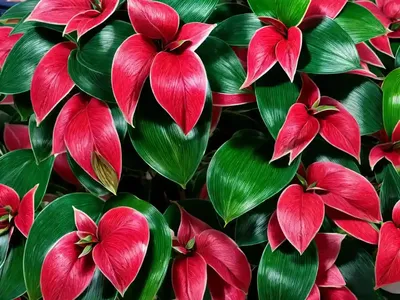
Shoebutton (Ardisia Elliptica)
The Shoebutton plant, scientifically known as Ardisia Elliptica, is a versatile and attractive evergreen shrub that belongs to the Myrsinaceae family. It.
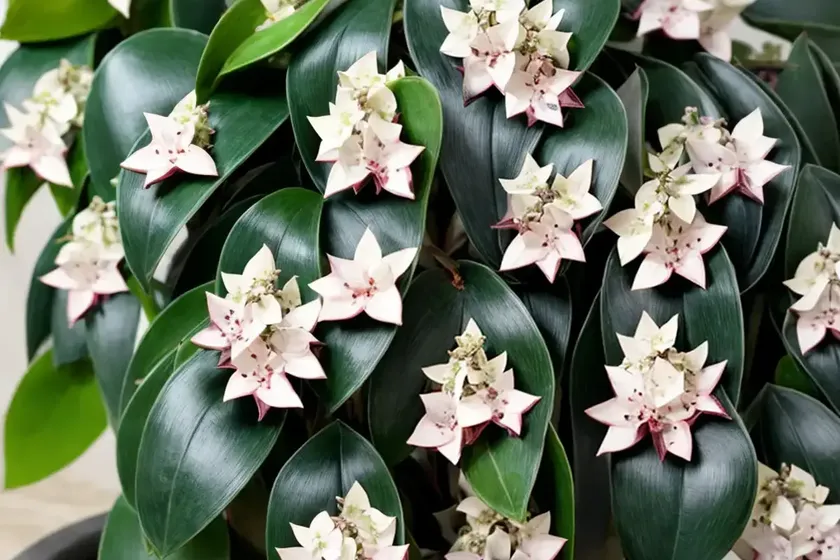
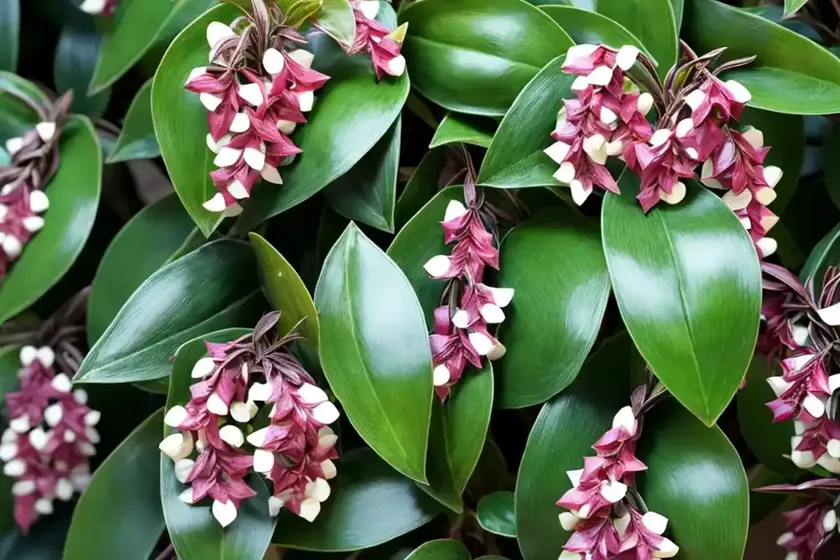
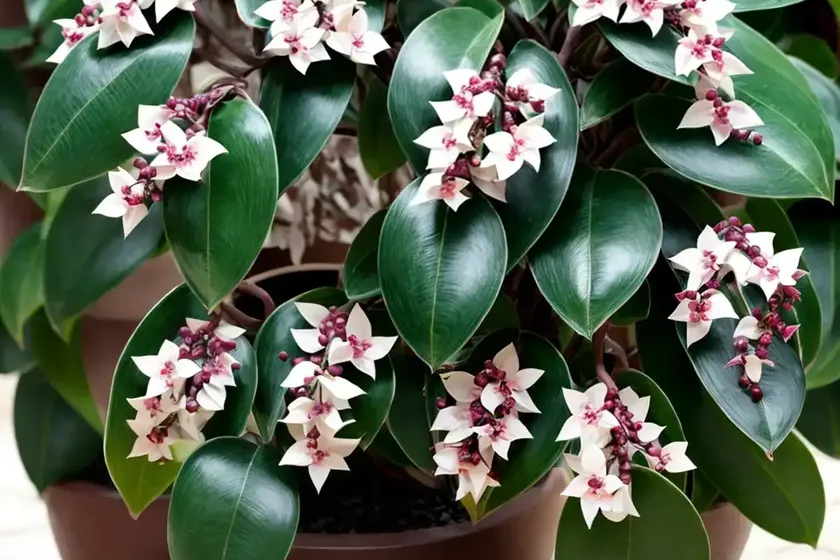
The Shoebutton plant, scientifically known as Ardisia Elliptica, is a versatile and attractive evergreen shrub that belongs to the Myrsinaceae family. It is also commonly referred to as the Coralberry, Coral Ardisia, and Christmas Berry due to its vibrant, colorful berries that often persist throughout the winter months. Native to East Asia, Southeast Asia, and the Indian subcontinent, this plant has gained popularity not only for its ornamental value but also for its potential medicinal uses.
Key Takeaways – Shoebutton (Ardisia Elliptica)
Before delving into the details of the shoebutton plant, let’s explore some of its key takeaways:
- Common Names: Shoebutton plant, Ardisia plant, Shoebutton shrub, Coralberry, Coral Ardisia, Christmas Berry.
- Botanical Name: Ardisia Elliptica
- Habitat: Native to East Asia, Southeast Asia, and the Indian subcontinent.
- Characteristics: Evergreen shrub with ornamental, colorful berries.
- Uses: Ornamental landscaping, potential medicinal uses.
- Challenges: Susceptible to certain diseases and pests.
- Key Care Factors: Water, sunlight, fertilizer, soil, pruning, propagation, container gardening.
Now that we have a brief overview, let’s dive deeper into the culture, uses, care, diseases, pests, and propagation of the shoebutton plant.
Water
The shoebutton plant requires moderate watering, and it is essential to maintain moist but well-drained soil. During the growing season, regular watering is necessary to keep the soil consistently damp. However, it is crucial to avoid waterlogging, as excessive moisture can lead to root rot and other fungal diseases. In the winter months or during periods of dormancy, the watering frequency can be reduced to prevent waterlogging.
Sunlight
This plant thrives in partial shade to full shade conditions, and it is well-suited for shaded areas in the garden or as an understory planting in woodland settings. It can tolerate some morning sun or filtered sunlight, but prolonged exposure to intense, direct sunlight can scorch the foliage and result in leaf burn. Therefore, providing adequate shade is crucial to maintain the health and appearance of the shoebutton plant.
Fertilizer
Regular fertilization is beneficial for promoting healthy growth and berry production in the shoebutton plant. A balanced, slow-release fertilizer formulated for acid-loving plants is ideal for providing essential nutrients such as nitrogen, phosphorus, and potassium. Fertilizing in the early spring before the onset of new growth and again in the late summer can help sustain the plant’s vigor and enhance its ornamental qualities.
Soil
The shoebutton plant thrives in well-draining, slightly acidic to neutral soil with a pH range of 5.5 to 6.5. A blend of organic matter such as peat moss or compost can improve soil structure and fertility, ensuring optimal conditions for root development and nutrient uptake. Additionally, incorporating a layer of mulch around the base of the plant can help conserve soil moisture and suppress weed growth while providing insulation during extreme temperatures.
Pruning is an essential aspect of shoebutton plant care and contributes to maintaining a compact, tidy appearance and promoting healthy growth. It is recommended to prune the plant in the late winter or early spring to remove any dead, damaged, or overgrown branches. Additionally, selectively shaping the plant can help control its size and encourage dense foliage and prolific berry production. When pruning, it is important to use clean, sharp tools to make precise cuts and minimize the risk of damage to the plant.
Propagation
The shoebutton plant can be propagated through various methods such as seed sowing, stem cuttings, and division. Each propagation technique offers unique advantages and challenges, and the choice of method depends on the desired quantity, timing, and environmental conditions. Seed propagation is ideal for creating new plants from fresh berries, while stem cuttings offer a reliable and efficient way to produce genetically identical offspring. Division can be employed to rejuvenate mature plants and expand the population by separating the root ball into multiple sections.
The shoebutton plant can thrive in containers, making it a versatile option for landscaping and ornamental displays in outdoor and indoor settings. When growing the plant in containers, it is crucial to select a spacious pot with adequate drainage holes to prevent water accumulation. Additionally, using a high-quality potting mix with good aeration and water retention properties supports healthy root development and minimizes the risk of waterlogged soil. Regular monitoring of moisture levels, sunlight exposure, and fertilization is essential to ensure optimal growing conditions for the shoebutton plant in containers.
Ornamental Landscaping
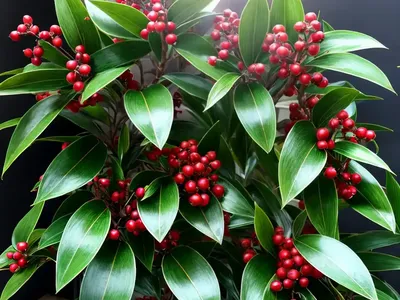
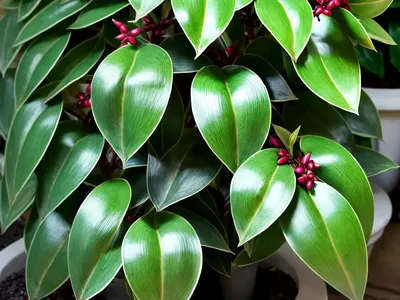
The shoebutton plant is prized for its ornamental value, primarily due to its vibrant, long-lasting berries and glossy, dark green foliage. It is commonly utilized as a decorative shrub in landscapes, gardens, and naturalized settings, adding a pop of color and texture to the surroundings. The clusters of bright red, pink, or white berries are particularly striking and can persist from late summer into the winter months, providing visual interest and attracting wildlife such as birds and butterflies.
Potential Medicinal Uses
In addition to its aesthetic appeal, the shoebutton plant has been traditionally used in certain folk medicine practices for its potential medicinal properties. The berries are believed to contain compounds with antioxidant, anti-inflammatory, and potentially therapeutic effects. However, it is important to note that further research and clinical studies are necessary to validate and confirm the medicinal uses of the shoebutton plant. As with any herbal remedy, it is advisable to consult healthcare professionals before utilizing the plant or its derivatives for medicinal purposes.
Despite its resilience, the shoebutton plant is susceptible to certain diseases, particularly when grown under unfavorable conditions or subjected to environmental stressors. Some of the common diseases that may affect this species include:
-
Leaf Spot: Fungal infections can result in the development of dark, irregular spots on the foliage, leading to leaf discoloration and premature defoliation. Maintaining proper air circulation, avoiding overhead watering, and applying fungicidal treatments can help manage and prevent leaf spot diseases.
-
Root Rot: Prolonged waterlogged conditions or poorly draining soil can contribute to root rot, causing root decay and subsequent decline in plant health. Implementing proper drainage practices and adjusting watering frequency can mitigate the risk of root rot and its detrimental effects on the shoebutton plant.
-
Leaf Drop: Environmental stress, nutrient deficiencies, or pest infestations can trigger excessive leaf drop, compromising the aesthetic appeal and overall vitality of the plant. Addressing underlying issues, providing appropriate care, and monitoring for potential stressors can aid in reducing leaf drop and promoting plant resilience.
Knowing the symptoms and appropriate management strategies for these diseases is crucial for safeguarding the health and longevity of the shoebutton plant in various growing environments.
Early detection and accurate diagnosis of plant diseases are pivotal in implementing timely and effective treatment measures. When observing potential symptoms of diseases in the shoebutton plant, it is important to conduct thorough assessments and consider the following factors:
- Symptom Identification: Careful observation of leaf discoloration, spots, wilting, and other abnormal changes in plant appearance.
- Environmental Conditions: Evaluation of growing conditions, moisture levels, temperature fluctuations, and sunlight exposure.
- Cultural Practices: Reviewing watering, fertilization, and pruning practices to identify any potential sources of stress.
- Pest Presence: Checking for signs of insect infestations or pest damage that may contribute to disease development.
- Soil Examination: Assessing soil moisture, compaction, and drainage to determine potential soil-borne disease risks.
Consulting with experienced horticulturists, plant pathologists, or extension services can provide valuable insights and diagnostic support to accurately identify and address potential diseases affecting the shoebutton plant.
In addition to diseases, the shoebutton plant may also be susceptible to pest infestations that can compromise its health and aesthetic appeal. Some of the common pests that may pose challenges for this species include:
-
Spider Mites: These tiny arachnids can cause stippling and webbing on the foliage, leading to reduced photosynthetic capacity and overall plant vigor. Regular monitoring and the application of horticultural oil or insecticidal soap can help manage spider mite populations.
-
Scale Insects: Scale insects can attach themselves to the stems and leaves of the plant, feeding on plant sap and excreting honeydew. Control measures such as pruning infested areas, introducing natural predators, or applying horticultural oil can aid in addressing scale infestations effectively.
-
Aphids: These small, soft-bodied insects can cluster on new growth and tender plant parts, causing distortion and stunted growth. Insecticidal sprays, natural predators, and maintaining a balanced ecosystem can contribute to aphid management without the excessive use of chemical control methods.
Effectively identifying and managing pest populations is essential for preserving the health and beauty of the shoebutton plant, promoting its vitality, and preventing potential damage.
As a botanist, it is important to consider several key factors when cultivating and studying the shoebutton plant. Here are some valuable tips and insights for enthusiasts, researchers, and horticultural professionals interested in this species:
-
Biodiversity Conservation: Recognize the native habitat and ecological significance of the shoebutton plant, and promote sustainable cultivation practices to conserve genetic diversity and support wildlife populations.
-
Cultural Significance: Explore the cultural and historical significance of the shoebutton plant in various regions, including traditional uses, folklore, and symbolic associations, to gain a holistic understanding of its value to different communities.
-
Genetic Variation: Investigate the genetic diversity, hybridization potential, and adaptive traits of different shoebutton plant varieties to contribute to breeding programs and conservation efforts focused on enhancing plant resilience and ornamental qualities.
-
Species Interactions: Consider the plant’s interactions with pollinators, beneficial organisms, and neighboring species to comprehend its ecological relationships and potential influence on local ecosystems.
-
Educational Outreach: Engage in educational initiatives and public outreach programs to raise awareness about the shoebutton plant, its unique attributes, and the significance of preserving biodiversity and natural habitats.
By incorporating these botanical perspectives, researchers and enthusiasts can contribute to the broader knowledge and appreciation of the shoebutton plant, while playing a role in its sustainable cultivation and conservation.
At the conclusion of our exploration of the shoebutton plant, let’s uncover some fascinating and lesser-known facts about this versatile species:
-
Symbolic Significance: In some cultures, the shoebutton plant has symbolic associations with love, luck, or spiritual beliefs, and it is incorporated into traditional customs and ceremonies.
-
Wildlife Attraction: The colorful berries of the shoebutton plant attract an array of wildlife, including birds and butterflies, contributing to local biodiversity and ecological balance.
-
Growth Habit: Depending on its growing conditions, the shoebutton plant can exhibit diverse growth habits, ranging from a low groundcover to a tall, upright shrub, showcasing its adaptability and versatility.
-
Berries Toxicity: While the shoebutton plant berries are visually appealing, it is important to note that they can be toxic if ingested, particularly to pets and humans, emphasizing the need for cautious handling and awareness of potential hazards.
To delve deeper into the diverse aspects of the shoebutton plant, including its cultivation, uses, and ecological significance, the following external resources offer valuable insights and comprehensive information:
- Royal Horticultural Society – Ardisia Elliptica
- University of Florida – Ardisia Elliptica Fact Sheet
In conclusion, the shoebutton plant, with its botanical allure and potential benefits, demonstrates the intricate interplay between ornamental, ecological, and cultural dimensions, inviting enthusiasts and researchers to appreciate its diversity and contributions to the natural world. By embracing its cultural significance, understanding its care needs, and exploring its potential uses, we can foster a deeper connection with the shoebutton plant and its captivating attributes, while advocating for its sustainable cultivation and conservation.