Echeveria elegans: The Ultimate Care Guide
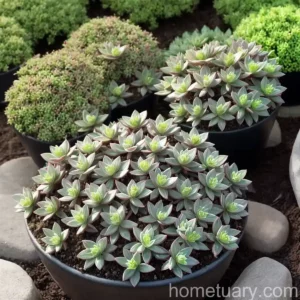
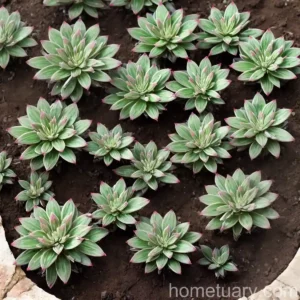
Echeveria elegans, also known as Mexican snowball or echeveria, is a stunning succulent plant known for its symmetrical rosette of fleshy, spoon-shaped, pale green leaves. This perennial evergreen species belongs to the Crassulaceae family and is native to semi-desert areas in Mexico. The plant’s charming appearance, low maintenance, and versatility make it a popular choice for both indoor and outdoor gardening enthusiasts. In this comprehensive care guide, we will explore the various aspects of cultivating and caring for Echeveria elegans, including its culture, uses, water and sunlight requirements, fertilizer needs, soil conditions, pruning techniques, propagation methods, common diseases, pests, and more.
What is Echeveria elegans?
Echeveria elegans is a succulent plant species characterized by its charming rosettes of thick, fleshy leaves. The plant typically grows to a height of 6-12 inches (15-30 cm), with a spread of 6-12 inches (15-30 cm). The leaves are densely packed, forming a compact and neat arrangement that adds elegance to the plant’s overall appearance. Echeveria elegans produces bell-shaped flowers on slender, arching stalks that emerge from the center of the rosettes. The flowers, which appear in late fall or early winter, are typically pink, coral, or orange in color, adding a delightful splash of vibrancy to the plant.
Key Takeaways
Before delving into the specifics of Echeveria elegans care, let’s highlight the key takeaways to provide a comprehensive overview:
- Echeveria elegans, also known as Mexican snowball, is a beautiful succulent plant characterized by its symmetrical rosette of fleshy, spoon-shaped, pale green leaves.
- This evergreen perennial species belongs to the Crassulaceae family and is native to semi-desert regions in Mexico.
- The plant is valued for its low maintenance, charming appearance, and versatility, making it a popular choice for both indoor and outdoor gardening.
- Echeveria elegans requires well-draining soil, ample sunlight, infrequent watering, and protection from frost to thrive.
- The plant is commonly used in rock gardens, container gardens, succulent arrangements, and xeriscaping projects.
Now, let’s explore the specific requirements for cultivating and caring for Echeveria elegans.
Culture
Successful cultivation of Echeveria elegans requires an understanding of its cultural needs. This includes its water and sunlight requirements, fertilizer needs, soil conditions, pruning techniques, propagation methods, and more.
Uses
Echeveria elegans is valued for its versatility and can be incorporated into various gardening and landscaping projects. Some common uses of Echeveria elegans include:
- Rock gardens: Echeveria elegans adds a touch of elegance and texture to rock gardens, where its low-growing and compact nature complements the surrounding landscape.
- Container gardens: The plant thrives in containers and is often used in succulent arrangements or standalone potted displays, adding visual interest to patios, balconies, and indoor spaces.
- Xeriscaping: Echeveria elegans is well-suited for xeriscaping projects due to its low water requirements and ability to thrive in arid conditions.
- Ground cover: In suitable climates, Echeveria elegans can be used as a ground cover, creating a visually appealing carpet of succulent foliage.
- Companion planting: Echeveria elegans can be paired with other drought-tolerant plants to create visually stunning and water-efficient landscapes.
Overall, Echeveria elegans’ uses are diverse and extend beyond traditional garden beds, making it an attractive option for a wide range of gardening and landscaping applications.
Water
One of the critical factors in successfully caring for Echeveria elegans is understanding its water requirements. As a succulent plant native to semi-desert regions, Echeveria elegans is adapted to low moisture environments and is highly susceptible to rot if overwatered. Here are some key considerations for watering Echeveria elegans:
- Infrequent watering: Echeveria elegans prefers infrequent, deep watering over frequent light watering. Water the plant thoroughly, allowing the soil to dry out completely between waterings to mimic its natural habitat.
- Well-draining soil: Ensure the plant is potted in well-draining soil to prevent waterlogged conditions and promote healthy root development.
- Avoid water accumulation: Empty the saucer or tray under the pot after watering to prevent the plant from sitting in excess water, which can lead to root rot.
By adhering to these watering guidelines, gardeners can maintain the health and vitality of Echeveria elegans and prevent common issues associated with overwatering.
Sunlight
Echeveria elegans thrives in bright sunlight and requires ample sun exposure to maintain its compact form and vibrant coloration. When providing sunlight for Echeveria elegans, consider the following:
- Full sunlight: Position the plant in a location that receives at least 6-8 hours of direct sunlight daily. South or west-facing windows are ideal for indoor cultivation, while outdoor plants can benefit from full sun exposure.
- Protection from intense midday sun: In regions with hot, intense midday sun, provide some protection from direct sunlight to prevent scorching of the delicate leaves.
- Seasonal adjustments: During the summer months, monitor the plant for signs of sunburn and consider providing some dappled shade during the hottest part of the day if necessary.
By meeting the plant’s sunlight requirements, gardeners can ensure that Echeveria elegans maintains its characteristic compact growth habit and vibrant foliage.
Fertilizer
Providing appropriate nutrients is essential for promoting healthy growth and flowering in Echeveria elegans. However, due to its low nutritional needs, fertilizer application should be approached with caution to prevent potential issues such as root burn or excessive lush growth. Here are some fertilizer tips for Echeveria elegans:
- Use a balanced fertilizer: Select a balanced, water-soluble fertilizer with a formulation such as 10-10-10 or 20-20-20, diluted to half or one-quarter strength. Apply the fertilizer sparingly during the plant’s active growing season, typically from spring to early fall.
- Avoid excessive application: Refrain from over-fertilizing Echeveria elegans, as this can lead to salt buildup in the soil, root damage, or an imbalance of nutrients.
By exercising restraint and providing minimal but targeted fertilization, gardeners can support the healthy growth and development of Echeveria elegans without risking potential issues associated with excessive fertilizer application.
Soil
Suitable soil conditions are crucial for the health and vitality of Echeveria elegans, as they directly influence the plant’s root development, moisture retention, and nutrient uptake. When selecting or preparing soil for Echeveria elegans, consider the following:
- Well-draining soil: Use a well-draining soil mix that allows excess water to flow through and prevents waterlogged conditions. A common soil mix for Echeveria elegans includes a combination of potting soil, perlite, and coarse sand in equal parts to promote optimal drainage.
- Adequate aeration: Ensure the soil mix provides adequate aeration to the roots, promoting healthy respiration and preventing compaction.
- pH level: Aim for a slightly acidic to neutral soil pH range of 6.0-7.0, as Echeveria elegans prefers mildly acidic to neutral growing conditions.
By providing the appropriate soil conditions, gardeners can create an optimal growing environment for Echeveria elegans, supporting its overall health and resilience.
Pruning
Pruning Echeveria elegans is primarily focused on removing dead or damaged leaves and spent flower stalks to maintain the plant’s appearance and promote new growth. Here are some key pruning tips for Echeveria elegans:
- Remove dead leaves: Periodically remove any dead or withered leaves from the base of the rosettes, as they can harbor pests and diseases while detracting from the plant’s aesthetic appeal.
- Trim spent flower stalks: After the flowering season, trim the spent flower stalks down to the base of the rosettes using clean, sharp scissors or pruning shears to encourage new growth and maintain the plant’s tidy appearance.
- Prune with care: Exercise caution when pruning to avoid damaging healthy tissue, and ensure that pruning tools are sanitized to prevent the spread of diseases.
By incorporating regular pruning into the care routine for Echeveria elegans, gardeners can promote a tidy appearance and create an optimal environment for new growth and development.
Propagation
Echeveria elegans can be propagated through various methods, including offsets, leaf cuttings, and seed germination. Propagation provides an opportunity to expand your plant collection, share Echeveria elegans with others, or rejuvenate aging or overgrown specimens. Here are some common propagation methods for Echeveria elegans:
- Offsets: Echeveria elegans produces offsets, also known as pups or chicks, around the base of the mother plant. These offsets can be carefully removed and potted individually to establish new plants.
- Leaf cuttings: Healthy leaves can be carefully removed from the mother plant and laid flat on a well-draining propagation medium until they develop roots and new plantlets. This method allows for the production of multiple new plants from a single leaf.
- Seed germination: While less commonly used, Echeveria elegans seeds can be collected from mature seed pods and germinated under controlled conditions to produce new plants.
By exploring and implementing these propagation methods, gardeners can expand their collection of Echeveria elegans and share the joy of cultivating this charming succulent with fellow enthusiasts.
Container Popularity
Echeveria elegans is highly popular as a container plant due to its compact size, low maintenance needs, and striking visual appeal. The plant’s versatility and adaptability make it well-suited for various types of containers, including pots, planters, and hanging baskets. When selecting containers for Echeveria elegans, consider the following:
- Well-draining pots: Choose containers with drainage holes to ensure proper water management and prevent waterlogged soil conditions.
- Aesthetic appeal: Select containers that complement the plant’s coloration and growth habit, enhancing its visual impact as a decorative focal point.
- Size considerations: Provide adequate space for the plant to grow by selecting containers that accommodate the size of mature Echeveria elegans specimens.
By showcasing Echeveria elegans in containers, gardeners can bring the beauty of this succulent species to various indoor and outdoor settings, creating eye-catching displays and focal points.
Common Diseases
While Echeveria elegans is generally resistant to many common plant diseases, it can be susceptible to certain issues if its cultural needs are not met or if environmental conditions are unfavorable. Some common diseases that may affect Echeveria elegans include:
- Root rot: Overwatering or poorly draining soil can lead to root rot, a fungal disease that causes the plant’s roots to decay and lose their ability to absorb water and nutrients.
- Powdery mildew: In humid or poorly ventilated conditions, Echeveria elegans may develop powdery mildew, a fungal disease characterized by white powdery patches on the plant’s foliage.
- Leaf spot: Prolonged periods of high humidity or excessive moisture can lead to the development of leaf spot diseases, which cause dark, irregular spots or lesions on the leaves.
By maintaining optimal cultural conditions, practicing good sanitation, and promptly addressing any signs of disease, gardeners can minimize the risk of common diseases impacting their Echeveria elegans plants.
Disease Diagnosis
Diagnosing and addressing diseases in Echeveria elegans requires keen observation and timely intervention. When assessing the health of Echeveria elegans, pay attention to the following signs and symptoms associated with potential diseases:
- Yellowing or browning of leaves: Changes in leaf coloration, particularly yellowing or browning, may indicate issues such as overwatering, nutrient deficiencies, or root diseases.
- Wilting or drooping: Sudden wilting or drooping of the plant’s foliage can be a sign of root rot or water stress.
- Abnormal growth or spotting: Look for any unusual growth patterns, spots, or lesions on the leaves, which may indicate the presence of fungal or bacterial diseases.
By closely monitoring the plant for any signs of distress or disease, gardeners can take proactive measures to diagnose and address issues promptly, supporting the long-term health and vitality of Echeveria elegans.
Common Pests
In addition to diseases, Echeveria elegans may be susceptible to attacks from common pests that can impact its overall health and appearance. Recognizing and managing these pests is essential for safeguarding the plant against potential damage. Some common pests that may affect Echeveria elegans include:
- Aphids: These small, soft-bodied insects may cluster on the undersides of the leaves, feeding on plant sap and causing distortion or yellowing of the foliage.
- Mealybugs: Mealybugs are small, white, cottony insects that may gather on the leaves or stems, leading to wilting, stunted growth, or the development of sticky honeydew.
- Spider mites: These tiny arachnids can cause stippling, webbing, and overall decline in plant vigor, particularly in dry or dusty conditions.
By implementing proactive pest management strategies, such as regular monitoring and the use of natural predators or targeted treatments, gardeners can protect their Echeveria elegans plants from the detrimental effects of common pests.
Botanist’s Tips
As botanists and plant enthusiasts, it’s essential to share valuable insights and tips for cultivating and caring for Echeveria elegans. Here are some botanist’s tips to support successful Echeveria elegans care:
- Monitor water needs: Pay close attention to the plant’s water requirements, allowing the soil to dry out between waterings to prevent issues related to overwatering.
- Provide ample sunlight: Position Echeveria elegans in a location that receives abundant sunlight to promote healthy growth and vibrant coloration.
- Promote air circulation: Ensure adequate air circulation around the plant to minimize the risk of fungal diseases and support overall plant health.
- Select well-draining containers: Choose pots or planters with drainage holes to prevent water accumulation and promote optimal root health.
- Practice regular maintenance: Engage in regular pruning, sanitation, and propagation to maintain the plant’s appearance and vigor.
By incorporating these botanist’s tips into their Echeveria elegans care routine, gardeners can enhance their understanding of the plant’s needs and optimize its overall health and resilience.
Fun Facts
Echeveria elegans possesses a rich and captivating history, along with unique characteristics that make it an intriguing subject for plant enthusiasts. Here are some fun facts about Echeveria elegans:
- Botanical legacy: The genus Echeveria is named after the 18th-century Mexican botanical artist Atanasio Echeverría y Godoy.
- Drought tolerance: Echeveria elegans is well-adapted to dry and arid conditions, storing water in its fleshy leaves to withstand periods of drought.
- Hybridization potential: Echeveria elegans is valued for its potential in hybridization, contributing its desirable traits to the creation of new succulent varieties.
- Attracts pollinators: The colorful flowers of Echeveria elegans can attract pollinators such as bees and butterflies, contributing to ecological biodiversity.
- Edible flowers: While not widely consumed, the flowers of Echeveria elegans are non-toxic and can be used as decorative, edible garnishes.
These fun facts offer a glimpse into the unique characteristics and cultural significance of Echeveria elegans, enriching the overall experience of cultivating and appreciating this captivating succulent species.
Links to External Resources
To further supplement your knowledge and exploration of Echeveria elegans care, consider referring to the following external resources:
- Echeveria elegans Care Guide – The Succulent Eclectic
- Propagation Techniques for Echeveria elegans – Mountain Crest Gardens
- Succulent Container Gardening Ideas – The Spruce
These external resources provide valuable insights, tips, and inspiration for Echeveria elegans care, propagation, and creative gardening applications.
Conclusion
Echeveria elegans, with its charming rosettes and low maintenance requirements, is a delightful addition to any succulent collection or garden. By understanding the plant’s cultural needs, including water and sunlight requirements, fertilizer needs, soil conditions, pruning techniques, propagation methods, and disease and pest management, gardeners can ensure the long-term health and vitality of their Echeveria elegans specimens. Whether showcased in containers, rock gardens, or xeriscapes, Echeveria elegans offers versatility, visual appeal, and an opportunity to appreciate the beauty and resilience of succulent plants. Incorporating the insights, tips, and fun facts shared in this comprehensive care guide, enthusiasts can embark on a rewarding journey of cultivating and caring for Echeveria elegans, fostering a deeper appreciation for this captivating succulent species.
Remember, successful Echeveria elegans care is a blend of attentive observation, proactive maintenance, and a genuine passion for the beauty and resilience of succulent plants.