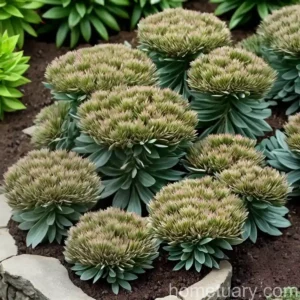
The Stunning Echeveria Agavoides ‘Ebony’: A Comprehensive Care Guide
Echeveria agavoides ‘Ebony’ is a remarkable succulent plant that belongs to the Crassulaceae family. This magnificent specimen is cherished by plant enthusiasts for its striking appearance, compact growth habit, and resilience. In this comprehensive care guide, we will explore the various aspects of nurturing and maintaining Echeveria agavoides ‘Ebony’, delving into its cultural requirements, propagation techniques, common pests and diseases, and much more. Whether you are a seasoned succulent aficionado or a novice plant parent, this guide will provide you with the knowledge and insights to ensure the thriving success of your Echeveria agavoides ‘Ebony’.
What is Echeveria Agavoides ‘Ebony’?
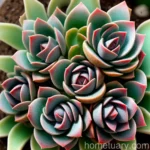
Echeveria agavoides ‘Ebony’ is a mesmerizing succulent that originates from Mexico. Its botanical name, “Echeveria,” pays homage to the renowned Mexican botanical artist Atanasio Echeverría y Godoy. The specific epithet “agavoides” is derived from the plant’s resemblance to the Agave plant, characterized by its triangular leaves and vibrant coloration. The cultivar ‘Ebony’ is particularly distinguished by its dark, almost black, foliage – a feature that sets it apart from other variations of Echeveria agavoides.
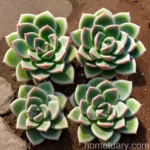
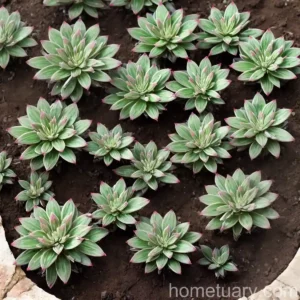
The striking foliage of Echeveria agavoides ‘Ebony’ forms a compact rosette and exhibits a mesmerizing array of colors, ranging from deep green to rich burgundy, often intensifying in response to environmental cues. This cultivar’s exquisite appearance and low maintenance requirements make it a highly sought-after addition to both indoor and outdoor succulent collections.
Key Takeaways
Before delving into the intricacies of Echeveria agavoides ‘Ebony’ care, let’s outline some key takeaways to set the stage for our comprehensive exploration:
- Scientific Name: Echeveria agavoides ‘Ebony’
- Family: Crassulaceae
- Common Names: Ebony Echeveria, Black Echeveria
- Native to: Mexico
- Characteristics: Compact rosette with triangular, dark foliage
- Adaptability: Suited for both indoor and outdoor cultivation
- Distinct Feature: Dark, almost black, foliage sets it apart from other Echeveria agavoides variations
Now that we have acquainted ourselves with the fundamental attributes of Echeveria agavoides ‘Ebony’, let us delve into the specific cultural requirements that are essential for ensuring its vitality and vibrancy.
Culture
Cultivating Echeveria agavoides ‘Ebony’ involves providing optimal conditions that mimic its natural habitat, ensuring a flourishing and resilient specimen. Understanding its water, sunlight, fertilizer, soil, and pruning needs is crucial for fostering a healthy and visually captivating plant.
Water
The watering regimen for Echeveria agavoides ‘Ebony’ is a critical factor in its care, as succulents are highly sensitive to overwatering. These plants have evolved to endure extended periods of drought, storing water in their fleshy leaves and stems. Overly moist soil can lead to root rot and other detrimental conditions, making it essential to adopt a cautious approach to watering.
Key Points for Watering:
- Frequency: Water Echeveria agavoides ‘Ebony’ thoroughly but infrequently. Aim to allow the soil to dry out completely between watering sessions.
- Soil Moisture: Prior to each watering, assess the moisture level of the soil by inserting your finger into the substrate. Only water when the top inch of the soil feels dry.
- Watering Method: Utilize the “soak and dry” method, where you water the plant thoroughly until the excess water drains from the pot’s drainage holes. Discard any accumulated water from the saucer.
- Seasonal Variation: Adjust the watering frequency based on the plant’s dormancy and growth periods. Echeveria agavoides ‘Ebony’ may require less frequent watering during the winter months or when kept in cooler environments.
Sunlight
Echeveria agavoides ‘Ebony’ thrives in bright, indirect light, making it an ideal candidate for sunny windowsills, outdoor patios, or well-lit indoor spaces. Adequate exposure to sunlight is essential for promoting the plant’s vibrant coloration and compact growth habit.
Key Points for Sunlight:
- Indoor Placement: Position Echeveria agavoides ‘Ebony’ in a location that receives at least six hours of indirect sunlight per day, such as a south-facing window.
- Outdoor Placement: If cultivating the plant outdoors, ensure it is shielded from intense midday sun, particularly in regions with scorching summers.
- Shade Protection: During periods of extreme heat, provide partial shade or shelter the plant from direct sun to prevent leaf burn or desiccation.
- Winter Considerations: In colder climates, safeguard Echeveria agavoides ‘Ebony’ from frost and chilly drafts, as prolonged exposure to low temperatures can cause damage to the foliage.
Fertilizer
Applying a balanced fertilizer can bolster the growth and resilience of Echeveria agavoides ‘Ebony’, providing essential nutrients to fortify its overall health. However, it is crucial to exercise restraint when fertilizing succulents, as excessive feeding can lead to adverse effects.
Key Points for Fertilization:
- Timing: Administer a diluted, all-purpose succulent fertilizer once a month during the growing season, typically from early spring to late summer.
- Strength: Dilute the fertilizer to half or quarter strength to mitigate the risk of over-fertilization, which can manifest as burnt leaf tips or root damage.
- Winter Rest: Refrain from fertilizing Echeveria agavoides ‘Ebony’ during the winter months, as the plant enters a period of dormancy.
Soil
Well-draining soil is paramount for the well-being of Echeveria agavoides ‘Ebony’, as it helps prevent waterlogged conditions that can compromise the plant’s root system. A specialized succulent or cactus mix offers the ideal medium for fostering healthy growth and mitigating the risk of excess moisture.
Key Points for Soil Requirements:
- Composition: Utilize a well-aerated succulent or cactus potting mix, or create a blend by combining perlite, coarse sand, and regular potting soil in equal proportions.
- Drainage: Ensure that the planting container possesses adequate drainage holes to facilitate the expulsion of surplus water and prevent soil saturation.
- Moisture Retention: Balance the substrate’s drainage capacity with its ability to retain a degree of moisture, ensuring that the soil does not desiccate too rapidly between watering sessions.
Pruning
Pruning Echeveria agavoides ‘Ebony’ is primarily focused on the removal of withered or desiccated leaves, as well as the propagation of offsets to regulate the plant’s size and promote a tidy, compact appearance.
Key Points for Pruning:
- Sanitization: Sterilize pruning tools with rubbing alcohol to mitigate the risk of transmitting diseases or pathogens to the plant.
- Leaf Trimming: Eliminate any yellowed, shriveled, or damaged leaves to uphold the plant’s aesthetics and prevent the onset of fungal or bacterial issues.
- Propagation: Harvest offsets or “chicks” that emerge from the base of the mother plant to propagate new Echeveria agavoides ‘Ebony’ specimens.
Now that we have established the fundamental cultural prerequisites for Echeveria agavoides ‘Ebony’, let’s delve into the propagation techniques, container considerations, common pests and diseases, and botanist’s tips for nurturing this magnificent succulent.
Propagation
Echeveria agavoides ‘Ebony’ can be easily propagated through leaf and stem cuttings, as well as offsets that develop from the parent plant. Implementing appropriate propagation methods enables you to expand your succulent collection and share the beauty of Echeveria agavoides ‘Ebony’ with fellow enthusiasts.
Key Points for Propagation:
- Leaf Propagation: Gently detach healthy leaves from the base of the plant and allow the cut ends to callus before placing them on a bed of well-draining soil to initiate root development.
- Stem Propagation: Trim a healthy stem segment from the mother plant and permit the cut end to form calluses before planting it in a suitable succulent propagation medium.
- Offset Propagation: Remove offsets or “chicks” that sprout from the base of the main rosette and plant them in individual containers to facilitate independent growth.
By leveraging these straightforward propagation techniques, you can continually replenish your succulent collection and share the allure of Echeveria agavoides ‘Ebony’ with other plant enthusiasts.
Container Considerations
Selecting an appropriate container for Echeveria agavoides ‘Ebony’ is pivotal for ensuring optimal growth and mitigating the risk of waterlogging. Considerations such as size, material, and drainage capacity play a pivotal role in creating a conducive environment for the plant.
Key Points for Container Selection:
- Size: Opt for a container with a diameter that accommodates the plant’s root system, allowing for ample room for growth without an excessive surplus of soil.
- Material: Choose a container crafted from porous materials such as terracotta, ceramic, or unglazed pottery to facilitate aeration and moisture evaporation.
- Drainage: Verify that the container possesses multiple drainage holes to prevent the accumulation of excess water, thus safeguarding the plant against root rot and related maladies.
Maintaining these considerations will contribute to the establishment of an environment that supports the flourishing development of Echeveria agavoides ‘Ebony’, complementing its natural resilience and visual allure.
Common Diseases
While Echeveria agavoides ‘Ebony’ is generally resilient, it is susceptible to certain diseases and physiological disorders that can compromise its well-being. Understanding the symptoms and potential remedies for these afflictions is crucial for promptly addressing issues that may arise.
Disease Diagnosis
When tending to Echeveria agavoides ‘Ebony,’ vigilance and timely detection of diseases are pivotal for instituting effective remedies and preventing the spread of afflictions. Common diseases that may affect this succulent include:
- Root Rot: Manifests as soft, discolored roots and wilting foliage. It is often caused by excessive soil moisture and inadequate drainage.
- Leaf Spot: Identified by the appearance of dark, water-soaked lesions on the leaves, potentially leading to tissue decay and defoliation.
- Powdery Mildew: Characterized by the development of powdery white or gray patches on the foliage, stemming from fungal infestations in humid conditions.
Upon observing any signs of disease, promptly isolate the affected plant to prevent the spread of pathogens and implement appropriate treatment measures, such as adjusting the watering regimen or employing fungicidal treatments.
Common Pests
Echeveria agavoides ‘Ebony’ is occasionally targeted by a variety of pests that can compromise its vigor and aesthetic appeal. Recognizing the signs of pest infestation and adopting preemptive measures are imperative for safeguarding the plant’s well-being.
Key Pests:
- Spider Mites: These minuscule pests congregate on the underside of leaves, extracting sap and inducing stippling, discoloration, and webbing.
- Mealybugs: Identified by their cottony, waxy excretions on the plant’s foliage and stems, they feed on the succulent’s sap, leading to wilting and disfigurement.
- Scale Insects: These pests affix themselves to the plant’s surface, draining its vital fluids and producing a sticky honeydew that promotes the growth of sooty mold.
Employing natural remedies such as neem oil, insecticidal soaps, or horticultural oils can help mitigate pest infestations while minimizing the impact on beneficial organisms in the ecosystem.
Botanist’s Tips
Drawing upon the insights and observations of botanists and succulent specialists can enrich your approach to caring for Echeveria agavoides ‘Ebony.’ Here are some key tips based on their expertise:
- Seasonal Variation: Adjust your care practices in accordance with the plant’s seasonal growth patterns and dormancy periods, tailoring your approach to its evolving requirements.
- Adequate Air Circulation: Provide consistent air circulation around the plant to deter the onset of fungal diseases and mitigate the risk of stagnant moisture.
- Observation: Regularly inspect your Echeveria agavoides ‘Ebony’ for any signs of stress, pest infestations, or physiological irregularities, addressing any issues promptly.
Incorporating these botanist-endorsed tips into your care routine will contribute to the vitality and longevity of your Echeveria agavoides ‘Ebony,’ fostering a resilient and visually captivating specimen.
Fun Facts
Beyond its remarkable visual appeal and resilience, Echeveria agavoides ‘Ebony’ harbors a host of intriguing attributes and historical significance that enrich its allure. Consider the following fun facts about this captivating succulent:
- Historical Significance: The genus Echeveria is named after Atanasio Echeverría y Godoy, a prominent Mexican botanical artist renowned for his representations of native flora.
- Drought Tolerance: Echeveria agavoides ‘Ebony’ is specially adapted to endure prolonged periods of drought, utilizing its succulent leaves and stems to store water reserves.
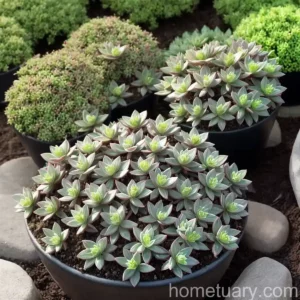
- Aesthetic Versatility: This cultivar’s distinctive coloration and compact growth habit render it a versatile addition to succulent arrangements, desert gardens, and indoor ornamental displays.
Unraveling the history and unique attributes of Echeveria agavoides ‘Ebony’ adds an enriching dimension to your succulent journey, deepening your connection with this remarkable plant.
Links to External Resources
For enthusiasts seeking further guidance and in-depth insights into the care and cultivation of Echeveria agavoides ‘Ebony,’ exploring reputable external resources can provide invaluable knowledge and expert perspectives. The following links offer comprehensive information and guidance on cultivating Echeveria agavoides ‘Ebony’:
- **Resource 1: Succulent Plant Care Guide
- **Resource 2: The Spruce: Echeveria Plant Care
- **Resource 3: University of Florida Extension: Cautionary Condition of Echeveria agavoides
- **Resource 4: Royal Horticultural Society: Echeveria agavoides Cultivation
Exploring these resources will empower you with a comprehensive understanding of Echeveria agavoides ‘Ebony’ care and cultivation, supported by insights from esteemed horticultural institutions and plant care specialists.
In conclusion, Echeveria agavoides ‘Ebony’ stands as a captivating testament to the beauty and resilience of succulent plants, showcasing a remarkable equilibrium of visual allure and adaptability. By adhering to the fundamental principles of succulent care and leveraging the insights provided in this comprehensive guide, you can cultivate and nurture Echeveria agavoides ‘Ebony’ with confidence, fostering a resilient and visually captivating specimen that enriches your botanical repertoire and inspires fellow plant enthusiasts.
Remember, the journey of caring for Echeveria agavoides ‘Ebony’ is a rewarding venture, underpinned by the enduring charm and resilience of this exceptional succulent.
Keywords: Echeveria agavoides ‘Ebony’ care, Growing Echeveria agavoides ‘Ebony’, Tips for caring for Echeveria agavoides ‘Ebony’, Echeveria agavoides ‘Ebony’ care guide, How to propagate Echeveria agavoides ‘Ebony’, Echeveria agavoides ‘Ebony’ watering needs, Echeveria agavoides ‘Ebony’ soil requirements, Sunlight requirements for Echeveria agavoides ‘Ebony’, Pests and diseases of Echeveria agavoides ‘Ebony’, Pruning Echeveria agavoides ‘Ebony’, Echeveria agavoides ‘Ebony’ color variations, Indoor care for Echeveria agavoides ‘Ebony’, Best containers for Echeveria agavoides ‘Ebony’, Echeveria agavoides ‘Ebony’ temperature tolerance, Echeveria agavoides ‘Ebony’ growth habits, Echeveria agavoides ‘Ebony’ as a houseplant, Common problems with Echeveria agavoides ‘Ebony’, Companion plants for Echeveria agavoides ‘Ebony’, Echeveria agavoides ‘Ebony’ in rock gardens, Echeveria agavoides ‘Ebony’ in succulent arrangements, Echeveria agavoides ‘Ebony’ as a border plant, Echeveria agavoides ‘Ebony’ in xeriscaping, Echeveria agavoides ‘Ebony’ for beginners, Winter care for Echeveria agavoides ‘Ebony’, Echeveria agavoides ‘Ebony’ and drought tolerance, Echeveria agavoides ‘Ebony’ and frost tolerance, Best fertilizer for Echeveria agavoides ‘Ebony’, Echeveria agavoides ‘Ebony’ growth rate, Echeveria agavoides ‘Ebony’ flowering season, Echeveria agavoides ‘Ebony’ and low light conditions, Echeveria agavoides ‘Ebony’ and high humidity, Echeveria agavoides ‘Ebony’ and companion succulents, Echeveria agavoides ‘Ebony’ and spider mites, Echeveria agavoides ‘Ebony’ and mealybugs, Echeveria agavoides ‘Ebony’ and scale insects, Echeveria agavoides ‘Ebony’ and aphids, Echeveria agavoides ‘Ebony’ and root rot, Echeveria agavoides ‘Ebony’ and overwatering, Echeveria agavoides ‘Ebony’ and underwatering, Echeveria agavoides ‘Ebony’ and leaf propagation, Echeveria agavoides ‘Ebony’ and stem propagation, Echeveria agavoides ‘Ebony’ and leaf rot, Echeveria agavoides ‘Ebony’ and leaf dropping, Echeveria agavoides ‘Ebony’ and leggy growth, Echeveria agavoides ‘Ebony’ and sunburn, Echeveria agavoides ‘Ebony’ and dehydrated leaves, Echeveria agavoides ‘Ebony’ and repotting, Echeveria agavoides ‘Ebony’ and overcrowding, Echeveria agavoides ‘Ebony’ and proper drainage, Echeveria agavoides ‘Ebony’ and leaf shape variations