Echeveria Prolifica: A Comprehensive Guide to Care, Cultivation, and Maintenance
Echeveria prolifica, commonly known as Prolific Echeveria, is a stunning succulent plant loved by enthusiasts and professionals alike for its resilience and beauty. As a plant scientist, I have explored the intricate details of this exceptional plant, covering its culture, uses, care requirements, and much more. In this comprehensive guide, we will delve into the world of Echeveria prolifica, touching on its soil needs, watering requirements, propagation methods, common pests and diseases, and everything in between. Let’s embark on this journey to unravel the secrets of the Prolific Echeveria.
What is Echeveria Prolifica?
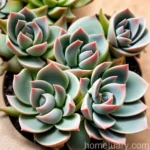
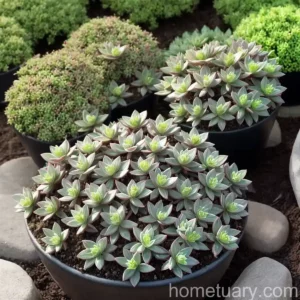
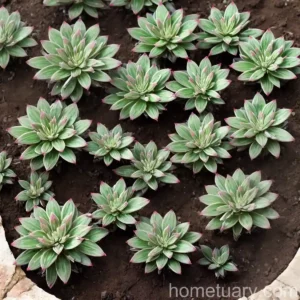
Echeveria prolifica is a species of succulent plant belonging to the Crassulaceae family, native to the arid regions of Mexico. This evergreen perennial forms striking rosettes of fleshy, spoon-shaped leaves that range in color from blue-green to pinkish-lavender. The charm of Echeveria prolifica is elevated by its attractive clusters of bright, bell-shaped flowers that emerge on tall, slender stems, creating a dazzling display.
This resilient succulent is cherished for its low maintenance and its ability to thrive both indoors and outdoors under the right conditions. Its compact, elegant form and vibrant hues add a touch of natural elegance to any living space or garden, making it a popular choice among succulent enthusiasts and landscapers.
Key Takeaways – Echeveria Prolifica
Let’s start by encapsulating some of the vital points about Echeveria prolifica to set the stage for our detailed exploration.
- Botanical Name: Echeveria prolifica
- Common Name: Prolific Echeveria
- Family: Crassulaceae
- Native Habitat: Mexico
- Foliage: Rosettes of fleshy, spoon-shaped leaves
- Flowers: Clusters of bright, bell-shaped flowers on tall stems
- Growth Habit: Evergreen perennial
- Highlight Feature: Low maintenance and vibrant coloration
Now that we have an overview of Echeveria prolifica, let’s dive deeper into its culture, uses, and specific care requirements.
Culture
Understanding the cultural requirements of Echeveria prolifica is fundamental to ensuring its health and vitality. Let’s explore its preferred conditions and how to cater to its specific needs.
Uses
Indoor Ornamental Plant
Echeveria prolifica serves as a captivating addition to indoor spaces, such as living rooms, offices, and conservatories. Its compact size and striking appearance make it an excellent choice for tabletop displays, windowsills, and terrariums.
Outdoor Landscape Accent
In garden landscapes, Echeveria prolifica adds visual interest and texture as it can be planted in rock gardens, succulent beds, and border edges. Its drought tolerance and low maintenance nature make it a prized selection for xeriscaping projects.
Water
The water needs of Prolific Echeveria are important to understand in order to prevent overwatering or underwatering, both of which can be detrimental to its health.
- Watering Frequency: Echeveria prolifica has low to moderate water needs. It thrives in well-draining soil and should be watered when the top inch of the soil feels dry to the touch.
- Avoid Overwatering: Excessive moisture can lead to root rot and other complications, so it’s crucial to allow the soil to dry out between waterings.
- Seasonal Adjustments: During the growing season, typically spring and summer, slightly more frequent watering may be necessary. However, during the dormant phase in winter, watering should be significantly reduced.
Sunlight
Echeveria prolifica exhibits a preference for ample sunlight, which significantly influences its growth and vitality.
- Light Needs: It thrives in bright, indirect light or partial to full sun. When grown indoors, placing it near a south- or west-facing window can provide the necessary light exposure.
- Sun Protection: While Echeveria prolifica loves sunlight, especially morning sunlight, it’s important to acclimate the plant gradually to prevent sunburn. During the intense summer months, providing some afternoon shade can prevent scorching of the foliage.
Fertilizer
Proper fertilization is essential to support the growth and resilience of Echeveria prolifica.
- Fertilizer Type: A balanced, water-soluble fertilizer formulated for succulents is ideal for providing essential nutrients.
- Application Frequency: During the active growing season (spring and summer), fertilize Echeveria prolifica every 2-4 weeks. However, it’s crucial to withhold fertilization during the dormant winter period to accommodate the plant’s reduced metabolic activity.
Soil
The choice of soil is critical in ensuring the health and longevity of Echeveria prolifica.
- Well-Draining Mix: A well-draining potting mix formulated for succulents and cacti is optimal for Echeveria prolifica. This type of soil prevents water-logging and helps to avoid root rot.
- Mix Components: A typical succulent soil blend includes components such as sand, perlite, and peat moss to provide an aerated, fast-draining medium.
Pruning
Pruning is occasionally necessary for Echeveria prolifica to maintain its shape and remove any dead or withered foliage.
- Pruning Frequency: As needed, remove any damaged or desiccated leaves or spent flower stalks to promote the overall health and appearance of the plant.
- Sterilization: Always utilize clean, sterilized tools when pruning to prevent the potential spread of diseases or pests.
Propagation
Reproducing Echeveria prolifica can be an exciting process, offering the opportunity to expand your succulent collection or share its beauty with others.
Leaf Propagation
- Leaf Selection: Choose a healthy, mature leaf from the outer rosette of the plant. Gently twist the leaf from the stem, ensuring that it comes away cleanly.
- Callus Formation: Place the detached leaf in a warm, dry location for a few days to allow the cut end to form a callus. This helps to prevent infection and promote successful rooting.
- Planting: Once calloused, lay the leaf on a bed of succulent soil or a propagation medium, ensuring that the end of the leaf is placed just below the surface. Mist the soil lightly and maintain a slightly moist environment.
Offsets (Pups) Propagation
- Identification: Echeveria prolifica produces offsets around the base of the plant. These offsets, or pups, can be gently removed once they have developed their own roots and rosettes.
- Separation: Using a clean, sharp blade, carefully sever the offset from the parent plant, ensuring that it has sufficient roots to support itself.
- Planting: Transplant the offset into a small pot filled with succulent soil and water lightly. Provide appropriate light and care to encourage its establishment.
Seed Propagation
While less common, Echeveria prolifica can be propagated from seeds, offering the potential to cultivate unique genetic variations.
- Seed Collection: Harvest mature seeds from the plant’s spent flowers and allow them to dry thoroughly.
- Sowing: Sow the seeds in a well-draining cactus or succulent mix, lightly pressing them into the soil surface. Mist the soil and ensure that it remains consistently moist until germination occurs.
- Germination Care: Maintain a warm, bright location for the seedlings, ensuring that they receive adequate moisture and light for healthy development.
Container Popularity
In contemporary gardening and interior décor, Echeveria prolifica has soared in popularity due to its versatility and aesthetic appeal.
Common Uses
- Indoor Containers: Echeveria prolifica is a favored choice for indoor containers such as pottery, terracotta, or decorative planters. Its compact size and striking coloration make it an excellent addition to shelves, desks, and windowsills.
- Outdoor Pots and Planters: When displayed in outdoor containers, such as hypertufa troughs, ceramic pots, or hanging baskets, Echeveria prolifica brings a touch of natural elegance to patios, balconies, and garden spaces.
Companion Plants
Pairing Echeveria prolifica with complementary plants can create visually appealing and harmonious displays.
- Succulent Companions: Sedum, Aloe, and Sempervivum are ideal companions for Echeveria prolifica, offering diverse textures and colors to enhance the overall arrangement.
- Cacti Pairings: Echinocereus, Mammillaria, and Ferocactus can be paired with Echeveria prolifica in succulent gardens, offering a dynamic blend of forms and growth habits.
Display and Arrangement
The versatility of Echeveria prolifica allows for creative display options that complement interior décor and landscape design.
- Terrariums: Integrate Echeveria prolifica into open or closed terrariums, establishing captivating miniature landscapes that thrive in a controlled environment.
- Mixed Containers: Create mixed containers featuring Echeveria prolifica with compatible foliage and flowering plants, fostering dynamic and eye-catching arrangements suitable for both indoor and outdoor settings.
Common Diseases
Echeveria prolifica, despite its resilience, is susceptible to certain diseases and environmental stressors that can impact its health and appearance.
Disease Diagnosis
- Fungal Infections: Common fungal issues, such as powdery mildew and root rot, can arise from excessive moisture, poor air circulation, or improper watering practices. Early symptoms include white powdery patches on the foliage or sudden wilting and browning of the leaves.
- Bacterial Lesions: Bacterial infections can manifest as dark, necrotic patches on the leaves or stems. The affected areas may exhibit soft, water-soaked spots and may emit a foul odor.
Preventive Measures
- Proper Air Circulation: Ensuring adequate airflow around Echeveria prolifica, particularly in humid conditions, helps minimize the risk of fungal diseases and promotes overall vigor.
- Sterile Conditions: Utilize clean tools and containers, and maintain a tidy growing environment to reduce the likelihood of bacterial contamination.
Common Pests
Pests can pose a threat to the well-being of Echeveria prolifica, necessitating vigilance and appropriate control measures.
Pest Identification
- Mealybugs: These small, white, cottony insects often gather in concealed areas of the plant, such as the leaf axils or beneath the foliage, where they feed on sap.
- Aphids: Aphids are tiny, pear-shaped insects that can infest Echeveria prolifica, clustering on tender shoot tips and young leaves, sucking plant juices and excreting sticky honeydew.
Integrated Pest Management
- Organic Control: The application of insecticidal soap or horticultural oil can effectively manage mealybugs and aphids while minimizing the impact on beneficial insects.
- Biological Control: Introducing natural predators, such as ladybugs or lacewings, can help control pest populations and establish a more balanced ecosystem.
Botanist’s Tips
As a plant scientist deeply engaged in the study and cultivation of Echeveria prolifica, I present the following expert insights and recommendations to enhance your success with this remarkable succulent.
Fun Facts
- Resilience: Echeveria prolifica possesses an inherent ability to withstand periods of drought and neglect, making it an ideal plant for busy individuals or those new to gardening.
- Natural Habitat: In its native habitat of Mexico, Echeveria prolifica thrives in rocky, mountainous terrain, demonstrating its adaptability to harsh conditions.
Links to External Resources
For additional information, inspiration, and guidance on Echeveria prolifica, consider exploring the following reputable resources:
- The Succulent Eclectic: Echeveria prolifica Care and Propagation Guide
- World of Succulents: Echeveria prolifica
- Gardening Know How: Echeveria prolifica – Tips On Growing Prolific Echeveria Plants
- The Spruce: How to Grow and Care for Echeveria
In conclusion, Echeveria prolifica, the Prolific Echeveria, stands as a symbol of natural elegance and resilience, captivating enthusiasts and gardeners with its enchanting rosettes and vibrant blooms. By understanding its specific requirements and characteristics, individuals can foster the thriving growth of this exceptional succulent, whether adorning indoor spaces or embellishing outdoor landscapes. Embrace the beauty and vitality of Echeveria prolifica, and let its endearing charm elevate your plant collection and living environments.