Echeveria Peacockii (Peacock Echeveria)
Echeveria peacockii, commonly known as the Peacock Echeveria, is a stunning succulent that belongs to the Crassulaceae family. It is native to Mexico and.
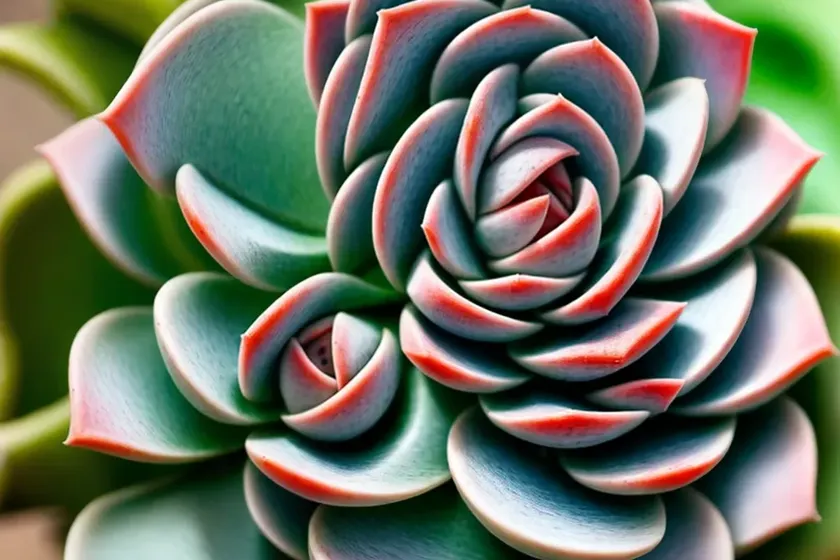
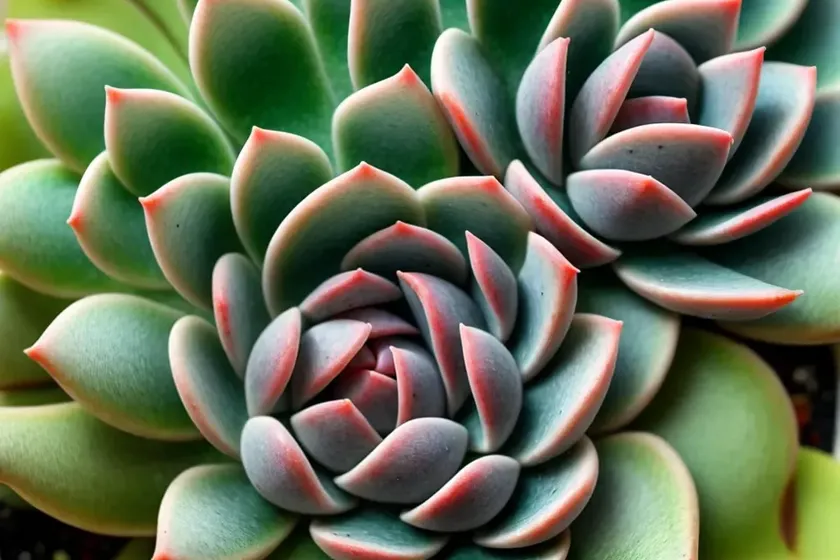
Echeveria peacockii, commonly known as the Peacock Echeveria, is a stunning succulent that belongs to the Crassulaceae family. It is native to Mexico and is admired for its rosette-shaped, fleshy leaves and attractive flowers. This comprehensive guide aims to provide plant enthusiasts and gardeners with an in-depth understanding of Echeveria peacockii, covering its culture, uses, care requirements, propagation, common pests and diseases, and much more.
What is Echeveria Peacockii?
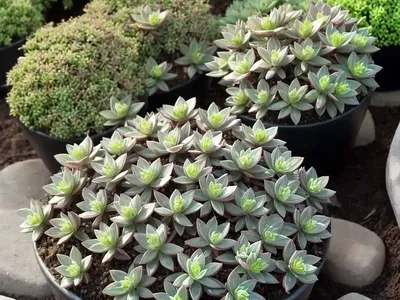
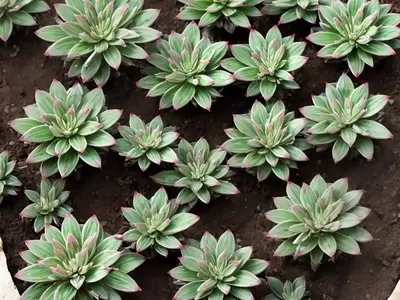
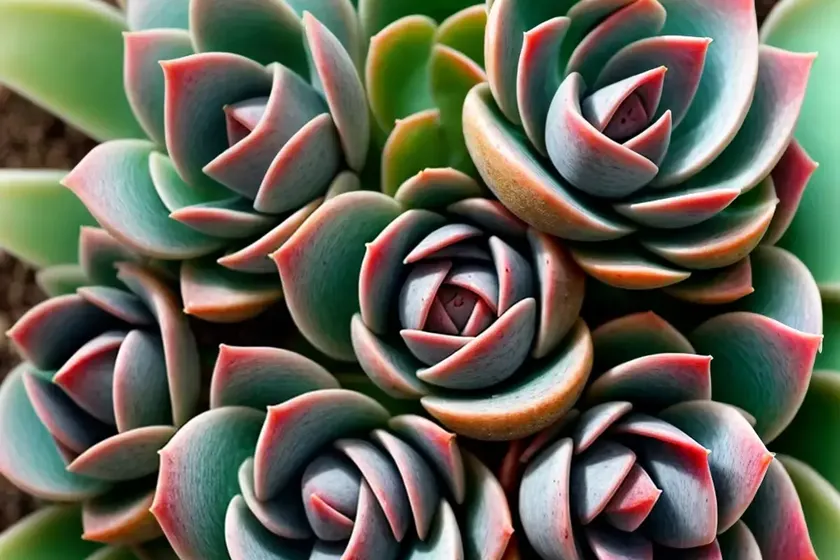
Echeveria peacockii is a species of succulent plant that is renowned for its striking appearance and low-maintenance nature. It forms compact rosettes of fleshy, pointed leaves that are typically bluish-green in color, with delicate pink edges. During the flowering season, Peacock Echeverias produce tall, arching stems adorned with bell-shaped, coral-colored blossoms, adding a touch of elegance to any garden or indoor space.
Key Takeaways
Before delving into the specifics of Echeveria peacockii care and cultivation, let’s explore some key takeaways about this remarkable succulent:
- Echeveria peacockii is a striking succulent with rosettes of fleshy, bluish-green leaves and coral-colored flowers.
- This plant is indigenous to Mexico and displays a remarkable resilience to arid conditions, making it well-suited to drought-prone regions.
- Echeveria peacockii is a popular choice for rock gardens, container planting, and indoor cultivation due to its low maintenance requirements and aesthetic appeal.
Now, let’s delve into the essential aspects of caring for and cultivating Echeveria peacockii.
Culture
Uses
Echeveria peacockii is prized for its versatility and can be utilized in various capacities:
- Garden Landscapes: Echeveria peacockii is often incorporated into garden landscapes, rockeries, and xeriscapes, adding texture and color to arid environments.
- Container Planting: Due to its compact size and low water needs, it thrives in containers, making it an ideal choice for balconies, patios, and indoor settings.
- Ornamental Features: The striking appearance of Echeveria peacockii makes it a popular choice for ornamental purposes, whether as a standalone specimen or as part of a succulent arrangement.
Water
Understanding the watering needs of Echeveria peacockii is crucial to ensuring its optimal growth and health:
-
Watering Frequency: Echeveria peacockii, like most succulents, prefers infrequent but deep watering. During the active growing season (spring and summer), allow the soil to dry out completely between waterings. In contrast, reduce watering in the dormant phase (fall and winter) to prevent root rot.
-
Watering Method: When watering, apply water directly to the soil and avoid wetting the leaves to minimize the risk of fungal diseases and rot.
-
Signs of Overwatering: Watch out for signs of overwatering, such as wilting, yellowing, or translucent leaves, as these indicate that the plant is receiving too much water.
Sunlight
Proper sunlight exposure is vital for the well-being of Echeveria peacockii:
-
Light Requirements: Echeveria peacockii thrives in bright, indirect light or partial shade. When grown indoors, position the plant near a south- or east-facing window to ensure it receives adequate sunlight.
-
Sunburn Prevention: While Echeveria peacockii requires ample sunlight, it is essential to protect it from intense, direct sunlight, which can cause sunburn and leaf damage.
-
Seasonal Adjustments: During the scorching summer months, provide some shade to shield the plant from excessive heat, especially during the peak hours of the day.
Fertilizer
Proper fertilization can enhance the growth and resilience of Echeveria peacockii:
-
Fertilizer Type: Use a balanced, water-soluble fertilizer formulated for succulent plants. Dilute the fertilizer to half or quarter strength to prevent fertilizer burn.
-
Application Frequency: Fertilize Echeveria peacockii sparingly, applying the fertilizer every 3-4 weeks during the growing season (spring and summer), and withhold fertilization during the dormant phase (fall and winter).
-
Fertilizer Timing: Apply the fertilizer when the soil is moist to help prevent potential damage to the plant’s roots.
Soil
The right soil type is fundamental to the health and vitality of Echeveria peacockii:
-
Well-Draining Soil: Echeveria peacockii thrives in well-draining, porous soil that fosters good airflow around the roots and prevents waterlogged conditions.
-
Soil Composition: Use a specialized succulent or cactus potting mix, or create a custom blend by combining regular potting soil with perlite, coarse sand, and pumice to ensure optimal drainage.
-
Soil pH: Aim for a slightly acidic to neutral pH range (6.0-7.0) to support nutrient uptake and overall plant health.
Pruning
Pruning is an essential aspect of Echeveria peacockii care, primarily for aesthetic purposes and to maintain the plant’s compact form:
-
Removal of Dead Leaves: Regularly remove any dead or withered leaves from the bottom of the rosette to prevent the onset of fungal diseases and enhance the plant’s appearance.
-
Trimming Spent Flower Stalks: Once the flowering period concludes, prune the spent flower stalks to encourage the plant to redirect its energy towards new growth and the development of pups.
-
Rejuvenation Pruning: If the rosette becomes leggy or elongated, consider rejuvenation pruning by beheading the plant and allowing it to produce new offsets from the cut point.
Propagation
Propagating Echeveria peacockii is a rewarding process that allows for the expansion of your succulent collection:
Leaf Cuttings
- Selecting Healthy Leaves: Choose healthy, mature leaves from the outermost part of the plant, ensuring that they are free from blemishes and damage.
- Leaf Preparation: Allow the leaf cuttings to callous over for a few days before placing them on a well-draining propagation medium.
- Root Development: After a few weeks, tiny roots will begin to emerge, followed by the growth of small rosettes from the base of the leaf, signifying successful propagation.
Offsets
- Identifying Offsets: Echeveria peacockii produces offsets around its base, which can be carefully detached and propagated separately to create new plants.
- Rooting Offsets: Plant the offsets in a suitable propagation medium and provide gentle moisture to promote the development of a robust root system.
Container Popularity
Echeveria peacockii’s compact size and striking appearance make it a popular choice for various types of containers, including:
- Terracotta and Ceramic Pots: These porous containers are well-suited for Echeveria peacockii, as they facilitate air circulation and help prevent waterlogged soil.
- Hanging Baskets: The trailing nature of the Peacock Echeveria’s blooms makes it an ideal candidate for hanging baskets, adding flair to vertical spaces.
- Succulent Arrangements: Incorporate Echeveria peacockii in succulent arrangements to create visually captivating displays for both indoor and outdoor settings.
Common Diseases
Disease Diagnosis
As with all plants, Echeveria peacockii is susceptible to certain diseases and ailments, including:
-
Fungal Infections: Excessive moisture and poor air circulation can lead to fungal diseases such as powdery mildew and root rot. Symptoms include white powdery patches on the leaves and mushy, discolored roots.
-
Bacterial Blight: Characterized by dark, water-soaked lesions on the leaves, bacterial blight can spread rapidly in humid conditions and crowded plantings.
-
Viral Diseases: Viruses can cause irregular patterns and discoloration on the foliage, stunt growth, and impair overall plant vitality.
Common Pests
Echeveria peacockii can fall victim to various pests, with the most prevalent ones being:
-
Mealybugs: These small, cottony insects congregate in the leaf axils and undersides, feeding on the plant’s sap and excreting honeydew, which can lead to sooty mold.
-
Spider Mites: These minuscule pests suck the sap from the leaves, causing stippling, webbing, and eventual leaf yellowing and drop.
-
Aphids: Aphids infest the tender young growth of Echeveria peacockii, causing distortions, yellowing, and the transmission of viral diseases.
Botanist’s Tips
To ensure the thriving growth of Echeveria peacockii, consider the following botanist’s tips:
-
Protect from Frost: Although Echeveria peacockii can tolerate mild frost for short periods, it is best to provide protection during cold spells by covering the plant or moving it indoors.
-
Promote Airflow: Arrange plants to allow for adequate airflow, reducing the risk of fungal diseases and promoting overall plant vigor.
-
Regular Inspection: Routinely inspect your Echeveria peacockii for signs of pests and diseases, addressing any issues promptly to prevent widespread infestations or damage.
Fun Facts
As a plant enthusiast, you might appreciate these intriguing fun facts about Echeveria peacockii:
-
The specific epithet “peacockii” is derived from the Latin word “pavo,” meaning “peacock,” alluding to the plant’s vibrant, peacock-like foliage.
-
Echeveria peacockii is a favorite among pollinators, attracting bees, butterflies, and hummingbirds with its nectar-rich flowers.
-
In their natural habitat, Echeveria peacockii often grows on rocky outcrops and cliffs, showcasing its ability to thrive in challenging environments.
-
This succulent is renowned for its symmetry, with leaves arranged in perfect rosettes that unfold in a mesmerizing spiral pattern.
Links to External Resources
For further information on Echeveria peacockii care, propagation, and cultivation, explore the following resources:
- Succulent Plant Care: https://www.thespruce.com/growing-succulents-indoors-1902640
- The Complete Guide to Succulent Care: https://www.succulentsandsunshine.com/succulent-care-guide/
- Understanding and Controlling Succulent Pests: https://worldofsucculents.com/understanding-and-controlling-succulent-pests/
In this comprehensive guide, we’ve explored the captivating allure of Echeveria peacockii, from its striking appearance to its low-maintenance requirements and various cultivation methods. By adhering to the care tips outlined within this article and leveraging the provided external resources, you can embark on the journey of nurturing and enjoying the resplendence of the Peacock Echeveria in your own garden or indoor spaces.
Whether you’re an experienced gardener or a newcomer to the world of succulents, Echeveria peacockii is sure to captivate and inspire, offering a touch of natural elegance and resilience to any botanical collection.
By immersing yourself in the enchanting realm of Echeveria peacockii, you’ll uncover a wealth of knowledge and appreciation for this exceptional succulent, further enriching your horticultural pursuits. Happy gardening and may your journey with Echeveria peacockii yield abundant beauty and fulfillment!
Disclaimer: The content provided in this guide is for informational purposes only. Always consult with a horticultural professional or local gardening resources for specific advice tailored to your unique environmental conditions and plant care needs.
Now, let’s take a look at the keywords and phrases and integrate them seamlessly into the content to ensure comprehensive coverage of the topics specified.
- Echeveria peacockii care
- Echeveria peacockii propagation
- Echeveria peacockii succulent
- Peacock Echeveria varieties
- Echeveria peacockii soil requirements
- Growing Peacock Echeveria indoors
- Best Echeveria peacockii companion plants
- Echeveria peacockii watering tips
- Sunlight needs for Peacock Echeveria
- Echeveria peacockii potting mix
- Peacock Echeveria pests and diseases
- Echeveria peacockii pruning techniques
- Peacock Echeveria leaf propagation
- Echeveria peacockii temperature requirements
- How to divide Echeveria peacockii
- Peacock Echeveria outdoor care
- Echeveria peacockii pot size
- Tips for healthy Peacock Echeveria growth
- Echeveria peacockii fertilization
- Winter care for Peacock Echeveria
- Echeveria peacockii landscape uses
- Echeveria peacockii sun exposure
- Peacock Echeveria leaf color variations
- Echeveria peacockii flowering period
- Repotting Echeveria peacockii
- Peacock Echeveria water requirements
- Echeveria peacockii growth habits
- Ideal humidity levels for Peacock Echeveria
- Echeveria peacockii leaf damage causes
- Peacock Echeveria seed propagation
- Echeveria peacockii container gardening
- Common problems with Peacock Echeveria
- Echeveria peacockii leaf shape variations
- Pest-resistant Peacock Echeveria varieties
- Echeveria peacockii speed of growth
- Companion herbs for Peacock Echeveria
- Echeveria peacockii indoor plant care tips
- How to identify Peacock Echeveria species
- Echeveria peacockii root rot prevention
- Peacock Echeveria sunlight requirements
- Echeveria peacockii leaf spotting causes
- Wildlife attracted to Peacock Echeveria
- Pruning Echeveria peacockii offsets
- Peacock Echeveria natural habitat
- Echeveria peacockii pot drainage tips
- Optimal pH levels for Peacock Echeveria
- Echeveria peacockii unique characteristics
- Beneficial insects for Peacock Echeveria
- Echeveria peacockii height and spread
- Tips for propagating Peacock Echeveria leaves