Eastern Teaberry (Gaultheria Procumbems)
Plants are not just static greenery in our surroundings; they are complex living organisms with an array of features and functions. Each plant species has.
Plants are not just static greenery in our surroundings; they are complex living organisms with an array of features and functions. Each plant species has its own unique characteristics, cultural requirements, and uses. In this comprehensive guide, we will delve into the captivating world of Gaultheria procumbens, commonly known as Eastern Teaberry. We will explore its culture, uses, care requirements, and much more. So, let’s embark on this fascinating journey to uncover the wonders of Eastern Teaberry.
What is Eastern Teaberry (Gaultheria procumbens)?
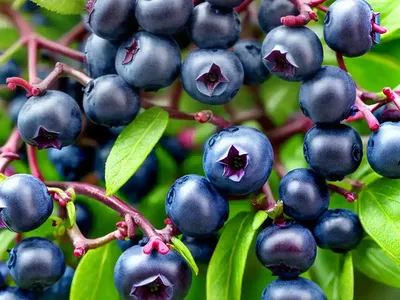
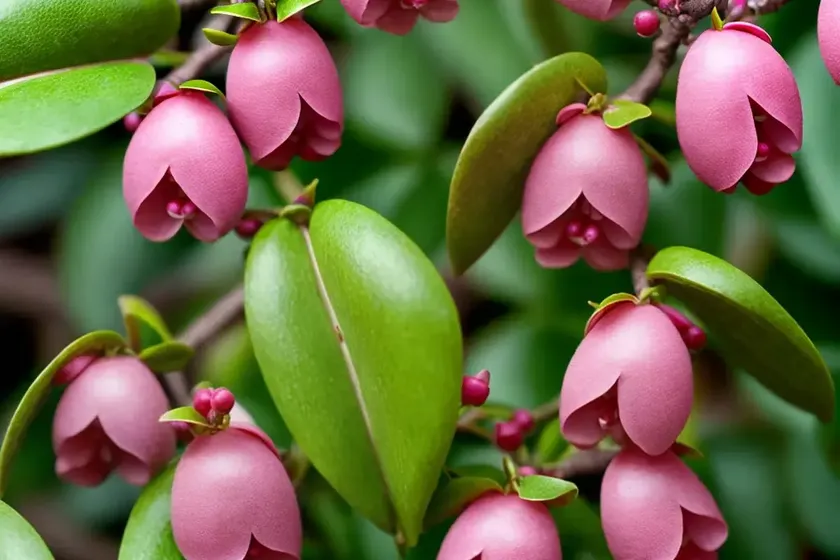
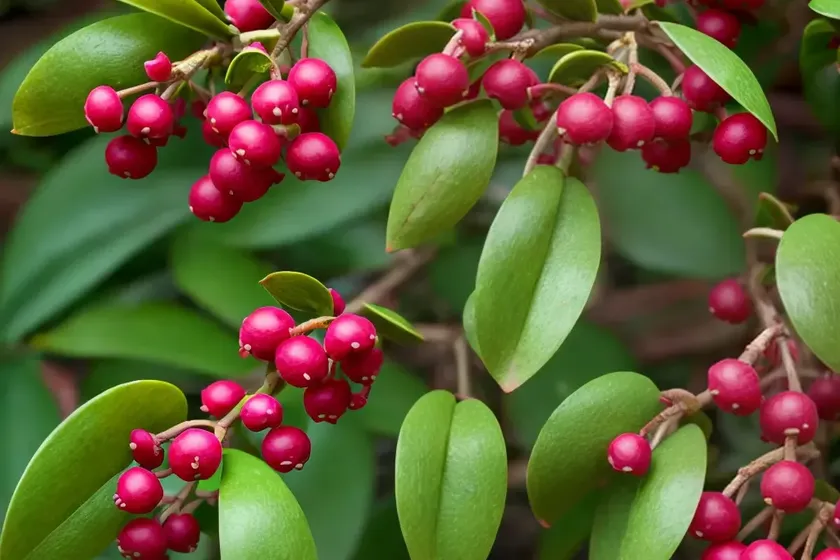
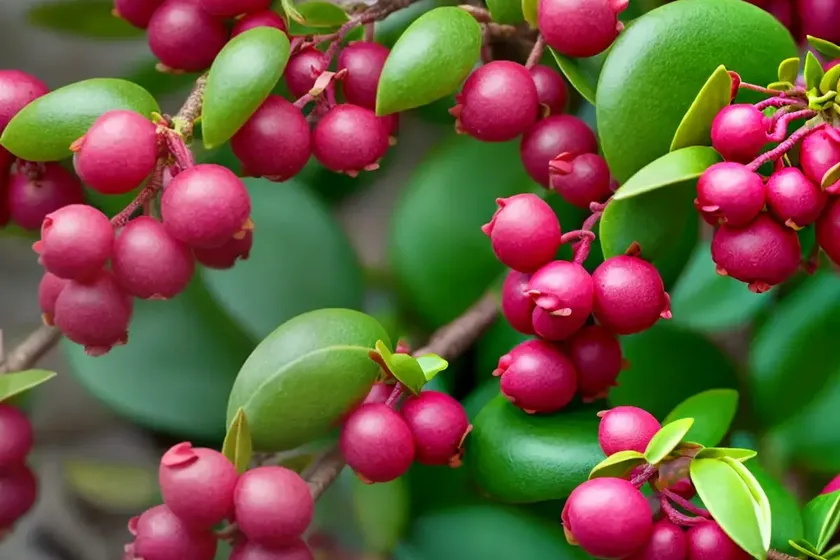
Gaultheria procumbens, also known as Eastern Teaberry, is a fascinating evergreen plant that belongs to the Ericaceae family. This low-growing, woody perennial is native to eastern North America and can be found in various habitats, including coniferous and deciduous forests, bogs, and slopes. The plant is known for its distinctive glossy, dark green leaves, small white or pink bell-shaped flowers, and bright red berries that persist through the winter. Eastern Teaberry is celebrated for its ornamental appeal, medicinal properties, and culinary uses, making it a valuable addition to gardens, landscapes, and natural habitats.
Key Takeaways – Eastern Teaberry (Gaultheria procumbens)
Here are the key takeaways about Eastern Teaberry, providing an overview of its characteristics and uses:
- Botanical Name: Gaultheria procumbens
- Common Names: Eastern Teaberry, Checkerberry, Boxberry, American Wintergreen
- Habitat: Found in eastern North America, typically in coniferous and deciduous forests, bogs, and slopes
- Foliage: Glossy, dark green, aromatic leaves
- Flowers: Small, bell-shaped, white or pink flowers
- Berries: Bright red berries that persist through the winter
- Uses: Ornamental plant, medicinal properties, culinary applications
Now that we have an overview of Eastern Teaberry, let’s dive into the specific aspects of its cultivation and care.
Culture
Cultivating Eastern Teaberry successfully requires an understanding of its cultural requirements, including water, sunlight, soil, and fertilizer needs. Let’s explore each of these aspects in detail.
Water
Eastern Teaberry thrives in evenly moist, well-drained soils and generally prefers consistent moisture. While the plant can tolerate brief periods of drought once established, it generally appreciates regular watering, especially during dry spells. It is essential to avoid overwatering, as excessive moisture can lead to root rot and other issues. When watering, it is advisable to water at the base of the plant to keep the foliage dry and prevent diseases. Additionally, during the winter months, it is crucial to monitor moisture levels to prevent waterlogging, as excessive moisture during cold periods can be detrimental to the plant.
Sunlight
When it comes to sunlight requirements, Eastern Teaberry demonstrates a preference for partially shaded to fully shaded conditions. While it can tolerate some morning sun or dappled sunlight, it generally thrives in shaded areas, particularly in woodland or forest settings. When grown in full sunlight, the plant may show signs of stress, such as leaf scorch or wilting. Therefore, it is recommended to provide protection from intense direct sunlight, especially during the hottest part of the day.
Fertilizer
Eastern Teaberry generally does not have high fertilizer requirements and can thrive in moderately fertile soils. When it comes to fertilization, a balanced, slow-release fertilizer can be applied in the spring to support healthy growth and berry production. It is crucial to follow the recommended application rates to avoid over-fertilization, which can lead to excessive vegetative growth and potential imbalances in the plant’s nutrient uptake.
Soil
The soil requirements of Eastern Teaberry are focused on well-drained, acidic soils with a pH range of 4.5 to 6.0. The plant has a preference for organic, humus-rich soils that provide a suitable growing medium for its roots. Additionally, incorporating organic matter such as compost or leaf mulch can enhance the soil structure and nutrient content, promoting favorable conditions for the plant’s growth and development. It is essential to avoid waterlogged or compacted soils, as they can hinder the plant’s root health and overall vigor.
Pruning
Pruning Eastern Teaberry is relatively minimal, primarily focusing on the removal of any dead, damaged, or diseased foliage and stems. This practice not only enhances the plant’s appearance but also promotes air circulation and reduces the risk of fungal infections. Additionally, pruning can be conducted to shape the plant or manage its size, especially in garden or landscape settings. It is advisable to prune the plant in the early spring before new growth emerges, using clean, sharp pruners to make precise cuts without causing unnecessary damage to the plant.
Propagation
Eastern Teaberry can be propagated through several methods, including seed sowing, division, and stem cuttings. Each propagation method offers its own set of advantages and considerations, allowing for the expansion of Eastern Teaberry populations and the introduction of new plants into various settings. Let’s explore the propagation methods in more detail:
Seed Sowing
Propagation of Eastern Teaberry from seeds can be a rewarding yet time-consuming process. The collected seeds can be sown in a prepared seedbed or containers filled with a well-draining seed starting mix. It is essential to provide consistent moisture and suitable temperatures to facilitate germination. Once the seedlings have developed sufficient growth, they can be transplanted to their desired growing locations, allowing them to establish and thrive.
Division
Division involves the separation of established Eastern Teaberry plants into smaller sections, each with their own root system. This method can be conducted during the plant’s dormant season or early spring, enabling the creation of new plants from the existing root structures. The divided sections can then be replanted in suitable locations, where they can develop into independent, healthy plants under favorable growing conditions.
Stem Cuttings
Propagation from stem cuttings offers a reliable method for producing new Eastern Teaberry plants with genetic consistency to the parent plant. Selecting healthy, non-flowering stems and preparing cuttings with the appropriate length and foliage removal can set the stage for successful rooting. The cuttings can be treated with rooting hormones to stimulate root development and then placed in a suitable rooting medium. With consistent moisture and optimal environmental conditions, the cuttings can form roots and transition into robust young plants.
Container Popularity
Eastern Teaberry holds a notable appeal for container gardening, offering its ornamental features and compact growth habit to adorn outdoor spaces, patios, and balconies. The plant’s attractive foliage, delicate flowers, and vibrant berries can create captivating displays in containers, adding visual interest and a touch of natural beauty to various settings. When selecting containers for Eastern Teaberry, it is essential to choose well-draining pots or planters that accommodate the plant’s root system and provide sufficient space for growth. Additionally, using a high-quality, acidic potting mix can support the plant’s nutrient needs and overall well-being in a container environment.
Common Diseases
While Eastern Teaberry is relatively resilient, it can be susceptible to certain diseases under unfavorable growing conditions or environmental stress. Understanding the common diseases and their potential impact can guide proactive measures for disease prevention and management.
Disease Diagnosis
Diagnosing diseases in Eastern Teaberry involves careful observation of the plant’s foliage, stems, and overall growth. Common symptoms of disease may include abnormal leaf spotting, discoloration, wilting, or unusual growth patterns. Additionally, signs of fungal or bacterial infections may be apparent through the presence of powdery mildew, leaf rust, or other visible manifestations on the plant. When disease symptoms are observed, it is essential to promptly assess the potential causes and initiate appropriate measures to mitigate the spread and impact of the disease on the plant.
Common Pests
Eastern Teaberry can face potential threats from various pests, including insects and mites that target the foliage, stems, and berries. Implementing integrated pest management strategies can help protect the plant from pest damage while minimizing the use of chemical interventions.
Botanist’s Tips
For enthusiasts and professionals interested in exploring Eastern Teaberry in greater depth, here are some helpful tips to enhance understanding and appreciation of the plant:
- Field Observations: Engage in field observations to study Eastern Teaberry in its natural habitat, observing its growth habits, interactions with other species, and its role within the ecosystem.
- Documentation: Keep detailed records and documentation of Eastern Teaberry observations, including phenological events, growth patterns, and any notable changes or occurrences.
- Research Collaboration: Foster collaborative research efforts with fellow botanists, ecologists, and conservationists to contribute to the collective knowledge and conservation of Eastern Teaberry and its associated ecosystems.
- Conservation Initiatives: Participate in conservation efforts aimed at preserving the natural habitats and populations of Eastern Teaberry, contributing to the sustainability and diversity of native plant species.
Fun Facts
Here are some interesting and lesser-known facts about Eastern Teaberry that showcase its unique attributes and significance:
- The leaves of Eastern Teaberry possess a pleasing wintergreen aroma when crushed or bruised, contributing to its sensory appeal.
- The bright red berries of Eastern Teaberry persist throughout the winter months, providing a valuable food source for wildlife during the colder seasons.
- Eastern Teaberry has a rich cultural history and has been incorporated into traditional medicinal practices and folklore by various indigenous communities.
Links to External Resources
For further exploration of Eastern Teaberry and related topics, the following external resources provide valuable information and insights:
- Eastern Teaberry: USDA Plants Database
- Growing and Propagating Wintergreen: University of Wisconsin-Madison Extension
- Medicinal Uses of Wintergreen: Botanical.com
Conclusion
In conclusion, Eastern Teaberry (Gaultheria procumbens) stands as a captivating plant with a rich tapestry of cultural, ornamental, and ecological significance. Its glossy foliage, delicate flowers, and vibrant berries make it a remarkable addition to gardens, landscapes, and natural habitats. By understanding the cultural requirements, uses, and unique characteristics of Eastern Teaberry, individuals can appreciate and cultivate this intriguing plant while contributing to its conservation and sustainable utilization.
Through this comprehensive guide, we have uncovered the various facets of Eastern Teaberry, from its cultural preferences to its potential uses in landscaping and traditional medicine. As we continue to explore and celebrate the diversity of plant species, Eastern Teaberry serves as a compelling example of nature’s beauty and the inherent value of native flora in our world.
Whether one is drawn to Eastern Teaberry for its ornamental allure, for its ecological contributions, or for its cultural heritage, the plant offers a wealth of opportunities for learning, appreciation, and engagement. By embracing the complexities and wonders of plants such as Eastern Teaberry, we embark on a journey of discovery and stewardship, fostering a deeper connection with the natural world and the diverse plant life that enriches our lives.
As we conclude this exploration, it is our hope that this guide serves as a source of inspiration and knowledge, igniting curiosity and a sense of wonder about Eastern Teaberry and the countless plant species that grace our planet.
So, let’s continue our exploration of the botanical realm, celebrating the beauty and diversity of plants, one leaf, flower, and berry at a time.
Happy gardening and discovery!
This detailed guide provides a comprehensive resource for enthusiasts, gardeners, and botany experts seeking to expand their knowledge of Gaultheria procumbens. By covering essential aspects such as culture, uses, propagation, and botanical tips, the guide offers valuable insights for anyone interested in Eastern Teaberry. The inclusion of fun facts and external resources enhances the overall richness of the content, providing a well-rounded exploration of this captivating plant.