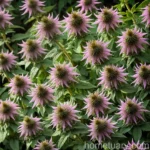
Lemon Mint (Monarda citriodora) – The Aromatic Herb with Countless Benefits
Lemon mint, scientifically known as Monarda citriodora, is a delightful perennial herb that is widely acclaimed for its aromatic leaves and beautiful blooms. This versatile plant offers a myriad of benefits and uses, ranging from culinary and medicinal to aromatic and ornamental. In this comprehensive guide, we will delve into the various aspects of lemon mint, including its culture, uses, care requirements, and much more.
What is Lemon Mint (Monarda citriodora)?
Lemon mint, also known as lemon bee balm, lemon bergamot, or purple horsemint, is a member of the Lamiaceae family, which encompasses an array of aromatic herbs. This herbaceous plant is native to North America, where it thrives in prairies, open woodlands, and along roadsides. Known for its striking pink to lavender blooms and lemon-scented foliage, lemon mint is a favorite among gardeners and herbal enthusiasts alike.
Lemon mint plays a significant role in traditional medicine, culinary applications, and as an ornamental plant. Its alluring fragrance and wildlife-attracting properties make it a valuable addition to any garden. Additionally, its adaptability to various growing conditions and its low maintenance nature further contribute to its popularity.
Key Takeaways – Lemon Mint (Monarda citriodora)
Before delving into the details of lemon mint, let’s take a quick look at the key takeaways that will be covered in this guide.
- Culture
- Uses
- Water
- Sunlight
- Fertilizer
- Soil
- Pruning
- Propagation
- Container Popularity
- Container Common Diseases
- Disease Diagnosis
- Common Pests
- Botanist’s Tips
- Fun Facts
- Links to External Resources
Culture of Lemon Mint
Understanding the cultural requirements of lemon mint is vital for fostering healthy growth and maximizing its aromatic, culinary, and medicinal potential.
Water
Lemon mint, like many herbs, prefers well-drained soil and moderate moisture levels. It is essential to water the plant regularly, especially during dry spells, to ensure the soil remains evenly moist. However, they are also relatively drought-tolerant once established, making them suitable for xeriscaping projects.
Sunlight
When it comes to sunlight, lemon mint thrives in full sun to partial shade. Providing it with at least six hours of direct sunlight promotes robust growth and enhances the fragrance of the leaves. In warmer regions, some afternoon shade can help prevent the plant from wilting during the hottest part of the day.
Soil
Lemon mint flourishes in rich, well-drained soil with a slightly acidic to neutral pH range (6.0-7.0). Amending the soil with organic matter, such as compost, can improve its texture and fertility, contributing to the overall health and vigor of the plant.
Uses of Lemon Mint
The versatile lemon mint offers an array of uses, making it a valuable addition to gardens, kitchens, and herbal apothecaries.
Culinary Uses
Lemon mint’s citrusy flavor and refreshing aroma make it a delightful addition to various culinary creations. From teas and infused beverages to salads, fruit dishes, and sauces, the leaves of lemon mint impart a zesty, uplifting essence that perfectly complements a wide range of flavors. Additionally, the delicate, edible flowers can be used to garnish salads and desserts, adding a pop of color and a hint of citrus fragrance.
Medicinal Properties
In traditional medicine, lemon mint is treasured for its soothing and digestive properties. It is often used to prepare herbal teas and infusions that aid in easing digestive discomfort and promoting overall wellness. Moreover, the essential oil derived from lemon mint is renowned for its aromatherapy benefits, promoting relaxation and reducing stress.
Aromatic and Ornamental Value
Beyond its culinary and medicinal uses, lemon mint serves as an aromatic delight in gardens and landscapes. The fragrant foliage attracts pollinators, including bees and butterflies, while adding a touch of elegance with its vibrant blooms. Its ornamental value extends to fresh and dried floral arrangements, potpourri, and herbal sachets, showcasing its versatility in various decorative applications.
Lemon Mint Plant Care
Caring for lemon mint involves providing it with the right environmental conditions and addressing its specific needs to ensure vigor and abundance.
Fertilizer
When it comes to fertilizing lemon mint, a balanced, all-purpose fertilizer can be applied in early spring to support vigorous growth and enhance the fragrance of the leaves. However, excessive fertilization should be avoided, as it may lead to overly lush foliage at the expense of essential oils and flavor concentration.
Pruning
Regular pruning is beneficial for lemon mint, as it encourages bushy growth and prevents it from becoming overly leggy. After the first flush of blooms, deadheading the spent flowers can promote further flowering and maintain a tidy appearance. Additionally, pruning the plant in early spring can rejuvenate its growth and stimulate fresh, lemon-scented foliage.
Propagation
Lemon mint can be propagated through various methods, including division, stem cuttings, and seed sowing. Dividing the clumps every few years helps rejuvenate the plants and prevent overcrowding, while stem cuttings can be rooted in moist potting soil to create new plants. Collecting and sowing the seeds in the fall can also result in an abundant supply of lemon mint for the following growing season.
Growing Lemon Mint in Containers
The adaptability of lemon mint to container cultivation makes it an excellent choice for small gardens, balconies, patios, and indoor herb gardens.
Container Popularity
Lemon mint is a popular choice for container gardening due to its manageable size, delightful fragrance, and decorative appeal. Cultivating it in containers allows for easy placement in sunnier spots, convenient harvesting, and the ability to bring the plant indoors during inclement weather or harsh winters.
Container Common Diseases
When growing lemon mint in containers, it is essential to be mindful of common diseases that may affect the plant. Keep an eye out for signs of powdery mildew, a prevalent fungal disease that can impact the leaves, particularly during periods of high humidity. Adequate air circulation, well-drained soil, and proper spacing between plants can help mitigate the risk of powdery mildew in container-grown lemon mint.
Common Diseases and Pests of Lemon Mint
While lemon mint is relatively resilient, it is susceptible to certain diseases and pests that can hinder its growth and vitality.
Disease Diagnosis
Diagnosing and addressing potential diseases early on is crucial for safeguarding the health of lemon mint plants. Common diseases that may affect lemon mint include powdery mildew, downy mildew, and root rot. Observing the plant for signs of discolored or distorted leaves, powdery growth, or wilting can aid in identifying and managing potential issues.
Common Pests
In addition to diseases, lemon mint may attract various pests, including aphids, spider mites, and caterpillars. These pests can cause damage to the foliage, affecting the plant’s overall vigor and aesthetic appeal. Implementing integrated pest management practices, such as regularly inspecting the plants, employing beneficial insects, and using organic pest control methods, can help mitigate pest infestations and minimize their impact on lemon mint.
Botanist’s Tips for Growing Lemon Mint
For aspiring and seasoned gardeners alike, incorporating the following botanist’s tips can enhance the success and enjoyment of growing lemon mint.
- Companion Planting: Consider companion planting lemon mint alongside other herbs and flowering plants to promote biodiversity, attract beneficial insects, and create visually appealing garden landscapes.
- Harvesting Techniques: When harvesting lemon mint, pinch off the leafy stems just above a set of leaves to encourage bushy growth and continuous production of fresh foliage.
- Overwintering: In regions with cold winters, consider overwintering container-grown lemon mint indoors to protect it from frost and cold temperatures. Provide adequate light and moderation watering to ensure its survival during the winter months.
Fun Facts about Lemon Mint
Delve into some intriguing and fascinating facts about lemon mint that showcase its unique qualities and historical significance.
- The aromatic leaves of lemon mint have been used traditionally by Native American tribes for their therapeutic properties, particularly in aiding digestion and promoting respiratory health.
- Lemon mint serves as a valuable source of nectar for pollinators, attracting butterflies, bees, and hummingbirds to the garden with its vibrant blooms and fragrant foliage.
- In addition to its culinary and aromatic uses, lemon mint has been valued as a flavorful ingredient in herbal teas and infused beverages, contributing to its widespread popularity.
- The name “Monarda” pays homage to the Spanish botanist Nicolás Monardes, who was renowned for his extensive studies of medicinal plants and their applications.
Conclusion
In summary, lemon mint (Monarda citriodora) stands as a remarkable herb with a myriad of uses, ranging from culinary and medicinal to aromatic and ornamental. Its refreshing citrus aroma, vibrant blooms, and wildlife-attracting properties make it a treasured addition to gardens, landscapes, and herbal apothecaries. By understanding its cultural requirements, addressing its specific care needs, and being mindful of potential diseases and pests, gardeners can cultivate thriving lemon mint plants and reap the benefits they offer.
As you embark on your journey of growing and exploring the possibilities of lemon mint, may this comprehensive guide serve as a valuable resource and source of inspiration, enhancing your appreciation for this delightful herb and its countless attributes.
External Resources
- Lemon Mint: A Citrus-Scented Joy in the Garden
- Monarda citriodora: Lemon Mint
- Growing Lemon Mint in Containers
By further exploring the provided resources, you can expand your knowledge and expertise on the fascinating world of lemon mint and its diverse applications.
References:
- Wildflower.org. Monarda citriodora (Lemon Mint)
- Lemon Mint: A Citrus-Scented Joy in the Garden. (2021). Retrieved from Gardening Know How website: https://www.gardeningknowhow.com/edible/herbs/lemon-mint/growing-lemon-mint-plants.htm
- Growing Lemon Mint in Containers. (2021). Retrieved from The Old Farmer’s Almanac website: https://www.almanac.com/plant/lemon-mint