Dypsis Decaryi (Triangle Palm): The Ultimate Care Guide
As a plant scientist, I have had the opportunity to study and understand various plant species, and among them, the Dypsis decaryi, commonly known as the Triangle Palm, has always intrigued me. Native to the Madagascan rainforests, the Triangle Palm is a stunning addition to any landscape or indoor setting. In this comprehensive care guide, we will delve into the cultural aspects, uses, and maintenance requirements for this remarkable plant. Whether you are a seasoned plant enthusiast or a novice, this guide will equip you with all the necessary knowledge to ensure the health and vitality of your Triangle Palm.
What is Dypsis Decaryi (Triangle Palm)?
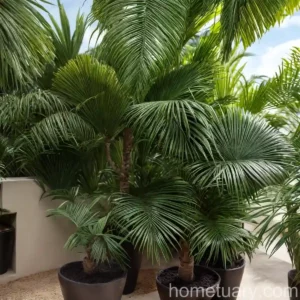
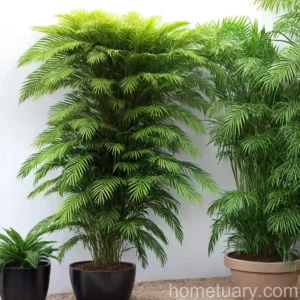
The Dypsis decaryi, also known as the Triangle Palm, is a striking palm species belonging to the Arecaceae family. It is characterized by its distinctive triangular shape, which is formed by the three sides of its spectacularly arranged fronds. This unique architecture sets it apart from other palm species and makes it a sought-after ornamental plant for both indoor and outdoor landscaping.
The Triangle Palm is native to the southeast coast of Madagascar, where it thrives in the warm and humid conditions of the rainforest. In its natural habitat, it can reach heights of up to 25 feet, although it is relatively slow-growing compared to other palm species. Its elegant appearance and adaptability make it a popular choice for botanical gardens, residential landscapes, and interior decoration.
In the following sections, we will explore the key considerations for successfully cultivating and caring for the Triangle Palm, covering aspects such as culture, uses, water requirements, sunlight needs, fertilizer application, soil preferences, pruning methods, propagation techniques, common diseases, pests, and a wealth of valuable tips for maintaining the vitality of this remarkable plant.
Key Takeaways – Dypsis Decaryi (Triangle Palm)
Culture
- The Triangle Palm is revered for its striking architectural form, characterized by its triangular arrangement of fronds.
- It is native to the Madagascan rainforests, where it thrives in warm and humid conditions.
- When cultivated in a suitable environment, it can serve as a captivating focal point in both indoor and outdoor settings.
Uses
- The Triangle Palm is a popular choice for landscaping, contributing to an exotic and tropical ambiance.
- Its unique structure and elegant appearance make it a prized addition to botanical gardens and public spaces.
- It is also utilized in interior decoration, adding a touch of sophistication and natural beauty to indoor spaces.
Now, let’s delve into the specific care requirements for the Triangle Palm across various aspects to ensure its optimal growth and vitality.
Water
- Adequate and consistent moisture is essential for the healthy growth of the Triangle Palm.
- When grown in containers, regular watering is necessary to maintain soil moisture, ensuring that the root system remains hydrated.
- However, it is important to avoid overwatering, as excessive moisture can lead to root rot and other detrimental conditions.
- In outdoor settings, it is vital to monitor the soil moisture levels, particularly during periods of drought or excessive heat, and to provide supplementary irrigation as needed to support the plant’s vitality.
Sunlight
- The Triangle Palm thrives in bright, indirect sunlight. When grown indoors, it is best placed near a window that receives ample natural light.
- In outdoor settings, it flourishes in partially shaded to full sun environments, making it a versatile choice for a variety of landscapes.
- Protection from intense midday sun, particularly in hot climates, can be beneficial to prevent scorching of the fronds.
Fertilizer
- Regular fertilization is essential for maintaining the vigor and lush foliage of the Triangle Palm.
- A balanced, slow-release fertilizer formulated specifically for palm species can be applied during the growing season to provide essential nutrients.
- Care should be taken to follow the recommended dosage to avoid over-fertilization, which can lead to nutrient imbalances and potential damage to the plant.
- Fertilization frequency may vary based on the specific product used, environmental conditions, and the plant’s growth stage.
Soil
- Well-draining soil is paramount for the Triangle Palm, as it is susceptible to root rot in waterlogged conditions.
- A combination of peat, sand, and loamy soil with good aeration properties is conducive to the plant’s health and growth.
- When grown in containers, the use of a high-quality, well-draining potting mix tailored for palms is recommended to provide adequate support for the root system.
Pruning
- Pruning is essential for the maintenance of the Triangle Palm’s aesthetic appeal and to remove any dead or damaged fronds.
- Care should be taken to use sharp and sterile pruning tools to prevent the spread of disease and to ensure clean cuts.
- The removal of old fronds can be performed as needed, with a focus on promoting the healthy development of new growth.
Propagation
- Propagation of the Triangle Palm is primarily achieved through seeds, although it can also be propagated through division under certain conditions.
- Propagation from seeds requires patience, as the germination process may take several months to complete.
- Due to the slow growth rate of the Triangle Palm, propagation through division is less common but can be successful when performed with care and attention to the needs of the parent plant and the new divisions.
Container Popularity
- The Triangle Palm is well-suited for container growth, making it a popular choice for indoor and patio displays.
- Its elegant form and limited space requirements render it an ideal candidate for container gardening, allowing individuals to enjoy its beauty in various settings.
Common Diseases
- Fusarium wilt and Ganoderma butt rot are among the notable diseases that can affect the Triangle Palm.
- Fusarium wilt is a fungal disease that can cause wilting, yellowing, and eventual death of the palm, while Ganoderma butt rot manifests as a gradual decay of the lower trunk and root system.
- Prompt diagnosis and treatment are crucial in mitigating the impact of these diseases on the health of the Triangle Palm.
Disease Diagnosis
- Early detection of diseases is instrumental in preventing the spread and progression of detrimental conditions.
- Visual symptoms such as wilting, discoloration, and decay should be carefully monitored to identify potential disease issues.
- If signs of disease are observed, consulting with a qualified plant health professional is recommended to accurately diagnose the issue and determine appropriate treatment measures.
Common Pests
- The Triangle Palm may be susceptible to infestations by pests such as spider mites, mealybugs, and palm aphids.
- Regular inspection of the foliage and stems is essential to detect the presence of pests early on, allowing for timely intervention to prevent widespread damage.
- Various control methods, including natural predators, insecticidal treatments, and horticultural oils, can be employed to manage pest populations and safeguard the plant’s well-being.
Botanist’s Tips
- Recognizing and responding to the specific environmental and cultural needs of the Triangle Palm is essential for its long-term health and vitality.
- Monitoring soil moisture, providing adequate light, and applying appropriate fertilization are key aspects of successful care for this species.
- Regular inspection and maintenance, including pruning and pest management, contribute to the overall well-being of the plant.
Fun Facts
- The Triangle Palm is an excellent choice for individuals seeking an elegant and visually captivating plant for their indoor or outdoor spaces.
- Its unique frond arrangement and graceful silhouette make it an outstanding addition to tropical and exotic-themed landscapes.
- In its native habitat, the Triangle Palm contributes to the lush and diverse ecosystem of the Madagascan rainforests.
Links to External Resources
As a part of my endeavor to provide comprehensive information about the Triangle Palm and to offer valuable resources to plant enthusiasts and horticulturalists, I have compiled a list of external links that can serve as supplementary references for further exploration and research:
- Triangle Palm Care – The Complete Guide
- Dypsis Decaryi: A Tropical Gem for Your Garden
- Palm Diseases and Disorders
- Common Palm Pests
- Propagation Techniques for Palms
With the insights and practical recommendations provided in this comprehensive care guide, I am confident that plant enthusiasts and horticulturalists alike will be equipped with the knowledge and resources to cultivate and nurture the magnificent Triangle Palm with confidence and success. Whether adorning a botanical garden, gracing a residential landscape, or enhancing an interior setting, the Triangle Palm has the potential to captivate and inspire all who encounter its exceptional beauty and grace.