Eryngium bourgatii ‘Picos Amethyst’ (Mediterranean Sea Holly): A Complete Guide
Eryngium bourgatii ‘Picos Amethyst’, commonly known as the Mediterranean Sea Holly, is a stunning and versatile plant that has gained popularity among gardeners and landscapers. This perennial plant belongs to the Apiaceae family and is native to the Mediterranean region, where it thrives in a variety of habitats.
In this comprehensive guide, we will delve into the description, characteristics, cultivation, uses, and maintenance of Eryngium bourgatii ‘Picos Amethyst’. Whether you’re a seasoned gardener or a beginner with a passion for plants, this article aims to provide valuable insights and practical tips for successfully growing and caring for this enchanting species.
What is Eryngium bourgatii ‘Picos Amethyst’?
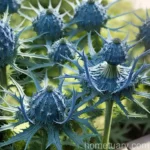
Eryngium bourgatii ‘Picos Amethyst’ is a herbaceous perennial plant known for its unique and visually striking features. This plant is characterized by its spiky, cone-shaped flower heads, which are surrounded by spiny, metallic blue bracts. The flowers bloom in summer and add a dramatic touch to garden borders, rock gardens, and floral arrangements.
The Mediterranean Sea Holly is a hardy and resilient plant that adapts well to various growing conditions. Its ornamental appeal, coupled with its low-maintenance nature, makes it a sought-after choice for both professional landscapers and home gardeners.
Key Takeaways – Eryngium bourgatii ‘Picos Amethyst’ (Mediterranean Sea Holly)
Before delving into the specifics of cultivating and caring for Eryngium bourgatii ‘Picos Amethyst’, it’s important to understand the overarching benefits and features that make this plant an enticing addition to any garden or landscape. The key takeaways of this Mediterranean Sea Holly include:
- Distinctive, cone-shaped flower heads with metallic blue bracts
- Well-suited for borders, rock gardens, and floral arrangements
- Drought-tolerant and low-maintenance plant
- Attracts pollinators, such as bees and butterflies
- Tolerant of poor soils and coastal conditions
- Adds unique texture and visual interest to garden landscapes
With these key points in mind, let’s explore the specific aspects of growing and caring for Eryngium bourgatii ‘Picos Amethyst’, including its cultural requirements, uses, maintenance practices, and more.
Culture
Cultivating Eryngium bourgatii ‘Picos Amethyst’ entails understanding its cultural preferences, including its water, sunlight, fertilizer, and soil requirements. By meeting these needs, you can ensure that the plant thrives and displays its full ornamental potential.
Water
Mediterranean Sea Holly is renowned for its exceptional drought tolerance, making it well-suited for arid and semi-arid regions. While the plant can withstand dry conditions, it’s important to provide adequate moisture, especially during the establishment phase and prolonged periods of drought.
- Establishment Phase: During the initial planting and establishment phase, ensure that the soil is kept consistently moist. Water the plant deeply after planting to encourage healthy root development.
- Mature Plants: Once established, Eryngium bourgatii ‘Picos Amethyst’ requires minimal supplemental watering. Allow the soil to dry out slightly between waterings to prevent waterlogging, which can be detrimental to the plant’s health.
- Seasonal Considerations: In hot climates, provide extra water during periods of extreme heat and drought. During cooler months or in regions with regular rainfall, the plant may require minimal supplemental watering.
Sunlight
The Mediterranean Sea Holly thrives in full sun to partial shade, displaying the best growth and flowering performance in a sunny location. When selecting a planting site or positioning the plant in a garden, consider the following sunlight requirements:
- Full Sun: Ideally, provide at least 6-8 hours of direct sunlight per day for the best growth and flowering results.
- Partial Shade: While Eryngium bourgatii ‘Picos Amethyst’ can tolerate partial shade, ensure that it still receives several hours of direct sunlight to promote healthy growth and flowering.
Fertilizer
Generally, Eryngium bourgatii ‘Picos Amethyst’ is not considered a heavy feeder and can thrive without regular fertilization. However, providing some nutritional support can enhance its overall vigor and blooming capacity.
- Organic Matter: Amend the soil with organic matter, such as well-rotted compost or aged manure, before planting to enrich the soil and provide a steady source of nutrients over time.
- Balanced Fertilizer: If desired, apply a balanced, slow-release fertilizer in spring, following the manufacturer’s recommendations for application rates. Avoid excessive nitrogen, as it can promote lush foliage at the expense of flower production.
Soil
The Mediterranean Sea Holly is adaptable to a range of soil types, as long as the soil is well-draining and not excessively fertile. When preparing the planting site or selecting a growing medium for container cultivation, consider the following soil requirements:
- Well-Draining Soil: Ensure that the soil has good drainage to prevent waterlogged conditions, which can lead to root rot.
- Soil pH: Eryngium bourgatii ‘Picos Amethyst’ prefers slightly acidic to neutral soil with a pH range of 6.0-7.0. Conduct a soil test to determine the pH and make necessary amendments to achieve the optimal range.
Uses
Eryngium bourgatii ‘Picos Amethyst’ offers a wide array of uses, ranging from ornamental and landscaping purposes to medicinal and culinary applications. Understanding the diverse uses of this plant can inspire creative ideas for incorporating it into various settings.
Ornamental Uses
- Garden Borders: Plant Eryngium bourgatii ‘Picos Amethyst’ in garden borders to add textural interest and a pop of color. Its unique shape and metallic blue bracts create a captivating visual impact.
- Rock Gardens: The Mediterranean Sea Holly is well-suited for rock gardens, where its drought tolerance and distinctive appearance can enhance the rocky landscape.
- Cut Flowers: Harvest the long-lasting flower heads for floral arrangements and bouquets. The steel-blue color and intriguing texture make them valuable additions to floral displays.
Medicinal Uses
- Traditional Medicine: In some regions, parts of the Eryngium species are used in traditional herbal medicine for various purposes, including anti-inflammatory and diuretic properties.
Culinary Uses
- Edible Flowers: The flower heads of Eryngium bourgatii ‘Picos Amethyst’ are edible and can be used to garnish salads or desserts, adding an exotic touch to culinary creations.
Pollinator Habitat
- Attracts Beneficial Insects: The flowers of Eryngium bourgatii ‘Picos Amethyst’ attract pollinators, such as bees and butterflies, making it a valuable addition to pollinator gardens and habitats.
Pruning
Proper pruning is essential for maintaining the health, shape, and vitality of Eryngium bourgatii ‘Picos Amethyst’. By understanding the appropriate pruning techniques and timing, you can ensure that the plant remains visually appealing and continues to produce an abundance of flowers.
Pruning Techniques
- Deadheading: Regular deadheading, or the removal of spent flowers, promotes continuous blooming and prevents the plant from expending energy on seed production.
- Cutting Back: In late winter or early spring, cut back the previous year’s growth to a few inches above the soil to encourage fresh, vigorous growth and robust flowering.
Pruning Frequency
- Regular Maintenance: Engage in regular maintenance pruning throughout the growing season to remove any damaged or faded flower heads, helping the plant to maintain a tidy appearance.
Propagation
While Eryngium bourgatii ‘Picos Amethyst’ can be propagated through various methods, understanding the optimal propagation techniques allows for the successful reproduction of the plant to expand its presence in the garden or landscape.
Division
- Spring Division: In spring, divide established clumps of Eryngium bourgatii ‘Picos Amethyst’ by carefully digging up the plant and separating the clumps into smaller sections with healthy roots. Replant the divisions at the desired locations.
Seed Propagation
-
Seed Collection: Allow a few flower heads to remain on the plant until they mature and develop seeds. Harvest the seeds and store them in a cool, dry place for future propagation.
-
Seed Starting: Sow the collected seeds in a well-draining seed-starting mix in early spring, keeping the soil consistently moist until the seeds germinate. Transplant the seedlings into individual containers or directly into the garden once they develop several sets of true leaves.
Container Popularity
The compact nature of Eryngium bourgatii ‘Picos Amethyst’ and its adaptability to container cultivation contribute to its popularity among gardeners who seek to adorn patios, balconies, or small garden spaces with this distinctive plant.
Container Requirements
- Well-Draining Soil: Choose a high-quality potting mix that provides good drainage to prevent waterlogging in containers.
- Container Size: Select a sufficiently large container that accommodates the plant’s root system while allowing for adequate air circulation.
Container Planting Ideas
- Solo Display: Showcase a single Eryngium bourgatii ‘Picos Amethyst’ plant in a decorative container to create a stunning focal point on a patio or outdoor living area.
- Mixed Container Gardens: Combine Mediterranean Sea Holly with other sun-loving plants, such as lavender or ornamental grasses, to create visually appealing mixed container gardens.
Common Diseases
While Eryngium bourgatii ‘Picos Amethyst’ is relatively resistant to diseases, it may occasionally encounter certain issues that can impact its health and appearance. Recognizing common diseases and their symptoms is crucial for implementing timely preventive measures.
Disease Diagnosis
- Powdery Mildew: Look for the presence of white, powdery patches on the foliage, which may indicate powdery mildew. Ensure adequate air circulation and avoid overhead watering to prevent this fungal disease.
- Leaf Spot: Dark or discolored spots on the leaves may signify the presence of leaf spot diseases. Remove and destroy affected plant parts to prevent the spread of the disease.
Common Pests
Eryngium bourgatii ‘Picos Amethyst’ is generally resistant to most pests due to its spiky and tough foliage. However, occasional pest infestations may occur, necessitating vigilance and prompt intervention.
Pest Control
- Aphids: Keep an eye out for aphid infestations, especially on new growth and flower buds. Use a strong blast of water to dislodge the aphids or apply insecticidal soap as a targeted solution.
- Spider Mites: Monitor the undersides of the leaves for signs of webbing and stippling. Regularly mist the foliage to increase humidity and discourage spider mite infestations.
Botanist’s Tips
As a plant scientist, I offer the following tips to optimize the growth, health, and visual appeal of Eryngium bourgatii ‘Picos Amethyst’ in garden and landscape settings.
- Soil Amendment: Prior to planting, incorporate a generous amount of organic matter, such as compost or well-rotted manure, into the soil to enhance its structure and fertility.
- Mulching: Apply a layer of organic mulch around the base of the plant to conserve soil moisture, suppress weed growth, and insulate the roots from temperature fluctuations.
- Supporting Pollinators: Encourage the presence of pollinators, such as bees and butterflies, by planting a diverse range of nectar-rich flowering plants in the vicinity of Eryngium bourgatii ‘Picos Amethyst’.
Fun Facts
Uncover some fascinating and lesser-known facts about Eryngium bourgatii ‘Picos Amethyst’ that showcase the plant’s unique attributes and characteristics.
- Coastal Adaptation: Mediterranean Sea Holly demonstrates remarkable tolerance to coastal conditions, making it an ideal choice for gardens near the sea or in windy coastal areas.
- Long-lasting Flowers: The spiky flower heads of Eryngium bourgatii ‘Picos Amethyst’ retain their vibrant color and shape, even after drying, making them popular for dried flower arrangements and crafts.
Links to External Resources
For additional information, inspiration, and resources related to Eryngium bourgatii ‘Picos Amethyst’, explore the following external links:
- Royal Horticultural Society – Eryngium bourgatii ‘Picos Amethyst’
- Missouri Botanical Garden – Mediterranean Sea Holly
By leveraging these external resources, you can gain further insights into the cultivation, care, and landscaping potential of this captivating plant.
In conclusion, Eryngium bourgatii ‘Picos Amethyst’ (Mediterranean Sea Holly) stands out as a remarkable plant that offers an array of ornamental, ecological, and practical uses. Whether adorning garden borders, attracting beneficial insects, or adding a unique touch to floral arrangements, this resilient and visually striking species holds a special place in the world of ornamental plants. With an understanding of its cultural requirements, uses, and maintenance practices, you can unlock the full potential of the Eryngium bourgatii ‘Picos Amethyst’ and create captivating garden landscapes and habitats.