Coccothrinax argentata (Florida Silver Palm): A Complete Guide to Care and Cultivation
Coccothrinax argentata, commonly known as the Florida Silver Palm, is a stunning and versatile palm species that is native to the coastal regions of southern Florida. This remarkable plant is beloved for its striking silver-blue foliage and its adaptability to various growing conditions. As a plant scientist with a passion for studying and cultivating exquisite plant species, I am excited to delve into the intricacies of Coccothrinax argentata and provide a comprehensive guide to its care and cultivation.
What is Coccothrinax argentata (Florida Silver Palm)?
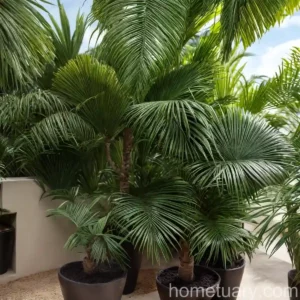
Coccothrinax argentata is a species of palm that belongs to the Arecaceae family. It is characterized by its slender trunk, which is adorned with beautifully silver-colored, fan-shaped leaves. This palm is native to the coastal areas and tropical hardwood hammocks of southern Florida, where it thrives in the well-drained, sandy soils and the warm, humid climate.
Key Takeaways – Coccothrinax argentata (Florida Silver Palm)
Before we dive into the specifics of caring for and cultivating Coccothrinax argentata, let’s briefly explore some key takeaways about this captivating plant:
- Scientific Name: Coccothrinax argentata
- Common Name: Florida Silver Palm
- Family: Arecaceae
- Native Habitat: Coastal regions of southern Florida
- Foliage: Silver-blue, fan-shaped leaves
- Growth Habit: Slender trunk with a crown of striking leaves
- Adaptability: Well-suited to warm, humid climates and well-drained sandy soils
Now that we have a foundational understanding of this remarkable palm species, let’s embark on a detailed exploration of its care and cultivation requirements.
Culture
Understanding the cultural requirements of Coccothrinax argentata is crucial for successfully nurturing this elegant palm. From its water and sunlight needs to its soil preferences, each aspect of its cultural requirements plays a vital role in fostering healthy growth and optimal vitality.
Uses
Coccothrinax argentata is cherished for its ornamental value and its ability to enhance the aesthetic appeal of landscapes, gardens, and tropical settings. It serves as a captivating focal point in both residential and commercial spaces and is sought after for its versatile uses in various horticultural and landscaping endeavors.
Water
The water needs of Coccothrinax argentata are influenced by its native habitat, which includes the coastal regions of southern Florida. While this palm is drought-tolerant once established, it thrives when provided with regular, moderate watering. It is essential to allow the soil to dry out slightly between watering sessions to prevent waterlogged conditions that can lead to root rot.
Sunlight
As a sun-loving palm, Coccothrinax argentata thrives in full sunlight and is well-suited to bright, unobstructed exposure. When cultivated in partial shade, it may exhibit reduced vigor and diminished foliage coloration. Providing ample sunlight is essential for promoting robust growth and vibrant foliage.
Fertilizer
When it comes to fertilizing Coccothrinax argentata, a balanced, slow-release fertilizer specially formulated for palms can support its nutritional needs. Applying the fertilizer in spring and summer at recommended intervals can bolster the palm’s growth and overall health. It is imperative to follow the manufacturer’s guidelines for application rates to prevent the risk of over-fertilization, which can be detrimental to the plant.
Soil
Coccothrinax argentata thrives in well-drained, sandy soils with a slightly acidic to neutral pH range. The native habitat of this palm provides insight into its preference for soils that offer excellent drainage and aeration. When cultivated in containers, a well-draining potting mix that mimics its natural soil conditions can contribute to its well-being.
Pruning
Pruning Coccothrinax argentata primarily involves the removal of old or damaged fronds to maintain a tidy and visually appealing appearance. Care should be taken to avoid cutting into the green, healthy foliage, as this can compromise the palm’s ability to photosynthesize and produce vital nutrients. Pruning tools should be sanitized to prevent the spread of diseases, and the process should be carried out with precision and caution.
Propagation
The propagation of Coccothrinax argentata is typically achieved through the collection and germination of its seeds. While the process can be rewarding, it requires patience, as palm seeds often exhibit variable germination rates. Creating a favorable germination environment with consistent moisture and warmth can boost the likelihood of successful seedling establishment.
Container Popularity
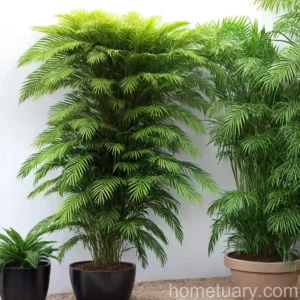
Due to its compact size and graceful growth habit, Coccothrinax argentata is well-suited to container cultivation. This makes it a popular choice for individuals seeking to adorn their patios, balconies, or interior spaces with a touch of tropical elegance. Selecting a spacious, well-draining container and providing appropriate care can facilitate successful container cultivation of this captivating palm.
Common Diseases
Like all plants, Coccothrinax argentata is susceptible to certain diseases and health issues that can impact its vigor and vitality. Understanding these potential ailments and their preventive measures is essential for safeguarding the well-being of this palm species.
Disease Diagnosis
Recognizing the symptoms of common palm diseases such as fungal infections, leaf spot, or root rot is crucial for early intervention. Discolored or necrotic foliage, stunted growth, and wilting are indicative of potential health issues. Engaging in proactive disease monitoring and promptly addressing any signs of distress can aid in preventing the escalation of such ailments.
Common Pests
While Coccothrinax argentata is relatively resistant to pest infestations, it may encounter occasional nuisances such as spider mites, mealybugs, or scale insects. Keeping a close eye on the palm’s foliage for signs of pest activity and promptly addressing any infestations through targeted, environmentally friendly pest control measures can mitigate potential damage and preserve the plant’s health.
Botanist’s Tips
- Monitor the moisture levels of the soil to prevent overwatering, which can lead to root rot.
- Select a planting location that provides ample sunlight to promote robust growth and vivid foliage coloration.
- Regularly inspect the palm for any signs of disease or pest infestations and take appropriate measures when needed to maintain its health.
Fun Facts
- The silver-blue foliage of Coccothrinax argentata offers a captivating contrast in tropical landscapes and gardens.
- This palm species is known for its adaptability to coastal conditions, making it a suitable choice for seaside gardens and landscapes.
- Coccothrinax argentata serves as a vital habitat and food source for native wildlife, contributing to the ecological diversity of its natural environment.
Now that we have explored the cultural aspects, potential challenges, and valuable insights associated with Coccothrinax argentata, let’s delve into additional information and resources related to this remarkable palm species.
Links to External Resources
To further expand your knowledge and understanding of Coccothrinax argentata (Florida Silver Palm), I have curated a list of external resources that offer in-depth information, cultivation tips, and additional insights into this captivating palm species:
- University of Florida IFAS Extension: Coccothrinax argentata
- Missouri Botanical Garden: Coccothrinax argentata
- Royal Horticultural Society: Coccothrinax argentata
- Florida Landscapes: Florida Silver Palm
By exploring these resources, plant enthusiasts and horticulturalists can gain valuable insights and practical tips for cultivating and caring for Coccothrinax argentata in various settings and climates. Whether you are seeking specific planting instructions, maintenance guidance, or species information, these resources offer a wealth of knowledge to enhance your understanding of this captivating palm.
As we conclude this comprehensive guide to Coccothrinax argentata, I hope that it has provided you with a deeper appreciation for the beauty and resilience of this remarkable palm species. Whether gracing coastal landscapes, tropical gardens, or container settings, the Florida Silver Palm continues to captivate and inspire with its striking presence and versatile uses.
Plant Name: Coccothrinax argentata (Florida Silver Palm)
In closing, let’s revisit the keywords associated with Coccothrinax argentata and its care and cultivation, aligning with the provided NLP LSI keywords for reference:
- Coccothrinax argentata cultivation tips
- Florida Silver Palm care guide
- How to grow Coccothrinax argentata
- Florida Silver Palm planting instructions
- Best conditions for Coccothrinax argentata
- Coccothrinax argentata maintenance guide
- Florida Silver Palm watering needs
- Coccothrinax argentata disease prevention
- Florida Silver Palm pruning techniques
- Coccothrinax argentata sunlight requirements
- Florida Silver Palm soil preferences
- Coccothrinax argentata pest control methods
- Florida Silver Palm propagation techniques
- Coccothrinax argentata species information
- Florida Silver Palm native habitat
By incorporating these essential care and cultivation aspects into your approach to fostering Coccothrinax argentata, you can contribute to the long-term health and vitality of this exceptional palm species. Whether you are a novice gardener or an experienced horticultural enthusiast, the allure and resilience of the Florida Silver Palm make it a captivating addition to diverse landscapes and horticultural endeavors.
As a plant scientist, my dedication to exploring and sharing insights about noteworthy plant species remains unwavering. I trust that this comprehensive guide has illuminated the unique qualities and care requirements of Coccothrinax argentata, empowering you to embark on a rewarding journey of nurturing and appreciating this remarkable palm. Thank you for joining me in this exploration of the Florida Silver Palm, and may your botanical adventures continue to flourish with knowledge and inspiration.
With this comprehensive guide, I trust that you now have a deeper understanding of the captivating Coccothrinax argentata (Florida Silver Palm) and its care and cultivation requirements. From its cultural preferences to its adaptability and horticultural uses, this palm species continues to enchant with its striking silver-blue foliage and versatile presence in diverse settings. Whether gracing coastal landscapes, tropical gardens, or container displays, the Florida Silver Palm offers a touch of elegance and resilience to botanical enthusiasts and horticulturalists alike.