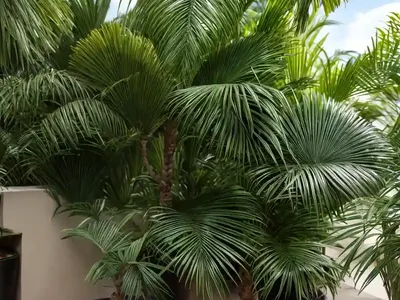
Bismarckia Nobilis (Bismarck Palm)
Bismarckia nobilis, commonly known as the Bismarck Palm, is a striking, large palm native to Madagascar. This majestic palm is beloved for its silver-blue.



Introduction
Bismarckia nobilis, commonly known as the Bismarck Palm, is a striking, large palm native to Madagascar. This majestic palm is beloved for its silver-blue foliage, which adds a touch of tropical elegance to landscapes. In this comprehensive guide, we will explore the cultivation, care, and uses of the Bismarck Palm, along with essential tips for maintaining its health and vibrancy.
What is Bismarckia nobilis (Bismarck Palm)?
Bismarckia nobilis, a member of the Arecaceae family, is a solitary-stemmed palm with a robust and distinctive appearance. It is named after the first Chancellor of the German Empire, Prince Otto von Bismarck, and the epithet “nobilis” reflects its noble and regal characteristics. This palm species is native to western and northern Madagascar and is cultivated in various regions around the world for its ornamental appeal and iconic silhouette.
Key Takeaways – Bismarckia nobilis (Bismarck Palm)
Before delving into the detailed aspects of the Bismarck Palm, let’s glean key insights into its culture, uses, water requirements, sunlight preferences, fertilization needs, soil conditions, pruning techniques, propagation methods, popularity, common diseases, and recommended pest management strategies.
Culture
The cultural preferences of Bismarckia nobilis are crucial for its successful growth and development. Understanding its native habitat and replicating similar conditions is vital for cultivating healthy and thriving specimens. The following cultural aspects are essential for the optimal care of the Bismarck Palm:
- Origin: Bismarckia nobilis is native to Madagascar, where it thrives in hot and arid regions with well-draining soil and abundant sunlight.
- Climate: It is well-suited to tropical and subtropical climates, with heat and humidity tolerance.
- Growth Rate: The Bismarck Palm exhibits a moderate to fast growth rate, particularly when provided with optimal growing conditions.
Uses
The Bismarck Palm serves several practical and aesthetic purposes in landscaping and horticulture. Its uses include:
- Ornamental: It is a popular ornamental palm, often utilized as a focal point in gardens, parks, and commercial landscapes.
- Shade Provider: Mature specimens offer ample shade, making them ideal for creating cool and serene outdoor spaces.
- Architectural Accent: Due to its robust and statuesque form, the Bismarck Palm is often used to enhance the architectural appeal of residential and commercial properties.
Water
Appropriate watering is essential for the health and vitality of the Bismarck Palm. Proper understanding of its water requirements ensures that it thrives without succumbing to water-related stress or diseases. Key considerations for watering the Bismarck Palm include:
- Watering Frequency: Young palms require regular watering to establish a healthy root system, while mature specimens are drought-tolerant once established.
- Drainage: Well-draining soil and pots, coupled with adequate watering practices, are crucial to prevent waterlogging, which can lead to root rot.
Sunlight
The Bismarck Palm deeply appreciates abundant sunlight and thrives when exposed to optimal light conditions. Key aspects related to sunlight exposure include:
- Full Sun: It flourishes in full sun, basking in direct sunlight for a substantial portion of the day.
- Shade Tolerance: While it prefers ample sunlight, the Bismarck Palm exhibits some tolerance to partial shade, especially during its initial growth stages.
Fertilizer
Supplemental nutrition through fertilization enriches the growth and appearance of the Bismarck Palm. When applied judiciously, fertilizers contribute to vibrant foliage and robust growth. Essential aspects of fertilizing the Bismarck Palm include:
- Balanced Formulation: Utilize a balanced, slow-release fertilizer specifically formulated for palms to provide essential macro and micronutrients.
- Application Frequency: Fertilize the palm during the growing season, typically from spring to early autumn, to support active growth and foliar development.
Soil
The composition and texture of the soil directly impact the growth and overall health of the Bismarck Palm. Understanding its soil preferences facilitates the creation of an optimal growing environment. Key considerations for soil conditions include:
- Well-Draining Soil: It thrives in well-draining sandy or loamy soil to prevent waterlogging, which can lead to root suffocation and decay.
- Soil pH: Slightly acidic to neutral soil pH (6.0-7.5) is ideal for promoting nutrient uptake and root health.
Pruning
Palm pruning is essential to maintain the Bismarck Palm’s iconic appearance and remove dead or damaged fronds. Effective pruning practices enhance its aesthetics and promote overall plant health. Pruning considerations for Bismarckia nobilis include:
- Dead Frond Removal: Regular removal of browned or senescent fronds prevents the accumulation of debris and minimizes potential pest infestations.
- Pruning Tools: Use sharp, sterile pruning tools to make clean cuts and minimize the risk of introducing pathogens.
Propagation
The propagation of Bismarckia nobilis allows for the multiplication of desirable traits and the expansion of its presence in horticulture. Though it can be challenging, successful propagation methods include:
- Seed Propagation: Growing Bismarck Palms from seeds is the most common propagation method, though it requires patience due to the slow germination process and variable seed viability.
- Offshoot Division: Separating and transplanting offshoots from mature palms can be an effective method to propagate genetically identical specimens.
Container Popularity
Bismarck Palms are prized container plants, adorning patios, courtyards, and indoor spaces with their tropical allure. Their popularity as container plants stems from several factors, including:
- Architectural Elegance: The striking foliage and form of the Bismarck Palm make it a captivating focal point in containers, enhancing the aesthetic appeal of any space.
- Adaptability: With proper care and maintenance, Bismarck Palms can thrive and display their regal presence in containers, adding a touch of luxury to any setting.
Common Diseases
While generally resilient, the Bismarck Palm is susceptible to certain diseases that may compromise its health and appearance. Common diseases affecting Bismarckia nobilis include:
- Ganoderma Butt Rot: This fungal disease poses a significant threat to the palm, causing the gradual decay of the trunk and eventual collapse of the tree.
- Fusarium Wilt: A soil-borne fungal disease that affects the vascular system of the palm, leading to wilting and eventual death of the foliage.
Disease Diagnosis
Early detection and accurate diagnosis of diseases are crucial for implementing timely interventions and preventing the spread of infections. Key indicators and diagnostic considerations for common Bismarck Palm diseases include:
- Trunk Discoloration: Ganoderma butt rot manifests as internal trunk discoloration and conk growth at the base, indicative of advanced decay.
- Leaf Wilt: Fusarium wilt causes the lower fronds to yellow and wilt, progressing upwards as the disease advances, leading to plant collapse.
Common Pests
While generally resilient to pests, the Bismarck Palm may occasionally encounter pest infestations that impact its vigor and aesthetics. Common pests affecting Bismarckia nobilis include:
- Scale Insects: These small, immobile pests attach to the fronds and feed on plant sap, leading to yellowing and distortion of the foliage.
- Spider Mites: These tiny arachnids feed on the undersides of the fronds, causing stippling and eventually browning of the foliage.
Botanist’s Tips
Incorporating expert tips and insights can significantly enhance the successful cultivation and care of the Bismarck Palm. Key tips from botanists and horticultural experts include:
- Adequate Watering: Establish a balanced watering regimen, providing ample moisture during the establishment phase and gradually transitioning to drought-tolerant practices for mature palms.
- Pruning Frequency: Regularly inspect and prune the palm to remove dead or damaged fronds, enhancing its appearance and reducing the risk of pest infestations.
Fun Facts
Embracing the allure of the Bismarck Palm includes appreciating intriguing and captivating facts about this iconic palm species. Engaging and remarkable facts about Bismarckia nobilis include:
- Leaf Span: Mature Bismarck Palms can produce fronds spanning 10 to 12 feet, creating a majestic and grand presence in the landscape.
- Silver-Blue Foliage: The striking silver-blue coloration of the palm’s fronds contributes to its widespread popularity and ornamental appeal.
Links to External Resources
For further exploration and enrichment of your understanding of the Bismarck Palm, we have curated a selection of valuable external resources:
- Bismarck Palm Care Guide – University of Florida Extension
- Bismarckia nobilis: A Majestic Accent for Tropical Landscapes – Royal Botanic Gardens, Kew
- Palm Diseases and Disorders – University of California, Agriculture and Natural Resources
- Insect Pests of Palms – University of Florida IFAS Extension
- The Complete Book of Palms – National Tropical Botanical Garden
Conclusion
The Bismarck Palm, with its regal stature and captivating foliage, stands as a testament to the grandeur of tropical flora. Its cultural significance, ornamental appeal, and practical uses make it a cherished addition to diverse landscapes. By understanding and implementing the essential care and cultivation practices elucidated in this comprehensive guide, you can ensure the vitality and enduring beauty of the Bismarck Palm in your horticultural endeavors.