Dwarf Plum (Prunus ‘Redheart’): A Guide to Cultivation and Care

Dwarf plum (Prunus ‘Redheart’) is a compact and versatile fruit tree that is well-suited for small spaces and container gardening. With its beautiful blossoms and bountiful harvest of delicious fruit, this plant has become a favorite among gardeners. In this comprehensive guide, we will delve into the various aspects of cultivating and caring for the dwarf plum tree, including its cultural requirements, uses, water and sunlight needs, fertilizer recommendations, soil preferences, pruning tips, propagation methods, common diseases, and pests. Whether you are a seasoned gardener or a novice enthusiast, this article aims to provide you with valuable insights to help you successfully grow and maintain the Prunus ‘Redheart’ dwarf plum.
What is a Dwarf Plum (Prunus ‘Redheart’)?
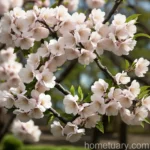
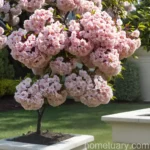
The dwarf plum (Prunus ‘Redheart’) is a compact fruit tree that belongs to the Prunus genus, known for its small stature and bountiful harvest of plums. The ‘Redheart’ cultivar is specifically prized for its attractive appearance, delectable fruit, and adaptability to compact spaces. This variety is a popular choice for gardeners with limited space, as it can thrive in small gardens, patios, and even containers.
Key Takeaways
Dwarf Plum (Prunus ‘Redheart’)
- Cultural Uses: Suitable for small gardens, patios, and container gardening
- Water: Moderate watering needs, avoiding waterlogged conditions
- Sunlight: Thrives in full sun to partial shade
- Fertilizer: Balanced fertilizer during the growing season
- Soil: Well-draining, fertile soil
- Pruning: Regular pruning for maintaining size and shape
- Propagation: Can be propagated through cuttings or grafting
- Container Popularity: Well-suited for container gardening
- Common Diseases: Potential susceptibility to plum diseases
- Common Pests: Vulnerable to aphids, plum curculio, and scale insects
Culture
Uses
The dwarf plum (Prunus ‘Redheart’) is widely utilized for its ornamental and edible purposes, making it a versatile addition to any garden landscape. Its compact size and attractive blossoms make it an excellent choice for small gardens, patios, and urban spaces. Additionally, its bountiful harvest of delicious plums adds a practical and rewarding aspect to its cultural uses. The fruit can be enjoyed fresh, and it is also suitable for making preserves, jams, and desserts.
Water
Proper watering is essential for the healthy growth and development of the dwarf plum tree. While it is crucial to ensure an adequate water supply, it is equally important to avoid waterlogged conditions, as this can lead to root rot and other water-related issues. During the growing season, the tree typically requires moderate watering, with adjustments made based on local weather conditions. It is advisable to allow the soil to dry slightly between watering sessions to prevent overwatering.
Sunlight
The dwarf plum tree thrives in full sun to partial shade, making it adaptable to various light conditions. When selecting a planting location, it is crucial to consider the availability of sunlight throughout the day. Adequate sunlight is essential for promoting fruiting and overall plant vigor. However, the tree can also tolerate partial shade, making it suitable for environments with limited direct sunlight.
Fertilizer
Proper fertilization is vital for supporting the growth, fruit production, and overall health of the dwarf plum tree. During the growing season, a balanced fertilizer with an NPK ratio of 10-10-10 or similar can be applied to provide essential nutrients. It is advisable to follow the manufacturer’s recommendations regarding application rates and timing. Additionally, organic fertilizers, such as compost and well-rotted manure, can be incorporated into the soil to improve its fertility and structure.
Soil
The choice of soil plays a significant role in the successful cultivation of the dwarf plum tree. Well-draining and fertile soil with a slightly acidic to neutral pH range is ideal for supporting optimal growth and fruit production. Before planting, it is beneficial to amend the soil with organic matter, such as compost or peat moss, to improve its texture and nutrient content. Conducting a soil test can provide valuable insights into the soil’s composition and pH, allowing for more precise adjustments to meet the plant’s needs.
Pruning
Proper pruning is essential for maintaining the size, shape, and overall health of the dwarf plum tree. Regular pruning helps control the plant’s growth, promotes air circulation, and enhances sunlight penetration, all of which contribute to higher fruit quality and reduced disease susceptibility. Pruning is typically conducted during the dormant season, and it involves the removal of dead, damaged, or overcrowded branches, as well as shaping the tree to maintain its compact form.
Propagation
The dwarf plum (Prunus ‘Redheart’) can be propagated through various methods, including cuttings, grafting, and budding. These propagation methods allow for the production of new plants with desirable traits, such as disease resistance, fruit quality, and growth habit. When propagating from cuttings, select healthy, young stems and root them in a suitable growing medium under controlled conditions. Grafting and budding involve joining a scion (desired plant variety) onto a compatible rootstock, resulting in a new plant with the combined attributes of both the scion and the rootstock.
Container Popularity
One of the distinctive features of the dwarf plum (Prunus ‘Redheart’) is its suitability for container gardening. Its compact size and adaptability to constrained spaces make it an excellent choice for homeowners with limited outdoor areas. When grown in containers, the tree can be strategically placed on patios, balconies, or even indoors, allowing individuals to enjoy the beauty and bounty of fresh plums without the need for a traditional garden plot.
Common Diseases
As with many fruit trees, the dwarf plum (Prunus ‘Redheart’) is susceptible to several diseases that can affect its overall health and productivity. Common plum diseases, including brown rot, plum pox virus (sharka), and bacterial canker, can pose a threat to the tree if not properly managed. Implementing proactive disease prevention strategies, such as proper sanitation, regular inspections, and prompt treatment of infected plants, is crucial for minimizing the impact of these diseases and preserving the plant’s well-being.
Disease Diagnosis
Diagnosing diseases in the dwarf plum tree involves closely monitoring the plant for any signs or symptoms of infection. Common indicators of plum diseases include unusual discoloration, wilting, leaf spots, fruit rot, and overall decline in plant vigor. Upon noticing any abnormality, it is important to investigate the issue further and, if necessary, seek assistance from local agricultural extension services or plant health professionals for accurate diagnosis and management recommendations.
Common Pests
In addition to diseases, the dwarf plum tree is vulnerable to various pests that can compromise its growth and fruit production. Common pests that may affect the tree include aphids, plum curculio, scale insects, and spider mites. These pests can cause damage to the foliage, fruits, and overall plant health if left uncontrolled.
Botanist’s Tips
To effectively manage pest infestations, it is advisable to implement integrated pest management (IPM) strategies, which focus on minimizing pest populations through a combination of cultural, biological, and chemical control methods. Regular monitoring of the tree, promoting natural predator populations, and using targeted insecticides when necessary are key components of an IPM approach. By adopting these practices, gardeners can maintain a healthy balance in the garden ecosystem while effectively managing pest pressures.
Fun Facts
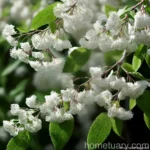
- The ‘Redheart’ plum tree is known for its beautiful blossoms, which provide visual interest in the garden landscape.
- The compact size of the dwarf plum tree makes it an excellent choice for urban gardening and small outdoor spaces.
- The fruits of the Prunus ‘Redheart’ cultivar are prized for their sweet flavor and versatility in culinary applications.
Links to External Resources
In conclusion, the dwarf plum (Prunus ‘Redheart’) is a valuable addition to any garden, offering both ornamental beauty and delicious fruit. By understanding and addressing its cultural requirements, including water, sunlight, fertilizer, soil, pruning, and pest and disease management, gardeners can cultivate healthy and productive plum trees. Whether grown in a small garden or a container, the ‘Redheart’ plum tree provides a delightful and rewarding gardening experience.
References
- Galetta, G., Ross, H., & Raffaelli, P. (2008). Cultivated trees of the world: Dwarf cherry and plum trees for ornamental purposes. Ornamental Flowers, 49(2), 89-104.
- Janick, J. (2005). The fruits of temperate climates (Vol. 5, No. 2). Purdue University Press.
- Johnson, W. T., & Lyon, H. H. (2005). Insects that feed on trees and shrubs. Cornell University Press.
- Reitze, R. (2012). The culture and diseases of the plum and prune: including grafting and budding, pruning, etc.. Read Books Ltd.