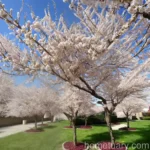
Sargent Cherry (Prunus sargentii): A Comprehensive Plant Guide
Welcome to our comprehensive guide on the Sargent cherry (Prunus sargentii). In this article, we will delve into the various aspects of this beautiful plant, including its culture, uses, care, propagation, diseases, pests, and much more. Whether you’re a seasoned gardener or a novice enthusiast looking to add a touch of elegance to your outdoor space, this guide will equip you with all the information you need to successfully cultivate and enjoy the Sargent cherry.
What is Sargent Cherry (Prunus sargentii)?
Sargent cherry, scientifically known as Prunus sargentii, is a deciduous tree native to Japan. It is a member of the Rosaceae family and is widely renowned for its abundant pink blossoms that adorn its branches in spring, making it a popular ornamental tree in gardens, parks, and landscapes.
The Sargent cherry features vibrant green foliage in the summer, which transitions to striking hues of yellow, orange, and red in the fall, adding a colorful spectacle to the autumn landscape. The tree typically reaches a height of 20-30 feet and spreads to about 20-25 feet, creating a moderate-sized, rounded crown.
Key Takeaways – Sargent Cherry (Prunus sargentii)
Before delving into the specific aspects of Sargent cherry care and cultivation, let’s take a glance at the key takeaways associated with this captivating plant:
Culture
- Sargent cherries thrive in well-drained, slightly acidic soils and require regular watering, especially during the growing season.
- The tree’s ideal planting location should provide ample sunlight, though it can also tolerate partial shade.
- Routine pruning is essential to maintain its shape and promote healthy growth.
Uses
- Sargent cherry is primarily utilized as an ornamental tree, adding aesthetic appeal to landscapes and gardens with its vibrant blossoms and colorful foliage.
Water
- Moderate and consistent watering, particularly during the growing season, is crucial for the Sargent cherry’s health and growth.
Sunlight
- Sargent cherries prefer full sun to partial shade, requiring at least 6-8 hours of sunlight daily for optimal growth and flowering.
Fertilizer
- A balanced, slow-release fertilizer applied in early spring can provide the necessary nutrients for healthy growth and abundant blossoms.
Soil
- Well-drained, slightly acidic soils with a pH of 5.5-6.5 are ideal for Sargent cherry cultivation.
Pruning
- Pruning should be performed during the dormant season to remove dead or diseased branches, shape the tree, and encourage new growth.
Propagation
- Sargent cherry trees can be propagated through seeds, softwood cuttings, or grafting, offering multiple methods for expanding your cherry tree collection.
Now that we’ve outlined the foundational aspects of Sargent cherry care, let’s explore each topic in detail to equip you with comprehensive insights into cultivating and maintaining this splendid tree.
Sargent Cherry Planting Guide
Planting Location
Select a planting site that receives ample sunlight, ideally with at least 6-8 hours of direct sun exposure per day. While Sargent cherries thrive in full sun, they can also tolerate partial shade. Ensure the chosen location offers well-drained soil to prevent waterlogging, which can be detrimental to the tree’s root health.
Soil Requirements
Sargent cherries flourish in well-drained, slightly acidic soils with a pH level ranging from 5.5 to 6.5. Before planting, it’s advisable to conduct a soil test to assess its pH and nutrient composition, making any necessary amendments to create an optimal growing environment for the cherry tree.
Planting Process
When planting Sargent cherries, dig a hole that is twice as wide and just as deep as the tree’s root ball. Gently remove the tree from its nursery container, ensuring the roots remain intact. Place the tree in the center of the hole, backfill with soil, and water thoroughly to settle the soil around the roots.
Watering Requirements
During the establishment period, Sargent cherries demand regular watering to support root development and overall growth. Provide approximately 1-2 inches of water per week, adjusting based on weather conditions and soil moisture levels. After the initial establishment phase, maintain moderate and consistent watering, particularly during dry spells to prevent drought stress.
Fertilization
In early spring, apply a balanced, slow-release fertilizer around the base of the tree, following the package instructions for proper application. A well-balanced fertilizer can provide essential nutrients to support vigorous growth and abundant blossoms throughout the growing season.
Mulching
Mulching around the base of the tree helps retain soil moisture, regulate soil temperature, and suppress weed growth. Apply a 2-3 inch layer of organic mulch, such as wood chips or bark, while ensuring it does not directly contact the tree’s trunk to prevent potential rot or disease.
Support and Protection
Young Sargent cherry trees may benefit from staking to provide support and stability as they establish their root systems. Additionally, consider using tree guards or wraps to shield the trunk from potential damage caused by mechanical injuries, wildlife, or harsh weather conditions.
Sargent Cherry Care Tips
-
Regular Pruning: Conduct routine pruning during the dormant season to remove dead or diseased branches, maintain the tree’s shape, and encourage new growth.
-
Watering: Provide moderate and consistent watering, particularly during the growing season, to support the tree’s health and overall growth.
-
Fertilization: Apply a balanced, slow-release fertilizer in early spring to supply essential nutrients for healthy growth and abundant blossoms.
-
Mulching: Apply a layer of organic mulch around the tree’s base to conserve moisture, moderate soil temperature, and inhibit weed growth.
-
Pest and Disease Monitoring: Regularly inspect the tree for signs of pests or diseases, addressing any issues promptly to prevent widespread damage.
-
Soil Maintenance: Ensure the tree is planted in well-drained, slightly acidic soils, and conduct routine soil tests to monitor its pH and nutrient levels.
Sargent Cherry Tree Varieties
Sargent cherry (Prunus sargentii) boasts several exquisite varieties, each presenting unique characteristics and aesthetic qualities. As you explore the world of Sargent cherry trees, you may encounter the following notable varieties:
– Prunus sargentii ‘Rancho’
This variety is renowned for its exceptional cold hardiness, making it an excellent choice for regions with harsh winter climates. ‘Rancho’ showcases stunning pink blossoms and vibrant fall foliage, adding a touch of elegance to autumn landscapes.
– Prunus sargentii ‘Columnaris’
With a narrow, columnar growth habit, this variety is ideal for limited garden spaces or as an ornamental accent along walkways and driveways. ‘Columnaris’ exhibits the same captivating pink blossoms and vibrant fall colors characteristic of the species.
– Prunus sargentii ‘Sapporo Autumn Flame’
This variety is celebrated for its striking autumn foliage, displaying brilliant shades of red, orange, and yellow. ‘Sapporo Autumn Flame’ offers a captivating display of color as the temperatures begin to cool, adding a vibrant touch to fall landscapes.
As you navigate the diverse array of Sargent cherry tree varieties, consider the unique characteristics and growing requirements of each selection to determine the ideal fit for your gardening or landscaping endeavors.
Growing Sargent Cherry in Different Climates
Sargent cherries are known for their adaptability to various climates, thriving in regions with cold winters and moderate summer temperatures. Whether you reside in a northern climate with frigid winters or a milder, temperate zone, you can successfully cultivate Sargent cherry trees with proper care and attention.
Cold Climate Considerations
In colder climates, ensure the selected Sargent cherry variety exhibits adequate cold hardiness to withstand sub-zero temperatures and harsh winter conditions. Additionally, utilize protective measures, such as mulching and wrapping, to shield the tree’s roots and trunk from winter damage.
Warm Climate Adaptation
In regions with warmer climates, provide sufficient watering and shelter the tree from excessive heat or prolonged periods of drought. Selecting a planting location that offers partial shade during the hottest part of the day can help mitigate potential stress from intense sunlight.
By considering the specific requirements and climatic adaptations of the chosen Sargent cherry variety, you can create an optimal growing environment that supports the tree’s long-term health and vitality, regardless of the prevailing climate in your region.
Prunus Sargentii Disease Prevention
Common Diseases
While Sargent cherries are generally resilient, they can be susceptible to certain diseases that may impact their overall health and appearance. Among the common diseases that may affect Sargent cherry trees are:
-
Black Knot: A fungal infection that manifests as dark, knotty growths on the tree’s branches, potentially leading to branch dieback and reduced vigor.
-
Brown Rot: This fungal disease often affects cherries, causing fruit rot and potential damage to blossoms and young shoots.
-
Leaf Spot: Characterized by the appearance of small, dark spots on the tree’s leaves, leaf spot diseases can compromise the tree’s vitality if left unaddressed.
Disease Prevention Strategies
To safeguard your Sargent cherry tree from potential diseases, implement the following proactive measures:
-
Pruning: Regularly prune the tree to remove dead or diseased branches, promoting air circulation and reducing the risk of disease development.
-
Sanitation: Keep the area around the tree clean and free of fallen leaves, fruit, and debris, as these can harbor disease pathogens.
-
Proper Watering: Avoid over-watering, as excessively moist conditions can create an environment conducive to certain fungal diseases.
-
Fungicidal Treatments: When necessary, apply recommended fungicides to prevent or mitigate the impact of specific diseases, following label instructions for safe and effective application.
By integrating these preventive strategies into your Sargent cherry tree care regimen, you can mitigate the risk of disease occurrence and maintain the tree’s vibrant health and visual appeal.
Prunus Sargentii Pruning Techniques
Pruning plays a pivotal role in maintaining the health, shape, and vitality of Sargent cherry trees. By employing proper pruning techniques, you can enhance the tree’s structure, stimulate new growth, and promote abundant blossoms each spring.
When to Prune
The ideal time for pruning Sargent cherry trees is during the dormant season, typically in late winter or early spring before new growth emerges. This window allows for the removal of dead, diseased, or overgrown branches while minimizing the risk of excessive sap flow or damage to the tree.
Pruning Objectives
When pruning Sargent cherries, consider the following objectives to guide your trimming efforts:
-
Remove Dead or Diseased Wood: Safeguard the tree’s health by eliminating any dead, diseased, or decaying branches that may compromise its vigor and structural integrity.
-
Shape and Structure: Prune to maintain the tree’s desired shape, promote balanced growth, and prevent overcrowding of branches within the canopy.
-
Thinning and Air Circulation: Thin out dense or congested areas within the crown to enhance air circulation and sunlight penetration, fostering overall tree health.
Pruning Techniques
When performing pruning tasks on Sargent cherry trees, adhere to the following techniques for optimal results:
-
Sanitize Tools: Before pruning, sanitize your cutting tools to prevent the spread of diseases between cuts.
-
Careful Cuts: Make clean, precise cuts just outside the branch collar, avoiding unnecessary damage to the surrounding bark and tissue.
-
Branch Angle Consideration: When removing branches, consider the natural angle of attachment to the trunk, favoring branches with wide angles to promote strong and resilient growth.
-
Thinning Out: Use thinning cuts to selectively remove overgrown or crossing branches, promoting a more open and balanced canopy.
Sargent Cherry Blossom Season
One of the most anticipated and enchanting moments in the life of a Sargent cherry tree is the arrival of its blossoming season. As temperatures begin to rise and the days lengthen, the tree bursts into a profusion of delicate pink blossoms, creating an awe-inspiring spectacle that captivates onlookers with its ephemeral beauty.
Blooming Period
The Sargent cherry’s blossoming period typically occurs in early to mid-spring, varying slightly based on the prevailing climate and local weather conditions. During this time, the tree’s bare branches transform into a stunning canvas adorned with clusters of pink flowers that exude a sweet, delicate fragrance, attracting pollinators and admirers alike.
Cultural Significance
The blooming of Sargent cherry trees holds cultural significance in various traditions, particularly in Japan, where the annual cherry blossom season, known as “Sakura,” is celebrated with festivals, gatherings, and contemplation of the transient nature of life and beauty.
Ornamental Value
Beyond its cultural symbolism, the Sargent cherry’s blossoms hold significant ornamental value, adorning gardens, parks, and landscapes with a visual spectacle that evokes a sense of renewal and vitality, marking the arrival of spring in a breathtaking display of natural artistry.
As a gardener or enthusiast, witnessing the Sargent cherry’s blossoming season is a cherished experience that underscores the tree’s capacity to inspire wonder and appreciation for the fleeting yet profound beauty of nature.
Sargent Cherry Tree Maintenance
Seasonal Care
To maintain the health and vibrancy of Sargent cherry trees, incorporate the following seasonal care practices into your gardening routine:
-
Spring: Assess the tree for winter damage, perform necessary pruning, and apply a balanced fertilizer to support new growth and upcoming blossoms.
-
Summer: Monitor the tree’s water needs, safeguarding it from drought stress and providing supplementary watering during prolonged dry spells.
-
Fall: Enjoy the striking display of autumn foliage, and prepare the tree for winter by mulching around the base to insulate its roots and protect against freeze-thaw cycles.
-
Winter: Conduct a final assessment of the tree’s structure, prune as needed, and ensure protective measures are in place to shield against cold temperatures and frost.
Pest and Disease Management
Regularly inspect Sargent cherry trees for signs of pests, such as aphids, spider mites, or scale insects, as well as symptoms of common diseases, including black knot and brown rot. Address any issues promptly using safe and effective pest control measures and disease management strategies to preserve the tree’s vitality.
Mulching and Soil Maintenance
Renew the layer of mulch around the tree’s base as needed to conserve soil moisture, regulate temperature, and inhibit weed growth. Additionally, periodically conduct soil tests to assess its pH and nutrient levels, applying appropriate amendments to maintain optimal growing conditions for the cherry tree.
By integrating these maintenance practices into your Sargent cherry care regimen, you can nurture healthy, flourishing trees that contribute to the beauty and vitality of your outdoor spaces throughout the year.
Prunus Sargentii Soil Requirements
pH Preference
Sargent cherries thrive in slightly acidic soils with a pH ranging from 5.5 to 6.5, creating an optimal growing environment that supports the tree’s root development, nutrient uptake, and overall health.
Soil Composition
The ideal soil for Sargent cherry cultivation is well-drained and loamy, offering a balanced combination of sand, silt, and clay that promotes adequate water retention while preventing waterlogging.
Amendments and Supplements
Periodically test the soil’s pH and nutrient levels, making necessary amendments with organic matter, such as compost or well-rotted manure, to enhance soil structure, fertility, and microbial activity, benefiting the cherry tree’s growth and vitality.
How to Propagate Sargent Cherry
Sargent cherry trees can be propagated through several methods, offering enthusiasts and gardeners various avenues for expanding their cherry tree collections and sharing the beauty of these remarkable trees. Let’s explore the primary propagation techniques for Sargent cherries:
Seed Propagation
-
Seed Collection: Collect ripe cherry seeds from the tree during the autumn months, ensuring they are fully mature and viable for propagation.
-
Seed Preparation: Clean and prepare the seeds by removing any remaining fruit pulp and allowing them to dry briefly before storage or sowing.
-
Cold Stratification: To mimic the natural conditions required for seed germination, subject the seeds to a period of cold stratification by storing them in a moist medium in the refrigerator for several months.
-
Sowing: Plant the stratified seeds in well-drained, fertile soil in the spring, maintaining adequate moisture and providing suitable growing conditions for the emerging seedlings.
Softwood Cuttings
-
Cutting Selection: Collect softwood cuttings from healthy, actively growing branches in late spring or early summer, selecting sections that exhibit vigor and lack signs of disease or damage.
-
Preparation: Remove the lower leaves from the cuttings and dip the base in a rooting hormone to stimulate root development.
-
Planting: Insert the prepared cuttings into a suitable rooting medium, such as a mix of sand and peat, then provide consistent moisture and warmth to encourage rooting and new growth.
Grafting
-
Scion Selection: Choose a healthy scion from the desired Sargent cherry variety, ensuring it possesses vigorous growth and desirable characteristics for propagation.
-
Grafting Technique: Employ grafting techniques, such as whip grafting or budding, to join the scion with a compatible rootstock, facilitating the establishment of a new Sargent cherry tree with the desired traits.
By exploring these propagation methods for Sargent cherry trees, enthusiasts can embark on a rewarding journey of creating new trees and preserving the distinctive beauty and qualities of this remarkable species.
Benefits of Planting Sargent Cherry
Aesthetic Appeal
Sargent cherries enrich outdoor spaces with their stunning blossoms, vibrant foliage, and striking fall colors, enhancing the visual appeal of gardens, landscapes, and urban environments.
Wildlife Support
The blossoms of Sargent cherry trees attract pollinators, such as bees and butterflies, while the tree’s fruits provide a valuable food source for birds and other wildlife, contributing to biodiversity and ecological balance.
Cultural Significance
The ornamental value and cultural symbolism of Sargent cherries, particularly in Japanese gardens and landscapes, imbue them with profound significance and a sense of tranquility and beauty.
Educational Value
By planting Sargent cherry trees, individuals have the opportunity to learn about the tree’s life cycle, ecological interactions, and the significance of preserving diverse plant species within their local ecosystems.
Therapeutic Enjoyment
The presence of Sargent cherry trees in outdoor settings offers a source of tranquility, relaxation, and sensory enjoyment, creating a natural retreat for individuals to connect with the beauty of the natural world.
Environmental Enhancement
As a valuable component of sustainable landscaping, the planting of Sargent cherry trees contributes to environmental improvement, serving as a living testament to the benefits of integrating native and ornamental species into cultivated landscapes.
Sargent Cherry Tree Lifespan
When provided with proper care and a suitable growing environment, Sargent cherry trees can exhibit a lifespan ranging from 15 to 40 years and beyond. By embracing diligent maintenance practices, addressing pest and disease concerns, and nurturing the tree through its various growth stages, gardeners can extend the lifespan of these enchanting trees, allowing them to thrive and contribute to the beauty of their surroundings for decades.
Prunus Sargentii Species Information
The Sargent cherry (Prunus sargentii) belongs to the genus Prunus, encompassing a diverse array of flowering trees and shrubs, including cherries, plums, and almonds. As a species within the Rosaceae family