Bird Cherry (Prunus padus ‘Colorata’): A Complete Guide for Plant Enthusiasts
Introduction
Bird cherry (Prunus padus ‘Colorata’) is a beautiful shrub or small tree that is native to Europe, Asia, and North Africa. Known for its ornamental features, this plant is a popular choice for landscaping and garden enthusiasts. In this comprehensive guide, we will explore the culture, uses, care requirements, propagation methods, common diseases, and much more about the bird cherry plant.
What is Bird Cherry (Prunus padus ‘Colorata’)?
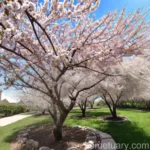
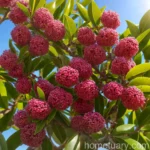
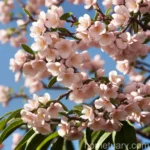
Bird cherry (Prunus padus ‘Colorata’) is a deciduous tree or shrub that belongs to the Rosaceae family. It is commonly referred to as the “European bird cherry” and is known for its graceful appearance, delicate blossoms, and colorful fruits. The ‘Colorata’ variety is especially prized for its deep purple foliage, making it a standout addition to any garden or landscape.
Key Takeaways – Bird Cherry (Prunus padus ‘Colorata’)
- Scientific Name: Prunus padus ‘Colorata’
- Common Names: Bird cherry, European bird cherry
- Type: Deciduous tree/shrub
- Foliage Color: Deep purple
- Flower Color: White
- Fruit Color: Dark purple to black
Culture
Understanding the cultural requirements of bird cherry (Prunus padus ‘Colorata’) is essential for its successful growth and development. Let’s delve into the specific cultural needs of this plant.
Water
Proper watering is crucial for the health of bird cherry plants, especially during their establishment phase. Once established, bird cherry is relatively drought-tolerant, but regular watering is still necessary during dry spells, particularly for young plants.
Sunlight
Bird cherry thrives in full sun to partial shade. Ensure that the plant receives at least six hours of direct sunlight each day for optimal growth and flowering.
Fertilizer
A balanced fertilizer can be applied in spring to support the growth and blooming of bird cherry. Use a slow-release fertilizer formulated for flowering shrubs or trees, and follow the manufacturer’s instructions for application rates.
Uses
The bird cherry (Prunus padus ‘Colorata’) has several practical and aesthetic uses, making it a versatile addition to gardens and landscapes.
- Ornamental: The deep purple foliage and white blossoms of ‘Colorata’ make it an eye-catching ornamental plant, suitable for adding color and interest to gardens and landscapes.
- Wildlife Habitat: The fruits of bird cherry attract birds, making it an excellent choice for wildlife gardens.
- Privacy Screen: When planted in multiples, bird cherry can serve as a natural privacy screen or hedge due to its thick foliage and upright growth habit.
Soil
Bird cherry (Prunus padus ‘Colorata’) thrives in well-draining, slightly acidic to neutral soil. Ensure that the planting site has good drainage to prevent waterlogging, which can be detrimental to the plant’s health.
Pruning
Pruning bird cherry is generally minimal, and it mainly involves removing any dead or damaged branches. Additionally, light pruning can be performed after the plant has finished flowering to maintain its shape and promote healthy growth.
Propagation
Bird cherry (Prunus padus ‘Colorata’) can be propagated through various methods, including seed propagation, softwood cuttings, and hardwood cuttings. Each method has its own requirements and considerations, and the success rate may vary.
- Seed Propagation: Bird cherry seeds can be collected from mature fruits and sown in a seed-starting mix during the fall.
- Cutting Propagation: Softwood cuttings can be taken in late spring or early summer, while hardwood cuttings are harvested in late autumn or winter.
Container Popularity
The versatility and compact size of bird cherry (Prunus padus ‘Colorata’) make it well-suited for container gardening. The deep purple foliage and attractive flowers can bring a touch of elegance to patios, decks, and small outdoor spaces.
Container Common Diseases
When grown in containers, bird cherry may be susceptible to certain diseases and issues, including root rot and fungal infections. Proper watering and soil drainage are crucial for preventing these problems.
Disease Diagnosis
Keeping a close eye on the plant for signs of disease, such as wilting, yellowing leaves, or unusual spots, is essential for early diagnosis and treatment. If disease symptoms are observed, prompt action, such as adjusting watering practices or applying appropriate fungicides, may be necessary.
Common Pests
While bird cherry (Prunus padus ‘Colorata’) is generally resistant to many pests, some potential invaders may include aphids, caterpillars, and scale insects. Regular inspection of the plant for pest infestations is vital for early detection and control.
Botanist’s Tips
Seasoned botanists and gardeners recommend the following tips for growing and caring for bird cherry (Prunus padus ‘Colorata’):
- Mulching: Apply a layer of organic mulch around the base of the plant to conserve moisture and suppress weed growth.
- Regular Inspections: Regularly inspect the plant for any signs of stress, disease, or pest activity, and take appropriate measures as needed.
Fun Facts
Before we conclude, here are some interesting and lesser-known facts about bird cherry (Prunus padus ‘Colorata’):
- The fruit of bird cherry is edible but is generally considered unpalatable when consumed raw. However, it can be used to make jams and jellies.
- In some cultures, bird cherry is associated with folklore and traditional medicinal uses.
Links to External Resources
To further enrich your knowledge about bird cherry (Prunus padus ‘Colorata’), consider exploring the following resources:
- Royal Horticultural Society – Prunus padus ‘Colorata’
- Missouri Botanical Garden – Prunus padus ‘Colorata’
- University of Florida IFAS Extension – Bird Cherry
In conclusion, bird cherry (Prunus padus ‘Colorata’) is a captivating plant that offers both aesthetic appeal and ecological benefits. By understanding its cultural needs, uses, and maintenance requirements, gardeners and enthusiasts can enjoy the beauty of this remarkable plant in their own outdoor spaces. Whether planted in gardens, landscapes, or containers, ‘Colorata’ bird cherry is sure to leave a lasting impression with its stunning foliage and charming blossoms.
Whether you’re a seasoned garden enthusiast or a newcomer to the world of plants, the bird cherry (Prunus padus ‘Colorata’) is a delightful addition to any outdoor setting, bringing a touch of elegance and natural beauty to your surroundings.