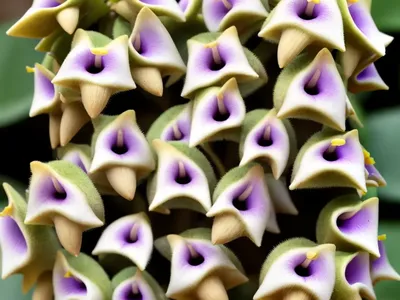
Balloon Cotton Bush (Gomphocarpus Physocarpus)
Balloon Cotton Bush, scientifically known as Gomphocarpus physocarpus, is a unique and attractive plant belonging to the milkweed family. This tropical.
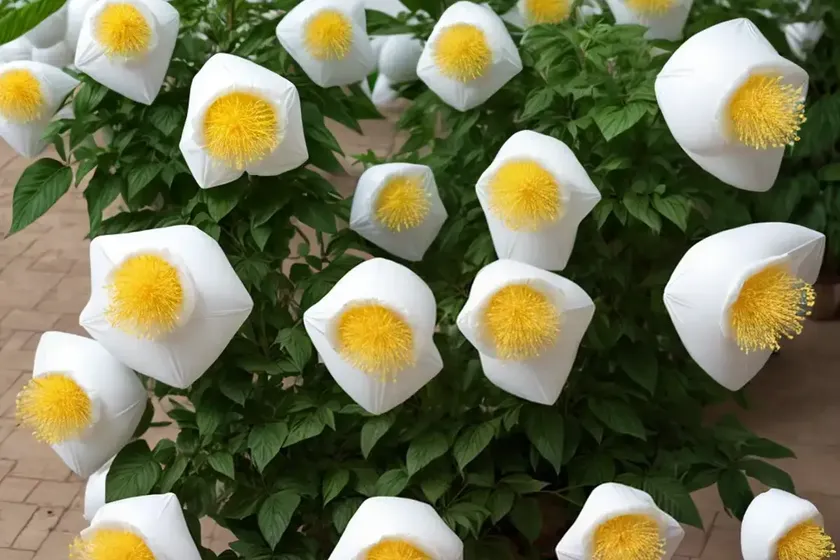
Balloon Cotton Bush, scientifically known as Gomphocarpus physocarpus, is a unique and attractive plant belonging to the milkweed family. This tropical milkweed is also commonly referred to as the balloon plant or swollen bladder milkweed, and it is recognized for its distinct features, such as showy flowers, attractive foliage, and exotic seed pods. The plant is popular for its ability to attract butterflies, specifically the Monarch butterfly, making it an essential component of wildlife conservation and pollinator habitats.
Balloon Cotton Bush is valued not only for its ornamental appeal but also for its key role in sustainable gardening, as it is a drought-tolerant, low-maintenance, and pest-resistant plant. This perennial species is native to specific regions and has unique climatic requirements, making it an interesting subject for plant enthusiasts and botanists. Moreover, Gomphocarpus physocarpus holds medicinal properties and is used in landscaping, making it an all-around plant with multiple benefits.
In this comprehensive guide, we will explore the culture, uses, care tips, and various aspects of Balloon Cotton Bush, empowering you to cultivate, appreciate, and make the most of this fascinating plant species in your botanical endeavors.
Culture
- Attractive foliage
- Unique leaf shape
- Drought-resistant plant
- Monarch butterfly host plant
- Exotic seed pods
- Sustainable gardening
- Wildlife conservation
- Eco-friendly gardening
Uses
- Medicinal plant
- Ornamental plant
- Pollinator-friendly plant
- Landscaping plant
- Wildlife habitat
- Pollinator habitat
- Sustainable gardening
- Attractive container plant
- Natural pest control
- Eco-friendly gardening
Water
- Drought-tolerant
- Moderate watering
- Water-soluble fertilizer
Sunlight
- Full sun to partial shade
- Requires sunlight for optimal growth
Fertilizer
- Balanced, water-soluble fertilizer
- Fertilize during the growing season
Soil
- Well-draining soil
- Tolerant of various soil types
Pruning
- Light pruning in early spring
- Removal of dead or damaged stems
Propagation
- Seed propagation
- Cuttings propagation
- Division
Container Popularity
- Attractive container plant
- Suitable for large pots
- Ideal for balconies and patios
Common Diseases
- Fungal diseases
- Powdery mildew
- Rust
- Leaf spot
Disease Diagnosis
- Inspection of foliage
- Symptoms of fungal diseases
- Examination of the seed pods
Common Pests
- Aphids
- Caterpillars
- Milkweed bugs
- Spider mites
Botanist’s Tips
- Plant in well-draining soil
- Provide support for taller specimens
- Regular monitoring for pests
Fun Facts
- Balloon Cotton Bush is an attractive host plant for Monarch butterflies
- The plant’s unique foliage and seed pods make it popular for cut flower arrangements
- It is a valuable addition to wildlife gardens and pollinator habitats
Links to External Resources
Now that we have gained an overview of Balloon Cotton Bush and its essential characteristics, let’s delve into each aspect in detail to understand the best practices for cultivating and caring for this remarkable plant.
Balloon Cotton Bush, also known as Gomphocarpus physocarpus, is an intriguing plant that captivates enthusiasts with its unique attributes and ecological relevance. The distinct features, cultural significance, and practical uses of this plant make it an interesting and valuable subject for botanical study and horticultural application.
In the subsequent sections, we will explore the diverse facets of Balloon Cotton Bush, encompassing its cultural requirements, practical uses, key care tips, management of diseases and pests, and noteworthy characteristics.
Gomphocarpus Physocarpus: Understanding the Plant Species
Historical and Botanical Significance
Gomphocarpus physocarpus, commonly referred to as Balloon Cotton Bush, belongs to the milkweed family and is recognized for its unique combination of ornamental appeal and ecological importance. This perennial plant is native to specific regions and has been cultivated and admired for its showy flowers, attractive foliage, and exotic seed pods.
Common Names
Balloon Cotton Bush is not only known by its scientific name, Gomphocarpus physocarpus, but it is also referred to by several common names, including:
– Balloon plant
– Swollen bladder milkweed
– Greenhouse plant
– Tropical milkweed
These names reflect the distinct characteristics and cultural preferences of the plant, highlighting its relevance in various horticultural and ecological contexts.
Ecological Significance
One of the most notable features of Balloon Cotton Bush is its significance as a host plant for butterflies, particularly the Monarch butterfly. The plant’s role in supporting wildlife habitats and contributing to the conservation of pollinators makes it a valuable component of sustainable gardening and ecosystem preservation efforts.
Distinctive Characteristics
Balloon Cotton Bush exhibits several distinctive characteristics that contribute to its appeal and functionality in diverse settings:
- Tall shrub: The plant can attain a significant height, making it suitable for landscaping and adding vertical interest to garden designs.
- Attractive seed pods: The unique appearance of the seed pods makes the plant desirable for ornamental and decorative purposes.
- Unique leaf shape: The foliage of the plant has a distinct shape, adding visual interest to garden landscapes and container arrangements.
- Showy flowers: The vibrant and showy flowers of Balloon Cotton Bush make it an attractive addition to gardens and naturalistic settings.
Balloon Cotton Bush: Culture Insights and Care Considerations
Understanding the cultural requirements of Balloon Cotton Bush is essential for successful cultivation and management of the plant. From water and sunlight needs to soil and fertilizer considerations, these insights will provide a comprehensive perspective on effectively nurturing Gomphocarpus physocarpus.
Water
Balloon Cotton Bush exhibits characteristics that make it a suitable choice for water-conscious gardening practices. Understanding its water requirements and implementing appropriate watering strategies are crucial for maintaining the health and vigor of the plant.
Drought-Tolerant Plant
One of the notable attributes of Balloon Cotton Bush is its ability to withstand periods of limited water availability. This makes it an ideal choice for landscapes and gardens characterized by arid or semi-arid conditions, where water conservation is a priority.
Moderate Watering
While Balloon Cotton Bush is resilient in the face of drought, it still benefits from regular, moderate watering to support its growth and flowering. Providing consistent moisture without waterlogging the soil is essential for optimal performance.
Water-Soluble Fertilizer
Incorporating a water-soluble fertilizer into the watering routine can provide essential nutrients to Balloon Cotton Bush, promoting healthy foliage, robust growth, and prolific flowering. Choosing a balanced fertilizer suitable for flowering plants is recommended for achieving optimal results.
Sunlight
The sunlight requirements of Balloon Cotton Bush play a significant role in determining its growth, flowering, and overall performance. Understanding its preferences for sunlight exposure enables gardeners to select suitable locations for cultivation.
Full Sun to Partial Shade
Balloon Cotton Bush thrives in locations that receive ample sunlight, preferably full sun to partial shade. Providing access to sunlight throughout the day or for a significant portion of the day is beneficial for maximizing the plant’s potential and floral display.
Requires Sunlight for Optimal Growth
The plant’s reliance on sunlight for photosynthesis and energy production underscores the importance of ensuring adequate exposure to sunlight. By positioning it in locations that receive the desired amount of sunlight, gardeners can create favorable conditions for the plant’s development.
Fertilizer
Implementing a balanced and targeted fertilization regimen is essential for supporting the growth, flowering, and overall vitality of Balloon Cotton Bush. Understanding the specific fertilizer needs of the plant enables gardeners to make informed decisions regarding its nutritional requirements.
Balanced, Water-Soluble Fertilizer
Selecting a balanced, water-soluble fertilizer formulated for flowering plants and following the recommended application rates can provide the necessary nutrients for Balloon Cotton Bush. Regular fertilization during the growing season can enhance the plant’s resilience and blooming capacity.
Fertilize During the Growing Season
Providing supplemental nutrients during the active growth phase of the plant, typically during the spring and summer months, can bolster its physiological processes and contribute to robust vegetative and reproductive growth.
Soil
The selection of suitable soil and establishment of appropriate soil conditions are pivotal for ensuring the well-being and prosperity of Balloon Cotton Bush. Understanding the soil preferences and requirements of the plant is imperative for successful cultivation.
Well-Draining Soil
Balloon Cotton Bush favors well-draining soil that allows excess moisture to escape, preventing waterlogging and potential root-related issues. Incorporating organic matter into the soil can improve its drainage properties and create an optimal growing medium for the plant.
Tolerant of Various Soil Types
The plant exhibits a degree of tolerance towards different soil types, encompassing sandy, loamy, and rocky soils. This adaptability broadens the range of suitable growing conditions for Balloon Cotton Bush, allowing it to thrive in diverse garden settings.
Pruning
Appropriate pruning practices are instrumental in shaping the growth habit, promoting healthy development, and rejuvenating Balloon Cotton Bush. Engaging in timely and targeted pruning activities contributes to the plant’s aesthetic appeal and structural integrity.
Light Pruning in Early Spring
Conducting light pruning sessions in the early spring period can help manage the size, shape, and density of Balloon Cotton Bush, facilitating a more balanced and visually pleasing appearance.
Removal of Dead or Damaged Stems
Eliminating dead or damaged stems through pruning not only enhances the plant’s overall health but also reduces the risk of disease and pest infestations. Regular inspection and proactive pruning support the vitality and longevity of the plant.
Propagation
Propagating Balloon Cotton Bush through various methods enables gardeners to expand their collection, share the plant with others, or rejuvenate existing specimens. Understanding the propagation techniques and requirements is beneficial for successful reproduction of the plant.
Seed Propagation
Sowing the seeds of Balloon Cotton Bush in well-prepared soil or seed-starting medium can initiate the germination process, leading to the establishment of new plants with genetic diversity and vitality.
Cuttings Propagation
Utilizing stem cuttings from healthy, mature plants provides an effective means of reproducing Balloon Cotton Bush. Implementing appropriate rooting hormone and environmental conditions can facilitate the development of rooted cuttings.
Division
Dividing established clumps of Balloon Cotton Bush is a viable propagation method, enabling gardeners to create multiple plants from a single source. This approach can be particularly useful for rejuvenating crowded or overgrown specimens.
Container Popularity
The versatility and visual appeal of Balloon Cotton Bush make it a popular choice for container gardening, where it can serve as a focal point or accent plant. Understanding its suitability for container cultivation empowers enthusiasts to explore creative and practical applications in various settings.
Attractive Container Plant
The ornamental value and unique features of Balloon Cotton Bush render it aesthetically pleasing in container arrangements, contributing to the visual diversity and vibrancy of outdoor spaces.
Suitable for Large Pots
The size and growth habit of Balloon Cotton Bush make it suitable for large containers, allowing ample space for root development and overall expansion. Selecting appropriately sized pots or containers is crucial for accommodating the plant’s requirements.
Ideal for Balconies and Patios
The compact nature of Balloon Cotton Bush, combined with its ornamental appeal and minimal care needs, makes it an ideal candidate for balcony and patio environments. Integrating the plant into container gardens enhances outdoor living spaces with natural beauty and ecological significance.
Common Diseases and Pest Management
Understanding the potential diseases and pests that can affect Balloon Cotton Bush is essential for implementing proactive management practices and maintaining the plant’s health. Here, we explore common issues and effective strategies for disease and pest control.
Common Diseases
Balloon Cotton Bush is susceptible to certain fungal diseases and foliar issues that can impact its overall vigor and appearance. Recognizing these common diseases and promptly addressing them is critical for mitigating their impact.
Fungal Diseases
Fungal diseases such as powdery mildew, rust, and leaf spot can affect the foliage and overall health of Balloon Cotton Bush, leading to aesthetic and physiological impairments. Monitoring for signs of fungal infections is essential for timely intervention.
Powdery Mildew
The presence of powdery mildew, characterized by a white, powdery coating on the leaves and stems, can compromise the plant’s photosynthetic capacity and reduce its ornamental appeal. Providing good air circulation and utilizing appropriate fungicidal treatments can help manage this condition.
Rust
Rust infections manifest as orange or reddish-brown spots on the foliage, potentially causing premature leaf drop and weakening the plant. Implementing proper sanitation, removing infected plant debris, and applying fungicidal sprays can aid in preventing and controlling rust.
Leaf Spot
Leaf spot diseases result in the formation of dark or discolored lesions on the leaves, potentially leading to defoliation and reduced vitality in Balloon Cotton Bush. Isolating affected plants and implementing fungicidal measures are essential for disease management.
Disease Diagnosis
Detecting and diagnosing potential diseases affecting Balloon Cotton Bush involves careful observation, symptom recognition, and knowledge of common pathogen-related issues. Employing systematic diagnostic practices facilitates efficient disease management.
Inspection of Foliage
Regularly inspecting the foliage for abnormal discoloration, lesions, or unusual growth patterns enables early detection of potential diseases, empowering gardeners to intervene before issues escalate.
Symptoms of Fungal Diseases
Recognizing the characteristic symptoms associated with common fungal diseases, such as powdery mildew, rust, or leaf spot, provides valuable insights into the specific nature of the infection and aids in implementing targeted control measures.
Examination of the Seed Pods
The seed pods of Balloon Cotton Bush can also exhibit signs of disease, necessitating careful examination and observation to identify potential issues and ensure the health of the reproductive structures.
Common Pests
Balloon Cotton Bush may attract various pests that can feed on its foliage, sap, or reproductive structures, potentially compromising its growth and ornamental value. Understanding common pests and their management is crucial for safeguarding the plant from detrimental infestations.
Aphids
Aphids are common pests that can infest the foliage and stems of Balloon Cotton Bush, leading to stunted growth and distortion of new growth. Implementing natural predators or targeted treatments can help control aphid populations.
Caterpillars
Caterpillars, including those of the Monarch butterfly, may feed on the leaves and tender parts of Balloon Cotton Bush. Balancing pest control measures with conservation efforts for beneficial species is important for maintaining ecological balance.
Milkweed Bugs
Specialized herbivores, such as milkweed bugs, can utilize Balloon Cotton Bush as a food source, necessitating thoughtful pest management strategies that preserve the plant’s ecological role while addressing potential damage.
Spider Mites
Spider mites can infest Balloon Cotton Bush, causing stippling and discoloration of the leaves, particularly in dry and warm conditions. Applying targeted miticides and optimizing environmental conditions can aid in controlling spider mite populations.
Botanist’s Tips for Cultivating Balloon Cotton Bush
Incorporating expert tips and best practices into the cultivation and care of Balloon Cotton Bush can elevate the success and satisfaction of growing this unique plant species. Here, we present valuable insights and recommendations from botanists and experienced gardeners to guide enthusiasts in their horticultural pursuits.
Plant in Well-Draining Soil
Ensuring that Balloon Cotton Bush is situated in well-draining soil minimizes the risk of root rot and water-related issues, promoting overall vigor and resilience.
Provide Support for Taller Specimens
As Balloon Cotton Bush can attain considerable height, offering physical support in the form of stakes or trellises helps maintain an upright growth habit and prevents lodging.
Regular Monitoring for Pests
Vigilant observation and monitoring for potential pest infestations enable early intervention and the implementation of targeted control measures, preserving the plant’s health and vitality.
Fun Facts about Balloon Cotton Bush
As a plant of ecological and ornamental importance, Balloon Cotton Bush boasts several intriguing and noteworthy attributes that contribute to its appeal and relevance. Here are some fun facts about this captivating plant:
– Balloon Cotton Bush is an attractive host plant for Monarch butterflies, playing a crucial role in supporting their life cycle and migratory patterns.
– The unique foliage and seed pods of Balloon Cotton Bush make it a sought-after element in cut flower arrangements and decorative displays, adding a touch of natural charm to indoor and outdoor settings.
– With its significance in supporting wildlife habitats and pollinator conservation efforts, Balloon Cotton Bush is a valuable addition to gardens and naturalistic landscapes, contributing to biodiversity and ecological balance.
Conclusion
Balloon Cotton Bush, or Gomphocarpus physocarpus, stands out as a remarkable plant species with a versatile range of uses, cultural significance, and ecological importance. From its role as a host plant for butterflies to its ornamental appeal and low-maintenance attributes, this tropical milkweed embodies a captivating blend of practical and aesthetic value.
By understanding the cultural requirements, uses, care tips, and distinctive features of Balloon Cotton Bush, enthusiasts and gardeners can cultivate, appreciate, and maximize the potential of this unique plant. Engaging in sustainable gardening practices, promoting wildlife conservation, and incorporating the plant into diverse settings highlight the multifaceted appeal and enduring relevance of Balloon Cotton Bush in horticulture and ecological stewardship.
By embracing the insights and recommendations presented in this comprehensive guide, plant enthusiasts and nature lovers can embark on a rewarding journey of exploring, cultivating, and celebrating the distinctive charm and ecological significance of Gomphocarpus physocarpus, the captivating Balloon Cotton Bush.
For further insights and information on supporting pollinators and creating wildlife-friendly habitats, explore the resources provided by organizations such as the Monarch Joint Venture, the National Wildlife Federation, and the Xerces Society.
Incorporate the beauty and ecological significance of Balloon Cotton Bush into your botanical endeavors, and celebrate its role in sustaining biodiversity and natural splendor in your outdoor spaces.
References:
– Monarch Joint Venture. Monarch Joint Venture. Retrieved from https://monarchjointventure.org/
– National Wildlife Federation. National Wildlife Federation. Retrieved from https://www.nwf.org/
– Xerces Society. Xerces Society. Retrieved from https://xerces.org/