Convolvulus Sabatius (Bindweed)
Convolvulus sabatius, commonly known as bindweed, is a beautiful and versatile plant that can be an excellent addition to any garden or landscape. With its.
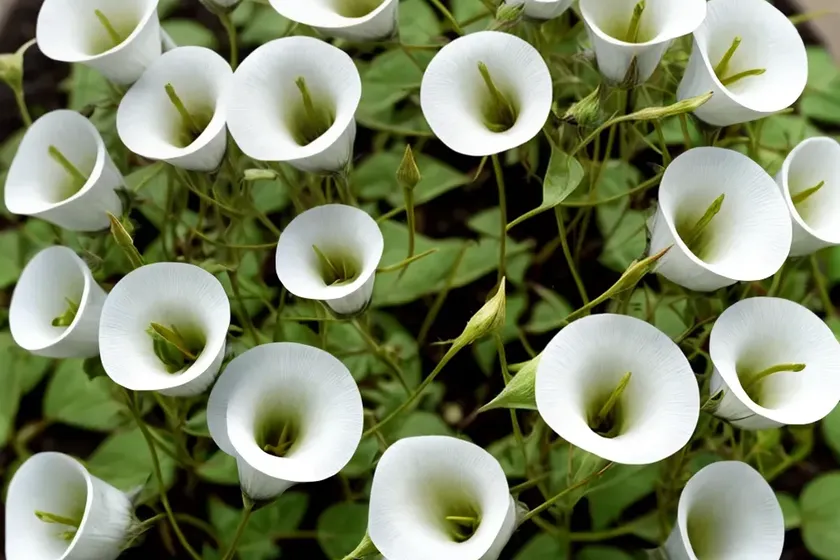
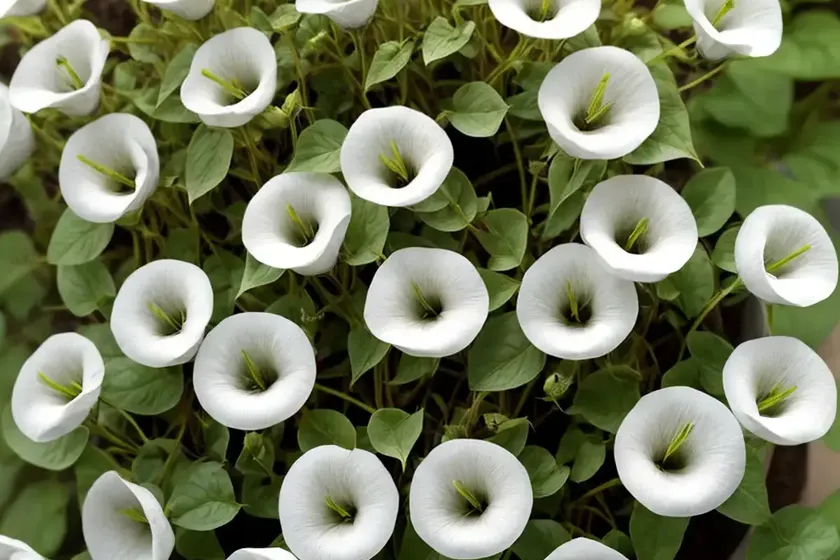
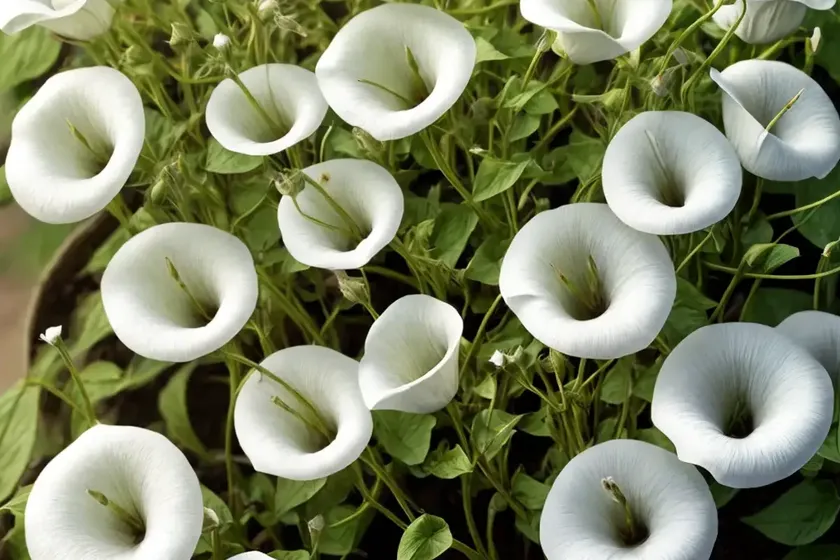
Convolvulus sabatius, commonly known as bindweed, is a beautiful and versatile plant that can be an excellent addition to any garden or landscape. With its delicate, blue-violet flowers and trailing habit, it creates a stunning ground cover and adds a touch of elegance to any outdoor space. In this comprehensive guide, we will explore the characteristics of Convolvulus sabatius, its cultivation, maintenance, uses, and much more. Whether you are a seasoned gardener or a beginner looking to enhance your green space, this article will provide you with essential insights into caring for this charming plant.
What is Convolvulus Sabatius (Bindweed)?
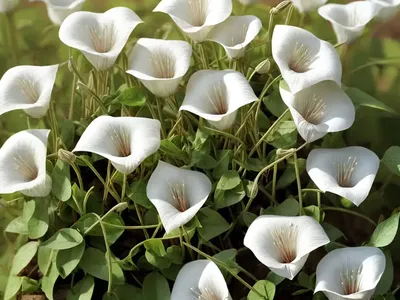
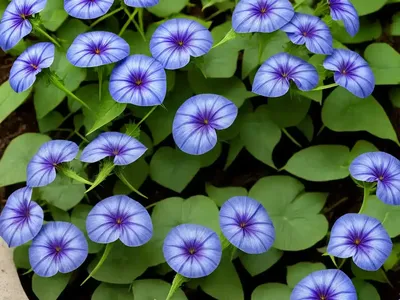
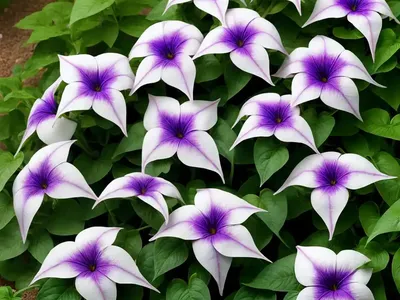
Convolvulus sabatius is a species of flowering plants in the family Convolvulaceae, native to North Africa. It is a low-growing, herbaceous perennial with a trailing or sprawling growth habit. The plant is characterized by its attractive, funnel-shaped flowers that bloom in a range of mesmerizing blue-violet hues. The leaves are typically small, narrow, and silver-green, providing a striking contrast to the vibrant blossoms.
Key Takeaways – Convolvulus Sabatius (Bindweed)
Before diving into the specifics of caring for Convolvulus sabatius, let’s highlight the key takeaways about this enchanting plant.
- Convolvulus Sabatius Characteristics: Delicate, blue-violet flowers, trailing or sprawling growth habit, silver-green narrow leaves.
- Bindweed Plant Care: Requires well-drained soil, moderate watering, and full sun to partial shade.
- Growing Convolvulus Sabatius: Thrives in Mediterranean climates, hardy in USDA Hardiness Zones 8-11.
- Bindweed Plant Varieties: Various cultivars available with different flower colors and sizes.
- How to Propagate Convolvulus Sabatius: Can be propagated through stem cuttings or division.
- Convolvulus Sabatius Gardening Tips: Regular deadheading encourages continuous blooming.
- Bindweed Plant Maintenance: Pruning after flowering promotes bushier growth and prolongs the blooming period.
- Best Soil for Convolvulus Sabatius: Well-draining, moderately fertile soil with a slightly acidic to neutral pH.
- Convolvulus Sabatius Planting Guide: Plant outdoors after the last frost, spacing them 12-18 inches apart.
- Bindweed Plant Diseases: Susceptible to certain fungal diseases like powdery mildew in humid conditions.
This article will further dissect these key takeaways and provide detailed insights into each aspect of caring for Convolvulus sabatius.
Culture
Understanding the cultural requirements of Convolvulus sabatius is vital for its successful cultivation. This section will cover the various aspects of the plant’s cultural needs, including water, sunlight, fertilizer, soil, and pruning.
Uses
Before delving into the details of proper care, it’s essential to understand the many uses of Convolvulus sabatius. This charming plant serves various purposes in gardening and landscaping. Its primary uses include:
- Ground Cover: Convolvulus sabatius is often used as a ground cover due to its trailing habit and dense foliage.
- Rock Gardens: Well-suited for rock gardens or cascading over retaining walls, adding a touch of color and softness to the landscape.
- Container Planting: Its trailing nature makes it an excellent choice for containers, hanging baskets, or window boxes.
- Attracting Pollinators: The nectar-rich flowers attract bees, butterflies, and other beneficial pollinators.
- Erosion Control: Planted on sloping ground, it helps prevent soil erosion with its spreading growth habit and root system.
Now, let’s explore the specific cultural requirements for successfully growing Convolvulus sabatius.
Water
Proper watering is crucial for the health and vitality of Convolvulus sabatius. While it is essential to provide adequate moisture, overwatering can lead to root rot and other problems. Here are some essential tips for watering Convolvulus sabatius:
- Moderate Watering: Convolvulus sabatius prefers moderate watering, allowing the soil to dry slightly between watering sessions.
- Avoid Overwatering: Ensure proper drainage to prevent waterlogging, especially in heavy clay soils.
- Established Plants: Once established, the plant exhibits some drought tolerance. However, regular watering during dry spells is beneficial.
Sunlight
Sunlight plays a significant role in the growth and flowering of Convolvulus sabatius. Understanding its sunlight requirements is essential for ensuring optimal performance.
- Full Sun to Partial Shade: Convolvulus sabatius thrives in full sun, but it can also tolerate partial shade, especially in hot climates.
- Morning Sun: In regions with intense afternoon sun, providing some shade during the hottest part of the day is beneficial.
- Indoor Cultivation: When grown indoors, place the plant in a location that receives plenty of bright, indirect sunlight.
Fertilizer
Fertilization is an essential aspect of plant care, providing the necessary nutrients for healthy growth and prolific flowering. When it comes to feeding Convolvulus sabatius, here are some key points to consider:
- Moderate Fertilization: Use a balanced, all-purpose fertilizer during the growing season to promote robust growth and abundant flowering.
- Frequency: Feed the plant every 4-6 weeks during the active growing period, following the manufacturer’s recommended dosage.
- Avoid Overfeeding: Refrain from over-fertilizing, as excessive nutrients can lead to lush foliage at the expense of flowers.
Soil
The soil composition directly influences the overall health and performance of Convolvulus sabatius. Understanding the ideal soil conditions for this plant is essential for successful cultivation.
- Well-Draining Soil: Convolvulus sabatius thrives in well-draining soil, as it dislikes waterlogged conditions.
- Soil pH: The ideal soil pH for this plant is slightly acidic to neutral, ranging from 6.0 to 7.0.
- Soil Amendments: Incorporating organic matter, such as compost or well-rotted manure, can improve soil structure and fertility.
Pruning
Pruning plays a vital role in the maintenance and aesthetic appearance of Convolvulus sabatius. Proper pruning techniques can help promote bushier growth, prolong the blooming period, and eliminate any leggy or unkempt growth.
- Deadheading: Regular deadheading of faded flowers promotes continuous blooming, prevents self-seeding, and keeps the plant looking tidy.
- Post-Blooming Pruning: After the main flowering period, a light pruning can help maintain a compact, bushy shape and encourage new growth.
- Renewal Pruning: Every few years, consider a more extensive renewal pruning to rejuvenate older plants and stimulate fresh growth.
Propagation
One of the joys of gardening is propagating and sharing plants with others. Convolvulus sabatius can be easily propagated through stem cuttings or division, allowing you to expand your collection or gift this charming plant to fellow gardening enthusiasts.
Stem Cuttings
- Selecting Cuttings: Take 4-6 inch tip cuttings from healthy, non-flowering stems during the growing season.
- Removing Leaves: Remove the lower leaves from the cuttings, leaving only a few leaves at the top.
- Rooting Medium: Plant the cuttings in a well-draining rooting medium, such as perlite or a mix of peat and sand.
- Rooting Hormone: Optionally, dip the cut ends in a rooting hormone to encourage root development.
- Maintaining Moisture: Keep the cuttings consistently moist while roots develop, and provide bottom heat for faster rooting.
Division
- Plant Establishment: After a few years, lift and divide mature Convolvulus sabatius plants to propagate new specimens.
- Gentle Separation: Carefully divide the root ball into smaller sections, ensuring each division has healthy roots and shoots.
- Replanting: Plant the divisions in prepared soil, water them thoroughly, and provide appropriate post-planting care.
Container Popularity
Convolvulus sabatius is a popular choice for container planting, adding a touch of elegance to patios, balconies, and other outdoor spaces. Its trailing habit and continuous blooming make it an excellent option for container gardening enthusiasts.
Container Size
- Compact Varieties: Select compact or trailing varieties of Convolvulus sabatius for container cultivation, as they are better suited to confined spaces.
- Proper Drainage: Ensure that containers have adequate drainage holes to prevent waterlogging, which can be detrimental to the plant.
- Soil and Fertilization: Choose a well-draining potting mix and provide regular feeding during the growing season to support healthy growth and flowering.
Common Diseases
Like all plants, Convolvulus sabatius is susceptible to certain diseases, particularly in conditions of high humidity or poor air circulation. Understanding common diseases and their diagnosis is crucial for implementing effective control measures.
Disease Diagnosis
Powdery Mildew
- Symptoms: Powdery, white fungal growth on the leaves and stems, often accompanied by yellowing or distortion of affected plant parts.
- Causes: High humidity, poor air circulation, and crowded plantings contribute to powdery mildew development.
- Control: Improve air circulation, avoid overhead watering, and apply fungicidal treatments if the condition persists.
Root Rot
- Symptoms: Wilting, yellowing, and stunted growth, often accompanied by a foul odor or dark, mushy roots.
- Causes: Overwatering and waterlogged soil create favorable conditions for root rot pathogens.
- Control: Allow the soil to dry out between watering sessions, and consider repotting in well-draining soil if the condition persists.
Botrytis Blight
- Symptoms: Gray mold on flowers, buds, or foliage, often in conjunction with water-soaked lesions.
- Causes: Prolonged periods of high humidity and damp conditions favor the development of botrytis blight.
- Control: Remove and dispose of affected plant parts, improve air circulation, and avoid overhead watering.
Common Pests
In addition to diseases, Convolvulus sabatius may also face challenges from various pests. Identifying these pests and understanding their control measures is essential for maintaining the plant’s health and vigor.
Aphids
- Identification: Small, soft-bodied insects found on the undersides of leaves, often in colonies.
- Damage: Aphids suck plant sap, leading to distorted growth, yellowing leaves, and the development of sooty mold.
- Control: Use insecticidal soap, neem oil, or a strong stream of water to dislodge and control aphid populations.
Spider Mites
- Identification: Tiny mites that create fine webbing on the undersides of leaves and cause stippled or discolored foliage.
- Damage: Spider mites pierce plant cells to feed, resulting in reduced photosynthesis and overall decline.
- Control: Mitigate dusty conditions, increase humidity, and apply horticultural oils or insecticidal soaps to manage spider mite infestations.
Botanist’s Tips
In addition to the essential care guidelines detailed above, here are some valuable tips to ensure the success and vitality of Convolvulus sabatius in your garden or landscape:
- Air Circulation: Provide adequate spacing between plants to promote good air circulation and reduce the risk of fungal diseases.
- Mulching: Apply a layer of mulch around the base of the plants to conserve moisture, suppress weeds, and regulate soil temperature.
- Companion Planting: Pair Convolvulus sabatius with drought-tolerant, sun-loving companions like lavender, veronica, or sedum for a harmonious display.
- Wildlife Habitat: The nectar-rich flowers of Convolvulus sabatius attract beneficial pollinators, making it an excellent choice for wildlife-friendly gardens.
Fun Facts
Now that we have explored the practical aspects of caring for Convolvulus sabatius, let’s uncover some interesting and delightful facts about this captivating plant:
- The genus name “Convolvulus” is derived from the Latin word “convolvere,” which means, “to wind or to twist,” alluding to the plant’s twining or trailing habit.
- Convolvulus sabatius is not related to the problematic weed known as bindweed (Calystegia sepium) and should not be confused with it.
- The enchanting blue-violet flowers of Convolvulus sabatius make it a striking choice for moon gardens or twilight landscapes, where they can glow in the evening light.
Links to External Resources
For further in-depth information, resources, and sources related to Convolvulus sabatius, consider exploring the following links:
- Royal Horticultural Society (RHS) – Convolvulus sabatius
- University of California Agriculture and Natural Resources – Integrated Pest Management
- American Society for the Prevention of Cruelty to Animals (ASPCA) – Plant Database
- Missouri Botanical Garden – Plant Finder
With this comprehensive guide, you are equipped with the knowledge and insights needed to nurture and appreciate the beauty of Convolvulus sabatius in your garden or landscape. Whether you are seeking to create a lush ground cover, add visual interest to containers, or attract pollinators to your outdoor space, this delightful plant offers a range of possibilities. Embrace the charm and allure of Convolvulus sabatius as you cultivate and enjoy its captivating presence amidst the green tapestry of your garden.