Dragon Fruit Cactus (Hylocereus undatus) – A Comprehensive Guide
What is the Dragon Fruit Cactus (Hylocereus undatus)?
The Dragon Fruit Cactus, scientifically known as Hylocereus undatus, is a unique and exotic cactus species that is widely cultivated for its delicious and visually stunning fruit. Also known as pitaya or pitahaya, the fruit of the Dragon Fruit Cactus is highly prized for its vibrant colors, refreshing taste, and nutritional benefits. This plant is native to Central America but is now cultivated in various parts of the world due to its increasing popularity.

Key Takeaways – Dragon Fruit Cactus (Hylocereus undatus)
Let’s take a closer look at the key aspects of understanding, cultivating, and caring for the Dragon Fruit Cactus.
Culture
- Native to Central America
- Cultivated in tropical and subtropical regions around the world
Uses
- Edible fruit with a unique appearance and nutritional benefits
- Ornamental plant for gardens and landscapes
Water
- Moderate watering during the growing season
- Reduced watering during the dormant period
- Well-draining soil to prevent waterlogging
Sunlight
- Full to partial sunlight exposure
- Protection from intense afternoon sun in hotter regions
Fertilizer
- Balanced fertilizer with slightly higher phosphorus content
- Diluted application every 4-6 weeks during the growing season
Soil
- Well-draining, sandy or loamy soil
- Slightly acidic to neutral pH levels
- Organic matter for improved soil structure
Pruning
- Removal of damaged or diseased sections
- Regular trimming to control excessive growth
- Pruning to improve air circulation and fruit production
Propagation
- Stem cuttings for vegetative propagation
- Seeds for growing new varieties
- Grafting for specific cultivars
Container Popularity
- Increasing trend of growing in containers
- Suitable for small gardens, balconies, and indoor spaces
Common Diseases
- Anthracnose
- Stem rot
- Root rot
- Powdery mildew
Disease Diagnosis
- Visual assessment of symptoms
- Laboratory tests for confirmation
Common Pests
- Aphids
- Spider mites
- Mealybugs
- Scale insects
Botanist’s Tips
- Selecting well-draining soil is crucial for the plant’s health
- Regular monitoring for pests and diseases is essential
- Adequate support for climbing or sprawling growth
- Protecting from frost and extreme temperatures
Fun Facts
- The unusual appearance of the fruit has led to its nickname “strawberry pear”
- The flowers of the Dragon Fruit Cactus bloom only at night
- The fruit comes in several varieties with different colored flesh, including white, red, and purple
Links to External Resources
For more detailed information on the Dragon Fruit Cactus, here are some external resources that you may find helpful:
- Dragon Fruit Plant Care Guide – Gardening Know How
- Growing Dragon Fruit – University of Florida IFAS Extension
- Hylocereus undatus Production Guide – Department of Primary Industries and Regional Development, Western Australia
- Dragon Fruit Diseases and Disorders – Department of Agriculture and Fisheries, Queensland
- Pest Management in Dragon Fruit – College of Tropical Agriculture and Human Resources, University of Hawaii at Manoa
In this comprehensive guide, we will delve into the intriguing world of the Dragon Fruit Cactus (Hylocereus undatus), exploring its cultivation, care, and the captivating characteristics that make it a favorite among plant enthusiasts and health-conscious consumers.
Plant Name: “Dragon Fruit Cactus (Hylocereus undatus)”
Dragon Fruit Plant
The Dragon Fruit Cactus, also known as the night-blooming cereus, is a stunningly unique fruit-bearing cactus that belongs to the genus Hylocereus. One of the most popular species within this genus is Hylocereus undatus, which is widely cultivated for its vibrant, sweet-tasting fruit. Here, we will explore the various aspects of understanding and cultivating this extraordinary plant, providing valuable insights into its care and maintenance.
Hylocereus undatus
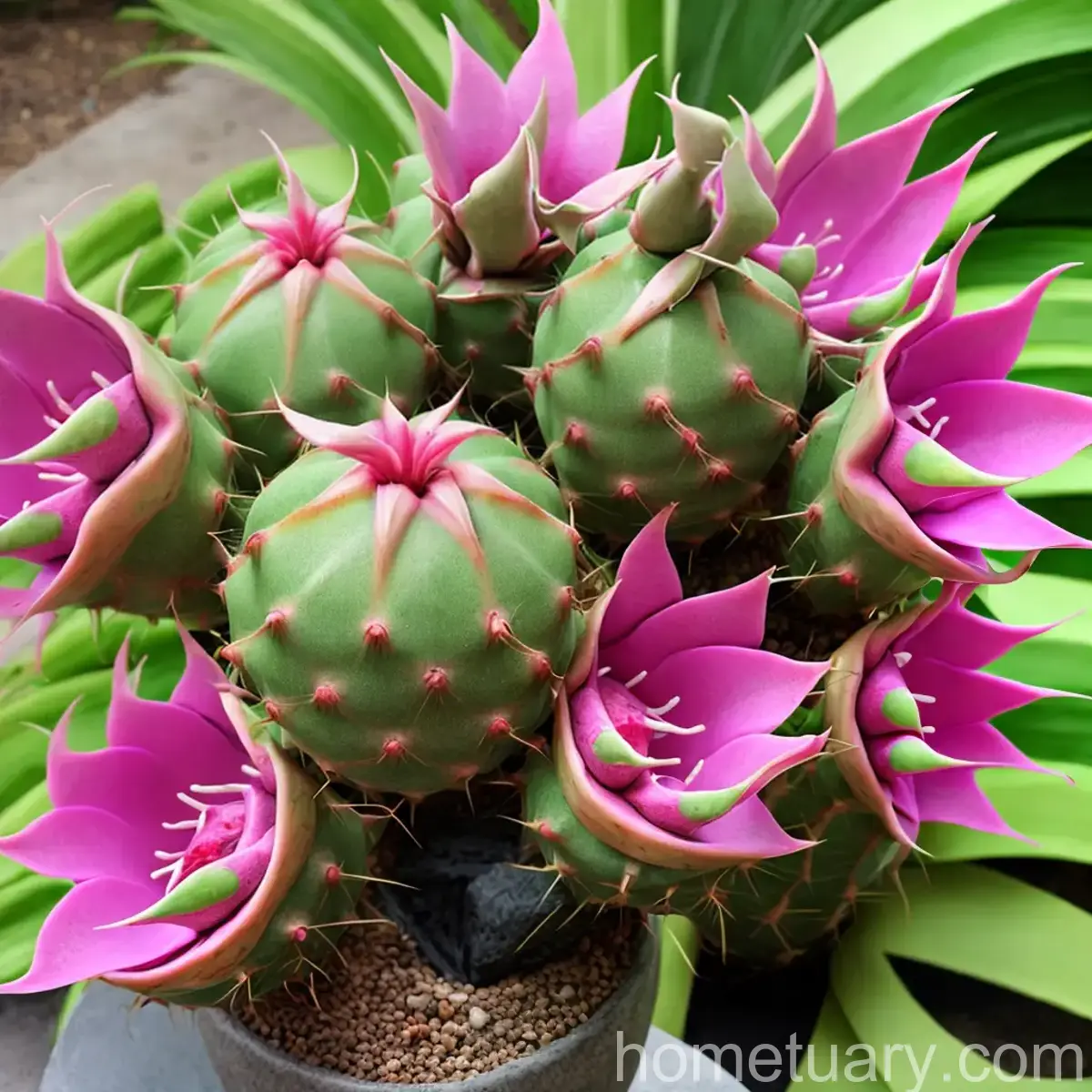
Hylocereus undatus, commonly known as the white-fleshed pitahaya or dragon fruit, is a tropical and subtropical cactus species that originates from Central America. Its striking appearance, with vibrant green, sprawling stems and large, white, fragrant flowers that bloom only at night, adds to its allure. The fruit produced by Hylocereus undatus is known for its brightly colored, scaly exterior and sweet, juicy flesh speckled with small, crunchy seeds. Its nutritional value and unique sensory appeal have contributed to its increasing global popularity.
Dragon Fruit Cactus Care
Caring for the Dragon Fruit Cactus involves understanding its specific requirements regarding water, sunlight, soil, and maintenance practices. By ensuring that these needs are met, cultivators can expect healthy growth and a bountiful harvest of delectable fruits.
Dragon Fruit Cultivation
Cultivating the Dragon Fruit Cactus is an exciting venture, especially for those interested in unique and exotic plants. Whether grown in a garden, on a balcony, or in a greenhouse, the cultivation process involves providing the ideal environmental conditions for the plant to thrive. From planting to harvest, careful attention to the plant’s needs contributes to successful cultivation and abundant fruit production.
How to Grow Dragon Fruit
Growing dragon fruit involves selecting appropriate planting locations, understanding the growth habits of the plant, and implementing suitable cultivation techniques. By adhering to best practices and providing optimal growing conditions, individuals can experience the satisfaction of nurturing this captivating plant from seedling to fruit-bearing maturity.
Dragon Fruit Varieties
The Dragon Fruit Cactus is available in various cultivars, each exhibiting unique characteristics such as fruit color, size, and flavor. Exploring different varieties allows enthusiasts to appreciate the diversity within the species and potentially identify the most suitable cultivar for their specific growing conditions and preferences.
Dragon Fruit Plant Care Tips
Providing essential care for the Dragon Fruit Cactus involves a combination of watering, feeding, pruning, and protection from pests and diseases. By incorporating valuable care tips into the plant maintenance routine, cultivators can optimize the health and productivity of their dragon fruit plants.
Dragon Fruit Growing Guide
An in-depth growing guide for the Dragon Fruit Cactus encompasses all aspects of plant care and maintenance, from initial planting and establishment to ongoing feeding, watering, and disease management. A comprehensive guide serves as a valuable resource for both novice and experienced cultivators seeking to enhance their understanding of this fascinating plant.
Hylocereus undatus Cultivation
Understanding the specific requirements for cultivating Hylocereus undatus is essential for achieving successful growth and fruit production. By tailoring the cultivation approach to the unique needs of this species, enthusiasts can optimize the plant’s performance and enjoy a rewarding harvest of luscious dragon fruit.
Caring for Dragon Fruit Cactus
The care regimen for the Dragon Fruit Cactus encompasses various aspects, including watering, sunlight exposure, soil composition, and nutrient supplementation. Implementing a well-rounded care routine ensures that the plant receives the necessary resources for robust growth and abundant fruiting.
Dragon Fruit Propagation
Propagating dragon fruit involves utilizing different methods to create new plants, whether for expanding a collection, sharing with others, or commercial production purposes. Understanding the propagation techniques allows enthusiasts to propagate their favorite dragon fruit cultivars successfully.
Dragon Fruit Farming
Commercial farming of dragon fruit involves large-scale cultivation for the purpose of supplying the market with fresh fruit. Adopting efficient farming practices, such as proper pest and disease management, plays a vital role in ensuring the sustained productivity and profitability of dragon fruit farms.
Dragon Fruit Plant Diseases
Like all plants, the Dragon Fruit Cactus is susceptible to certain diseases that can compromise its health and productivity. Identifying these diseases and implementing appropriate preventive or remedial measures contributes to the overall well-being of the plants.
Dragon Fruit Plant Pests
Pest infestations can pose a significant threat to the Dragon Fruit Cactus, potentially affecting both plant vitality and fruit quality. Recognizing common pests and implementing effective control strategies is crucial for safeguarding the plants from pest-related damage.
Dragon Fruit Pruning
Pruning the Dragon Fruit Cactus is an important aspect of plant care, involving the selective removal of certain parts to maintain plant health, enhance fruit production, and manage overall growth. By understanding the principles of pruning, cultivators can harness its benefits for the betterment of their dragon fruit plants.
Dragon Fruit Flower
The striking, night-blooming flowers of the Dragon Fruit Cactus are a celebratory sight, greeting night-time pollinators with their mesmerizing appearance and sweet fragrance. Understanding the unique characteristics of these flowers adds to the appreciation of the plant’s natural beauty.
Dragon Fruit Harvesting
The process of harvesting dragon fruit involves timing the harvest for optimal ripeness, delicately removing the fruit from the plant, and post-harvest handling procedures. By adhering to proper harvesting techniques, cultivators can ensure that the fruit reaches consumers in its best condition.
Dragon Fruit Nutrition
The nutritional profile of dragon fruit highlights its value as a healthful and flavorful dietary component, rich in essential vitamins, minerals, and dietary fiber. Understanding its nutritional content enhances its appeal as a wholesome and delectable fruit option.
Dragon Fruit Benefits
Consuming dragon fruit offers a range of health benefits, including antioxidant support, hydration, and digestive health promotion. Awareness of its potential benefits underscores its value as a nutritious addition to a balanced diet.
Dragon Fruit Recipes
The culinary versatility of dragon fruit extends to a variety of recipes, spanning smoothies, salads, desserts, and more. Embracing the use of dragon fruit in cooking opens up a world of creative and delicious culinary possibilities.
Dragon Fruit Health Benefits
The health benefits associated with consuming dragon fruit encompass its contributions to skin health, cardiovascular wellness, and immunity. Recognizing these benefits enhances the fruit’s appeal as an integral part of a health-conscious lifestyle.
Dragon Fruit Medicinal Properties
Traditional medicinal uses of dragon fruit encompass its potential application in addressing certain health concerns, ranging from minor ailments to more complex conditions. Exploring its medicinal properties contributes to a well-rounded understanding of the plant’s cultural significance and practical utility.
Dragon Fruit Smoothie
Incorporating dragon fruit into smoothie recipes provides a refreshing and nutritious beverage option, ideal for enjoying as a snack or a post-workout replenishment. The vibrant color and mild, sweet flavor of dragon fruit elevate the appeal of smoothies.
Dragon Fruit Uses
The diverse uses of dragon fruit extend beyond conventional consumption, encompassing applications in skincare, natural dye production, and ornamental displays. Recognizing its versatility broadens the appreciation for this remarkable plant.
Dragon Fruit Plant Support
Providing adequate support for the climbing or sprawling growth of the Dragon Fruit Cactus is essential for ensuring plant stability and healthy development. Implementing appropriate support structures maintains the integrity of the plant and facilitates fruit production.
Dragon Fruit Trellis
Utilizing trellises as a support system for dragon fruit plants offers a practical solution for organizing and training the plant’s growth. The selection and installation of trellises contribute to effective plant management.
Dragon Fruit Trellising Techniques
Optimizing trellising techniques for dragon fruit entails understanding the plant’s growth habits and tailoring the trellising approach to promote orderly and productive growth. A well-executed trellising strategy allows for efficient plant management and fruit accessibility.
Dragon Fruit Plant Propagation Methods
Various methods are available for propagating dragon fruit plants, each offering unique advantages and considerations. By familiarizing themselves with these propagation methods, enthusiasts can expand their collection of dragon fruit plants with confidence.
Dragon Fruit Plant Growing Conditions
Creating suitable growing conditions for the Dragon Fruit Cactus involves addressing its specific requirements related to temperature, humidity, and light exposure. By carefully managing these conditions, cultivators can create an environment conducive to the plant’s vigorous growth and fruiting.
Dragon Fruit Plant Soil Requirements
The soil requirements of the Dragon Fruit Cactus revolve around the need for well-draining, nutrient-rich soil that promotes healthy root development and overall plant vitality. Understanding and implementing suitable soil practices are essential for the long-term success of dragon fruit cultivation.
Dragon Fruit Plant Watering Schedule
Defining an appropriate watering schedule for the Dragon Fruit Cactus involves aligning water applications with the plant’s growth stages and environmental conditions. Consistency and moderation in watering practices contribute to the plant’s well-being.
Dragon Fruit Plant Sunlight Requirements
Meeting the sunlight requirements of the Dragon Fruit Cactus involves providing adequate exposure to natural light while considering protection from intense midday sun and extreme temperatures. Balancing sunlight exposure supports healthy plant growth and fruit production.
Dragon Fruit Plant Temperature Tolerance
Understanding the temperature tolerance of the Dragon Fruit Cactus guides the selection of suitable growing locations and protective measures during periods of temperature extremes. Managing temperature fluctuations reinforces the resilience of the plant.
Dragon Fruit Plant Pollination
Pollination is a critical aspect of fruit production for the Dragon Fruit Cactus, involving either natural pollinators or manual intervention to ensure successful fruit set. Nurturing an environment conducive to effective pollination contributes to the plant’s reproductive success.
Dragon Fruit Plant Cross-Pollination
Cross-pollination of dragon fruit plants facilitates the exchange of genetic material, potentially yielding novel fruit varieties with distinct traits and characteristics. Embracing cross-pollination broadens the scope of dragon fruit cultivation and diversity.
Dragon Fruit Plant Self-Pollination
Some dragon fruit varieties exhibit the ability for self-pollination, allowing for fruit set without the need for external pollinators. Understanding the nuances of self-pollination expands the opportunities for successful fruit production.
Organic Dragon Fruit Farming
The adoption of organic farming practices for dragon fruit cultivation aligns with the growing demand for sustainably produced, chemical-free agricultural products. Embracing organic farming principles benefits both the environment and consumer preferences.
Dragon Fruit Nutritional Value
The nutritional value of dragon fruit encompasses its rich content of essential vitamins, minerals, and dietary fiber, contributing to its recognition as a valuable component of a health-conscious diet. Awareness of its nutritional value elevates its appeal as a wholesome dietary choice.
Dragon Fruit Gardening Tips
Incorporating dragon fruit into home gardening endeavors involves addressing specific considerations related to plant care, cultivation techniques, and potential uses of the harvested fruits. Embracing helpful gardening tips contributes to a rewarding and successful cultivation experience.
Benefits of Growing Dragon Fruit
The benefits of growing dragon fruit extend beyond the harvest of delicious fruit, encompassing the joy of nurturing a fascinating and visually striking plant, enhancing outdoor landscapes, and potentially sharing the fruits with family and friends. Recognizing these benefits adds to the overall appeal of dragon fruit cultivation.
Dragon Fruit Plant Pest Control
Effective pest control measures are essential for safeguarding dragon fruit plants from damaging infestations, ensuring the sustained health and productivity of the plants. Implementing appropriate pest control strategies mitigates the risks posed by common pests.
Dragon Fruit Plant Diseases Prevention
Preventing diseases in dragon fruit plants involves implementing a proactive approach that encompasses sanitation, cultural practices, and early detection and management of potential disease issues. Prioritizing disease prevention contributes to the overall vitality of the plants.
Common Problems with Dragon Fruit Plants
Understanding and addressing common problems that may affect dragon fruit plants, such as root rot, sunburn, and yellowing leaves, is crucial for maintaining plant health and optimizing fruit production. Proactive problem-solving preserves the well-being of the plants.
Dragon Fruit Plant Root Rot
Root rot is a significant concern for dragon fruit plants, particularly in poorly drained or overly moist soil conditions. Identifying and addressing root rot issues is essential for preventing long-term damage to the plants.
Dragon Fruit Plant Sunburn
Sunburn can affect dragon fruit plants, particularly in regions with intense sunlight, causing damage to the exposed plant surfaces. Implementing sunburn prevention strategies safeguards the plants from potential sun-related injury.
Dragon Fruit Plant Yellowing Leaves
Yellowing leaves in dragon fruit plants can signal underlying nutrient deficiencies, water stress, or pest and disease issues that require prompt attention. Addressing yellowing leaves aids in maintaining the overall health and appearance of the plants.
Dragon Fruit Plant Frost Protection
Protecting dragon fruit plants from frost and extreme temperatures is critical for preserving plant vitality and preventing cold-related damage. Incorporating frost protection measures safeguards the plants during adverse weather conditions.
Common Dragon Fruit Plant Varieties
The diversity of dragon fruit cultivars offers enthusiasts a wide range of options in terms of fruit color, size, flavor, and overall plant characteristics. Exploring common dragon fruit varieties enriches the cultivation experience and offers potential insights into unique growing traits.
Dragon Fruit Plant Flowering Season
Understanding the natural flowering season of dragon fruit plants facilitates the prediction and management of fruit production, ensuring that optimal conditions are in place to support successful pollination and fruit development.
Different Stages of Dragon Fruit Plant Growth
The various stages of dragon fruit plant growth, from planting and establishment to vegetative growth, flowering, and fruiting, offer valuable insights into its developmental process. Observing the stages of growth enhances understanding and appreciation of the plant’s life cycle.
Conclusion
In this comprehensive guide, we have explored the captivating world of the Dragon Fruit Cactus (Hylocereus undatus), shedding light on its unique characteristics, cultivation, care, and diverse applications. Whether you are a seasoned horticulturist, an adventurous home gardener, or simply someone with an appreciation for exceptional plants, the Dragon Fruit Cactus offers a rewarding and visually spectacular addition to any collection or landscape. By embracing the knowledge and insights shared in this guide, you are well-equipped to embark on a journey of discovery and cultivation with the remarkable Dragon Fruit Cactus.