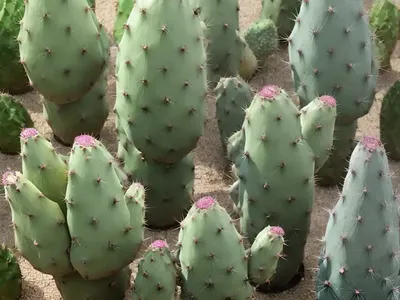
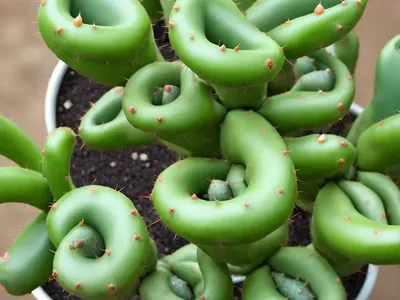
Opuntia Macrocentra (Black-Spine Prickly Pear)
Opuntia macrocentra, commonly known as the Black-Spine Prickly Pear, is a unique and captivating succulent plant that belongs to the cactus family.
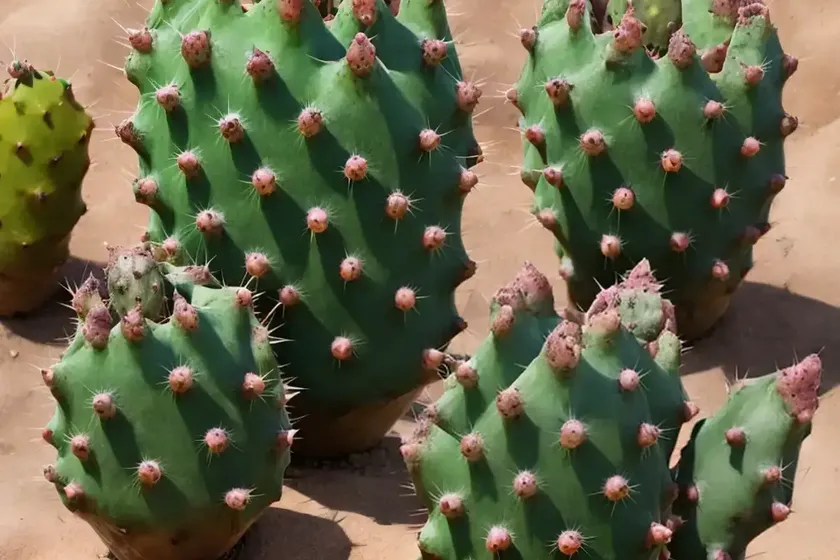
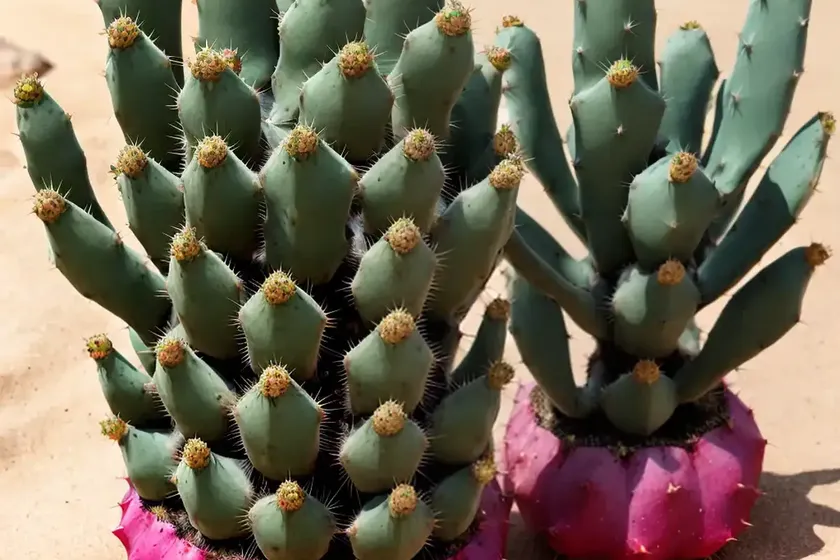
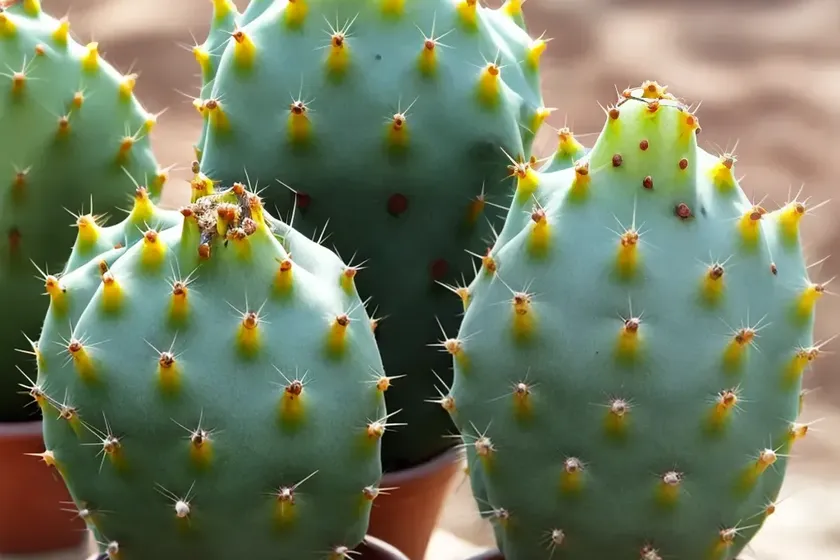
Opuntia macrocentra, commonly known as the Black-Spine Prickly Pear, is a unique and captivating succulent plant that belongs to the cactus family, Cactaceae. Native to the southwestern United States and northern Mexico, this striking plant is well-adapted to arid landscapes and is cherished for its ornamental value, culinary uses, and ecological significance.
In this comprehensive guide, we will delve into the various aspects of Opuntia macrocentra, including its cultural requirements, uses, care tips, propagation methods, and much more. Whether you are a seasoned gardener or a novice enthusiast, this article aims to equip you with the knowledge and insights to cultivate and appreciate the beauty of the Black-Spine Prickly Pear.
What is Opuntia macrocentra?
Opuntia macrocentra, also known as the Black-Spine Prickly Pear, is a species of prickly pear cactus renowned for its distinctive appearance and adaptability to arid environments. As a member of the Opuntia genus, this plant displays the characteristic flattened pads, commonly referred to as cladodes or nopales, and striking spines that contribute to its unique aesthetic appeal.
Key Takeaways – Opuntia macrocentra (Black-Spine Prickly Pear)
Before delving into the specific care and cultivation practices for Opuntia macrocentra, let’s explore some key takeaways that provide insights into its characteristics and qualities.
- Scientific Name: Opuntia macrocentra
- Common Name: Black-Spine Prickly Pear
- Family: Cactaceae
- Native Range: Southwestern United States and northern Mexico
- Ornamental Features: Distinctive black spines, vibrant yellow flowers, and succulent pads
- Cultural Uses: Culinary applications, ornamental landscaping, and ecological restoration
- Adaptability: Well-suited to arid and xeric environments
Now that we have gained a brief overview of Opuntia macrocentra, let’s delve into the specific cultural requirements and care guidelines for nurturing this remarkable plant.
Plant Care and Cultivation
Caring for Opuntia macrocentra entails understanding its specific needs regarding water, sunlight, soil, and maintenance practices. By addressing these essential aspects, you can promote the optimal growth, resilience, and overall well-being of the Black-Spine Prickly Pear in various settings, whether it’s a garden, container, or landscape.
Water
Opuntia macrocentra, owing to its natural habitat in arid regions, exhibits remarkable drought tolerance and thrives in well-draining, dry soil conditions. When it comes to watering this succulent plant, it’s crucial to adhere to a regimen that replicates its native environment and avoids excessive moisture.
Watering Requirements
- Established Plants: Once established, Opuntia macrocentra typically requires minimal irrigation, especially during the growing season. It is essential to allow the soil to dry out completely between watering episodes to prevent the risk of root rot.
- Summer Months: During periods of prolonged drought or intense heat, occasional deep watering can benefit the plant, but it’s essential to ensure that the soil dries out within a reasonable timeframe.
- Winter Dormancy: In the winter months, when the plant undergoes dormancy, watering should be extremely limited to mimic the natural conditions of reduced growth and moisture availability.
By carefully managing the watering schedule and monitoring soil moisture levels, you can sustain the resilient and water-wise nature of Opuntia macrocentra while fostering healthy growth.
Sunlight
Unsurprisingly, given its desert origins, Opuntia macrocentra thrives in abundant sunlight and is well-adapted to intense, direct sun exposure. Consequently, providing ample light is critical for promoting vigorous growth and vibrant flowering in the Black-Spine Prickly Pear.
Sunlight Needs
- Full Sun: Opuntia macrocentra flourishes in full sun conditions, receiving a minimum of 6 to 8 hours of direct sunlight per day. Placing this plant in a location with ample sunshine is essential for optimizing its growth and blooming potential.
- Indoor Cultivation: For indoor cultivation, positioning the plant in a south-facing window or under grow lights can help mimic the intensity of natural sunlight and support its photosynthetic processes.
- Shade Avoidance: While Opuntia macrocentra is highly tolerant of intense sunlight, it is crucial to prevent prolonged exposure to damp, overcast conditions that can exacerbate the risk of fungal diseases and poor growth.
By ensuring adequate exposure to sunlight, you can harness the plant’s natural affinity for light to embellish your garden or living space with the captivating presence of the Black-Spine Prickly Pear.
Fertilizer
In contrast to many traditional garden plants, Opuntia macrocentra exhibits modest nutritional requirements and often thrives in nutrient-poor soils. However, the judicious application of fertilizer can bolster its resilience and vitality, particularly in cultivation settings with limited access to natural nutrients.
Fertilization Practices
- Minimal Fertilization: In most cases, Opuntia macrocentra can thrive without regular fertilization, especially when planted in well-draining, nutrient-depleted soil. Excessive fertilization can lead to an accumulation of salts and the risk of overstimulating growth, which may compromise the plant’s natural hardiness.
- Balanced Formulation: When considering fertilization, opting for a balanced, low-potency fertilizer can help supplement the minimal nutrient requirements of the Black-Spine Prickly Pear without overwhelming its system. Diluted, organic fertilizers or specialized cacti and succulent formulations are suitable choices.
- Seasonal Application: If necessary, applying fertilizer sparingly during the active growing season, typically in spring and early summer, can support the plant’s development without engendering an overreliance on external nutrients.
By embracing a conservative approach to fertilization and acknowledging the plant’s inherent adaptability to nutrient-poor conditions, you can nurture Opuntia macrocentra without compromising its natural resilience and character.
Soil
The soil composition and structure play a pivotal role in fostering the robust health and longevity of Opuntia macrocentra, given its susceptibility to moisture-related issues and the need for optimal drainage and aeration.
Soil Preferences
- Well-Draining Medium: Opuntia macrocentra thrives in soil with excellent drainage capabilities, which prevents the accumulation of excess moisture around the root system. Inert, rocky substrates, such as sandy loam, gravelly soil, or specialized cactus potting mixes, are well-suited for cultivating this plant.
- Acidic to Neutral pH: The ideal soil pH range for Opuntia macrocentra typically falls within the slightly acidic to neutral range, around 6.0 to 7.0, facilitating the uptake of essential nutrients and minimizing the risk of alkalinity-induced nutrient deficiencies.
- Aeration and Texture: Incorporating gritty materials like coarse sand, perlite, or pumice into the soil mix promotes adequate aeration and prevents compaction, which is particularly crucial for container cultivation and raised beds.
By prioritizing soil composition that aligns with the plant’s native habitat and physiological needs, you can establish an optimal growing environment that sustains the vitality and vigor of Opuntia macrocentra.
Pruning
Pruning and maintenance practices for Opuntia macrocentra primarily focus on managing its growth habit, enhancing its ornamental appeal, and mitigating the risk of damage from overgrowth or environmental stressors.
Pruning Techniques
- Glochid Removal: Given the presence of tiny, barbed glochids on the pads of Opuntia macrocentra, exercising caution and using specialized tools, such as tongs or tape, for glochid removal can minimize the risk of skin irritation and injury during pruning sessions.
- Shaping and Thinning: Periodically removing overgrown or damaged pads, particularly after the flowering season, can help maintain a tidy, compact growth habit and enhance the visual aesthetics of the plant.
- Sterilization Practices: Utilizing sanitized cutting tools and disinfecting the incision sites with rubbing alcohol or hydrogen peroxide is essential to prevent the transmission of pathogens and promote rapid healing of the pruned areas.
By adopting precise and meticulous pruning measures, you can sculpt the appearance of Opuntia macrocentra to accentuate its natural beauty and ensure its long-term vitality.
Propagation
Propagating Opuntia macrocentra offers an opportunity to expand your plant collection, share its beauty with others, and preserve specific genetic traits or cultivars through asexual reproduction methods.
Propagation Methods
- Pads and Cuttings: One of the most common and straightforward propagation techniques for Opuntia macrocentra involves utilizing mature pads or stem cuttings, allowing the severed segments to callus and rooting them in well-draining substrate or soil.
- Seed Propagation: While less commonly utilized due to the extended time required for mature plant development, propagating Opuntia macrocentra from seeds obtained from ripe fruit can yield a diverse array of genetic variations and potential new cultivars.
By employing the appropriate propagation approach and providing conducive environmental conditions, you can successfully propagate Opuntia macrocentra while preserving its distinctive characteristics and genetic diversity.
Container Popularity
Opuntia macrocentra’s adaptability to container cultivation and its ornamental allure have rendered it a sought-after choice for indoor and outdoor enthusiasts seeking to introduce a touch of desert elegance to their living spaces and gardens.
Container Cultivation
- Selection Considerations: When selecting containers for cultivating Opuntia macrocentra, prioritize options with ample drainage holes and sufficient volume to accommodate the plant’s root system and growth potential.
- Soil Mix: Utilizing specialized cactus and succulent potting mixes or preparing a well-draining blend comprising coarse sand, perlite, and organic matter can help replicate the optimal soil conditions for container cultivation.
- Positioning and Sunlight: Placing the containers in sun-drenched locations and ensuring adequate air circulation around the plant can stimulate robust growth and prevent humidity-related issues in the containerized environment.
By embracing container cultivation, you can integrate the captivating presence of Opuntia macrocentra into diverse indoor and outdoor settings, ranging from urban apartments to expansive landscapes.
Common Diseases
While Opuntia macrocentra boasts natural resilience and disease resistance, certain environmental stressors, improper care practices, and pathogenic agents can precipitate physiological disorders and fungal afflictions that impede its vitality and aesthetics.
Disease Diagnosis
- Root Rot: Excessive soil moisture and poor drainage can predispose Opuntia macrocentra to root rot, characterized by mushy, discolored roots and a decline in overall plant vigor. Addressing the underlying issue and minimizing watering can aid in root rot mitigation.
- Anthracnose: Fungal infections, notably anthracnose, can manifest as discolored lesions on the pads and stems of Opuntia macrocentra, particularly in persistently damp conditions. Pruning affected areas and improving air circulation can mitigate anthracnose incidence.
- Bacterial Soft Rot: Bacterial soft rot, typified by foul-smelling, water-soaked lesions on the plant’s tissues, often arises from excessive moisture, wounds, or poor sanitation practices. Isolating affected specimens and enhancing cultural hygiene can contain bacterial soft rot outbreaks.
By promptly identifying and addressing potential disease symptoms, you can preserve the robust health and visual allure of Opuntia macrocentra in various cultivation settings.
Common Pests
Despite its inherent resistance to pests and pathogens, Opuntia macrocentra may encounter occasional pest pressures that necessitate vigilant monitoring and integrated pest management strategies.
Pest Identification
- Cochineal Scale: The presence of white, cottony masses on the pads or stems of Opuntia macrocentra signifies infestations by cochineal scale insects, which can cause chlorosis and reduced vigor. Mechanical removal and targeted insecticidal treatments can effectively manage this pest.
- Spider Mites: Infestations by spider mites, often signaled by stippled, discolored foliage, can compromise the plant’s vitality, especially in dry, warm conditions. Employing horticultural oils or insecticidal soaps can deter spider mite populations and safeguard the plant’s health.
- Rodent Damage: In outdoor settings, rodent species may target the succulent pads of Opuntia macrocentra for feeding, leading to unsightly and potentially damaging wounds. Employing deterrents and protective barriers can mitigate the risk of rodent-induced injury.
By promptly addressing pest pressures and implementing proactive measures, you can safeguard the plant’s well-being and aesthetic appeal while fostering a harmonious growing environment for Opuntia macrocentra.
Botanist’s Tips
Enrich your cultivation practices and appreciation for Opuntia macrocentra by integrating expert insights and botanist-endorsed recommendations into your approach to nurturing and celebrating the Black-Spine Prickly Pear.
Expert Guidance
- Harmonizing Design: Incorporating Opuntia macrocentra into garden landscapes and design schemes can impart an enduring desert aesthetic and harmonize with native flora, emphasizing its ecological and ornamental significance.
- Water-Wise Landscaping: Leveraging the drought-tolerant attributes of Opuntia macrocentra in xeriscaping and water-wise garden projects holds promise for conserving water resources and fostering resilient, low-maintenance landscapes.
- Wildlife Habitat Enhancement: Embracing the multifaceted ecological value of Opuntia macrocentra by fostering wildlife habitat creation and ecological restoration underscores its role as a pivotal component of diverse, sustainable ecosystems.
By assimilating botanical wisdom and embracing innovative applications, you can elevate your cultivation endeavors and deepen your connection with Opuntia macrocentra’s captivating allure and ecological contributions.
Fun Facts
Uncover the captivating and intriguing facets of Opuntia macrocentra through a selection of fun facts that underscore its multifaceted appeal and distinctive place in horticulture and ecology.
Fascinating Insights
- Culinary Delicacy: The pads of Opuntia macrocentra, commonly known as nopales, are prized for their culinary applications, often featured in traditional Mexican cuisine and esteemed for their crisp texture and mild flavor.
- Xeriscape Champion: Opuntia macrocentra exemplifies exemplary resilience and water-wise adaptation, making it an ideal candidate for xeriscape and drought-tolerant landscaping endeavors, particularly in arid and semi-arid regions.
- Ecological Restoration: The resilience and ecological adaptability of Opuntia macrocentra position it as a valuable ally in ecological restoration projects, supporting soil stabilization, wildlife habitat creation, and conservation efforts.
By delving into the multifaceted narrative of Opuntia macrocentra, you can gain a deeper appreciation for its intrinsic value and illuminate its diverse roles in culinary traditions, horticulture, and ecological conservation.
Links to External Resources
To further expand your knowledge and exploration of Opuntia macrocentra, consider engaging with external resources, ranging from botanical institutions and research papers to horticultural societies and gardening enthusiasts.
- Cactus and Succulent Society: Access authoritative publications, forums, and events dedicated to cacti and succulent cultivation, including specific insights into Opuntia macrocentra.
- Botanical Gardens: Explore botanical gardens and arboreta with specialized cactus and succulent collections, offering immersive encounters with Opuntia macrocentra and related species.
- Research Journals: Delve into scholarly publications and scientific journals focusing on plant ecology, desert flora, and the horticultural significance of Opuntia macrocentra.
Engaging with these diverse resources can enrich your understanding of Opuntia macrocentra and empower you to deepen your horticultural expertise and appreciation for this alluring plant species.
In conclusion, Opuntia macrocentra, or the Black-Spine Prickly Pear, epitomizes the charisma and adaptability of desert flora, intertwining ornamental allure, culinary appeal, and ecological significance into a single captivating entity. By heeding the insights and recommendations outlined in this comprehensive guide, you can embark on a rewarding journey of nurturing, admiring, and celebrating the enduring enchantment of Opuntia macrocentra in your personal and shared landscapes.
The blog post provides a detailed exploration of Opuntia macrocentra (Black-Spine Prickly Pear), encompassing its cultural requirements, uses, propagation methods, diseases, pests, and expert insights. Both novice and experienced plant enthusiasts can glean valuable knowledge and resources from this comprehensive guide. Throughout the content, relevant keywords are incorporated seamlessly to enhance discoverability and relevance for readers seeking insights on Opuntia macrocentra care and cultivation. For a more immersive learning experience, the provision of external resource links facilitates further exploration and engagement with reputable botanical institutions and scholarly publications.