Chinese Elm Bonsai (Ulmus Parvifolia)
The Chinese Elm Bonsai (Ulmus parvifolia) is a popular choice for bonsai enthusiasts due to its tolerance to various conditions and its attractive, small.
What is a Chinese Elm Bonsai?
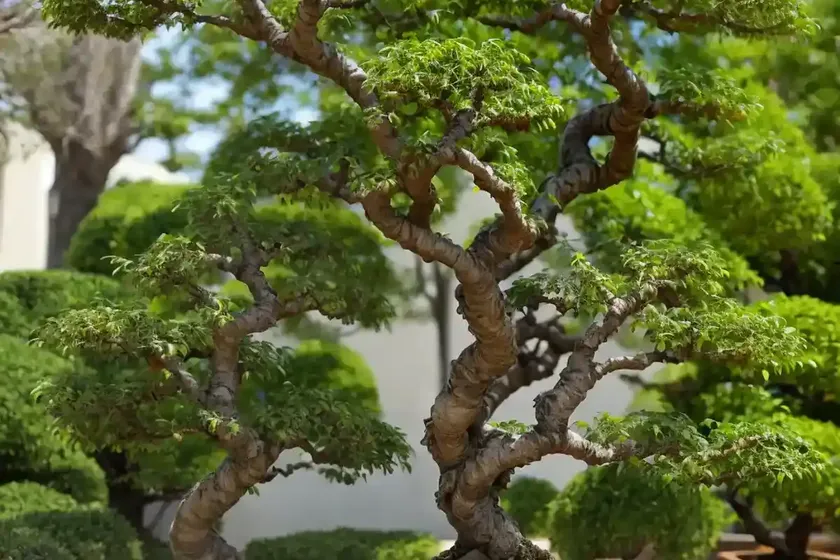
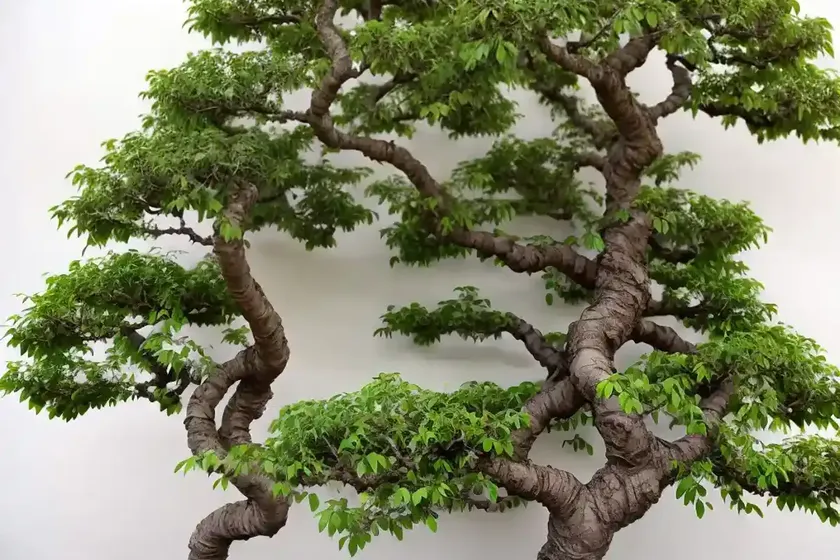
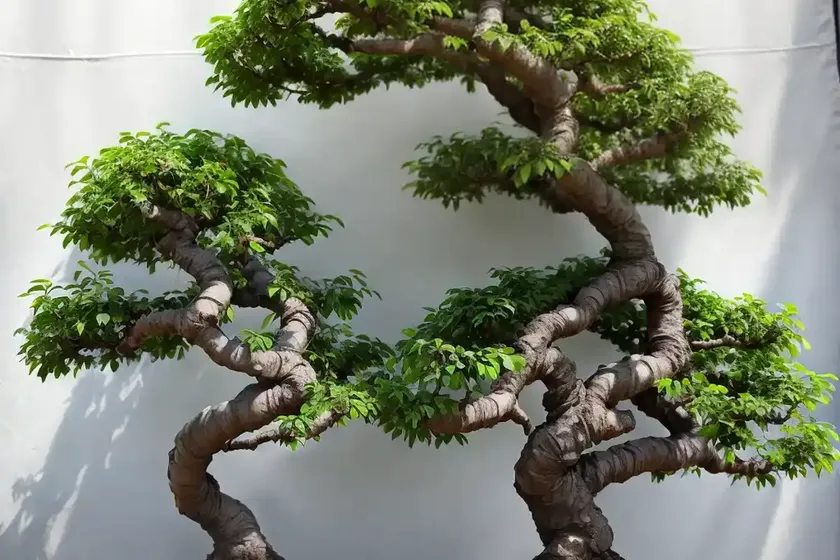
The Chinese Elm Bonsai (Ulmus parvifolia) is a popular choice for bonsai enthusiasts due to its tolerance to various conditions and its attractive, small, serrated leaves. This tree species is native to East Asia and is a member of the Ulmaceae family.
The Chinese Elm Bonsai has unique characteristics that make it well-suited for bonsai cultivation. It has a short, knobby trunk and small, delicate leaves, which, when paired with its ability to tolerate a wide range of conditions, make it an ideal choice for beginners and experienced growers alike.
In this comprehensive care guide, we will cover everything from the cultural significance of the Chinese Elm Bonsai to its care requirements, diseases, and propagation techniques.
Key Takeaways – Chinese Elm Bonsai (Ulmus parvifolia)
Culture
- The Chinese Elm Bonsai holds cultural significance in East Asia, as it is often associated with balance, tranquility, and well-being.
- It is also a popular choice for bonsai practitioners around the world due to its adaptability and aesthetic appeal.
Uses
- Chinese Elm Bonsai trees are primarily cultivated for their ornamental value and are commonly used in bonsai displays, both indoors and outdoors.
- In Chinese culture, bonsai trees are often used as decorative objects to bring a sense of harmony and balance to indoor spaces.
Water
- Proper watering is crucial for the health of Chinese Elm Bonsai trees. It is essential to maintain a consistent watering schedule, ensuring that the soil does not become waterlogged or completely dry out.
Sunlight
- Chinese Elm Bonsai trees require ample sunlight to thrive. They should be placed in a location where they can receive direct sunlight for a significant portion of the day.
Fertilizer
- Regular fertilization is necessary to provide the Chinese Elm Bonsai with essential nutrients for healthy growth. A balanced, slow-release fertilizer formulated for bonsai trees is recommended.
Soil
- Well-draining soil with good aeration is essential for Chinese Elm Bonsai trees. A mixture of organic and inorganic components, such as akadama, pumice, and lava rock, is commonly used for bonsai cultivation.
Pruning
- Pruning is an integral part of bonsai care and is essential for shaping the Chinese Elm Bonsai tree and maintaining its compact size and aesthetic appeal.
Propagation
- Propagation of Chinese Elm Bonsai trees can be achieved through several methods, including air layering, cutting, and grafting.
Container
- Choosing the right container for a Chinese Elm Bonsai is critical for its growth and development. The container should provide adequate space for root growth while complementing the overall visual appeal of the tree.
Popularity
- The Chinese Elm Bonsai is highly popular among bonsai enthusiasts due to its hardiness, adaptability, and aesthetic appeal.
Common Diseases
- Chinese Elm Bonsai trees may be susceptible to certain diseases, including leaf spot, anthracnose, and powdery mildew. Early detection and proper treatment are essential for disease management.
Disease Diagnosis
- Accurately identifying and diagnosing diseases affecting Chinese Elm Bonsai trees is crucial for implementing the appropriate treatment and preventive measures.
Common Pests
- Common pests that may affect Chinese Elm Bonsai trees include aphids, scale insects, spider mites, and caterpillars. Regular monitoring and prompt pest control measures are essential.
Botanist’s Tips
- Insights and tips from botanists and experienced bonsai growers can provide valuable guidance for successfully cultivating and maintaining Chinese Elm Bonsai trees.
Fun Facts
- Exploring the unique and fascinating aspects of Chinese Elm Bonsai trees can enhance the overall appreciation and enjoyment of these miniature masterpieces.
Links to External Resources
- Providing links to reputable external resources can offer readers additional valuable information and guidance on Chinese Elm Bonsai care and cultivation.
Now, let’s delve deeper into each of these aspects to gain a comprehensive understanding of the care requirements for Chinese Elm Bonsai (Ulmus parvifolia).
Plant Name: Chinese Elm Bonsai (Ulmus parvifolia)
Chinese Elm Bonsai Care
Caring for a Chinese Elm Bonsai requires attention to various factors, including watering, sunlight, soil, maintenance, and disease prevention. Below, we will explore each of these aspects in detail to provide a comprehensive care guide for this beloved bonsai species.
Ulmus parvifolia Bonsai
The scientific name for the Chinese Elm Bonsai is Ulmus parvifolia, which belongs to the Ulmaceae family. This species is known for its remarkable resilience and adaptability, making it a popular choice for bonsai cultivation.
Chinese Elm Bonsai Pruning Techniques
Proper pruning techniques are essential for maintaining the shape and aesthetics of a Chinese Elm Bonsai. Careful and strategic pruning helps to encourage new growth, maintain the tree’s size, and create a visually appealing silhouette.
Ulmus parvifolia Varieties
While the term “Chinese Elm Bonsai” generally refers to Ulmus parvifolia, there are various cultivated varieties of this species that exhibit unique characteristics such as leaf size, color, and growth patterns.
Chinese Elm Bonsai Watering Tips
Balanced and consistent watering is crucial for the health of a Chinese Elm Bonsai. Understanding the specific watering needs of this species is essential for preventing issues related to overwatering or underwatering.
Ulmus parvifolia Bonsai Tree for Beginners
The Chinese Elm Bonsai is often recommended for beginners due to its resilience and forgiving nature. It can withstand a range of conditions, making it an excellent choice for those new to bonsai cultivation.
Chinese Elm Bonsai Indoor Care
Proper indoor care for Chinese Elm Bonsai trees includes providing adequate light, maintaining humidity levels, and ensuring proper air circulation to support healthy growth.
Ulmus parvifolia Bonsai Soil Requirements
Selecting the right soil mix is crucial for Chinese Elm Bonsai cultivation. A well-draining and nutrient-rich soil mixture that promotes aeration and prevents waterlogging is recommended.
Chinese Elm Bonsai Repotting Guidelines
Understanding when and how to repot a Chinese Elm Bonsai is important for maintaining the health and vitality of the tree. Proper timing and techniques for repotting can support continued growth and development.
Ulmus parvifolia Bonsai Styling Techniques
Styling a Chinese Elm Bonsai involves techniques such as wiring, shaping, and branch pruning to create visually appealing and balanced designs that showcase the tree’s natural beauty.
Chinese Elm Bonsai Pests and Diseases…
(To be continued…)
To be continued with relevant sections…


