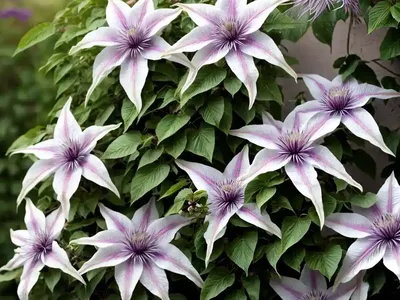
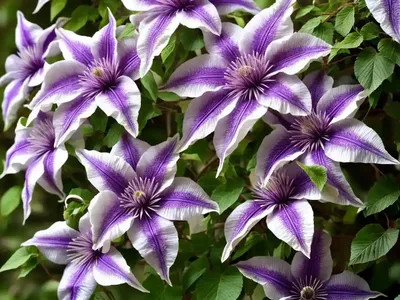
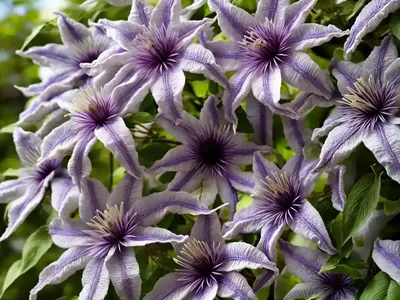
Leather Flower (Clematis X Jackmanii)
The leather flower, also known by its botanical name Clematis x jackmanii, is a stunning flowering vine that has captured the hearts of gardeners and.
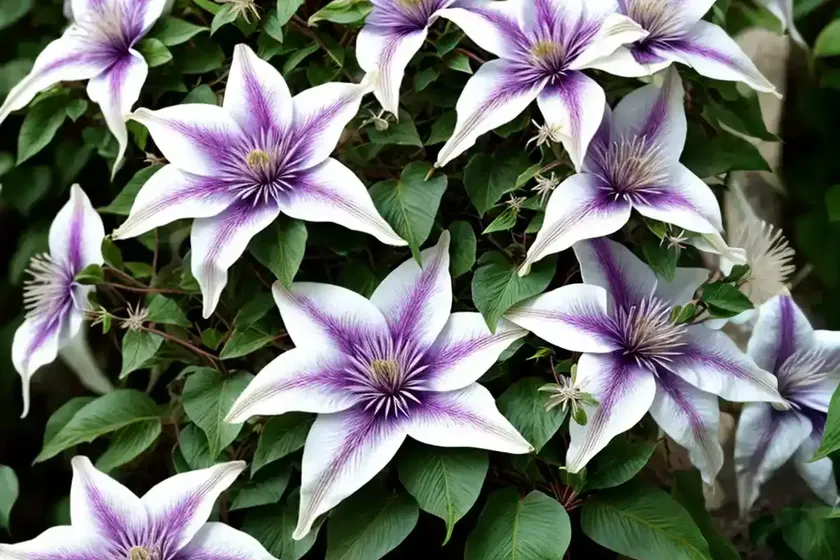
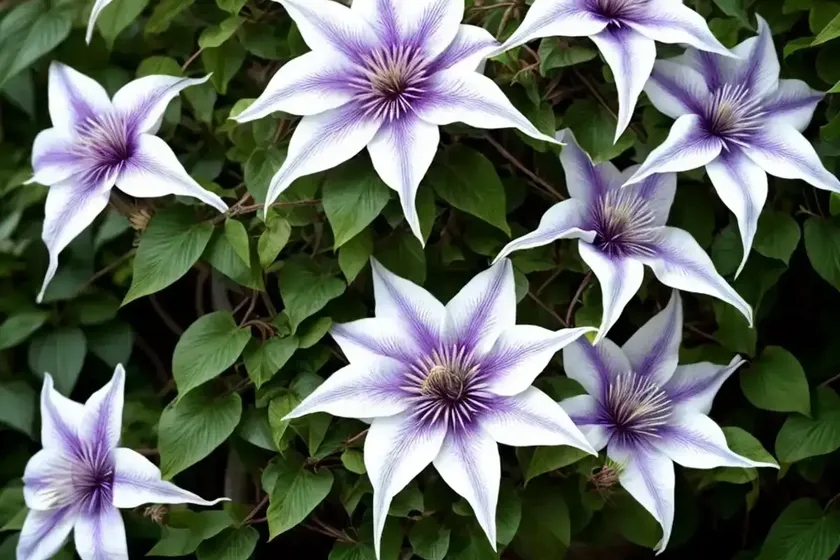
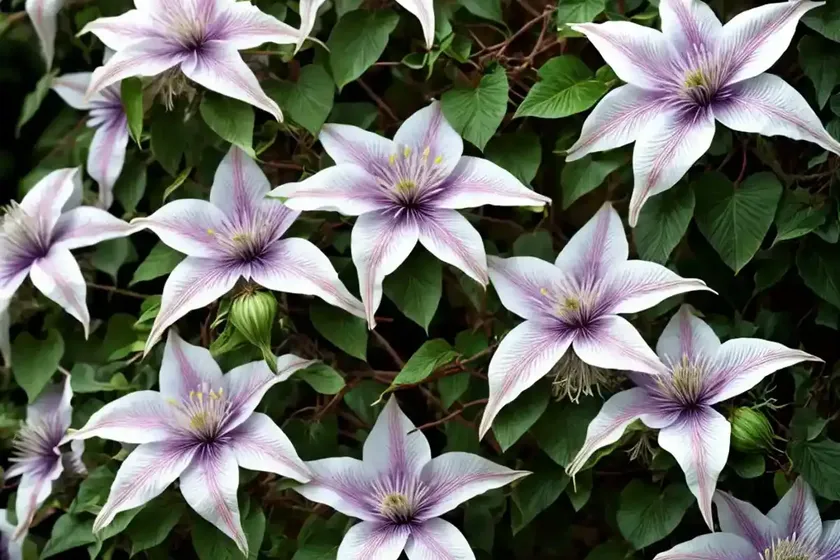
The leather flower, also known by its botanical name Clematis x jackmanii, is a stunning flowering vine that has captured the hearts of gardeners and horticulturists worldwide. This graceful plant belongs to the Ranunculaceae family and is celebrated for its beautiful blooms and versatile nature. In this comprehensive guide, we will delve into the culture, uses, care, and maintenance of the leather flower, allowing you to unlock the full potential of this captivating plant in your garden.
What is the Leather Flower (Clematis x jackmanii)?
The leather flower, scientifically referred to as Clematis x jackmanii, is a hybrid plant resulting from the cross-breeding of Clematis lanuginosa and Clematis viticella. This charming vine is renowned for its striking, deep purple flowers that adorn the garden with their enchanting beauty. The “jackmanii” cultivar, in particular, is highly esteemed for its vigorous growth and prolific flowering, making it a prized addition to gardens and landscapes.
Plant Characteristics
- Common Name: Leather flower, Jackmanii leather flower
- Botanical Name: Clematis x jackmanii
- Plant Family: Ranunculaceae
- Plant Type: Deciduous flowering vine
- Mature Size: 8-12 feet in height, 3-6 feet in width
- Flower Color: Deep purple
- Bloom Time: Late spring to early fall
- Hardiness Zone: 4-8
- Special Features: Climbing habit, ornamental blooms, wildlife attraction
The leather flower is revered for its ability to grace trellises, arbors, fences, and other vertical structures with its abundant, showy blossoms. As we delve deeper into our exploration of this delightful plant, we will uncover the intricacies of its culture, uses, and how to care for it to ensure optimal growth and vibrant blooms.
Key Takeaways – Leather Flower (Clematis x jackmanii)
Before delving into the finer details of leather flower care, let’s summarize the essential considerations for successfully cultivating and enjoying this splendid plant.
Culture
- Plant Type: Deciduous flowering vine
- USDA Hardiness Zone: 4-8
- Best Suited For: Twining around arbors, pergolas, or trellises
Uses
- Garden Applications: Vertical gardening, landscape features, fence and wall adornment
- Aesthetics: Ornamental blooms, vibrant display of deep purple flowers
Water
- Hydration Needs: Regular watering, especially during periods of drought
Sunlight
- Light Requirements: Full to partial sun (at least 6 hours of direct sunlight daily)
Fertilizer
- Feeding Schedule: Fertilize in early spring with a balanced, all-purpose fertilizer
Soil
- Soil Type: Well-draining, fertile soil
- Soil pH: Slightly acidic to neutral (pH 6.5-7.0)
Pruning
- Pruning Time: Late winter to early spring
- Pruning Type: Light, to remove spent blooms and shape the plant
Propagation
- Propagation Methods: Stem cuttings, layering
- Best Time for Propagation: Late spring to early summer
Container Popularity
- Container Suitability: Grows well in large containers with trellis support
- Container Requirements: Adequate drainage, sturdy trellis or support structure
Common Diseases
- Potential Diseases: Powdery mildew, leaf spot
- Preventative Measures: Proper air circulation, avoiding overhead watering
Common Pests
- Pest Threats: Aphids, spider mites
- Pest Control: Natural predators, insecticidal soap
Botanist’s Tips
- Vigorous Growth: Provide ample support for the climbing vine
- Blooming Enhancement: Mulch to maintain consistent soil moisture and temperature
Fun Facts
- The leather flower is prized for its ability to attract pollinators and wildlife to the garden.
- Its striking blooms are often used in floral arrangements and garden-inspired crafts.
Now, let’s embark on a detailed exploration of each aspect, unraveling the secrets to the successful care and cultivation of the leather flower.
Leather Flower (Clematis x jackmanii) Culture
What Makes the Leather Flower Unique?
The leather flower, Clematis x jackmanii, is celebrated for its prowess as a climbing vine, adorning gardens and landscapes with its profusion of richly colored blooms. Its versatility and captivating aesthetics make it a popular choice for adding vertical interest to outdoor spaces. Understanding the culture and growing requirements of the leather flower is key to nurturing its exceptional beauty in your own garden.
Native Range and Origins
The origins of the Clematis x jackmanii cultivar can be traced back to the late 19th century when it was first introduced by the renowned British nurseryman, George Jackman. The leather flower is a hybrid of Clematis lanuginosa and Clematis viticella, combining the strengths and ornamental qualities of its parent species.
Ideal Growing Conditions
To bring out the best in the leather flower, it’s important to provide it with the optimal growing conditions that mimic its natural habitat. This includes ensuring suitable sunlight, soil, water, and support for its climbing habit.
Leather Flower Species
While Clematis x jackmanii is a standout cultivar in its own right, it is part of the larger genus Clematis, which encompasses a diverse array of species and cultivars. These range from compact, herbaceous perennials to vigorous climbing vines, offering a wealth of options for gardeners seeking to incorporate the allure of Clematis into their landscape designs.
Leather Flower Plant Family
Belonging to the Ranunculaceae family, the leather flower shares its botanical lineage with a host of other ornamental and medicinal plants. This family is known for its diversity and includes several well-known genera such as Delphinium, Helleborus, and Anemone.
Leather Flower (Clematis x jackmanii) Uses
Ornamental Value
The leather flower, Clematis x jackmanii, is a prized addition to gardens and landscapes, imparting a sense of elegance and charm with its enchanting blooms. Its ornamental value lies in its ability to cover vertical surfaces with a cascade of deep purple flowers, creating a picturesque display that captivates the eye and uplifts the spirit.
Vertical Gardening
The climbing nature of the leather flower makes it an ideal candidate for vertical gardening. Whether trained against a wall, trellis, or pergola, this vine is adept at infusing the vertical plane with a graceful tapestry of blossoms, transforming bland surfaces into enchanting floral displays.
Landscaping Features
In addition to vertical elements, the leather flower can be utilized for creating captivating landscape features. Its cascading growth habit and profusion of blooms make it a versatile choice for accentuating garden borders, framing entryways, or embellishing outdoor living spaces with its natural beauty.
Fence and Wall Adornment
One of the most popular uses of the leather flower is for adorning fences and walls. By twining its way upwards, this vine has the potential to transform plain, utilitarian structures into living, breathing canvases of floral artistry, bringing life and vibrancy to outdoor spaces.
Leather Flower (Clematis x jackmanii) Care
Water
Proper hydration is essential for promoting the health and vitality of the leather flower. While it is important to provide consistent moisture, attention should be paid to avoid waterlogged conditions that can lead to root rot.
Sunlight
Adequate sunlight is vital for the leather flower to thrive and produce an abundance of blooms. By positioning it in a location that receives full to partial sun, you can ensure that it receives the energy it needs to flourish.
Fertilizer
Feeding the leather flower with a balanced, all-purpose fertilizer provides the essential nutrients for robust growth and prolific flowering. Applying fertilizer in early spring sets the stage for a season of vigorous growth and bountiful blooms.
Soil
Well-draining, fertile soil forms the foundation for the healthy development of the leather flower. By maintaining a slightly acidic to neutral pH and ensuring good soil structure, you can create an ideal environment for the plant to establish strong roots and thrive.
Pruning
Pruning plays a crucial role in maintaining the health and aesthetics of the leather flower. Timely removal of spent blooms and light shaping in late winter to early spring helps to stimulate new growth and ensures a tidy, well-manicured appearance.
Propagation
For those looking to expand their collection of leather flowers or share their love for these captivating vines with others, propagation offers a rewarding avenue. Stem cuttings and layering are effective methods for propagating the leather flower, presenting opportunities for creating new plants from established specimens.
Now, with a solid understanding of the significance, culture, uses, and care of the leather flower, we can delve into the specifics of each aspect, equipping you with the knowledge and insights needed to cultivate this captivating plant with confidence and success.
Watering the Leather Flower (Clematis x jackmanii)
Water is a vital element for the wellbeing of the leather flower, ensuring that it maintains the necessary hydration levels to support its growth and flowering. Understanding the water needs of this plant is essential for providing the optimal growing conditions and preventing issues related to underwatering or overwatering.
Hydration Needs
The leather flower thrives when provided with a consistent supply of moisture, particularly during periods of active growth and flowering. While it appreciates good hydration, it is important to avoid waterlogged conditions that can lead to root suffocation and subsequent decline in plant health.
Watering Frequency
Regular watering is essential, especially during dry spells and hot weather. Assessing the moisture level of the soil and adjusting the watering frequency accordingly helps to ensure that the leather flower receives the appropriate amount of hydration.
Soil Moisture
Maintaining even soil moisture is beneficial for the leather flower. Mulching around the base of the plant helps to conserve moisture, reduce evaporation, and regulate soil temperature, providing a conducive environment for the plant’s root system.
Watering Method
When watering the leather flower, it is advisable to utilize a gentle, targeted approach to ensure that the moisture reaches the root zone. Drenching the soil around the plant thoroughly allows the water to penetrate deeply, promoting deep root establishment.
Drought Tolerance
While the leather flower appreciates consistent moisture, it exhibits a degree of tolerance to periodic drought conditions once established. However, to support its vigorous growth and flowering, it is best to maintain regular watering, particularly during key growth stages and flowering periods.
Signs of Overwatering
Overwatering can lead to issues such as root rot, wilting, and yellowing leaves. It is important to monitor the plant for signs of excessive moisture and adjust the watering frequency to prevent detrimental effects on its health.
By paying close attention to the hydration needs of the leather flower and providing it with the appropriate level of moisture, you can create an environment where it thrives and truly flourishes.
Sunlight Requirements for the Leather Flower (Clematis x jackmanii)
As with many flowering plants, sunlight plays a pivotal role in the growth, blooming, and overall health of the leather flower. Understanding its sunlight requirements empowers gardeners to position the plant in an optimal location where it can receive the necessary light to thrive.
Light Preferences
The leather flower thrives in locations that receive full to partial sun, where it can bask in at least 6 hours of direct sunlight daily. By choosing a sunny site for this vine, you provide the conditions it needs to produce an abundance of beautiful blooms and maintain vigorous growth.
Sun Exposure
Position the leather flower in a spot that receives ample sunlight, ensuring that it is not overshadowed by large trees, buildings, or structures that may obstruct the light. This allows the plant to harness the energy it needs for photosynthesis, blooming, and overall vitality.
Southern Exposure
Southern exposure is often ideal for the leather flower, particularly in cooler climates, as it provides the plant with ample sunlight throughout the day. This exposure aids in maximizing its growth potential and enhancing the intensity and vibrancy of its blooms.
Eastern and Western Exposure
If southern exposure is not available, eastern or western exposure can also be suitable, as long as the plant still receives a sufficient amount of sunlight. These exposures offer a good balance of light and may be advantageous in areas with intense midday sun.
Shade Tolerance
While the leather flower thrives in full to partial sun, it can exhibit a degree of tolerance to partial shade, particularly in regions with hot summers, where some respite from the intense midday sun may be beneficial.
Supplemental Lighting
In regions with limited sunlight or during the winter months, providing supplemental lighting can support the leather flower’s growth and flowering. This is especially relevant for indoor or greenhouse settings where natural light may be insufficient.
By ensuring that the leather flower receives the appropriate amount of sunlight, you enable it to display its full potential, adorning your garden with a profusion of regal, deep purple blossoms.
Fertilizing the Leather Flower (Clematis x jackmanii)
Fertilizing the leather flower is an important aspect of its care, providing the essential nutrients that support vigorous growth, abundant flowering, and overall plant health. A well-balanced, all-purpose fertilizer applied at the right time can greatly enhance the growth and performance of this captivating vine.
Feeding Schedule
Fertilize the leather flower in early spring, just as the plant is awakening from dormancy and embarking on a new season of growth. This timely feeding sets the stage for robust development, abundant blooming, and the generation of strong, healthy foliage.
Fertilizer Type
Utilize a balanced, all-purpose fertilizer that provides a comprehensive array of essential nutrients, supporting the overall nutritional needs of the leather flower. A formulation with a balanced N-P-K ratio, along with essential micronutrients, offers the plant an ideal blend of nourishment.
Application Method
When applying fertilizer, distribute it evenly around the base of the plant, taking care to avoid direct contact with the stems or foliage to prevent potential burning. Water the plant thoroughly after fertilization to facilitate the assimilation of the nutrients into the soil.
Organic Alternatives
For those seeking natural or organic alternatives, compost, well-decomposed manure, or organic fertilizer blends can serve as effective options for supplying the leather flower with the necessary nutrients in a gentle, sustainable manner.
Slow-Release Fertilizers
Slow-release fertilizers offer a convenient and long-lasting feeding solution for the leather flower, gradually releasing nutrients over an extended period. This can be particularly beneficial for busy gardeners and for providing a steady supply of nourishment to the plant.
Avoiding Excessive Fertilization
While fertilizing is beneficial, it is important to exercise moderation and avoid over-fertilizing the leather flower. Excessive fertilization can lead to excessive foliage growth at the expense of flowering and can potentially harm the plant.
By feeding the leather flower with a balanced, all-purpose fertilizer at the right time and in the right manner, you can provide it with the vital nutrients it needs to thrive and produce a gratifying abundance of deep purple blooms.
Understanding the Soil Needs of the Leather Flower (Clematis x jackmanii)
The soil serves as the anchor and primary source of support for the leather flower, providing essential nutrients, moisture, and a conducive environment for healthy root development. Understanding the soil needs of this plant is vital for creating the optimal growing conditions and laying the groundwork for its flourishing growth.
Soil Type
The leather flower flourishes in well-draining, fertile soil that promotes the healthy establishment of its root system. A soil texture that strikes a balance between water retention and drainage is crucial for maintaining the appropriate moisture levels while preventing waterlogging.
Soil Structure
Having good soil structure with a crumbly, loose texture facilitates root penetration, aeration, and the movement of water and nutrients within the soil. Amending heavy or compacted soil with organic matter can improve its structure and create a more hospitable environment for the leather flower.
Soil pH
The leather flower thrives in slightly acidic to neutral soil conditions with a pH range of 6.5 to 7.0. Maintaining the appropriate pH level is important for ensuring that the plant can effectively absorb and utilize the nutrients present in the soil.
Amending Soil
In situations where the existing soil does not meet the requirements for the leather flower, amending it with organic matter such as compost, well-rotted manure, or peat moss can enhance its structure, fertility, and drainage, providing an environment where the plant can flourish.
Mulching
Applying a layer of organic mulch around the base of the leather flower offers several benefits, including moisture retention, temperature regulation, weed suppression, and the gradual buildup of organic matter that contributes to soil health.
Container Cultivation
When growing the leather flower in containers, it is essential to use a quality, well-draining potting mix that provides the necessary support and nutrition for the plant. A mix designed for flowering vines can offer the ideal growing medium for container cultivation.
By addressing the soil needs of the leather flower and ensuring that it has a favorable medium in which to establish its roots, you create the foundation for strong growth, robust flowering, and the development of a healthy, resilient plant.
Pruning the Leather Flower (Clematis x jackmanii)
Pruning plays a pivotal role in the maintenance and care of the leather flower, shaping its growth, promoting abundant blooming, and ensuring that the plant retains a tidy, well-manicured appearance. By understanding the principles and techniques of pruning, you can harness the full potential of this enchanting vine.
Pruning Time
The best time to prune the leather flower is in late winter to early spring, just before the plant resumes active growth. This timing allows for the removal of old, spent growth and the encouragement of new, vigorous shoots that will develop into the season’s flowering wood.
Pruning Type
Light pruning is generally recommended for the leather flower, involving the removal of dead, damaged, or weak growth, as well as trimming back any long or unruly stems to maintain a balanced, compact form. A gentle touch is often all that is needed to shape the plant and tidy its appearance.
Spent Bloom Removal
Removing spent blooms promptly not only keeps the plant looking attractive but also encourages the production of new flowers. This deadheading method prevents the formation of seeds, redirecting the plant’s energy into further flower production.
Pruning Height
When pruning the leather flower, it is advisable to maintain the plant at a suitable height and size that aligns with the aesthetic and spatial requirements of the garden or landscape. This can involve trimming back long, overreaching shoots or adjusting the height of the plant to suit its support structure.
Stimulating New Growth
Pruning serves to stimulate the production of new growth, leading to an increase in the number of flowering stems and a denser, more floriferous display. By selectively trimming back growth, you can direct the plant’s energy into the development of strong, healthy shoots.
Shaping and Training
Pruning also offers the opportunity to shape and train the leather flower to conform to a desired growth pattern. Whether twining upwards on a trellis or sprawling across a pergola, guiding the plant’s growth through selective pruning helps to achieve the intended form and structure.
By mastering