Rhipsalis (Rhipsalis Baccifera)
Rhipsalis baccifera, commonly known as mistletoe cactus, is one of the most intriguing and unique plants in the world of botany. Its unique trailing and.
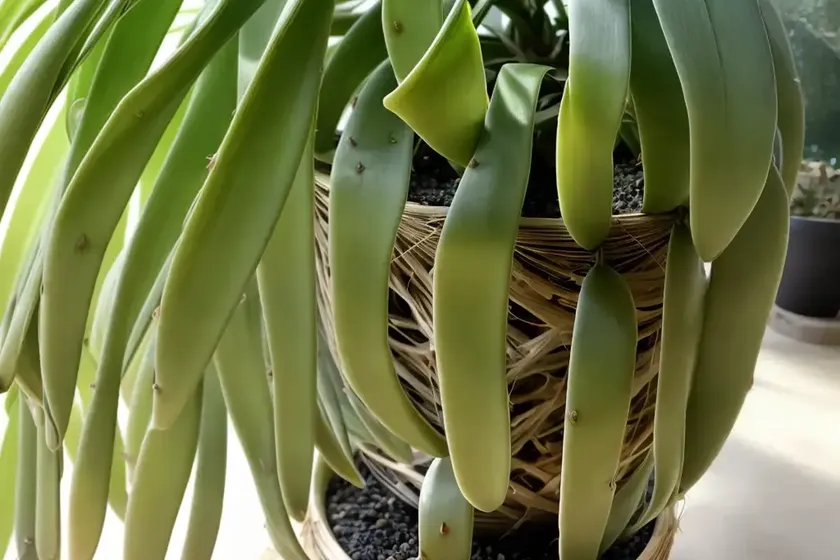
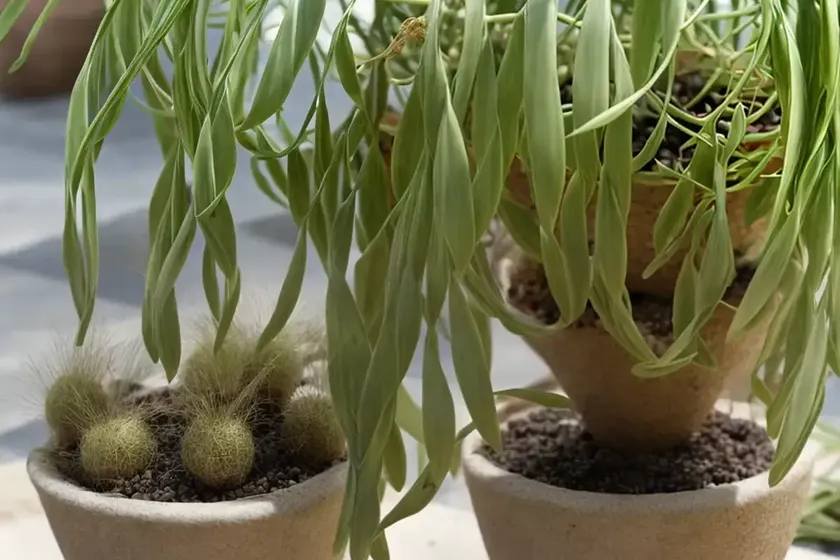
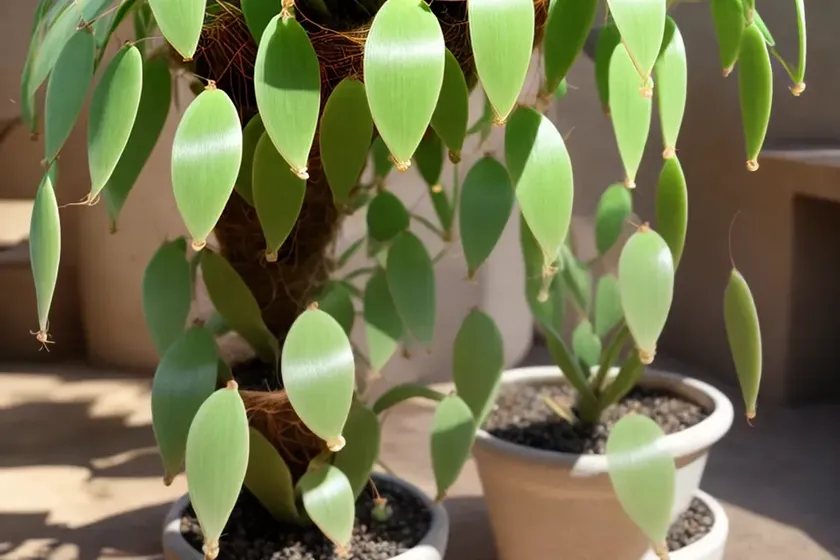
Rhipsalis baccifera, commonly known as mistletoe cactus, is one of the most intriguing and unique plants in the world of botany. Its unique trailing and epiphytic nature, coupled with its low maintenance requirements, make it a popular choice for indoor gardening. In this comprehensive guide, we will delve into the various aspects of Rhipsalis baccifera, including its culture, uses, care requirements, propagation, and common diseases and pests. Whether you are a beginner or an experienced plant enthusiast, this guide will equip you with the knowledge to successfully cultivate and care for Rhipsalis baccifera.
What is Rhipsalis (Rhipsalis baccifera)?
Rhipsalis baccifera belongs to the Rhipsalis genus, which is a group of epiphytic cacti native to the rainforests of Central and South America, Africa, and Sri Lanka. Unlike typical cacti, Rhipsalis species are characterized by their tropical, jungle-like appearance, with thin, branching stems and unique, cascading foliage. Rhipsalis baccifera, specifically, is known for its hanging or trailing growth habit, making it an ideal choice for cascading displays in hanging baskets or as an epiphyte in trees.
Key Takeaways – Rhipsalis (Rhipsalis baccifera)
Before delving into the specifics of Rhipsalis baccifera care, let’s outline the key takeaways for quick reference:
- Botanical Name: Rhipsalis baccifera
- Common Name: Mistletoe Cactus
- Plant Type: Epiphytic Cactus
- Native Habitat: Central and South America, Africa, and Sri Lanka
- Growth Habit: Trailing, Cascading
- Light Requirements: Bright, Indirect Light
- Watering Needs: Regular, Moderate Watering
- Soil Type: Well-Draining, Organic Soil
- Container: Hanging Basket, Well-Draining Container
- Special Features: Low Maintenance, Unique Foliage
Now, let’s dive into the specific aspects of caring for Rhipsalis baccifera.
Culture
Uses
Rhipsalis baccifera is valued not only for its ornamental qualities but also for its potential health benefits. Its unique appearance makes it a popular choice for use in interior landscaping, where it can be showcased as a hanging or trailing plant to add a touch of greenery to indoor spaces. Additionally, Rhipsalis baccifera is known for its air-purifying properties, making it a sought-after choice for creating healthy indoor environments.
Water
Sufficient watering is crucial for the health and vitality of Rhipsalis baccifera. Given its epiphytic nature, having evolved in rainforest environments, Rhipsalis baccifera requires regular, moderate watering. It is important to ensure that the soil is evenly moist but not waterlogged, as excessive moisture can lead to root rot and other water-related issues. During the growing season, typically from spring to fall, water the plant thoroughly when the top inch of the soil feels dry to the touch.
In contrast, during the winter months when growth slows down, reduce the frequency of watering, allowing the soil to dry out slightly between waterings. Keep in mind that the watering frequency may vary based on environmental factors such as humidity, temperature, and light levels.
Sunlight
In its natural habitat, Rhipsalis baccifera grows under the canopy of trees, receiving bright, indirect sunlight. When cultivating Rhipsalis baccifera indoors, it is essential to replicate these light conditions to ensure healthy growth and vibrant foliage. Place the plant near an east- or west-facing window where it can receive gentle, indirect sunlight. Avoid exposing Rhipsalis baccifera to harsh, direct sunlight, as this can lead to sunburn and leaf damage.
Fertilizer
Fertilizing Rhipsalis baccifera is an important aspect of its care routine, as it helps provide the necessary nutrients for robust growth and abundant blooming. During the active growing season, which generally spans from spring to early fall, apply a balanced, water-soluble fertilizer formulated for cacti and succulents. Dilute the fertilizer to half or one-quarter strength to prevent over-fertilization, and apply it every 4-6 weeks. Refrain from fertilizing during the winter months, as the plant’s growth slows down during this period.
Soil
As with most cacti and succulents, Rhipsalis baccifera thrives in well-draining, porous soil. A recommended potting mix for Rhipsalis baccifera consists of a combination of cactus mix, perlite, and peat moss. The cactus mix provides excellent drainage, while perlite aids in maintaining soil aeration and preventing compaction. Additionally, peat moss helps retain moisture without leading to waterlogged conditions.
Selecting a well-draining container is equally important, as it ensures excess water can escape easily, preventing the roots from becoming waterlogged. When repotting Rhipsalis baccifera, choose a container with drainage holes to facilitate proper water drainage.
Pruning
Rhipsalis baccifera generally requires minimal pruning, mainly to remove any dead, damaged, or overgrown stems. Use clean, sharp pruners to make precise cuts to maintain the plant’s natural shape and promote healthy growth. Additionally, pruning can be performed to propagate new plants from the cuttings, allowing you to expand your Rhipsalis collection or share the joy of growing Rhipsalis with friends and family.
Propagation
Propagating Rhipsalis baccifera is an exciting way to create new plants and expand your collection. The most common method of propagation is through stem cuttings. Here’s a simple guide to propagate Rhipsalis baccifera from stem cuttings:
- Select a healthy, mature stem from the parent plant.
- Using clean, sharp scissors or pruners, cut a 4-6 inch stem segment just below a leaf node.
- Allow the cut end of the stem to callus over for a day or two to prevent rotting when planted.
- Plant the callused end of the cutting in a well-draining potting mix suitable for cacti and succulents.
- Keep the soil consistently moist but not waterlogged and place the cutting in a location with bright, indirect light.
- In a few weeks, roots should begin to develop, indicating successful propagation.
Container Popularity
The unique growth habit of Rhipsalis baccifera makes it an ideal choice for container gardening, particularly in hanging baskets or decorative containers. Its cascading stems drape gracefully over the edges of containers, adding a touch of greenery and elegance to indoor and outdoor spaces.
Common Diseases
While Rhipsalis baccifera is generally resistant to most pests and diseases, a few issues may arise, especially when the plant’s care requirements are not met. Some common diseases and issues that may affect Rhipsalis baccifera include:
-
Root Rot: Overwatering or poorly draining soil can lead to root rot, causing the plant’s roots to decay and affecting its overall health.
-
Pest Infestations: Mealybugs and spider mites are among the common pests that may attack Rhipsalis baccifera, particularly in conditions of high humidity and poor air circulation.
Disease Diagnosis
Diagnosing diseases in Rhipsalis baccifera requires careful observation of the plant’s overall appearance, along with a close inspection for any signs of disease or pest-related issues. Here are some indicators of potential problems:
-
Yellowing or Browning of Stems: This may indicate overwatering or waterlogged soil, leading to root rot.
-
Sticky Residue and Webbing: Presence of mealybugs or spider mites, which can be observed on the undersides of leaves and along the stems.
If you suspect any issues with your Rhipsalis baccifera, promptly inspect the plant and take appropriate measures to address the problem, such as adjusting watering practices, improving air circulation, or applying organic pest control solutions.
Common Pests
As previously mentioned, Rhipsalis baccifera is typically resistant to pests and diseases. However, in certain conditions, pest infestations may occur, posing a threat to the plant’s health and appearance. Mealybugs and spider mites are two common pests that can affect Rhipsalis baccifera.
-
Mealybugs: These soft-bodied insects appear as white, cottony masses on the stems and leaf nodes, feeding on the plant’s sap and secreting honeydew. This can lead to stunted growth and overall decline in the plant’s health.
-
Spider Mites: These tiny arachnids thrive in dry, warm conditions and can cause fine webbing to appear on the plant. They pierce the plant cells and extract fluids, leading to yellowing and wilting of the foliage.
Botanist’s Tips
To ensure the successful growth and well-being of Rhipsalis baccifera, consider the following botanist’s tips:
-
Maintain Optimal Drainage: Proper drainage is essential for preventing waterlogged conditions and root rot. Select well-draining soil and containers with drainage holes to promote healthy root development.
-
Monitor Light Levels: While Rhipsalis baccifera thrives in bright, indirect light, it is important to avoid exposing the plant to direct sunlight, which can cause leaf burn and damage.
-
Prune Wisely: Minimal pruning is generally required for Rhipsalis baccifera. When pruning, use clean, sharp tools to make precise cuts and minimize the risk of introducing infections into the plant.
-
Observe for Pests: Regularly inspect your Rhipsalis baccifera for any signs of pest infestations, such as mealybugs or spider mites. Early detection allows for prompt intervention and prevention of widespread damage.
Fun Facts
-
Rhipsalis baccifera is considered a botanical oddity due to its unique growth habit, which resembles that of mistletoe, leading to its common name, mistletoe cactus.
-
In its natural habitat, Rhipsalis baccifera often grows as an epiphyte, using trees as support, and absorbing moisture and nutrients from the surrounding air and debris.
-
The flowers of Rhipsalis baccifera are small, white or pale yellow in color, and are followed by the development of fleshy, berry-like fruit, which adds to the plant’s ornamental appeal.
Links to External Resources
For further information and resources on Rhipsalis baccifera, consider exploring the following links:
- Rhipsalis Plant Care Guide
- Rhipsalis baccifera Varieties and Cultivation Tips
- Rhipsalis baccifera Propagation and Care Techniques
- Growing Rhipsalis Indoors: Tips and Recommendations
- Rhipsalis Baccifera: The Epiphytic Trailing Cactus
By incorporating the knowledge and insights presented in this guide, you can embark on a rewarding journey of cultivating and caring for Rhipsalis baccifera, a unique and versatile addition to any indoor or outdoor plant collection.
Conclusion
Rhipsalis baccifera, with its cascading stems, minimal care requirements, and ornamental appeal, offers a delightful opportunity for plant enthusiasts to embrace the beauty of epiphytic cacti. By understanding its culture, water, sunlight, fertilizer, soil, pruning, propagation, and common diseases and pests, you can elevate your gardening skills and create thriving displays of Rhipsalis baccifera in your home or garden. With the right care and attention, the mistletoe cactus will reward you with its lush, trailing foliage and effortless charm, making it a standout feature in any botanical collection.
Through this comprehensive plant care guide, you are now equipped with the knowledge and resources to foster the growth and well-being of Rhipsalis baccifera, leading to a flourishing and enchanting addition to your plant sanctuary. Happy gardening!
Keywords: Rhipsalis plant care, Rhipsalis baccifera varieties, Rhipsalis baccifera propagation, How to grow Rhipsalis, Best conditions for Rhipsalis, Rhipsalis baccifera light requirements, Rhipsalis baccifera water needs, Rhipsalis indoor plant, Rhipsalis hanging plant, Rhipsalis succulent plant, Rhipsalis baccifera pruning tips, Rhipsalis baccifera soil requirements, Rhipsalis baccifera potting guide, Rhipsalis baccifera fertilization, Rhipsalis pests and diseases, Rhipsalis baccifera common problems, Rhipsalis trailing plant, Rhipsalis baccifera trailing succulent, Rhipsalis baccifera care for beginners, Rhipsalis baccifera hanging basket, Rhipsalis baccifera humidity needs, Rhipsalis baccifera temperature range, Rhipsalis baccifera growth habits, Rhipsalis baccifera indoor gardening, Rhipsalis baccifera container gardening, Rhipsalis baccifera trailing cactus, Rhipsalis baccifera epiphytic plant, Rhipsalis baccifera trailing houseplant, Rhipsalis baccifera pot selection, Rhipsalis baccifera care guide, Rhipsalis baccifera benefits, Rhipsalis baccifera healing properties, Rhipsalis baccifera air-purifying plant, Rhipsalis baccifera low maintenance plant, Rhipsalis baccifera medicinal uses, Rhipsalis baccifera hanging plant care, Rhipsalis baccifera natural habitat, Rhipsalis baccifera unique characteristics, Rhipsalis baccifera indoor plant ideas, Rhipsalis baccifera gardening tips, Rhipsalis baccifera potting soil mix, Rhipsalis baccifera hanging plant ideas, Rhipsalis baccifera indoor decor, Rhipsalis baccifera plant styling, Rhipsalis baccifera trendy houseplant, Rhipsalis baccifera decorative plant, Rhipsalis baccifera green living, Rhipsalis baccifera versatile plant, Rhipsalis baccifera unique foliage, Rhipsalis baccifera beginner-friendly plant