Dianthus ‘Goody Gumdrops’ (Pink): A Delightful Addition to Your Garden
Dianthus ‘Goody Gumdrops’ is a beautiful and popular perennial plant that captivates gardeners with its charming pink flowers and delightful fragrance. This compact and low-growing variety is a versatile addition to gardens, containers, and landscapes. In this comprehensive guide, we will explore the fascinating world of Dianthus ‘Goody Gumdrops’, covering its characteristics, cultivation, uses, maintenance, and much more. Whether you are a beginner gardener or an experienced horticulturist, this plant is sure to capture your interest.
What is Dianthus ‘Goody Gumdrops’?
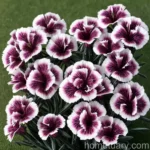
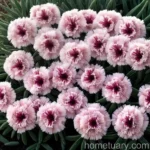
The Dianthus genus, commonly referred to as “pinks,” encompasses a diverse group of flowering plants with over 300 species. Dianthus ‘Goody Gumdrops’ is a cultivated variety known for its compact size, abundant blooms, and enticing candy-pink flowers. This perennial plant is renowned for its fragrant blossoms, which adds a delightful aroma to any garden.
Dianthus ‘Goody Gumdrops’ is a hybrid that belongs to the Caryophyllaceae family, and it thrives in moderate climates with well-draining soil and ample sunlight. This cultivar is a delightful addition to garden borders, rock gardens, containers, and mixed flower beds.
Key Takeaways – Dianthus ‘Goody Gumdrops’ (Pink)
Before delving into the specifics of cultivating and caring for Dianthus ‘Goody Gumdrops’, let’s outline the essential characteristics and growing conditions that are integral in nurturing this charming plant.
- Plant Name: Dianthus ‘Goody Gumdrops’ (Pink)
- Type: Perennial
- Color: Pink
- Height: 6-8 inches
- Spread: 10-12 inches
- Exposure: Full sun
- Water: Well-drained, moist soil
- Soil: Sandy, loamy, well-draining
- Bloom Time: Late spring to early summer
- USDA Hardiness Zone: 4-9
Now, let’s explore the crucial factors for successfully growing and maintaining Dianthus ‘Goody Gumdrops’.
Culture
Uses
Dianthus ‘Goody Gumdrops’ is a versatile plant valued for various landscaping and gardening applications. Some common uses include:
- Garden Borders: Plant Dianthus ‘Goody Gumdrops’ along garden borders to create a colorful and fragrant edging.
- Rock Gardens: Its low-growing nature makes it an excellent choice for rock gardens where it can cascade over edges and crevices.
- Containers: This compact variety is well-suited for containers, adding vibrant colors to balconies, patios, and outdoor spaces.
- Mixed Flower Beds: Incorporate Dianthus ‘Goody Gumdrops’ into mixed flower beds to introduce its stunning pink blooms.
- Cut Flowers: The charming flowers of Dianthus ‘Goody Gumdrops’ can be harvested for floral arrangements, adding a touch of elegance indoors.
- Pollinator Gardens: The nectar-rich flowers attract pollinators such as butterflies and bees, making it an asset to pollinator-friendly gardens.
Water
Proper watering is crucial for the health and vitality of Dianthus ‘Goody Gumdrops’. While it is essential to keep the soil consistently moist, it is equally important to ensure that the soil has excellent drainage to prevent waterlogging, which can lead to root rot.
Sunlight
Dianthus ‘Goody Gumdrops’ thrives in full sun, requiring at least 6-8 hours of direct sunlight daily to bloom profusely and maintain its compact growth habit. In hotter regions, providing some afternoon shade can help shield the plant from intense sunlight and prevent heat stress.
Fertilizer
Applying a balanced, all-purpose fertilizer in early spring can provide the necessary nutrients for robust growth and abundant flowering. However, it is essential to follow the recommended application rates to prevent over-fertilization, which can be detrimental to the plant.
Soil
The ideal soil for Dianthus ‘Goody Gumdrops’ is well-draining and moderately fertile. A sandy or loamy soil enriched with organic matter promotes healthy root development and prevents waterlogged conditions. Additionally, maintaining a slightly alkaline soil pH (around 6.5) is beneficial for this plant.
Pruning
Pruning plays a vital role in maintaining the compact form and promoting continuous blooming in Dianthus ‘Goody Gumdrops’. Deadheading spent flowers and trimming back leggy stems can encourage the plant to produce new blooms and maintain a tidy appearance. Additionally, cutting back the entire plant after the first flush of flowers can stimulate a second round of blooms later in the season.
Propagation
Dianthus ‘Goody Gumdrops’ can be propagated through several methods, including division, cuttings, and seed sowing.
- Division: Established clumps of Dianthus ‘Goody Gumdrops’ can be divided in early spring or late summer to create new plants.
- Cuttings: Taking stem cuttings from healthy plants and rooting them in a well-draining medium is a reliable way to propagate this cultivar.
- Seed Sowing: Collecting seeds from mature plants and sowing them in a seed-starting medium can yield new Dianthus ‘Goody Gumdrops’ seedlings.
Container Popularity
The compact nature and ornamental appeal of Dianthus ‘Goody Gumdrops’ make it a popular choice for container gardening. These are some key points to consider when growing this cultivar in containers:
- Container Size: Choose a container with adequate drainage holes and a size that accommodates the plant’s root system comfortably.
- Soil Mix: Select a well-draining potting mix enriched with perlite or coarse sand to ensure proper aeration and drainage.
- Watering: Containers typically require more frequent watering, so it is important to monitor the moisture levels and water when the top inch of soil feels dry.
- Sunlight: Place the container in a location that receives ample sunlight, as Dianthus ‘Goody Gumdrops’ thrives in full sun conditions.
Common Diseases
Dianthus ‘Goody Gumdrops’ exhibits good resistance to diseases, but certain conditions can make it susceptible to a few common issues. Some potential diseases include:
- Powdery Mildew: This fungal disease can appear as a powdery white coating on the leaves, affecting plant vigor and aesthetics.
- Crown Rot: Excessively wet and poorly-drained soil can lead to crown rot, causing the plant to wilt and decline.
- Septoria Leaf Spot: Brown or black spots on the leaves, often with a yellow halo, indicate the presence of Septoria leaf spot.
Disease Diagnosis
Prompt identification and response are crucial in managing plant diseases effectively. If you observe any signs of disease on your Dianthus ‘Goody Gumdrops’, it is important to take the following steps:
- Visual Inspection: Carefully examine the plant for any visible symptoms such as unusual spots, discoloration, or deformities.
- Research: Utilize reputable resources and guides to identify the specific disease based on the observed symptoms and characteristics.
- Consultation: Seek advice from local horticulturists or extension services for accurate diagnosis and tailored treatment recommendations.
Common Pests
While Dianthus ‘Goody Gumdrops’ is relatively resistant to pest infestations, some common pests may pose occasional challenges. These may include:
- Aphids: These tiny insects can cluster on the new growth, causing damage by sucking sap from the plant.
- Thrips: Thrips feed on the flowers, leaving behind visible scars and affecting the overall appearance of the blooms.
- Spider Mites: These pests can cause stippling and webbing on the leaves, impacting the plant’s vigor.
Botanist’s Tips
To ensure the optimal health and longevity of Dianthus ‘Goody Gumdrops’, consider the following expert tips:
- Promote Air Circulation: Adequate air movement around the plant can help prevent the development of fungal diseases and minimize pest issues.
- Mulching: Apply a layer of organic mulch around the base of the plant to conserve soil moisture, regulate temperatures, and inhibit weed growth.
- Regular Monitoring: Routinely inspect the plant for any signs of stress, disease, or pest activity, and address any issues promptly.
Fun Facts
- The genus name “Dianthus” is derived from the Greek words “dios” (divine) and “anthos” (flower), reflecting the plant’s exquisite blooms.
- Dianthus ‘Goody Gumdrops’ is cherished for its spicy fragrance, similar to cloves, adding a delightful aroma to gardens and floral arrangements.
- This charming cultivar is a favorite among pollinators, attracting butterflies and bees with its nectar-rich flowers.
Links to External Resources
- The Royal Horticultural Society – Dianthus
- University of Maryland Extension – Dianthus
- Missouri Botanical Garden – Dianthus
- American Society for the Prevention of Cruelty to Animals – Dianthus Poisoning in Dogs
- The Old Farmer’s Almanac – Growing Dianthus
In conclusion, Dianthus ‘Goody Gumdrops’ is a delightful and versatile plant that adds splashes of pink vibrancy, captivating fragrance, and year-round appeal to gardens and landscapes. With its adaptability, charming blooms, and minimal maintenance requirements, this perennial cultivar is an excellent choice for both experienced and novice gardeners. By incorporating Dianthus ‘Goody Gumdrops’ into your outdoor spaces, you can enjoy its enduring beauty and enchanting fragrance while enhancing the overall allure of your garden.