Dianthus ‘Key Lime Pie’ (Pink)
Flowers have always been a symbol of beauty and have an essential place in human culture. They are not just visually appealing but have also been used for.
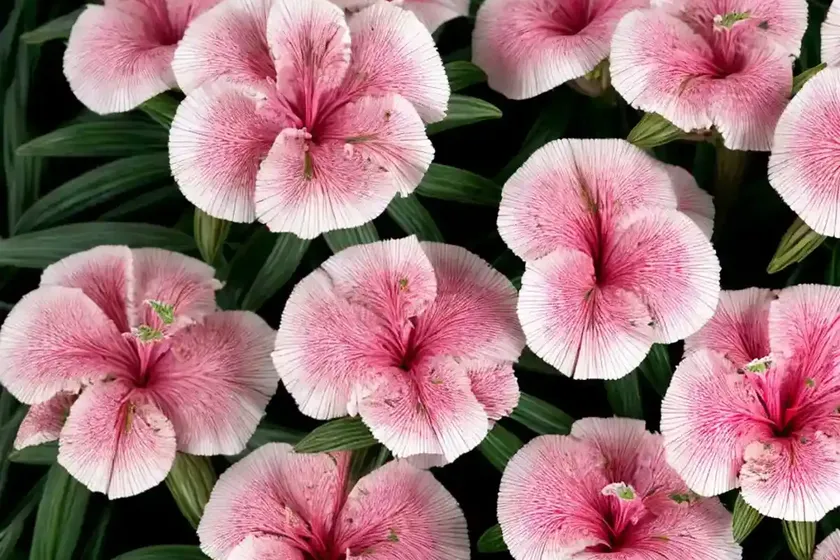
Flowers have always been a symbol of beauty and have an essential place in human culture. They are not just visually appealing but have also been used for various purposes, including decoration, gifting, and even for their medicinal properties. When it comes to flowers, Dianthus ‘Key Lime Pie’ (Pink) stands out as a charming perennial plant that adds a touch of elegance to any garden. In this comprehensive guide, we will explore the various aspects of Dianthus ‘Key Lime Pie’ (Pink), including its care, uses, characteristics, and much more.
What is Dianthus ‘Key Lime Pie’ (Pink)?
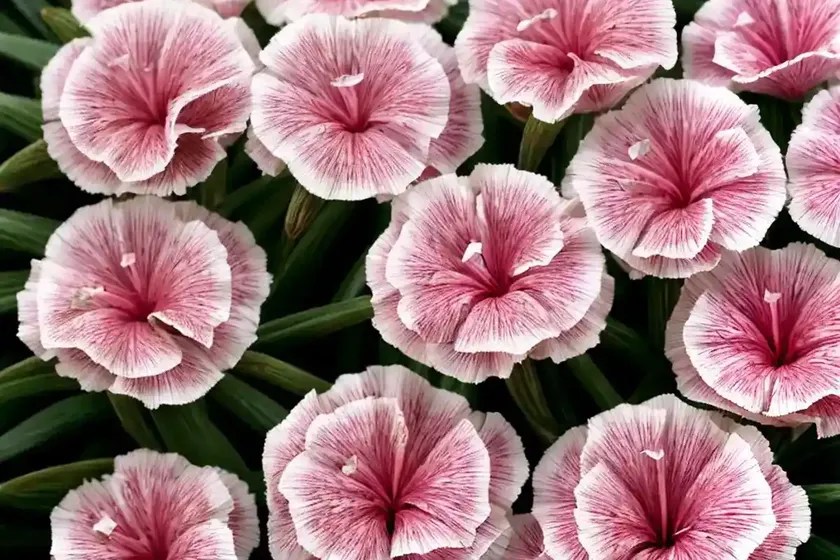
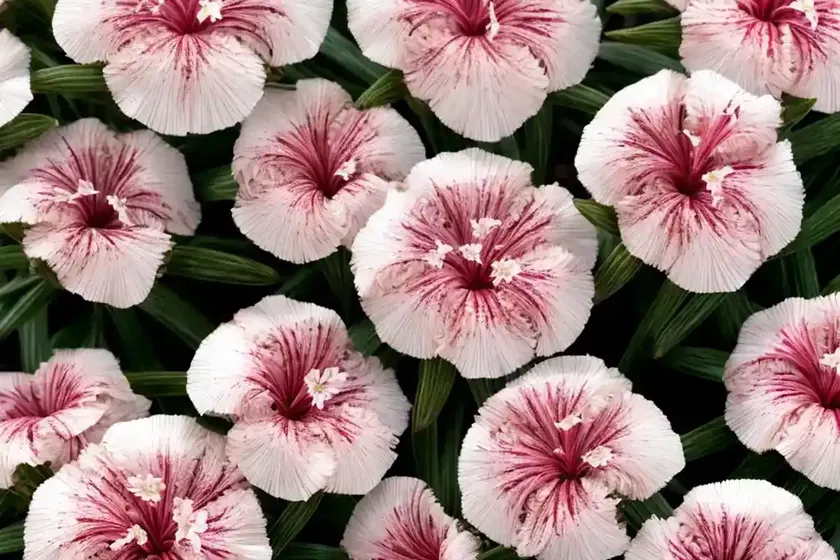
Dianthus ‘Key Lime Pie’ (Pink) is a delightful perennial plant known for its lovely pink flowers and compact growth habit. This variety of Dianthus belongs to the Caryophyllaceae family and is a hybrid of the Dianthus genus. The plant is characterized by its attractive pink blooms with a delightful fragrance, making it a popular choice for gardens and landscapes.
This charming perennial is cherished not only for its visual appeal but also for its ease of care, making it suitable for both experienced and novice gardeners. Dianthus ‘Key Lime Pie’ (Pink) is a versatile plant that can be used in various settings, including flower beds, containers, and rock gardens, adding vibrant color and a sweet aroma to any space.
Key Takeaways – Dianthus ‘Key Lime Pie’ (Pink)
Before delving into the specifics of cultivating and caring for Dianthus ‘Key Lime Pie’ (Pink), let’s take a quick look at the key takeaways that make this perennial plant so special.
- Botanical Name: Dianthus ‘Key Lime Pie’
- Common Name: Pink
- Family: Caryophyllaceae
- Type: Perennial
- Bloom Time: Spring to Early Summer
- Mature Height: 8-12 inches
- Exposure: Full Sun
- Water Needs: Moderate
- USDA Hardiness Zones: 4-9
Culture
Cultivating Dianthus ‘Key Lime Pie’ (Pink) involves understanding its specific requirements in terms of water, sunlight, soil, and maintenance. Let’s explore each of these factors in detail.
Uses
Dianthus ‘Key Lime Pie’ (Pink) boasts several uses, making it a versatile addition to any garden or landscape. Some of the common uses of this charming perennial include:
- Bedding Plant: Its compact growth habit and vibrant blooms make it an ideal choice for bedding and edging.
- Container Plant: Dianthus ‘Key Lime Pie’ thrives in containers, adding color and fragrance to patios, balconies, and decks.
- Cut Flowers: The lovely pink blooms of this Dianthus variety are perfect for creating beautiful floral arrangements.
- Rock Gardens: Its low-growing nature and eye-catching flowers make it a wonderful addition to rock gardens.
- Pollinator Gardens: The fragrant blooms attract butterflies and bees, making it a valuable plant for pollinator gardens.
- Landscapes: Dianthus ‘Key Lime Pie’ adds a pop of color and fragrance to a variety of landscape designs.
Water
In terms of water requirements, Dianthus ‘Key Lime Pie’ (Pink) prefers moderate moisture levels. It is essential to water the plant regularly, especially during periods of drought or prolonged dryness. However, it is crucial to ensure that the soil is well-draining to prevent waterlogging, which can lead to root rot.
Sunlight
One of the key factors contributing to the healthy growth and abundant flowering of Dianthus ‘Key Lime Pie’ (Pink) is sunlight. This perennial thrives in full sun, which is defined as at least six hours of direct sunlight per day. Adequate sunlight not only promotes prolific blooming but also enhances the plant’s overall vigor and resilience.
Fertilizer
Proper fertilization plays a vital role in the health and vitality of Dianthus ‘Key Lime Pie’ (Pink). Before applying any fertilizer, it is recommended to conduct a soil test to determine the nutrient levels and pH of the soil. Dianthus plants generally benefit from a balanced, all-purpose fertilizer applied in early spring, following the package instructions for application rates.
Soil
Dianthus ‘Key Lime Pie’ (Pink) thrives in well-draining, slightly alkaline soil. A soil pH ranging from 6.0 to 7.5 is considered ideal for the optimal growth and development of this perennial plant. Amending the soil with organic matter such as compost or well-aged manure can improve its overall structure and fertility.
Pruning
Pruning helps maintain the health and appearance of Dianthus ‘Key Lime Pie’ (Pink), as well as promotes continuous flowering. It is advisable to deadhead the spent blooms regularly to encourage the production of new flowers. Additionally, pruning back the plant after the blooming season can help prevent the development of leggy growth and promote a compact, bushy form.
Propagation
Propagation of Dianthus ‘Key Lime Pie’ (Pink) can be carried out through several methods, including division, stem cuttings, and seed sowing. Each method has its own set of requirements and best practices, allowing gardeners to propagate new Dianthus plants successfully.
-
Division: Divide established clumps of Dianthus ‘Key Lime Pie’ in early spring or early fall, ensuring that each division has its own set of roots and shoots. Plant the divisions in prepared soil and water them thoroughly to support their establishment.
-
Stem Cuttings: Take 3-4 inch stem cuttings from healthy, non-flowering shoots of Dianthus ‘Key Lime Pie’. Remove the lower leaves and dip the cut ends in rooting hormone before planting them in a well-draining rooting medium. Provide bottom heat and consistent moisture to encourage rooting.
-
Seed Sowing: Collect mature seeds from the dried seed heads of Dianthus ‘Key Lime Pie’ and sow them in prepared seed-starting trays or directly in the garden bed. Keep the soil moist and provide adequate warmth for germination to occur.
Container Popularity
Dianthus ‘Key Lime Pie’ (Pink) is highly popular as a container plant due to its compact size, vibrant blooms, and delightful fragrance. When grown in containers, this perennial adds a charming touch to patios, balconies, and other outdoor spaces. Its suitability for container cultivation makes it a favorite choice for gardeners with limited garden space or those looking to create portable displays of color and scent.
Container Common Diseases
While growing Dianthus ‘Key Lime Pie’ (Pink) in containers offers several advantages, it is important to be aware of the potential diseases that can affect the plant. Some common diseases that may target Dianthus when grown in containers include:
- Powdery Mildew: This fungal disease appears as a powdery white coating on the leaves, stems, and flowers of the plant, leading to stunted growth and diminished vigor.
- Root Rot: Overwatering and poor drainage in containers can contribute to the development of root rot, causing the plant to exhibit wilting, yellowing leaves, and overall decline.
To prevent and manage these diseases, it is essential to provide optimal growing conditions for the plant, including appropriate watering practices and good air circulation around the containerized Dianthus ‘Key Lime Pie’ plants.
Disease Diagnosis
Diagnosing diseases in Dianthus ‘Key Lime Pie’ (Pink) involves careful observation of the plant’s symptoms and taking necessary measures to identify the underlying cause. Common signs of diseases in Dianthus may include:
- Leaf Spots: Dark or discolored spots on the leaves, often accompanied by wilting or yellowing.
- Stunted Growth: A noticeable lack of vigor and growth compared to the plant’s typical development.
- Abnormal Discoloration: Unusual changes in leaf color, such as yellowing, browning, or mottling.
- Stunted or Deformed Flowers: The presence of distorted or undersized blooms may indicate a disease or pest issue.
For an accurate diagnosis, it is advisable to consult with a plant pathologist or horticultural expert who can provide guidance on disease management and treatment options.
Common Pests
Like many ornamental plants, Dianthus ‘Key Lime Pie’ (Pink) can be susceptible to various pests that can affect its growth and overall health. Some of the common pests that may target Dianthus include:
- Aphids: These small, soft-bodied insects feed on the sap of the plant, causing distorted growth and the development of sticky honeydew.
- Thrips: Thrips are tiny, slender insects that can cause stippling, discoloration, and deformation of the leaves and flowers.
- Spider Mites: These arachnids commonly infest Dianthus, causing webbing, stippling, and premature leaf drop.
Implementing preventive measures such as maintaining good garden hygiene, providing proper air circulation, and regularly inspecting the plants for signs of pest infestation can help mitigate the impact of these pests on Dianthus ‘Key Lime Pie’ (Pink).
Botanist’s Tips
For successful cultivation and care of Dianthus ‘Key Lime Pie’ (Pink), consider the following botanist’s tips:
- Regular Deadheading: Consistent deadheading of spent blooms promotes continuous flowering and enhances the plant’s aesthetic appeal.
- Adequate Drainage: Ensure that the soil or growing medium provides excellent drainage to prevent waterlogged conditions that can lead to root problems.
- Sun Exposure: Position the plant in a location that receives ample sunlight to encourage robust growth and abundant flowering.
- Appropriate Pruning: Prune the plant after the blooming period to maintain its shape and encourage compact, healthy growth.
- Observation and Monitoring: Regularly inspect the plant for signs of diseases, pests, or nutrient deficiencies, and take prompt action if any issues are detected.
Fun Facts
To further appreciate the charm and appeal of Dianthus ‘Key Lime Pie’ (Pink), here are some fun and interesting facts about this delightful perennial:
- Dianthus species often have finely serrated petal edges, giving them a unique and distinctive appearance.
- The word “Dianthus” is derived from the Greek words “dios” and “anthos,” meaning “divine flower.”
- Some varieties of Dianthus are edible and are used as a garnish or flavoring in culinary dishes.
- Dianthus ‘Key Lime Pie’ (Pink) is known for its captivating fragrance, which adds a delightful aroma to gardens and floral arrangements.
Links to External Resources
For additional information on Dianthus ‘Key Lime Pie’ (Pink), including care guides, plant profiles, and gardening advice, explore the following external resources:
- The American Dianthus Society
- Royal Horticultural Society – Dianthus Growing Guide
- University of Florida IFAS Extension – Dianthus Production Guide
Conclusion
Dianthus ‘Key Lime Pie’ (Pink) stands out as a captivating perennial plant that captivates with its pink blooms and delightful fragrance. Whether grown in gardens, containers, or rock gardens, this charming Dianthus variety adds a touch of elegance and color to any setting. By understanding its specific cultural requirements, including water, sunlight, soil, and maintenance practices, gardeners can cultivate and enjoy the beauty of Dianthus ‘Key Lime Pie’ (Pink) to the fullest.
Embracing the botanist’s tips, keeping an eye out for potential diseases and pests, and appreciating its versatility and charm, Dianthus ‘Key Lime Pie’ (Pink) can thrive and enchant in a multitude of garden landscapes. With its perennial nature and enduring appeal, Dianthus ‘Key Lime Pie’ (Pink) continues to be a beloved choice for gardeners seeking a touch of pink perfection in their outdoor spaces.