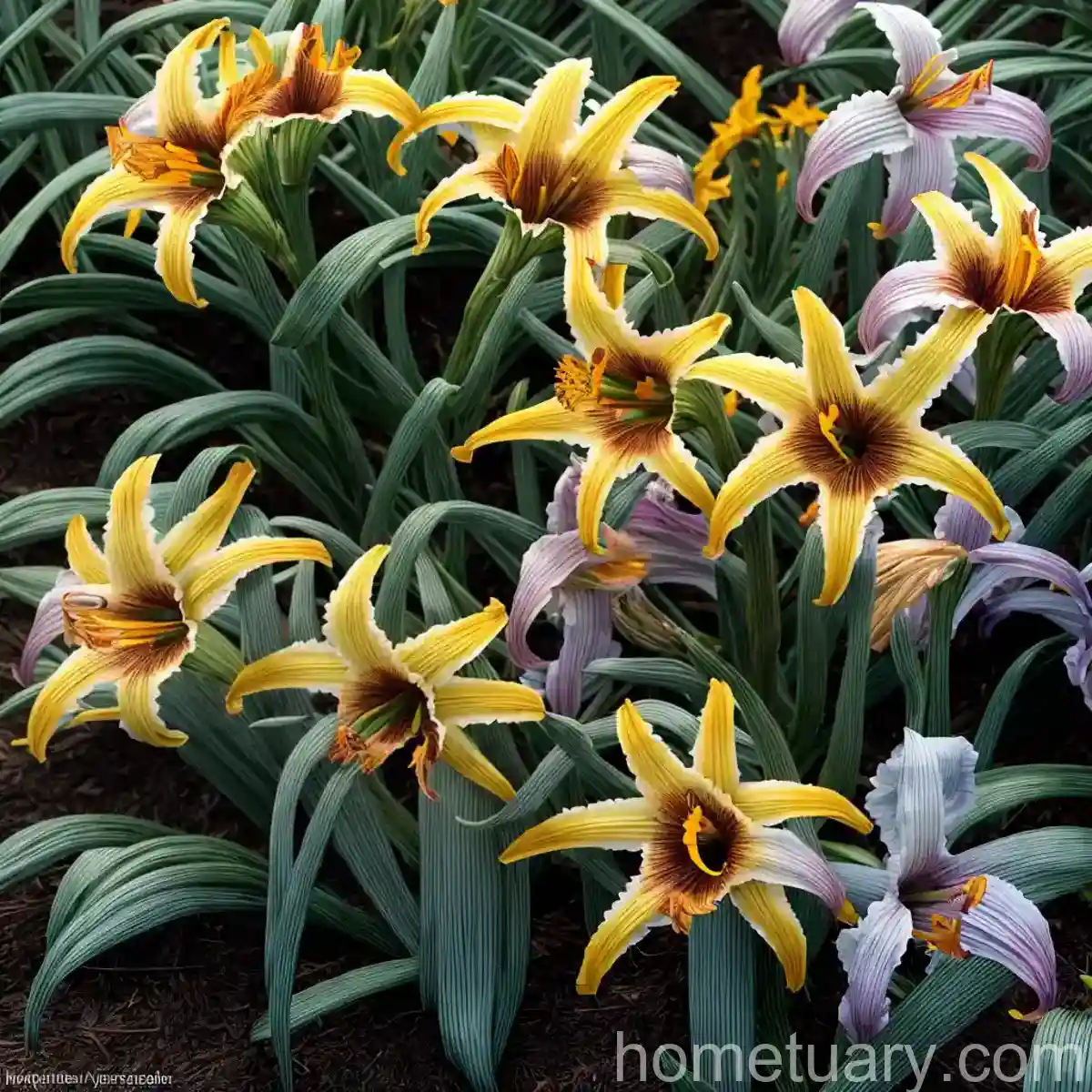
Plant Profile: Daylily (Hemerocallis ‘Prairie Blue Eyes’)
Introduction
In the world of perennial plants, daylilies are a beloved favorite. Known for their stunning and diverse array of colors, daylilies are perfect for adding a pop of color to any garden. In this blog post, we will take an in-depth look at a specific daylily variety, Hemerocallis ‘Prairie Blue Eyes’. We will explore its culture, uses, care requirements, and much more, providing a comprehensive guide for both novice and experienced gardeners.
What is a Daylily (Hemerocallis ‘Prairie Blue Eyes’)
Daylilies, botanically known as Hemerocallis, are herbaceous perennial plants from the genus Hemerocallis. The name “daylily” is derived from the Greek words “hemera” meaning day and “kalos” meaning beauty, as each flower typically lasts for only one day. Despite this short lifespan of individual blooms, daylilies are prolific bloomers and produce a succession of flowers over an extended period, making them a popular choice for many gardeners.
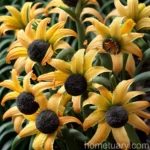
Hemerocallis ‘Prairie Blue Eyes’ is a specific cultivar of daylily. This cultivar is renowned for its mesmerizing blue-toned flowers and is sought after by enthusiasts and professional landscapers alike. Its unique coloration and graceful form make it a standout addition to any garden or landscape.
Key Takeaways – Daylily (Hemerocallis ‘Prairie Blue Eyes’)
- Scientific Name: Hemerocallis ‘Prairie Blue Eyes’
- Common Name: Daylily ‘Prairie Blue Eyes’
- Type: Herbaceous Perennial
- Bloom Time: Early to Midsummer
- Mature Height: 18-24 inches
- Hardiness Zone: 3-9
- Exposure: Full Sun to Partial Shade
- Soil: Moist, Well-Drained
Now that we have a basic understanding of the plant in question, let’s dive into the specifics of its culture, uses, and care requirements.
Culture
Understanding the cultural requirements of Hemerocallis ‘Prairie Blue Eyes’ is essential for its successful growth and thriving in a garden or landscape setting. Here are the key cultural aspects to consider:
Uses
Hemerocallis ‘Prairie Blue Eyes’ holds numerous uses in landscaping and gardening due to its striking flowers and adaptability.
-
Garden Borders: The vibrant blooms of ‘Prairie Blue Eyes’ make it an excellent choice for edging garden borders, where its low-maintenance nature and stunning coloration can add visual interest.
-
Mass Plantings: When planted in mass, the collective display of ‘Prairie Blue Eyes’ blooms creates a breathtaking and colorful focal point in any landscape.
-
Containers: This daylily cultivar can be grown in containers, allowing for versatility in smaller gardens, on patios, or even balconies.
-
Cut Flowers: The cut flowers of ‘Prairie Blue Eyes’ can be used in floral arrangements, adding a touch of elegance to indoor spaces.
Water
Proper watering is crucial for the health and vitality of daylilies. Here are guidelines for watering ‘Prairie Blue Eyes’:
-
Established Plants: Once established, daylilies are often drought-tolerant; however, regular watering is still necessary, particularly during dry periods. Water deeply, allowing the soil to dry slightly between waterings.
-
Newly Planted or Division: Provide ample water to newly planted or divided ‘Prairie Blue Eyes’ to aid in the establishment of their root systems.
Sunlight
The amount of sunlight a plant receives directly affects its growth and blooming potential. ‘Prairie Blue Eyes’ thrives under specific sunlight conditions:
-
Full Sun: Daylilies generally perform best when grown in a location that receives at least 6-8 hours of direct sunlight daily.
-
Partial Shade: While ‘Prairie Blue Eyes’ prefers full sun, it will also tolerate partial shade, especially in regions with intense summer heat.
Fertilizer
Proper fertilization ensures that ‘Prairie Blue Eyes’ daylilies receive essential nutrients for robust growth and prolific flowering. Consider the following fertilization guidelines:
-
Timing: Apply a balanced fertilizer in early spring before new growth emerges. Additional applications can be made in late spring and early summer if desired.
-
Type: A balanced, all-purpose fertilizer with an NPK ratio of 10-10-10 or similar is suitable for daylilies.
-
Application: After flowering, it is beneficial to apply a light dose of fertilizer to support the development of next season’s blooms.
Soil
The soil composition greatly impacts the growth and development of ‘Prairie Blue Eyes’ daylilies. Here’s what to consider when it comes to soil:
-
Well-Draining: Daylilies prefer well-draining soil to prevent waterlogged conditions, which can lead to root rot.
-
pH Level: They thrive in slightly acidic to slightly alkaline soil with a pH range of 6.0-7.5.
-
Amendments: Incorporating organic matter, such as compost, into the soil during planting or as a topdressing in spring, can help improve soil structure and fertility.
Pruning
Proper pruning can help maintain the health and appearance of ‘Prairie Blue Eyes’, promoting the emergence of new growth and blooms. Consider the following pruning recommendations:
-
Deadheading: Remove spent flower stems to encourage the production of new flowers and prevent self-sowing of seeds.
-
Foliage Cleanup: Remove old or yellowing leaves to maintain a tidy appearance and reduce the risk of disease.
-
Division: Every few years, divide clumps of ‘Prairie Blue Eyes’ to rejuvenate the plants and prevent overcrowding.
Propagation
The propagation of daylilies, including ‘Prairie Blue Eyes’, can be accomplished through several methods, allowing gardeners to increase their stock or share plants with others.
Division
Division is the most common method of propagating daylilies. It involves separating clumps of plants into smaller sections, each containing roots and foliage. Here’s how to propagate ‘Prairie Blue Eyes’ through division:
-
Timing: The best time to divide daylilies is in early spring as new growth begins or in late summer to early fall after the blooming season.
-
Preparation: Water the plants thoroughly a day before division to ensure they are well-hydrated.
-
Division: Using a sharp garden spade, carefully dig up the clump of daylilies. Gently shake off excess soil and locate natural divisions or “fans” with healthy roots.
-
Separation: Using clean garden shears or a sharp knife, separate the fans, ensuring that each division has a portion of the roots and several healthy leaves.
-
Replanting: Plant the divisions at the appropriate spacing in prepared soil, ensuring the crown of the plant is at or slightly above the soil level.
Seeds
While division is the primary method for maintaining cultivar traits, daylilies can also be grown from seeds. This method is often used for hybridization purposes or to grow new varieties.
-
Harvesting Seeds: Allow spent flower heads of ‘Prairie Blue Eyes’ to remain on the plant until they produce mature seed pods. Harvest the pods when they turn brown and begin to split open, revealing the black seeds inside.
-
Seed Treatment: To improve germination, some gardeners choose to stratify daylily seeds by placing them in damp paper towels inside a plastic bag and refrigerating them for 4-6 weeks.
-
Sowing: Plant the stratified seeds in seed-starting trays or individual pots filled with a well-draining seed-starting mix. Press the seeds lightly into the soil surface and lightly water.
-
Germination and Care: Keep the soil consistently moist and provide warmth and indirect light for the emerging seedlings. Transplant the seedlings into individual pots once they develop several true leaves.
Container
Growing ‘Prairie Blue Eyes’ in containers can be an excellent option for gardeners with limited space or for those who desire the flexibility to move their plants to ideal growing conditions. Here are some tips for container culture:
-
Container Size: Select a container that is at least 12-15 inches in diameter and depth to accommodate the vigorous root system of ‘Prairie Blue Eyes’.
-
Potting Mix: Use a high-quality, well-draining potting mix formulated for flowering perennials or mix your own with equal parts of peat moss, perlite, and compost.
-
Watering: Containers may require more frequent watering than plants in the ground, especially during hot weather. Check the moisture level regularly and water when the top inch of soil feels dry.
-
Overwintering: In regions with cold winters, protect container-grown ‘Prairie Blue Eyes’ by moving them to a sheltered location or insulating the containers to prevent freezing of the roots.
Popularity
The popularity of Hemerocallis ‘Prairie Blue Eyes’ stems from its stunning flowers, adaptability, and ease of cultivation, making it a favored choice among gardeners and landscapers. Its unique blue-toned blooms set it apart from many other daylily varieties, adding a touch of elegance to gardens and landscapes.
Fun Facts
-
The term “daylily” comes from the Greek words “hemera” meaning day and “kalos” meaning beauty, reflecting the fleeting nature of each individual flower.
-
Daylilies are not true lilies and belong to the genus Hemerocallis, which is derived from the Greek words for “beauty” and “day”, referring to the beautiful flowers that last only for a day.
Now that we have learned about the culture, uses, and propagation of Hemerocallis ‘Prairie Blue Eyes’, let’s delve into the challenges and potential issues associated with its cultivation.
Common Diseases
Like any plant, daylilies are susceptible to certain diseases and ailments that can affect their health and appearance. Being aware of these common diseases is crucial for early detection and intervention.
Disease Diagnosis
-
Leaf Streak: Characterized by brown or yellow streaks on the leaves, often caused by the fungal pathogen Aureobasidium microstictum. Maintain good air circulation and avoid overhead watering to reduce the risk of leaf streak.
-
Rust: Rust infections manifest as orange or yellow pustules on the leaves, typically caused by the fungus Puccinia hemerocallidis. Remove and destroy infected foliage to prevent the spread of rust.
-
Crown Rot: Crown rot can occur due to overly wet or waterlogged soil, leading to the decay of the crown and root tissues. Ensure proper drainage, and avoid excessive watering to prevent crown rot.
-
Fungal Leaf Spots: Several fungi can cause leaf spot diseases on daylilies, leading to the development of brown or black spots on the foliage. Maintain good garden hygiene and remove and destroy affected leaves to prevent the spread of the disease.
Common Pests
Beyond diseases, daylilies may also attract certain pests that can impact their growth and flowering.
-
Aphids: These small, soft-bodied insects may cluster on the undersides of leaves, sucking sap from the plant and potentially causing distorted growth. Control aphids using insecticidal soap or strong sprays of water to dislodge them.
-
Thrips: Thrips are slender, tiny insects that feed on flower buds, causing them to become discolored and fail to open properly. Insecticidal soap or neem oil can be used to manage thrips populations.
-
Spider Mites: Spider mites are tiny arachnids that feed on plant tissues, leading to stippling and discoloration of the leaves. A forceful spray of water can help dislodge spider mites, and the application of horticultural oil can also be effective.
Botanist’s Tips
As a plant scientist with a passion for daylilies, I have a few tips to offer for the successful cultivation of Hemerocallis ‘Prairie Blue Eyes’ and other daylily varieties:
-
Mulching: Apply a layer of organic mulch around the base of ‘Prairie Blue Eyes’ to conserve soil moisture, suppress weeds, and provide a neat appearance.
-
Hydration: Consistent and adequate watering, especially during the blooming season, can significantly enhance the flower production and overall health of daylilies.
-
Spent Bloom Care: Prompt removal of spent blooms not only promotes prolonged flowering but also prevents the development and dispersal of diseases.
-
Soil Maintenance: Regular soil amendment with organic matter helps maintain soil fertility and structure, providing an optimal growing medium for ‘Prairie Blue Eyes’.
-
Division: Periodic division of daylilies every 3-5 years prevents overcrowding, improves flowering, and rejuvenates the plants.
Links to External Resources
To enhance your understanding and cultivation of Hemerocallis ‘Prairie Blue Eyes’ and daylilies in general, I recommend exploring the following external resources:
-
American Hemerocallis Society – The official site of the American Hemerocallis Society offers an abundance of information on daylilies, including cultivation tips, FAQs, and a daylily database.
-
University Extension Websites – Many university extension websites provide detailed guides on growing daylilies, covering topics such as planting, care, and common pests and diseases.
-
Perennial Resource – This resource provides a comprehensive pruning diagram for daylilies, offering visual guidance on the proper pruning techniques.
-
Gardening Forums – Participating in gardening forums and communities allows you to connect with fellow gardeners and daylily enthusiasts to exchange experiences, tips, and troubleshooting advice.
-
Horticulture Publications – Fine Gardening and other horticultural publications often feature in-depth articles on specific plant varieties, including daylilies, offering insights into their cultivation and care.
In conclusion, Hemerocallis ‘Prairie Blue Eyes’, with its captivating blue-toned blooms and exceptional adaptability, is a remarkable addition to any garden or landscape. By understanding its cultural needs, propagation methods, and potential challenges, gardeners can foster the robust growth and stunning flowering of ‘Prairie Blue Eyes’ daylilies, enhancing the beauty and allure of their outdoor spaces. With proper care and attention, this daylily cultivar is sure to dazzle and captivate all who encounter it.
Keywords: Daylily varieties, Prairie Blue Eyes Hemerocallis, Hemerocallis cultivars, Daylily flowers, Prairie Blue Eyes daylily, Hemerocallis species, Daylily garden, Prairie Blue Eyes plant, Hemerocallis hybrid, Daylily care tips, Prairie Blue Eyes daylily characteristics, Hemerocallis perennial, Daylily planting guide, Prairie Blue Eyes daylily care, Hemerocallis garden ideas, Daylily maintenance, Prairie Blue Eyes daylily growth, Hemerocallis blooming season, Daylily landscaping, Prairie Blue Eyes daylily propagation, Hemerocallis shade tolerance, Daylily flower arrangements, Prairie Blue Eyes daylily pests, Hemerocallis soil requirements, Daylily pruning techniques, Prairie Blue Eyes daylily diseases, Hemerocallis sun exposure, Daylily companion plants, Prairie Blue Eyes daylily fertilization, Hemerocallis water needs, Daylily container gardening, Prairie Blue Eyes daylily division, Hemerocallis winter care, Daylily garden design, Prairie Blue Eyes daylily landscaping, Hemerocallis bloom colors, Daylily hardiness zones, Prairie Blue Eyes daylily planting, Hemerocallis flower anatomy, Daylily soil preparation, Prairie Blue Eyes daylily wildlife attraction, Hemerocallis garden maintenance, Daylily root division, Prairie Blue Eyes daylily pollinators, Hemerocallis flower symbolism, Daylily insect control, Prairie Blue Eyes daylily container gardening, Hemerocallis garden border ideas, Daylily common problems, Prairie Blue Eyes daylily garden centerpiece