The Fascinating World of Daylilies: A Closer Look at Hemerocallis ‘Concorde Nelson’
Welcome to the wonderful world of daylilies! If you’re an avid gardener or a plant enthusiast, you’re likely familiar with the botanical marvel that is the daylily. In this comprehensive guide, we’ll take an in-depth look at the captivating Hemerocallis ‘Concorde Nelson’ cultivar, exploring its characteristics, uses, care tips, and much more. Whether you’re a seasoned horticulturist or a budding green thumb, there’s always something new to discover about these remarkable plants.
What is a Daylily?
Before we delve into the specifics of Hemerocallis ‘Concorde Nelson’, let’s first understand what daylilies are in general. Daylilies, scientifically known as Hemerocallis, are perennial plants renowned for their stunning and prolific blooms. Belonging to the Hemerocallidaceae family, these plants are cherished for their diverse flower colors, shapes, and sizes. The term “daylily” is derived from the Greek words “hemera” meaning “day” and “kallos” meaning “beauty,” alluding to the exquisite beauty of their blossoms that typically last for just one day.
Daylilies are native to Asia, particularly China and Japan, and have been cultivated for centuries, resulting in an extensive array of cultivars with varying features. They are valued not only for their ornamental allure but also for their versatility in landscaping, making them a favored choice for gardeners, landscapers, and horticulturists worldwide.
Hemerocallis ‘Concorde Nelson’: Key Takeaways
Now, let’s focus on the delightful Hemerocallis ‘Concorde Nelson’ cultivar. This remarkable daylily hybrid offers a plethora of distinctive qualities that make it a standout choice for gardens and landscapes. From its captivating flowers to its adaptable nature, ‘Concorde Nelson’ is an exceptional addition to any plant collection. Here are the key takeaways about this captivating cultivar:
Daylily (Hemerocallis ‘Concorde Nelson’)
- Botanical Name: Hemerocallis ‘Concorde Nelson’
- Common Name: Daylily
- Variety: Hybrid Cultivar
- Characteristics: Vibrant flowers, vigorous growth, disease resistance
- Color: Purple with a yellow throat
- Bloom Season: Midsummer to early fall
- Height: Averages 24 to 30 inches
- Sunlight Needs: Full sun to partial shade
- Water Requirements: Moderate
- Soil Preferences: Well-draining, fertile soil
- Uses: Landscaping, borders, mass plantings, containers
- Special Features: Wildlife attractant, long blooming period
- Hardiness: Zones 3 to 9
Culture of Hemerocallis ‘Concorde Nelson’
To truly appreciate the beauty of Hemerocallis ‘Concorde Nelson’, it’s essential to understand its cultural requirements. From the ideal growing conditions to its maintenance needs, a thoughtful approach to plant care ensures the best possible performance and showcases the full potential of this exceptional daylily.
Uses
- Landscaping: The ‘Concorde Nelson’ daylily is an ideal choice for adding vibrant color and texture to landscapes. Its striking flowers and lush foliage make it an excellent option for creating eye-catching borders, focal points, or mass plantings in garden beds.
- Containers: This versatile daylily also thrives in containers, bringing a burst of color to patios, decks, and other outdoor spaces. Container-grown ‘Concorde Nelson’ plants offer the added advantage of portability, allowing you to showcase their beauty in various locations.
Water
Proper watering is crucial for the health and vigor of Hemerocallis ‘Concorde Nelson’. While daylilies are known for their resilience to varying moisture levels, consistent watering is essential during the establishment phase and periods of drought. Here are some key points to consider:
- Establishment: Newly planted ‘Concorde Nelson’ daylilies benefit from regular watering to promote healthy root development. Provide supplemental moisture as needed, especially during dry spells, ensuring that the soil remains evenly moist but not waterlogged.
- Established Plants: Once established, daylilies are generally drought-tolerant and can withstand some degree of dryness. Water deeply and infrequently, allowing the soil to partially dry out between watering sessions. Monitor the moisture levels, particularly during hot, dry weather, and adjust the watering frequency as required.
Sunlight
Proper sunlight exposure plays a pivotal role in the growth, flowering, and overall vitality of Hemerocallis ‘Concorde Nelson’. Understanding the sunlight preferences of this cultivar enables you to create an environment where it can thrive and showcase its spectacular blooms to their full potential.
- Full Sun to Partial Shade: ‘Concorde Nelson’ daylilies prefer full sun to partial shade, typically thriving in locations with at least six hours of direct sunlight per day. In regions with intense summer heat, providing some afternoon shade can be beneficial, protecting the plants from excessive heat and preventing sunscald on the foliage.
Fertilizer
Fertilizing ‘Concorde Nelson’ daylilies is an essential aspect of their care regimen, ensuring that they receive the necessary nutrients for robust growth and prolific flowering. Here are some guidelines for successfully fertilizing these vibrant plants:
- Timing: Apply a balanced fertilizer in early spring as new growth emerges, and again after the first wave of blooms has faded. Additionally, a third application in late summer can provide an extra boost before the fall flowering period.
- Type of Fertilizer: Use a slow-release, granular fertilizer formulated for flowering perennials to provide a steady supply of nutrients over an extended period. Alternatively, a water-soluble fertilizer can be applied during the growing season, following the manufacturer’s recommended dilution and application rates.
Soil
An optimal growing medium is essential for the overall health and performance of Hemerocallis ‘Concorde Nelson’. Understanding the soil preferences of this cultivar allows you to create a hospitable environment where it can thrive and produce an abundance of striking flowers.
- Well-Draining Soil: ‘Concorde Nelson’ daylilies thrive in well-draining, fertile soil that allows excess moisture to percolate away from the root zone. Amending heavy or compacted soils with organic matter, such as compost or well-rotted manure, improves drainage, aeration, and nutrient retention, creating an ideal substrate for these vibrant plants.
Pruning
Pruning plays a crucial role in maintaining the health, aesthetics, and vigor of Hemerocallis ‘Concorde Nelson’. By employing proper pruning techniques, you can enhance the plant’s appearance, promote better air circulation, and encourage a more prolific blooming performance.
- Spent Flower Removal: Deadhead spent blooms regularly to prevent the formation of seed pods and encourage the production of additional flower buds. Snip the faded flowers at the base of the flower stalk to maintain a tidy appearance and prolong the blooming period.
- Foliage Maintenance: Remove any yellowing, tattered, or diseased foliage throughout the growing season to enhance the plant’s visual appeal and prevent the spread of diseases. Cut away the affected leaves at their point of origin, ensuring that the remaining foliage looks healthy and vibrant.
Propagation of Hemerocallis ‘Concorde Nelson’
Expanding your collection of Hemerocallis ‘Concorde Nelson’ or sharing its beauty with fellow enthusiasts can be a rewarding endeavor. Propagating daylilies allows you to increase their numbers, introduce new plants to your garden, or trade them with other gardeners, fostering a sense of community and camaraderie.
Division
Division is the most common method of propagating Hemerocallis ‘Concorde Nelson’, offering a straightforward and reliable means of creating new plants from established clumps. This technique is typically performed in early spring or early fall to coincide with the natural growth cycle of the plants.
- Steps for Division: To divide ‘Concorde Nelson’ daylilies, carefully lift the entire clump from the ground and gently tease the individual fans apart, ensuring that each division has healthy roots and sufficient foliage. Replant the divisions at the appropriate spacing, water them thoroughly, and provide ongoing care to support their establishment and growth.
Seed Propagation
While less commonly practiced than division, propagating ‘Concorde Nelson’ daylilies from seeds offers a fascinating and innovative approach to increasing their numbers and introducing potential new hybrids. Keep in mind that growing daylilies from seeds requires patience, attention, and a willingness to embrace the unpredictable nature of seedling variability.
- Seed Harvesting: Allow the spent flowers of ‘Concorde Nelson’ to develop seed pods, which will gradually mature and turn brown as the seeds ripen. Harvest the seeds from the pods, removing any chaff or debris, and store them in a cool, dry location until you’re ready to sow them.
Container Propagation
Growing ‘Concorde Nelson’ daylilies in containers offers a convenient and portable option for propagating new plants, especially for gardening enthusiasts with limited garden space or those seeking to showcase the plants in various locations.
- Container Selection: Choose spacious containers with adequate drainage holes to accommodate the vigorous growth of ‘Concorde Nelson’ daylilies and provide ample space for the development of their root systems.
- Planting and Care: Fill the containers with a well-draining potting mix, position the divisions or newly acquired plants at the appropriate depth, and provide regular watering and maintenance as they establish themselves in their container environments.
Popularity of Hemerocallis ‘Concorde Nelson’
The allure of Hemerocallis ‘Concorde Nelson’ extends beyond its captivating appearance and adaptable nature. As one of the standout cultivars in the diverse world of daylilies, it has garnered recognition and appreciation from gardening enthusiasts, horticulturists, and plant aficionados. Here are some reasons contributing to the popularity of ‘Concorde Nelson’:
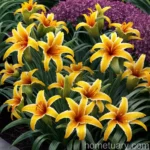
- Distinctive Coloration: The rich, purple-hued flowers of ‘Concorde Nelson’ paired with a contrasting yellow throat create a captivating visual impact, making it a sought-after choice for adding vibrant color to gardens and landscapes.
- Vigorous Growth: The robust growth habit of ‘Concorde Nelson’ daylilies, combined with their prolific blooming, ensures a show-stopping display, captivating onlookers and elevating the overall aesthetic of garden beds and borders.
- Adaptability: ‘Concorde Nelson’ exhibits adaptability to varying growing conditions, including different soil types, sunlight levels, and moisture regimes, making it well-suited for a wide range of gardening environments and climates.
- Wildlife Attractant: The nectar-rich blooms of ‘Concorde Nelson’ attract pollinators such as bees, butterflies, and hummingbirds, contributing to the ecological balance of the garden and providing a delightful spectacle for nature enthusiasts.
- Low Maintenance: This hybrid cultivar requires minimal care and maintenance, making it an appealing choice for busy gardeners or those seeking resilient plants that thrive with minimal intervention.
Common Diseases of Hemerocallis ‘Concorde Nelson’
While ‘Concorde Nelson’ daylilies are known for their resilience, they are not immune to certain diseases and health issues. Recognizing the symptoms of common daylily ailments and understanding their management is crucial for preserving the health and vigor of these remarkable plants. Here are some prevalent diseases that may affect Hemerocallis ‘Concorde Nelson’:
Disease Diagnosis
- Rust: Rust is a fungal disease characterized by the appearance of orange to rusty-brown pustules on the leaves, often accompanied by yellowing, stunted growth, and premature defoliation. Proper sanitation, adequate airflow, and fungicidal treatments can help manage rust infestations and prevent their spread.
- Leaf Streak: Leaf streak, caused by the fungal pathogen Colletotrichum hemerocallis, manifests as elongated, brown lesions on the foliage, potentially leading to dieback and reduced vigor. Removing and disposing of infected plant debris and employing fungicidal measures can aid in controlling leaf streak.
- Crown Rot: Crown rot, commonly associated with the soil-borne pathogen Sclerotium rolfsii, results in the decay of the plant’s crown and root system, leading to wilting, yellowing, and eventual collapse. Implementing proper drainage, avoiding overwatering, and using fungicidal treatments can help manage crown rot.
- Fungal Leaf Spot: Fungal leaf spot presents as circular to irregularly shaped lesions on the foliage, typically surrounded by a darker border and often leading to leaf discoloration and premature drop. Pruning affected foliage, improving air circulation, and employing fungicidal sprays can aid in mitigating fungal leaf spot.
Common Pests Affecting Hemerocallis ‘Concorde Nelson’
In addition to diseases, ‘Concorde Nelson’ daylilies may also fall victim to various pest infestations that can impact their growth and flowering. Identifying the signs of common daylily pests and implementing appropriate pest management practices is crucial for safeguarding the well-being of these vibrant plants. Here are some pests that may afflict Hemerocallis ‘Concorde Nelson’ and their control methods:
- Aphids: These small, pear-shaped insects feed on the sap of the daylily foliage, causing distorted growth, yellowing, and the development of sticky honeydew. Controlling aphids can be achieved through insecticidal sprays, natural predators like ladybugs, or strong blasts of water to dislodge them from the plants.
- Thrips: Thrips are slender, winged insects that may cause silvery or brown stippling on the daylily leaves, often leading to a weakened appearance and reduced vigor. Using insecticidal soaps, predatory mites, or reflective mulches can aid in managing thrips populations and minimizing their impact.
- Spider Mites: Spider mites are tiny arachnids that feed on the daylily foliage, causing stippling, webbing, and overall decline in plant health. Encouraging natural predators such as predatory mites, applying horticultural oils, and maintaining proper humidity levels can help control spider mite infestations.
Botanist’s Tips for Hemerocallis ‘Concorde Nelson’
As a plant scientist, I have had the privilege of studying the fascinating realm of daylilies, including the exceptional Hemerocallis ‘Concorde Nelson’. Here are some expert insights and tips to help you cultivate, appreciate, and enjoy the beauty of these remarkable plants to the fullest:
- Soil Preparation: Prior to planting ‘Concorde Nelson’ daylilies, invest time in preparing the soil by incorporating organic matter and ensuring adequate drainage. A well-structured and nutrient-rich soil provides the foundation for healthy growth and robust flowering.
- Mulching: Applying a layer of organic mulch around the base of ‘Concorde Nelson’ daylilies helps conserve moisture, suppress weeds, and regulate soil temperature, contributing to overall plant health and vitality.
- Companion Planting: Consider companion planting ‘Concorde Nelson’ daylilies with other perennials, annuals, or ornamental grasses to create dynamic and visually appealing garden displays, while also promoting biodiversity and ecological harmony.
- Seasonal Care: Throughout the growing season, monitor the daylilies for signs of pests, diseases, or nutritional deficiencies, intervening promptly to address any issues and sustain the optimal health and aesthetics of the plants.
- Record Keeping: Keep a garden journal to document the growth, flowering patterns, and any noteworthy observations regarding ‘Concorde Nelson’ daylilies, allowing you to track their performance and make informed adjustments to your cultivation practices.
- Winter Protection: In regions with harsh winter conditions, provide adequate protection for ‘Concorde Nelson’ daylilies by applying a layer of mulch, providing windbreaks, or employing other measures to shield the plants from cold and moisture-related damage.
Fun Facts About Hemerocallis ‘Concorde Nelson’
Let’s add a touch of intrigue to our exploration of Hemerocallis ‘Concorde Nelson’ with some captivating and little-known facts about this exceptional daylily cultivar:
- Hybrid Origins: ‘Concorde Nelson’ is a product of hybridization, resulting from the intentional crossbreeding of select Hemerocallis varieties to attain specific traits such as coloration, flower form, and disease resistance.
- Prolific Blooms: This vibrant daylily is known for its striking flowers that bloom abundantly, providing a delightful and enduring spectacle throughout the summer months and into early fall.
- Wildlife Encounters: The nectar-rich flowers of ‘Concorde Nelson’ are a magnet for pollinators such as bees, butterflies, and hummingbirds, contributing to the ecological vibrancy of the garden and fostering a symbiotic relationship with the surrounding wildlife.
- Cultural Significance: Daylilies, including ‘Concorde Nelson’, have held cultural significance in various traditions and folklore, symbolizing themes such as renewal, rebirth, and the ephemeral beauty of life.
Links to External Resources
To further expand your knowledge and appreciation of Hemerocallis ‘Concorde Nelson’ and daylilies in general, here are some valuable external resources that offer in-depth insights, cultivation tips, and captivating perspectives:
- American Daylily Society: The official website of the American Daylily Society provides a wealth of information about daylilies, including cultivar profiles, regional clubs, and educational resources.
- University of Illinois Extension – Daylilies: The University of Illinois Extension offers a comprehensive guide to daylilies, covering topics such as selection, planting, care, and pest management.
- Missouri Botanical Garden – Hemerocallis: The Missouri Botanical Garden’s Plant Finder features detailed information about Hemerocallis species and cultivars, including ‘Concorde Nelson’, along with their growing requirements and ornamental characteristics.
Conclusion
In concluding our exploration of the captivating Hemerocallis ‘Concorde Nelson’, we’ve delved into the beauty, culture, and care of this remarkable daylily cultivar. From the vibrant allure of its flowers to the adaptability that makes it a valuable addition to gardens and landscapes, ‘Concorde Nelson’ embodies the enduring charm and versatility of daylilies. Whether you’re a gardening enthusiast seeking to elevate your outdoor spaces or a plant aficionado drawn to the allure of these captivating perennials, this hybrid cultivar holds much to admire and appreciate.
As we embrace the enchanting world of Hemerocallis ‘Concorde Nelson’, let’s celebrate its enduring appeal, its resilience in landscapes, and the joy it brings to all who encounter its vibrant blossoms. With a blend of botanical knowledge, gardening expertise, and an appreciation for the natural wonders of the plant kingdom, we can continue to nurture and enjoy the remarkable Hemerocallis ‘Concorde Nelson’ and the vast array of daylilies that grace our gardens and enrich our lives.