Daylily (Hemerocallis ‘Double Pompom’): A Comprehensive Guide for Plant Enthusiasts
Introduction
Plants are an integral part of our natural environment, adding beauty and functionality to our surroundings. The daylily (Hemerocallis ‘Double Pompom’) is a stunning flowering plant that captivates with its vibrant blooms and easy care requirements. In this comprehensive guide, we will explore the characteristics, cultivation, and maintenance of the daylily, offering valuable insights for both novice and experienced gardeners.
What is the Daylily (Hemerocallis ‘Double Pompom’)?
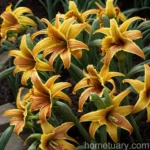
The daylily (Hemerocallis) is a perennial flowering plant known for its vibrant and diverse blooms. The ‘Double Pompom’ variety is particularly renowned for its unique double-flowered form, which adds a touch of elegance to any garden or landscape. With its botanical name derived from the Greek words for “day” and “beauty,” the daylily lives up to its name by producing blooms that typically last for one day, but its prolific flowering habit ensures a continuous display throughout its blooming season.
Key Takeaways – Daylily (Hemerocallis ‘Double Pompom’)
- Daylily Care: Understanding the specific care requirements for daylilies, including water, sunlight, and soil preferences, is crucial for their successful cultivation.
- Hemerocallis ‘Double Pompom’ Characteristics: Exploring the unique features and attributes that distinguish the ‘Double Pompom’ variety from other daylilies.
- Growing Daylilies: Providing insights into the optimal conditions and techniques for growing healthy and vibrant daylilies.
- Hemerocallis ‘Double Pompom’ Flowers: Delving into the stunning, double-petaled flowers of the ‘Double Pompom’ variety and their visual appeal.
- Daylily Varieties: Highlighting the diverse range of daylily varieties available to enthusiasts and their distinctive traits.
- Daylily Season: Understanding the specific blooming season and duration of daylilies, offering guidance on maximizing their visual impact throughout the year.
- Hemerocallis ‘Double Pompom’ Care Tips: Providing practical tips and recommendations for ensuring the health and vitality of ‘Double Pompom’ daylilies.
- Daylily Colors: Exploring the wide spectrum of colors and color combinations available in daylily blooms, adding visual interest to garden settings.
- Hemerocallis ‘Double Pompom’ Planting Guide: Offering an in-depth guide to the proper planting techniques and considerations for ‘Double Pompom’ daylilies.
- Daylily Maintenance: Outlining the essential maintenance practices required to keep daylilies in optimal condition and ensure their continued vigor.
- Hemerocallis ‘Double Pompom’ Water Requirements: Understanding the specific water needs of ‘Double Pompom’ daylilies, crucial for their overall health and well-being.
- Daylily Propagation: Exploring the various methods of propagating daylilies, enabling enthusiasts to expand their collection or share plants with others.
- Hemerocallis ‘Double Pompom’ Sunlight Needs: Highlighting the sunlight requirements for ‘Double Pompom’ daylilies and their impact on growth and flowering.
- Daylily Landscaping Ideas: Offering creative and practical ideas for incorporating daylilies, especially the ‘Double Pompom’ variety, into landscape designs.
- Hemerocallis ‘Double Pompom’ Pests and Diseases: Identifying common pests and diseases that may affect ‘Double Pompom’ daylilies, along with appropriate prevention and control measures.
- Daylily Companion Plants: Recommending compatible companion plants that complement daylilies and enhance the overall visual appeal of garden settings.
- Hemerocallis ‘Double Pompom’ Container Gardening: Exploring the potential for growing ‘Double Pompom’ daylilies in containers, offering flexibility in garden design.
- Daylily Growth Habits: Understanding the growth habits and patterns of daylilies, particularly the ‘Double Pompom’ variety, to optimize their placement and care.
- Hemerocallis ‘Double Pompom’ Planting Season: Providing guidance on the ideal planting season for ‘Double Pompom’ daylilies, ensuring successful establishment and growth.
- Daylily Soil Requirements: Exploring the specific soil preferences of daylilies, vital for providing the necessary nutrients and growing conditions.
- Hemerocallis ‘Double Pompom’ Pruning Techniques: Highlighting the pruning and deadheading techniques that promote continued blooming and overall plant health.
- Daylily Hybridization: Exploring the potential for hybridizing daylilies and creating new cultivars, offering insight into the breeding process.
- Hemerocallis ‘Double Pompom’ Cold Hardiness: Understanding the cold tolerance of ‘Double Pompom’ daylilies and the measures to protect them during colder months.
- Daylily Flower Arrangements: Showcasing the stunning potential of daylily blooms in floral arrangements, adding a touch of natural beauty to indoor spaces.
- Hemerocallis ‘Double Pompom’ Landscape Design: Offering insights into incorporating ‘Double Pompom’ daylilies into landscape designs for visual impact.
- Daylily Foliar Nematodes: Identifying and addressing the potential threat of foliar nematodes to daylilies, safeguarding their overall health.
- Hemerocallis ‘Double Pompom’ Reblooming Characteristics: Understanding the reblooming potential and habits of ‘Double Pompom’ daylilies for extended flowering.
- Daylily Fragrance Levels: Exploring the fragrance characteristics of daylilies, adding sensory appeal to garden spaces.
- Hemerocallis ‘Double Pompom’ Naturalizing: Understanding the potential for ‘Double Pompom’ daylilies to naturalize and thrive in outdoor settings.
- Daylily Non-invasive Varieties: Highlighting non-invasive daylily varieties that integrate harmoniously into garden ecosystems.
- Hemerocallis ‘Double Pompom’ Garden Accents: Showcasing the ornamental value of ‘Double Pompom’ daylilies as accents in garden settings.
- Daylily Pollination Tips: Offering insights into the pollination process of daylilies and its role in maintaining genetic diversity.
- Hemerocallis ‘Double Pompom’ Root Division: Exploring the root division method for propagating and rejuvenating ‘Double Pompom’ daylilies.
- Daylily Foliage Types: Understanding the diverse foliage characteristics of daylilies and their contribution to overall visual appeal.
- Hemerocallis ‘Double Pompom’ Bird Attractant: Highlighting the potential of ‘Double Pompom’ daylilies to attract and support bird populations in garden settings.
- Daylily Drought Tolerance: Understanding the drought tolerance of daylilies, offering insights into their resilience in challenging environmental conditions.
- Hemerocallis ‘Double Pompom’ Shaded Areas: Exploring the adaptability of ‘Double Pompom’ daylilies to shaded areas, providing versatility in garden design.
- Daylily Flower Symbolism: Delving into the symbolic meanings associated with daylily blooms, adding cultural and historical significance to their presence.
- Hemerocallis ‘Double Pompom’ Mulching Benefits: Highlighting the benefits of mulching for ‘Double Pompom’ daylilies and its impact on soil health and moisture retention.
- Daylily Landscaping Styles: Offering creative ideas for incorporating daylilies, especially the ‘Double Pompom’ variety, into various landscaping styles.
- Hemerocallis ‘Double Pompom’ Winter Care: Providing essential guidelines for winter care and protection of ‘Double Pompom’ daylilies in colder climates.
- Daylily Edging Ideas: Showcasing the potential for using daylilies, particularly the ‘Double Pompom’ variety, as edging plants for defined garden borders.
- Hemerocallis ‘Double Pompom’ Backyard Gardening: Exploring the role of ‘Double Pompom’ daylilies in backyard gardening, offering visual appeal and structural diversity.
- Daylily Companion Trees: Recommending suitable companion trees that complement daylilies and contribute to a vibrant garden ecosystem.
- Hemerocallis ‘Double Pompom’ Soil Amendments: Exploring the potential soil amendments and supplements that enhance the growth and vitality of ‘Double Pompom’ daylilies.
- Daylily Erosion Control: Highlighting the role of daylilies, especially the ‘Double Pompom’ variety, in erosion control and soil stabilization initiatives.
- Hemerocallis ‘Double Pompom’ Deer Resistance: Understanding the deer-resistant qualities of ‘Double Pompom’ daylilies, ensuring their protection in wildlife-prone areas.
- Daylily Drought-Tolerant Varieties: Highlighting specific daylily varieties renowned for their drought tolerance, offering sustainable landscaping options.
- Hemerocallis ‘Double Pompom’ Insect Pollinators: Exploring the role of ‘Double Pompom’ daylilies as attractants for beneficial insect pollinators, supporting garden ecosystems.
- Daylily Flower Symbolism: Delving into the symbolic meanings associated with daylily blooms, adding cultural and historical significance to their presence.
Culture
Cultivating daylilies, including the ‘Double Pompom’ variety, involves understanding their specific cultural requirements, including ideal growing conditions and care practices.
Uses
- Garden Ornament: Daylilies, with their vibrant blooms and attractive foliage, serve as striking garden ornamentals, adding color and visual impact to outdoor spaces.
- Cut Flowers: The stunning blooms of daylilies, including the ‘Double Pompom’ variety, make them excellent candidates for cut flower arrangements, bringing natural beauty indoors.
- Erosion Control: The dense root systems and robust growth habits of daylilies contribute to their effectiveness in erosion control, stabilizing soil in landscaping projects.
- Pollinator Support: Daylilies, with their nectar-rich blooms, attract and support pollinators, playing a role in maintaining biodiversity in garden ecosystems.
Water
Proper watering is essential for the health and vitality of daylilies, ensuring that they thrive and produce abundant blooms.
- Adequate and consistent moisture is crucial for daylilies, especially during the establishment phase and periods of active growth and blooming.
- While daylilies are relatively tolerant of dry conditions once established, they benefit from regular watering during prolonged dry spells to maintain optimal vigor and blooming performance.
- Watering should be directed at the base of the plants to minimize foliage wetting, which can contribute to the development of fungal diseases.
Sunlight
Daylilies, including the ‘Double Pompom’ variety, thrive in sunny conditions and require adequate sunlight for robust growth and abundant flowering.
- Plant daylilies in locations that receive at least 6 hours of direct sunlight each day to ensure optimal blooming and overall plant health.
- Full sun exposure promotes strong, sturdy stems and vibrant blooming, contributing to the visual impact and vigor of daylilies.
- While daylilies can tolerate partial shade, especially in hotter climates, they generally perform best in sunny environments.
Fertilizer
Applying the right fertilizers at the appropriate times is essential for maximizing the growth and bloom potential of daylilies.
- Use a balanced, slow-release fertilizer formulated for flowering perennials to provide essential nutrients for daylilies throughout the growing season.
- Apply fertilizer in early spring as new growth emerges, and follow up with additional feedings in midsummer to support blooming and overall plant vitality.
- Avoid overfertilizing, as excessive nitrogen can lead to vigorous foliage growth at the expense of blooming, compromising the ornamental value of daylilies.
Soil
Daylilies, including the ‘Double Pompom’ variety, thrive in well-draining, fertile soils that provide essential nutrients for robust growth and blooming.
- Plant daylilies in loamy, well-draining soils with a slightly acidic to neutral pH (6.0-7.0) for optimal growth and performance.
- Incorporate organic matter, such as compost or well-rotted manure, into the planting site to improve soil structure, moisture retention, and nutrient availability.
- Avoid waterlogged or excessively compacted soils, as they can lead to root rot and other moisture-related issues in daylilies.
Pruning
Pruning is a vital aspect of daylily maintenance, contributing to continued blooming, neat appearance, and overall plant health.
- Deadheading: Remove spent blooms promptly to promote continuous flowering and prevent seed formation, directing energy into new flower production.
- Foliage Management: Trim back damaged or unsightly foliage to maintain a tidy and attractive appearance, enhancing the overall ornamental value of daylilies.
- Dividing: Periodically divide mature daylily clumps to rejuvenate the plants, prevent overcrowding, and promote vigorous growth and blooming.
Propagation
Expanding your daylily collection through propagation techniques allows for the creation of new plants and the sharing of these beautiful perennials with others.
Division
- Divide mature daylily clumps every 3-5 years, preferably in early spring or after blooming, to maintain plant vigor and prevent overcrowding.
- Carefully separate the individual fans or divisions, ensuring that each section has a healthy root system and sufficient foliage to support growth.
- Replant the divisions at the desired locations, providing adequate moisture and aftercare to facilitate successful establishment and continued growth.
Seed Propagation
- Collect ripe daylily seeds from spent blooms, following proper labeling and storage procedures to maintain seed viability.
- Sow seeds in well-prepared seed-starting mix indoors or directly in the garden, providing the necessary warmth and moisture for germination and early growth.
- Transplant seedlings once they develop adequate foliage and root systems, ensuring proper care and attention during the establishment phase.
Container
Growing daylilies in containers offers versatility and flexibility in garden design, allowing enthusiasts to showcase these stunning perennials in various settings.
- Select large, sturdy containers with ample drainage holes to accommodate the robust growth habits of daylilies and provide proper moisture management.
- Use well-draining potting mix designed for container gardening to ensure optimal root health and growth, avoiding waterlogged or compacted soils.
- Position containers in locations that receive adequate sunlight, ensuring that daylilies, including the ‘Double Pompom’ variety, have the necessary light for blooming and overall vigor.
Popularity
The ‘Double Pompom’ daylily, with its unique double-flowered form and vibrant blooms, has gained popularity among gardening enthusiasts and landscaping professionals for its ornamental value and easy care requirements. Its distinctive appearance and robust growth habits make it a sought-after addition to garden settings.
Common Diseases
Daylilies, including the ‘Double Pompom’ variety, may be susceptible to certain diseases that can affect their overall health and blooming performance. It is essential to be vigilant and proactive in disease prevention and management to maintain the vigor and ornamental appeal of these perennials.
- Leaf Spot: Characterized by the development of dark spots or lesions on the foliage, often caused by fungal pathogens favored by excessive moisture and poor air circulation.
- Crown Rot: A potentially serious disease that affects the crown and basal portions of daylilies, leading to wilting, yellowing, and eventual collapse of affected plants.
- Rust: Manifesting as orange or rust-colored pustules on the undersides of leaves, rust can diminish the overall visual appeal and vigor of daylilies.
- Fungal rots: Various fungal pathogens can cause rotting of the root system or basal portions of daylilies, compromising their growth and stability.
Disease Diagnosis
Diagnosing and addressing potential diseases in daylilies, including the ‘Double Pompom’ variety, requires careful observation and prompt intervention to prevent the spread of pathogens and minimize the impact on plant health.
- Visual Symptoms: Regularly inspect daylilies for any signs of abnormal discoloration, spots, lesions, or wilting, which may indicate the presence of disease.
- Fungal Cultures: In cases of suspected fungal diseases, obtaining cultures or samples of affected plant material can aid in identifying the specific pathogens and determining appropriate control measures.
- Consulting Experts: Seek guidance from local horticultural extension services or plant pathologists to accurately diagnose and manage potential diseases affecting daylilies.
Common Pests
Several pests may pose a threat to daylilies, including the ‘Double Pompom’ variety, necessitating proactive pest management strategies to protect these ornamental perennials.
- Aphids: Small, sap-feeding insects that can cluster on the buds, foliage, and stems of daylilies, causing distortion and damage to plant tissues.
- Thrips: Tiny, winged pests that feed on daylily blooms, leading to discolored or distorted flowers and affecting their ornamental quality.
- Spider Mites: Microscopic pests that infest the undersides of daylily leaves, causing stippling and discoloration, particularly in hot and dry conditions.
- Slugs and Snails: These mollusks can feed on daylily foliage and blooms, leaving behind unsightly damage and compromising the overall visual appeal of the plants.
Botanist’s Tips
As a plant scientist specializing in ornamental perennials, I offer the following expert tips for the successful cultivation and care of daylilies, with a focus on the ‘Double Pompom’ variety:
- Proper Siting: Select planting locations that provide adequate sunlight, well-draining soils, and good air circulation, promoting the health and blooming of daylilies.
- Mulching: Apply a layer of organic mulch around daylilies to conserve soil moisture, suppress weed competition, and moderate soil temperatures, benefiting overall plant health.
- Integrated Pest Management: Adopt an integrated approach to pest management, incorporating cultural, biological, and, if necessary, targeted chemical control methods to minimize pest damage.
- Regular Monitoring: Maintain regular inspection and monitoring of daylilies for signs of diseases, pests, or cultural issues, intervening promptly to address any concerns.
- Division Timing: Schedule the division of daylilies, including the ‘Double Pompom’ variety, during cooler periods to minimize stress and optimize establishment success.
- Seasonal Care: Adjust care practices and attention to the specific seasonal needs of daylilies, supporting their growth and blooming potential throughout the year.
Fun Facts
- Daylilies belong to the genus Hemerocallis, which is derived from the Greek words “hemera,” meaning “day,” and “kallos,” meaning “beauty,” referencing the fleeting nature of their individual blooms.
- The flowers of daylilies are not only visually striking but are also edible, with certain species and cultivars finding culinary applications in salads, soups, and other dishes.
- Some daylilies are known for their attractive fragrance, adding a delightful olfactory element to garden landscapes and outdoor spaces.
- Daylilies are resilient and adaptable plants, capable of thriving in a wide range of climatic conditions, from temperate gardens to subtropical landscapes.
Links to External Resources
To further your