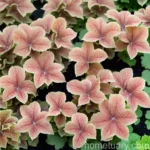
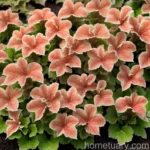
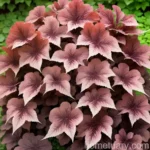
The Fascinating World of Hairy Alum Root (Heuchera villosa ‘Chantilly’)
As a plant scientist and enthusiast, I am thrilled to introduce you to the captivating hairy alum root, scientifically known as Heuchera villosa ‘Chantilly’. This perennial plant has gained immense popularity due to its remarkable attributes and versatile uses in landscaping and gardening. Throughout this comprehensive guide, I will delve into the culture, uses, propagation, maintenance, and more, providing you with an in-depth understanding of this remarkable plant.
What is Hairy Alum Root?
Hairy alum root, or Heuchera villosa ‘Chantilly’, is a perennial herbaceous plant which belongs to the Saxifragaceae family. Known for its striking foliage and delicate flowers, this plant is native to the southeastern United States.
Key Takeaways
- Scientific Name: Heuchera villosa ‘Chantilly’
- Common Name: Hairy Alum Root
- Type: Perennial
- Family: Saxifragaceae
- Native Region: Southeastern United States
Culture
Understanding the ideal culture for Hairy Alum Root is essential to its successful growth and development. This involves considerations such as water, sunlight, soil, and fertilizer requirements. Let’s explore these in detail.
Water
Hairy alum root thrives in moderately moist soil. While it is essential to ensure consistent moisture, it is equally important to prevent waterlogging. Adequate drainage is crucial to prevent the roots from rotting. During periods of drought, regular watering is necessary to maintain the health and vitality of the plant.
Sunlight
In terms of sunlight requirements, Hairy alum root flourishes in partial to full shade. It is ideal for planting in areas with dappled sunlight or filtered shade. Bright, direct sunlight can cause the delicate foliage to scorch, making it essential to provide ample shade to promote healthy growth.
Fertilizer
When it comes to fertilizing Hairy alum root, a balanced, slow-release fertilizer can be applied in the early spring or late fall. It is important to follow the manufacturer’s recommendations regarding application rates to prevent over-fertilization, which can be detrimental to the plant’s health.
Soil
Hairy alum root thrives in well-draining, loamy soil. Optimal soil conditions are achieved through the incorporation of organic matter, such as compost, to enhance fertility and enhance the soil structure. Maintaining slightly acidic to neutral soil pH levels (around 6.0 to 7.0) is conducive to the plant’s growth and development.
Pruning
Pruning is an essential aspect of maintaining the health and aesthetics of Hairy alum root. Periodic removal of spent flower spikes and damaged or withered foliage promotes vigorous regrowth and prevents the spread of diseases. Additionally, the removal of old, woody stems helps rejuvenate the plant and encourages the production of fresh, vibrant foliage.
Propagation
There are several methods of propagating Hairy alum root, including division, stem cuttings, and seed propagation.
Division
- Propagation through division involves carefully separating the plant’s root mass and replanting the divided sections into individual containers or directly into the garden bed.
- It is advisable to carry out division in the early spring or late fall to coincide with the plant’s natural growth cycle.
Stem Cuttings
- Propagation through stem cuttings involves selecting healthy, non-flowering stems and rooting them in a suitable growing medium, such as perlite or vermiculite.
- With proper care and optimal conditions, the cuttings will develop into independent plants that can be transplanted into the desired locations.
Seed Propagation
- Although Hairy alum root can be propagated through seeds, this method is less commonly utilized due to the plant’s slow growth from seed and the availability of more efficient propagation techniques.
Container Popularity
Hairy alum root is highly favored for container gardening due to its compact size, attractive foliage, and adaptability to partial shade. Whether utilized as a standalone specimen or combined with complementary plants, it adds a touch of elegance and vibrancy to outdoor spaces.
Common Diseases
While Hairy alum root is generally resistant to many common plant diseases, it is important to be aware of potential issues and take proactive measures to prevent their occurrence. Some common diseases that may affect Hairy alum root include:
- Powdery Mildew: This fungal disease presents as a white, powdery coating on the plant’s foliage, leading to stunted growth and diminished aesthetics. Adequate airflow and proper spacing between plants can help mitigate the risk of powdery mildew.
- Crown Rot: Excessive moisture and poor drainage can contribute to crown rot, which manifests as rotting at the base of the plant. It is crucial to ensure well-draining soil and avoid overwatering to prevent this disease.
Disease Diagnosis
Timely identification of diseases is crucial for implementing effective control measures. Careful observation of the plant’s foliage, stems, and overall growth can provide valuable insights into potential disease issues. Additionally, seeking the expertise of local horticulturists or plant pathologists can aid in accurate disease diagnosis and treatment recommendations.
Common Pests
Though relatively resistant to pests, Hairy alum root may occasionally encounter pest issues that require attention. Some common pests include:
- Aphids: These small insects feed on the plant’s sap, leading to distorted growth and reduced vigor. Control measures such as insecticidal soaps or horticultural oils can help manage aphid infestations effectively.
- Slugs and Snails: These mollusks can cause damage to the plant’s foliage, particularly in moist environments. Manual removal and the use of barriers, such as copper tape, can help protect Hairy alum root from these pests.
Botanist’s Tips
To ensure the optimal growth and longevity of Hairy alum root, consider the following tips:
- Mulching: Applying a layer of organic mulch around the base of the plant helps conserve moisture, suppress weed growth, and maintain uniform soil temperatures.
- Air Circulation: Providing adequate air circulation around the plant’s foliage minimizes the risk of fungal diseases and promotes overall plant health.
- Regular Inspections: Periodic monitoring of the plant for signs of pests, diseases, or nutrient deficiencies is essential for early intervention and effective management.
Fun Facts
- Hairy alum root is known for its extensive range of foliage colors, including shades of green, purple, bronze, and silver, adding visual interest to garden landscapes.
- The delicate, bell-shaped flowers of Hairy alum root attract pollinators such as bees and butterflies, contributing to biodiversity in the garden ecosystem.
Links to External Resources
For further exploration of Hairy alum root and related topics, consider the following external resources:
- The American Heuchera Society: A comprehensive resource for information on Heuchera species, cultivars, and gardening tips.
- University of Florida – Gardening Solutions: Coral Bells: Detailed guidance on growing and caring for Heuchera, including Hairy alum root.
- The Royal Horticultural Society – Heuchera: An extensive overview of Heuchera species, varieties, and their horticultural uses.
By harnessing the insights provided in this guide, you can cultivate and enjoy the beauty of Hairy alum root in your garden or landscape. Its resilient nature, captivating foliage, and ornamental value make it a delightful addition to diverse outdoor settings. Whether used as a groundcover, container specimen, or accent plant, Hairy alum root shines as a versatile and enduring gem in the realm of ornamental gardening.